
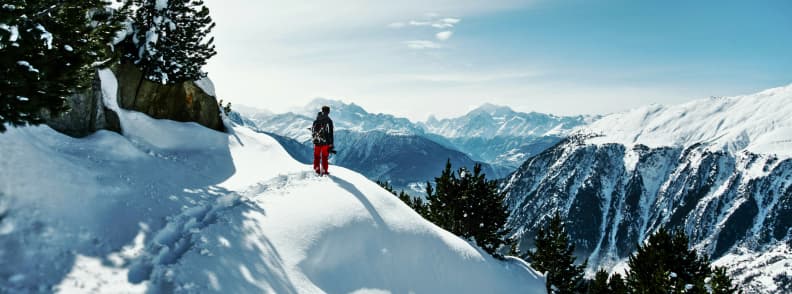
Winter travel tips matter most when the snow looks perfect and everything else feels unpredictable. I love traveling in winter, when the streets feel quieter, mountains shine under fresh snow, and Christmas lights make even ordinary squares feel special. At the same time, I know how fast a beautiful forecast can turn into flight delays, icy roads, frozen fingers, and a hotel room that never really warms up. (I may be living in southern France now, but I come from Romania, so I’m used to harsh winters.)
This guide from The Travel Bunny brings together everything I’ve learned about traveling in winter safely, comfortably, and without wasting money. You get practical, tested advice for safe winter travel by plane, car, train, and local transport.
Best Winter Travel Tips
I will walk you through real packing strategies for cold weather, winterizing your car for long drives, staying healthy in dry, freezing air, and making smart choices when storms start to affect your plans. These winter travel tips work whether you head to a snowy mountain village, a big European city, or a quiet off-season coastal town.
Think of this as your control center for winter trips, from first idea to final hot drink at the end of the day. I will show you how to plan around short daylight, how to handle delayed flights without panicking, and how to avoid classic mistakes like wet feet, bad layers, and underprepared cars. The goal is simple: keep you warm, dry, and safe, so you can focus on the views, the food, and the people you travel to see.
Understanding Winter Travel
Most readers search for winter travel tips because they want a realistic picture of what lies ahead. I learned early that traveling in winter changes everything, from energy levels to timing decisions. You navigate short daylight hours, unpredictable storms, and the practical limits of your body in cold air. This section gives you the foundation for smart winter trip planning before you think about gear, routes, or bookings.
The question is it safe to travel in winter? comes up often when I speak to other travelers about my trips. Safety depends on preparation, weather awareness, and honest expectations. You face ice, sudden wind, delays, crowded holiday routes, or quiet rural roads that become hard to access after snowfall. These are the basics of winter weather travel safety, and they shape the rest of the guide.
I see winter traveling as a mindset. You move slower, plan tighter, trust fewer assumptions, and leave room for the unexpected. My own trips in Europe have taught me that cold affects you even indoors. After New Year’s Eve in Paris, we went to my mother-in-law’s home in the suburbs. The heating had not kicked in, and inside it was only fourteen degrees. The cold settled around us. Cold weather travel is not limited to mountains or windswept plains, it can follow you across borders and into homes.
Below you will find the core principles that explain why winter requires a different way of thinking. These ideas will guide your choices across Europe, North America, and particularly in the colder parts of Romania and France.
Why Winter Travel Is Different
Winter reshapes transportation. Roads freeze overnight. Trains slow down. Ferries wait for visibility. Flights start stacking delays. You plan your days around light levels because daylight shrinks, especially in Northern Europe. You reach trailheads or city centers later than planned because ice control work slows traffic. You also rely more on heated spaces for breaks, which changes how long you can stay outdoors. This is the framework behind smart winter vacation tips, and it explains why two identical itineraries behave differently in July and January.
How Cold Weather Affects Your Body
Cold air dries your throat faster and increases fatigue. Hydration becomes harder to manage because you feel less thirsty while losing more moisture through breathing. Muscles feel heavier in lower temperatures. Breathing cold air on steep climbs or long walks can irritate your chest if you rush. Your skin needs constant protection because wind strips away moisture within minutes. Your body works harder, and that influences pacing, clothing strategy, and how you plan recovery stops throughout the day.
Why Preparation Matters More in Winter
A small mistake in winter grows quickly. Poor route planning becomes risky when an afternoon storm drops visibility. A long connection becomes a missed train when the rail tracks freeze. A delayed flight becomes an overnight airport stay when the next flight is full. Black ice creates hazards even in places that feel safe. Preparation means checking forecasts several times, having a backup for each transport step, and a realistic sense of local winter behaviour. It also means budgeting time for warm indoor breaks because the cold drains energy faster than you expect.
Choosing the Right Winter Destination
You search for winter vacation tips because you want a place that fits your cold tolerance, budget, and trip style. The best approach to winter trip planning starts with your destination choice. The weather shapes everything in this season. Some places offer dependable snow. Others offer consistent sun. A few offer the worst combination of cold rain and unstable conditions. Understanding the difference helps you save money, time, and energy.
Wondering where should I travel in winter? The answer depends on what you expect from cold weather travel. If you want snow, you need high altitude, continental climates, or coastal areas with reliable winter storms. If you want sun, you need stable subtropical zones near Europe or North Africa. Before choosing, consider hours of daylight, wind exposure, heating infrastructure, and how locals move around in winter.
I look at destinations through practical details first. How easy is it to reach in bad weather? How reliable is public transport? How well insulated are buildings? How expensive is heating? Winter amplifies small problems, especially in Romania and parts of France, where old houses leak warmth and trains slow down after a heavy freeze. These are the hidden variables that matter more than postcard landscapes.
With these things in mind, below are the main categories of winter destinations and how to choose between them.
Snow Destinations (Europe, US, Romania, Alps, Balkans)
Choose snow destinations when you want crisp air, mountain scenery, and access to winter sports. Regions like the Alps, Pyrenees, Carpathians, Rockies, and the Balkans offer a predictable cold season. High altitude guarantees snow on most days. Rural areas in Romania, especially around Bușteni, Brașov, and Ceahlău, stay cold long enough for sledging, hiking, or skiing without worrying about slush. You can plan stable itineraries, but you need backup transportation routes because storms close roads. These regions shine if you want the classic winter atmosphere.
Warm Destinations (Canaries, North Africa, Southern Europe)
Choose warm destinations when you want light clothing and full days outside. The Canary Islands offer the most consistent winter sun close to Europe. North Africa gives you dry warmth, long daylight hours, and direct flights from major European hubs. Southern Spain, Sicily, and Crete feel mild even in January. These destinations are ideal if you dislike icy sidewalks, heavy coats, or high heating bills. You trade winter scenery for easy logistics and comfortable walking conditions. Warm weather destinations are also useful if you travel with babies or older family members who struggle in cold weather.
Destinations with High Winter Reliability (Stable Snow or Stable Sun)
Some places offer near-guaranteed conditions. Iceland, Lapland, Finnish lakes, and the Alps deliver stable snow from mid-December to March. Snowfall stays on the ground, making planning simple. You know exactly what gear to pack and what temperatures to expect.
For reliable sun, you choose Madeira, the Canaries, or coastal Morocco. These regions avoid the unstable rain patterns common across central Europe during winter. Reliability reduces stress and makes it easier to book transport and activities without worrying about last-minute disruptions.
Christmas Markets & Winter Festivals (Craiova, France, Local Insight)
Winter festivals change the tone of a trip. Craiova impressed me long before it had the most popular Christmas market in Romania. It was simpler and less commercial at the time. The food felt local. It was the kind of market created for locals, not staged for tourists like it is now.
As someone from Bucharest’s Sector 6, I’m looking forward to discovering the neighborhood’s winter fayre. But make no mistake, West Side Christmas Market is a large-scale event organised in partnership with the organizers of the now-famous Untold festival.
In France, I found mixed results. Many Christmas markets looked polished but lacked atmosphere. Paris felt very commercial. Toulouse was crowded enough to make walking difficult. Annecy looked beautiful but offered little beyond the postcard views. For expats in France or travelers who want authenticity, smaller cities or regional towns offer better options.
Markets in Eastern Europe often feel more grounded and less curated. If you want culture rather than crowds, choose those.
Pre-Trip Planning Essentials
I treat winter travel planning as the foundation of a smooth cold-season trip. Winter reduces your margin for error. Weather delays stretch longer. Roads close faster. Crowds hit earlier around holidays. Good planning cuts half the stress before you even leave home. If you handle timing, routing, and documents now, you avoid scrambling during storms, cancellations, or last-minute reroutes.
Winter exposes weak winter trip logistics. A tight layover becomes a missed connection. A late train becomes an hour on a frozen platform. A simple rental car pickup becomes a full morning if chains are required and not included. Planning helps you prevent those failures. It also helps when dealing with flight delays winter because you have backup options ready.
I check transport flexibility before anything else. I also check heating rules for accommodation, opening hours for museums, and how towns operate in snow. Holiday periods in Europe require early booking. Expats returning home face the same bottlenecks as tourists. Smart timing matters more than enthusiasm. This is where winter holiday travel tips have real value.
When to Book Winter Travel
I book winter flights earlier than I do for summer. Prices rise faster because winter has fewer predictable travel windows. I choose early morning flights because they face fewer delays from accumulated snow. Midweek departures help avoid crowds during Christmas and New Year. If you plan to cross countries in Europe, book trains early because popular routes fill fast. If you plan mountain travel, secure accommodation long before the first snowfall because resorts book up once forecasts show stable temperatures.
Flexible Itineraries for Unpredictable Weather
I give winter itineraries more breathing room. Storms slow everything. I plan shorter driving distances. I also plan city walks that can shift indoors when the wind picks up. Winter demands flexibility. Some places shut down trails after heavy snow. Some ferries stop when visibility drops. If you plan for slower days, the trip feels smoother. You also avoid frustration when conditions change without warning.
Booking Smart with Refundable, Changeable, or Insured Tickets
I prefer booking refundable winter tickets when the price difference is small. Storms cancel flights often enough to justify it. Changeable fares also help because they let you move your departure earlier if a cold front arrives. If neither option is affordable, I use winter travel insurance as a backup. It protects against cancellations, lost connections, and issues on snow days. I avoid bookings that lock me into strict schedules because winter rarely follows the plan.
Winter Travel Documents You Need
I check documents early because winter trips concentrate around holidays when offices close. You need valid IDs for border crossings, digital copies of flights, train tickets, and insurance documents. If you travel with a baby, child travel documents include consent letters, vaccination records, or proof of age for certain fares. If you plan to rent a car in snowy regions, bring the right driving licence and a printed booking voucher because mobile apps freeze or drain batteries faster in cold air.
Winter Travel Insurance
I treat winter travel insurance as a basic travel tool vs. an optional extra. Winter disrupts transport more than any other season. Snow blocks roads. Ice closes mountain passes. Wind cancels ferries. Storms delay or ground flights for hours. Good coverage protects the trip from these interruptions, so you avoid losing money every time the weather shifts. Most travelers and expats who move between countries underestimate how easily winter destroys a clean schedule. Reliable coverage solves that problem.
You may be asking yourself do I need travel insurance in winter? The answer is yes because weather risk multiplies during the cold season. You deal with cancellations, missed connections, and medical issues linked to cold exposure. You also face higher accident rates on winter trails or ski slopes. A strong policy covers the financial fallout, so you focus on your trip instead of handling emergencies alone.
There are travel insurances with winter-specific protection. These companies also cover multi-country trips, which is useful for expats who travel between home and seasonal destinations. Once you understand what winter policies include, you see how much trouble they save.
What Winter Insurance Must Cover
I check three things before buying a policy:
- Trip interruption caused by storms. This protects you when snow shuts down airports or closes mountain passes.
- Medical coverage for conditions triggered by cold. This includes frostbite, respiratory issues, and injuries from falls on ice.
- Baggage coverage that includes winter gear because replacing boots or a coat abroad is expensive. A good policy should also cover emergency evacuation for remote winter hikes, especially in places like the Alps or Carpathians.
Winter Sports Add-Ons (Skiing & Snowboarding)
Winter sports increase risk even if you ski on marked trails. I add travel insurance winter sports coverage when the trip involves snowboarding, sledging, or backcountry hiking. This protects against injuries, lost skis, and damaged equipment. Some policies offer dedicated snow sports insurance that covers accidents outside supervised areas. This matters if you travel in regions like Austria, Switzerland, or Romania where mountain rescue costs add up fast. A sports add-on also helps if you rent equipment because it covers theft or breakage.
Medical Coverage in Cold Conditions
Cold affects your body unpredictably. Altitude strains your lungs. Wind burns your face. Ice causes slips that lead to sprains or fractures. I want a policy that covers clinic visits, imaging, and medication without complicated paperwork. This helps in countries where cold weather hits hard, like France’s mountain regions or Romania’s rural areas with limited medical facilities. Coverage also matters for older travelers who struggle with temperature shifts. Winter medical needs are simple but expensive without insurance.
Delay & Cancellation Coverage
Storms cause a chain reaction across transport networks. Flights hold until runways clear, trains reduce speed, and buses reroute. Strong coverage pays for hotels, meals, new routes, and missed connections caused by storms. Policies that include cancellation winter weather save hundreds because they reimburse prepaid bookings when conditions make travel unsafe. I use this protection whenever the trip passes through airports prone to winter delays or if I plan long road segments through mountain areas.
Packing for Winter Travel
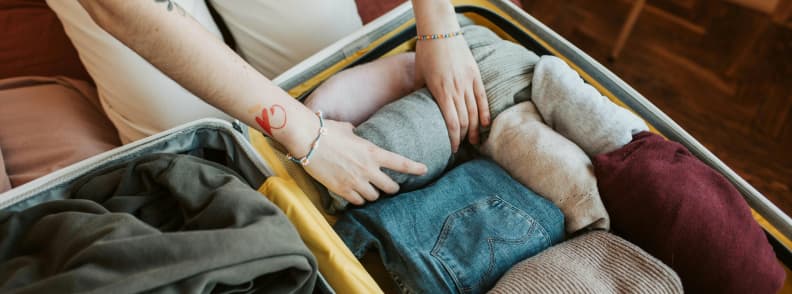
A solid winter packing list removes half the stress of traveling in cold weather. Winter adds weight, bulk, moisture, and battery drainage to every part of your trip. You can solve these problems with a clear system instead of stuffing random warm clothes into a suitcase. My approach starts with layering, smart accessories, and a small set of winter travel essentials that keep your feet dry, your gear warm, and your electronics alive. This matters everywhere, from city trips in France to mountain weekends in Romania.
A good cold weather packing list feels predictable once you understand what your body needs in low temperatures. Heavy coats look warm, but trap moisture when you move. When the sweat cools, your body loses heat faster. I learned this the hard way on long winter walks. Layering keeps you warm without risking that cold shock.
Footwear matters more than anything else. Once your feet get wet, your day is over. I have had winter trips ruined because melted snow soaked my boots early in the morning. Cold travels with you even indoors. Dry socks and good insulation solve this instantly. This is why I always think of the best winter boots for travel as a safety item, not an accessory.
Below you will find every element that makes winter packing simple and efficient.
The Layering System
I pack three layers for almost every winter trip. A moisture-wicking base keeps skin dry. A warm mid-layer gives insulation. An outer shell protects against wind and snow. This system works for cities, mountains, and long days outdoors. It also lets you adjust quickly when you step into overheated shops or buses. If you want to know how to layer clothes in winter, this is the method that never fails. I used it on night hikes in Ceahlău and during long winter days in Paris.
Footwear Strategy
Footwear sits at the center of my packing. Good soles protect against ice. Waterproof materials keep out melting snow. Inner padding keeps your toes warm even when the wind picks up. Quick-drying materials matter because wet boots stay cold all day in winter. I choose models that work with multiple outfits to keep luggage light. This is the most efficient way to manage socks, boots, and daily walking when temperatures drop.
Focus on Keeping Feet Dry
Wet feet in winter end the fun. I learned this on trips where light snow turned to slush. Once the moisture reached my socks, I could not warm up again for hours. No café helped. No heating system helped. Staying dry is more important than staying warm. I now carry two spare pairs of socks for long winter days and avoid materials that soak easily. This habit protects me from those miserable days when the cold catches you early and stays with you.
Gloves, Hats, Buffs, Goggles & Other Accessories
Accessories keep you functional outdoors. A good pair of gloves lets you handle your phone or camera without freezing your fingers. A winter hat protects against heat loss from your head. A buff shields your neck and face from the wind. Goggles help during heavy snowfall or strong winds at higher altitudes. I treat accessories as small items that prevent big discomfort. They also pack easily without adding weight.
Packing Cubes & Compression Bags
Packing cubes help keep layers organized. Compression bags reduce the space taken by sweaters and outer shells. These tools turn a bulky winter wardrobe into a small, structured kit. They also keep your winter carry-on checklist simple because everything stays in predictable sections of your bag. This helps during airport security when you need access to liquids, electronics, and documents without removing half your luggage.
Cold-Weather Toiletries
Cold air dries skin fast. I pack moisturizer, lip balm, and SPF even for city trips. Windburn and sun reflection on snow irritate quickly. These items take little space but make winter trips more comfortable. They also prevent small skin issues that become painful in cold climates. I learned to reapply products more often because winter strips moisture faster than summer.
Choose eco-friendly skincare products that are gentle on both your skin and the planet. Look for biodegradable formulas that won’t harm the environment during your travels.
Electronics in the Cold
Cold drains batteries. Phones, cameras, and power banks lose charge even when unused. I keep electronics close to my body when temperatures drop. Small insulating pouches help when I hike or stay outdoors for long hours. Power banks work best when kept warm. This habit protects devices I rely on for navigation, photos, and communication during winter days.
Airport Outfits in Winter
Airport outfits require balance. You need layers for the cold outside, but comfort for long hours indoors. I wear a breathable base layer, a soft mid-layer, and carry my outer jacket in my hand. This keeps body temperature steady during boarding and after landing. It also avoids overheating during security checks or inside crowded terminals.
Complete Winter Packing Checklist
A checklist simplifies everything. The ideal list includes thermal layers, waterproof boots, warm socks, insulating accessories, skincare, and all key gear. It also includes a clear branch for electronics and battery care. It’s the perfect answer to What to pack for winter travel? for readers who want a clean, practical list they can download and use for any cold-season trip.
Winter Health & Personal Safety
I pay close attention to staying hydrated cold weather and general cold weather safety because winter strains your body faster than you notice. Dry air pulls moisture from your skin and lungs. Wind amplifies heat loss. Indoor heating creates sudden temperature swings that feel pleasant but weaken your resistance to illness. These conditions shape your energy levels, your recovery time, and your comfort during any trip. Managing them well turns hard winter days into simple routines.
Winter challenges the idea that warmth comes only from clothing. You stay warm by managing sweat, food intake, and hydration. When these habits fall apart, so does your comfort.
Below are the essentials. These principles keep your body steady in any winter environment and answer the common question How do you stay healthy traveling in winter?
Hydration in Cold Weather
Cold reduces your thirst reflex. You drink less while losing more moisture with every breath. High altitude increases this effect. I drink small amounts often instead of large amounts rarely. Warm drinks help, but water remains the baseline. Hydration keeps your energy stable and reduces the headaches that appear after long days in dry winter air. This habit improves focus on hikes, city walks, and winter drives.
Protecting Skin Against the Cold
Wind strips moisture from your skin within minutes. I carry a small moisturizer and apply it often. Lip balm prevents cracking when the air becomes dry. Sunscreen matters because snow reflects UV light and burns skin even on cloudy days. These small items reduce irritation and protect you from deeper skin issues that grow quickly in winter.
How to Stay Warm Without Sweating
Warmth comes from steady body temperature, not from heavy clothes. I start cold and warm up naturally as I move. If I trap heat too early, I sweat, and the sweat cools later. That cooling triggers shivering and drains energy. Layering solves this. I adjust one layer at a time based on how active I am. This simple approach prevents sudden cold shocks on mountain trails or city walks.
Avoiding Colds, Flu & Illness While Traveling
Winter illnesses spread fast in crowded transport and indoor spaces. I avoid touching my face after handling door handles, rails, or shared surfaces. I ventilate hotel rooms briefly to reduce stale air. I rest early when my body feels strained. Small habits reduce the risk of colds and flu. This keeps the trip running instead of forcing unplanned rest days in unfamiliar places.
Food & Warm Drink Strategies
Warm food helps your body regulate temperature. I choose simple meals with enough calories for colder days. Slow-cooked dishes help because they provide steady energy. Warm drinks comfort you and encourage hydration. I avoid sugary drinks that create short energy spikes followed by dips. Balanced meals make winter days easier to manage.
Temperature Regulation Indoors
Indoor cold can surprise you as much as outdoor cold. In that house near Paris, I felt the cold settle into my bones. Heating failures or old insulation create the same issue in many winter destinations. I adjust layers indoors until the room reaches a stable temperature. I warm up gradually instead of sitting too close to intense heat. This prevents temperature shock when returning outside.
Winter Travel with Kids & Babies
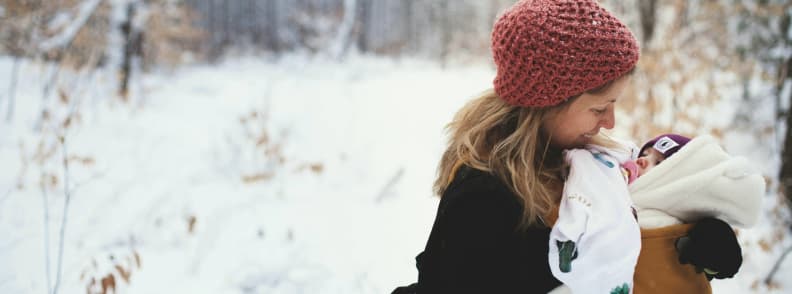
I see winter travel with baby as a balance between safety, warmth, and simple logistics. Cold weather complicates small routines that feel easy in summer. You dress and undress more often. You manage indoor and outdoor temperature swings. You carry extra layers, snacks, and backup items because a child reacts faster to cold than you do. These habits also apply to winter travel with kids, especially when they spend long periods outside or sit in cold vehicles.
The first question parents ask is Is it safe to travel with a baby in winter? It is safe when you control exposure and keep comfort predictable. Winter creates fast temperature shifts that affect infants more than adults. You also navigate crowded holiday routes and long queues in overheated buildings. Once you prepare for these changes, winter becomes manageable. My own experience here is still growing, but the fundamentals stay the same.
Toddlers need consistency. You focus on keeping toddlers warm without overdressing them. You also feed them often because cold air burns energy quickly. If you handle warmth, food, and sleep, winter travel becomes stable for the whole family.
Below are the essentials for baby and toddler care in winter destinations.
Clothing Babies Safely
I avoid puffy coats in car seats, and so should you. Thick layers create space between the harness and the child. That space becomes dangerous in an accident. I dress my child in thin, warm layers and add a blanket after they are buckled. This keeps them safe and warm during drives. It also helps during transfers between cars and indoor spaces because you add or remove layers quickly without overheating them. A poncho is a good compromise!
Feeding Babies in Cold Environments
Cold weather complicates feeding. Outdoor breaks are shortened because babies lose heat while eating. I choose warm indoor spots for feeding to keep the temperature steady. I carry warm water for bottles when needed. And I also keep snacks accessible because cold air increases hunger. These habits prevent long stops in uncomfortable places when the weather shifts.
Child Entertainment for Winter Flights
Winter flights often face delays. Entertainment becomes essential. Toddlers need compact toys, picture books, and snacks that stay stable in cold air. I avoid liquids that thicken or snacks that crumble after temperature changes. A small entertainment kit keeps travel stress low when flights hold at the gate or wait for de-icing.
Naps & Sleep in Cold Travel Destinations
Sleep routines shift in winter. Hotel rooms vary a lot in temperature. Some run too warm. Some never reach the set temperature. I carry one predictable layer for sleep to keep conditions familiar. I also check heating systems when booking because older buildings in France and Romania heat unevenly at night. Babies rest better when layers match the room, not the outdoor temperature.
Baby-Friendly Winter Lodging
I look for lodging with stable heating, good insulation, and reliable hot water. This matters more than amenities. Families need steady room temperatures to handle naps, feeding, and bedtime without stress. I check reviews that mention heating, water pressure, or thin windows. I also avoid places that require long walks on icy roads to reach shops or restaurants. Practical layout helps parents focus on warmth and comfort.
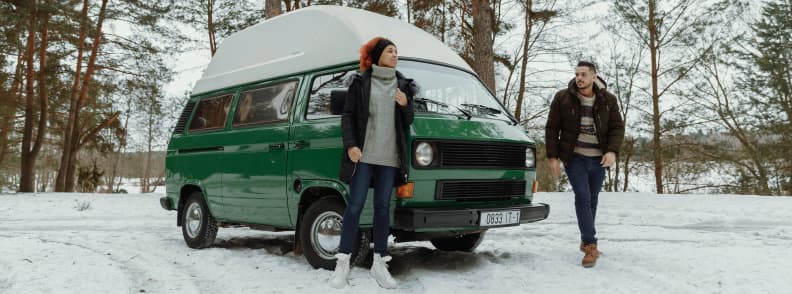
Winter Driving & Road Trip Safety
I treat winter road trip tips as essential because cold conditions turn small driving errors into dangerous situations. Snow reduces traction, slush hides potholes, and ice forms when you least expect it. Poor preparation leaves you exposed to breakdowns in freezing temperatures. Good habits protect you on every winter route, from the Alps to Romania’s mountain roads or long highways in North America.
Winter driving stays unpredictable even with preparation. My father proved the difference equipment makes. When I was still a child, he drove an old Dacia up the steep roads of Sinaia because he used chains. Newer, way fancier cars stopped, yet ours moved forward. My husband once slid into a small river during wet weather. It was not winter, but it taught me how quickly grip disappears. These moments help you respect winter roads and plan ahead.
Below is the complete list of road trip essentials that keep you safe during cold-season travel.
Winterizing Your Car
Start with a full mechanical inspection. Winter stresses every component. Rubber stiffens in cold. Batteries lose power. Fluids thicken. I ask a mechanic (or my husband) to test the battery under load because cold reduces performance sharply. He checks belts, brakes, hoses, filters, and both sets of lights. He makes sure the heater and defroster respond fast because slow systems fog the windshield and reduce visibility. He also verifies that the car starts easily in low temperatures because weak starters fail more often in winter.
Winter Safety Tip: Ask your mechanic to check battery health and brake condition, not only fluid levels.
Essential Winter Fluids
Fluids protect the engine and your visibility. Antifreeze keeps the cooling system stable. Winter washer fluid prevents freezing on the windshield. I avoid summer fluid entirely because it forms an ice layer under cold wind. I check oil viscosity and use winter-grade oil when needed because thick oil delays cold starts. I also make sure the fuel tank stays above half during winter because moisture builds more easily in cold tanks.
Car Winter Tip: Keep a one-liter bottle of winter washer fluid in your trunk for emergency use.
Choosing the Right Tires. Winter vs All-Season vs Studded
Your tires determine how safe you feel. Winter tires stay soft in low temperatures and grip snow well. All-season tires stiffen below seven degrees and lose traction. Studded tires help on icy, rural roads but come with restrictions in many regions. Have a look at local laws and the type of road you plan to drive. High-altitude routes, village roads, and mountain passes always demand winter tires. Once you drive with proper tires, you feel the difference immediately.
Winter Driving Tip: Choose winter tires if temperatures drop below seven degrees often during your trip.
How to Use Snow Chains & Snow Socks
Chains give you traction when nothing else works. You should practice installing chains in dry conditions because learning during a storm wastes energy. Snow socks help for fast, short solutions, but wear out quickly on asphalt. Chains carry you further, as they can grip the icy road and push you ahead. They give you real control in steep or frozen terrain.
What Goes in a Winter Car Emergency Kit
A winter emergency kit keeps you safe during breakdowns or storms. Mine includes a shovel, ice scraper, snow brush, jumper cables, tow rope, reflective vest, flashlight, spare gloves, hand warmers, a blanket, snacks, water, a power bank, a tire inflator, a headlamp, and a first aid kit. I keep everything in a single bag behind the driver’s seat. I also add a small bag with traction aids like sand or cat litter for icy conditions. These items protect you when help takes longer to arrive.
Winter Driving Tip: Keep spare gloves in the glove compartment because cold metal drains heat from your hands instantly.
Driving Techniques for Snow & Ice
Snow demands softer inputs. Accelerate gently, brake gradually, and avoid sudden steering. Keep longer distances because stopping takes time on slippery surfaces. If the car slides, ease off the accelerator and let the tires regain grip. These techniques matter on mountain curves, small village roads, and highways where slush hides small patches of ice. Smooth movements keep the car stable in most winter conditions.
Snow Driving Tip: Use lower gears for climbs and descents to maintain control.
Black Ice Safety
Black ice hides under thin water layers and looks like a wet road. This makes it one of the most dangerous winter hazards. You should slow down before shaded curves, bridges, and forested sections. Try to avoid sudden braking and abrupt turns. When the car loses grip, steer gently in the direction of travel. Black ice punishes quick reactions. Calm, controlled movements keep you safe until tires reconnect with the road.
Mountain Driving in Winter
Mountain roads freeze earlier and stay icy longer. I drive during daylight (also) because it shows road texture and snow patterns. I use low gears in long descents to reduce brake strain. And also check webcams before leaving because mountain weather changes within minutes. Snowfall can turn a clear road into a whiteout fast. I respect altitude because the combination of cold and wind intensifies quickly.
Mountain Driving Tip: Avoid mountain driving just before nightfall when temperatures drop sharply.
Night Driving in Winter
Night driving reduces contrast and forms ice quickly. I reduce speed to match visibility. Snow reflects headlights and hides road edges. I clean headlights often because slush reduces brightness. I avoid unnecessary night travel in remote areas because temperatures drop and recovery takes longer. If the weather worsens, I stop in a safe area and wait for conditions to settle.
Night Driving Winter Tip: Keep a cloth in the door pocket to wipe headlights and mirrors during stops.
What To Do If Stranded
If you get stranded, the car becomes your shelter. Stay inside because the wind and the cold dehydrate you faster than you expect. Run the engine occasionally to warm the cabin and clear windows. Avoid running it constantly to prevent carbon monoxide buildup and save fuel. Vent the window briefly when the engine runs. Use blankets and warm clothes for long waits. Also, keep the lights on when visibility is safe so rescuers can see the car.
Whiteout Survival Tip: Conserve battery power and keep your phone warm to protect battery life.
Winter Air Travel. Airports, Airlines, Delays
I treat winter flight delays as normal rather than exceptional. Winter slows down every part of air travel. Runways freeze, crews de-ice airplanes, visibility drops with snow or fog… This affects flight schedules worldwide. You can reduce stress by planning around these predictable problems. Smart timing and a stable packing system protect you when airport delays in winter stretch longer than expected.
Winter travel around the holidays adds more pressure. I use simple holiday travel tips to avoid long lines, crowded terminals, and sudden cancellations. The goal is to control the parts of air travel that you can influence. When you understand the rhythm of flying in winter, the entire trip feels more manageable.
The real question travelers ask is How do I avoid winter flight delays? Well, you avoid them by choosing routes with fewer weather risks, flying early in the day, and keeping your essential items where you can reach them fast. This is the structure I rely on whenever I travel in cold-season conditions.
Choosing Flights
I choose early morning flights because they face fewer delays. Aircraft stay overnight at airports, so they start the day clean before weather disruption begins. Nonstop routes reduce the chance of missed connections. I also look at geography. Airports in areas with stable winter weather create fewer cancellations. If I must transfer, I avoid airports known for heavy fog or frequent runway closures. These choices reduce stress before the trip even starts.
Winter Flight Advice: Use long layovers when flying through snowy regions.
Handling Winter Delays in Airports
Flight delays feel inevitable in winter. I carry snacks that remain stable in cold air and do not crumble. I also keep water in a refillable bottle (unless local tap water isn’t safe to drink), because dry air dehydrates quickly. Last but not least, I monitor flights through apps that show real-time updates, like Flightradar24.
When delays stack up, I rebook early because later passengers lose options. Acting fast keeps you ahead of crowd surges during peak winter disruption.
Flight Delay Tip: Stand near the gate desk when delays begin to secure help faster.
Winter Airport Packing Strategy
I pack essentials in my carry-on because winter increases the risk of luggage delays. In my carry-on bag, I always keep a full change of clothes, warm layers, medication, and chargers. With that, I also pack toiletries and a small emergency kit. This system protects me if the suitcase arrives late or stays behind during rebooking. I avoid putting boots and coats in checked bags because replacing them abroad costs money and time.
Carry-on Packing Tip: Keep one warm layer at the top of your carry-on to use during long delays.
Keeping Kids Calm in Winter Travel
Winter delays test patience, especially for children. I keep a small kit of quiet toys, picture books, and snacks to occupy my toddler. Cold weather increases fatigue, so I plan short breaks in warm areas of the terminal. Entertainment keeps toddlers calm when boarding stops or flights hold for de-icing. This preparation helps parents handle long waiting times without stress.
Toddler Travel Winter Tip: Choose seating areas near quiet corners to reduce sensory overload.
Luggage Strategy
I protect essential cold-weather items by keeping them in carry-on bags. Losing a suitcase with your boots or coat interrupts the entire trip. Airlines take longer to reunite bags during winter because the cold weather slows ground crews. Therefore, I pack boots, gloves, and thermal layers in my cabin bag if I travel to cold destinations. This reduces the risk of starting a winter trip without the items that keep you warm.
How to Use Airline Apps to Survive Delays
Airline apps help you stay ahead of delays. You can check flight status, aircraft location, gate changes, and rebooking options through the app. You should also enable notifications for weather-related updates. When cancellations build, the app often provides earlier rebooking than the airport desk. This helps you secure the next available flight before lines grow. Apps also store boarding passes and receipts that support claims later.
Winter Travel Tip: Download airline apps before reaching the airport to avoid slow Wi-Fi.
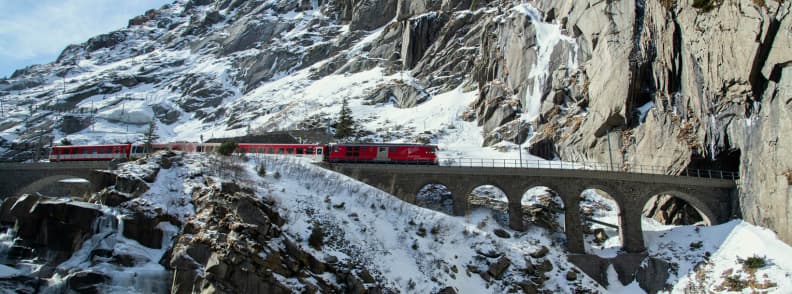
Winter Public Transport. Buses, Trains, Trams
I treat winter train delays as part of cold-season travel in Europe. Tracks freeze, overhead lines ice up, points fail, and trains slow down to protect braking systems. Buses and trams handle winter better, but traffic jams from snow affect timing. This applies across Europe, especially in France, where strikes and weather combine, and in Romania, where infrastructure upgrades move slowly. You plan for these disruptions by giving yourself margin and staying flexible.
Winter transport creates a mix of overheated interiors and freezing platforms. You spend part of the day wrapped in layers and another part peeling them off on crowded trams. This is where cold platform travel tips help. You stay warm outdoors without overheating indoors. Winter adds a layer of logistics that matters for both tourists and expats who depend on public transport for work or family visits.
Below is how I handle every stage of winter bus travel, trains, and trams across different winter conditions.
What to Expect from Public Transport in Winter
Winter slows public transport everywhere. Trains run late more often when temperatures drop below zero. Ice affects door mechanisms and delays boarding. Buses follow slower routes when snow piles up on secondary streets. Trams stop briefly when ice builds on overhead wires. France handles these issues unevenly. Big cities recover fast. Rural regions slow down. Romania deals with longer delays because some lines still rely on older equipment. Expect slower movement and plan for longer transfers.
Winter Travel Tip: Check national rail apps every hour when snow is forecast.
Dressing for Temperature Fluctuations
Public transport creates sharp temperature swings. Platforms feel freezing, but buses and trains feel hot. I wear layers that unzip or peel off fast. Thin gloves protect hands while holding cold handrails. Hats help outdoors but become uncomfortable in overheated cabins. I adapt clothing every time I move between outdoors and indoors. This keeps comfort steady during long travel days.
Winter Travel Advice: Keep your warmest layer in your hand rather than wearing it inside vehicles.
Preparing for Missed Connections
Missed connections happen often in winter. Snow slows everything, and delays stack across the network. I build margin into the itinerary so one late train does not ruin the rest of the day. Downloading offline maps also helps because some stations in France and Romania have a weak signal. I also carry snacks and water for long waits. Planning reduces stress when connection windows shrink.
Tip to Stay Warm: Choose connections with clear signage and warm waiting areas when possible.
Walking from the Stations in Ice or Snow
The final part of a trip often becomes the most difficult. Platforms stay icy. Station entrances get slippery. Pavements near stations freeze because so many people walk the same path. I choose footwear with good grip because falls happen easily after long hours indoors. I also check the location of the exit before arriving because some exits lead to safer paths than others. Navigation becomes slower and more clumsy, and this is normal in winter conditions.
How to Keep Balance on Ice: Use wider steps when walking on ice to keep balance stable. Think duck.
Winter Night Arrivals
Night arrivals in winter feel colder and less predictable. Streets empty early in small towns. Lighting is inconsistent. I plan routes from the station before I arrive, so I do not wander while cold. I avoid long downhill walks because ice forms quickly after sunset. I also wait for a tram or bus instead of walking unfamiliar streets. This helps when traveling alone or carrying luggage through unfamiliar neighbourhoods.
Winter Vacation Advice: Choose accommodation close to a main tram or bus line to reduce exposure during cold night walks.
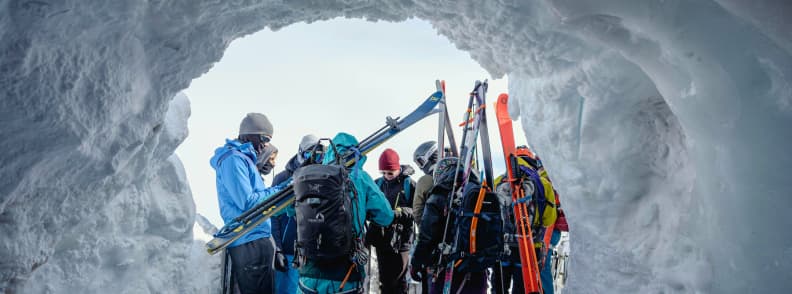
Activities & Adventures in Winter Destinations
I enjoy winter hiking and other winter activities because cold weather changes the landscape. The trails feel quieter, the towns have slowed down, and snow transforms small details into storybook scenery. Winter creates moments you never see in warm seasons, but it also demands better preparation. You stay safe by choosing activities that match the conditions, your gear, and your energy level.
Winter adventures reward calm pacing. You move slower, dress smarter, and plan backup routes. This applies to mountains, frozen lakes, and city streets. These principles help you enjoy outdoor days without pushing beyond safe limits. They also help when visiting Christmas markets or winter festivals, because the weather and crowd levels shift quickly.
Below are the main ways to experience winter outdoors, supported by my own memories from Romania and France.
Winter Hiking Preparation
Winter hikes require more planning than summer hikes. I check the weather often and choose routes with clear markings. I also pack layers that work for cold climbs and warm descents.
One of my most vivid memories comes from Ceahlău in Romania. I hiked at night under a full moon with our mountaineering instructor, Tiberiu Pintilie. We didn’t need headlights because the snow reflected the moonlight. The climb felt steady and calm. The cabin at the top was crowded and cold, but we woke early and reached a nearby peak for sunrise. I watched sunlight hit the icicles and turn them bright. That experience taught me how magical winter hiking can be when conditions align.
Snowshoeing Basics
Snowshoeing gives you access to winter trails without sinking into deep snow. You should choose lightweight snowshoes that fit securely over winter boots. You can also use poles for balance on uneven terrain.
Snowshoeing works well for beginners because you move at a slow pace and follow wide paths. It becomes easier to enjoy the scenery when you are not struggling with deep snow. This activity suits travelers who want mountain views without technical gear.
Winter Hiking Tip: Choose snowshoe routes near staffed refuges for added safety.
Sledging for All Ages
Sledging feels simple and fun, and it stays enjoyable for adults, too. As a child, I used to hike with my parents pulling sledges up to mountain peaks (Susai was my favorite), then sliding downhill. I still remember the cold air hitting my face and the clean sound of the runners carving through snow.
Sledging works well for families because it needs little equipment and creates easy outdoor hours. Many European mountain towns maintain dedicated sledging areas that stay safe even on busy days.
Sledging Tip: Test the slope before going fast. Hidden ice patches create sudden speed.
Ski & Snowboarding Essentials
Skiing and snowboarding require proper gear and clear weather. You should check slope conditions before leaving because visibility affects confidence and movement. Wear thermal layers under waterproof outerwear and choose helmets with warm liners. Renting gear works for most travelers, but don’t forget to inspect boots for comfort and fit. These steps reduce stress and help you enjoy the activity fully.
Winter Sports Tip: Ski passes often sell out during peak season, so booking ahead saves time.
Safety on Trails in Frozen Conditions
Frozen trails demand careful steps. I look for clear markings and avoid routes with steep icy sections. I keep a distance from the edges because snow hides unstable ground. And I also check the wind speed because high wind increases fatigue.
Building these habits can help you stay steady during winter hikes. Safety grows from small decisions made early in the day rather than big corrections later.
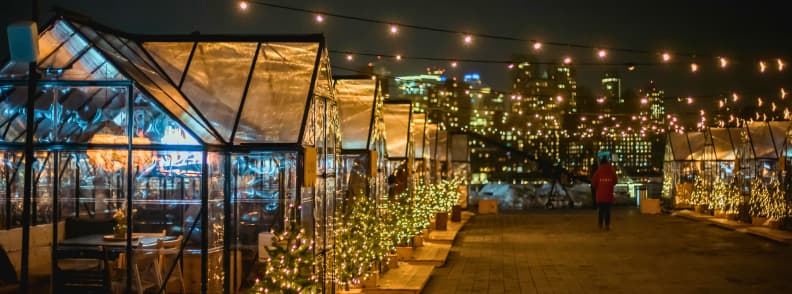
Joining Local Festivals & Christmas Markets
Visiting Christmas markets or winter festivals reveals the local character of a city. Craiova surprised me because it felt authentic before it became popular. The layout was simple, and the food reflected the region. Annecy looked beautiful but felt more curated than lived in. Paris felt commercial with too many identical stalls. Toulouse became too crowded to explore comfortably.
Winter Travel Advice: Visit markets on weekday evenings to avoid heavy tourist flow. Smaller markets sometimes offer better atmosphere and fewer tourists. They show how locals celebrate winter rather than how cities package it for visitors.
Local Cultural Traditions
Winter traditions vary across regions. Romania has village celebrations built around carols, costumes, and food. France focuses on festive lights, weekend markets, and seasonal pastries. Other countries mix winter foods with music or light shows. These traditions help you understand how communities adapt to shorter days and colder air. Exploring them gives depth to winter trips that feel rushed otherwise.
Learn more about Christmas customs and traditions in Europe
Winter Photography. How to Capture Cold Environments
I follow winter photography tips closely because winter conditions behave differently from any other season. Light changes fast, and snow reflects brightness that fools your camera. Cold slows your hands, and battery levels drop without warning. The air itself affects clarity. These factors create challenges, but they also make winter scenes stand out when captured well. Your photos depend less on the camera you own and more on how you prepare for cold environments.
Photographing winter landscapes requires patience. You move more slowly in gloves and adjust settings with colder fingertips. Fog and snow appear suddenly. Shadows stretch in ways that distort color. Understanding these elements helps you react calmly when conditions shift. Once you control the basics, you can focus on composition rather than fighting the weather.
Below is the complete system I use for shooting photos in cold weather.
Protecting Gear in Cold
Cold air changes how your camera behaves. Plastics stiffen, rubber seals can lose elasticity, and lenses fog when you return indoors. You should keep the camera inside a padded bag until you’re ready to shoot. This prevents sudden exposure to freezing air. Avoid opening compartments outdoors because moisture enters fast when the temperature drops. Snowflakes melt on warm surfaces and leave streaks, so keep a microfiber cloth ready for quick cleaning.
Never move the camera from freezing conditions into warm indoor air without protection. Condensation can form inside the body and damage circuits. Instead, place the camera in a sealed bag before entering warm spaces. The bag prevents sudden temperature shock and lets the camera adapt slowly. This simple habit protects expensive equipment in winter.
Camera Safety Tip: Always place your camera in a sealed bag before entering warm rooms to avoid internal condensation.
Managing Batteries in Cold Weather
Cold drains batteries faster than most travelers expect. Camera battery cold weather behavior drops significantly around zero degrees. A battery that lasts all day in summer may last one hour on a winter trail. I carry spare batteries in an inner pocket so they stay warm. When a battery shows empty, I swap it out and warm the used one. It often recovers enough charge for later.
I also avoid leaving the camera hanging outside my jacket during long breaks. Idle exposure drains batteries slowly but consistently. When shooting in very cold locations, like mountain ridges or frozen lakes, I reduce screen use and rely on the viewfinder. These small adjustments extend battery life more than you think.
Winter Photography Tip: Carry two or three spare batteries for full winter days outdoors.
Shooting in Snow and Low Light
Snow tricks your camera because it reflects light more intensely than most surfaces. Automatic modes underexpose snow scenes and create flat, grey images. I increase exposure slightly to keep snow bright without losing texture. I watch the histogram because screens lie in bright environments.
Winter also reduces daylight hours. You get long shadows in late morning and early afternoon. I plan photos earlier in the day because light fades fast. I stabilize my stance on icy ground, sometimes widening my steps to avoid slipping during long exposures. I also check focus manually because falling snow confuses autofocus systems and creates soft images.
Winter Photo Tip: Increase exposure when shooting snow to avoid dull, grey results.
Winter Sunrise & Sunset Tips for Photographers
Winter sun creates dramatic color shifts because it sits lower in the sky. Sunrise light stays soft and clean. On Ceahlău, I reached a peak at sunrise, after a night hike under a full moon. I still remember vividly the sunlight hitting the icicles and making them sparkle. The moment lasted only a few minutes. That taught me how fast winter light disappears.
I arrive early at sunrise locations and set my camera before the light changes. I choose my angles and check focus in advance because cold reduces reaction time. Sunset works the same way. Colors shift faster than in summer, so I stay in place rather than chasing different viewpoints.
Winter Photography Advice: Prepare your composition before the sun reaches the horizon so you do not miss short winter light windows.
Budgeting for Winter Travel
I treat budget winter travel as a strategy rather than a sacrifice. Winter creates natural price gaps that help you save money on flights, hotels, and activities. Cold weather discourages casual tourists, so you benefit from smaller crowds and flexible planning. Winter can feel expensive because you carry more gear and rely on heated spaces, but you balance these costs by making smart choices early in the planning process.
Winter also changes how you travel. You spend more time indoors, you eat differently, and you choose lodging based on heating rather than view. These differences make budgeting easier when you understand where money goes during cold-season trips. Once you control transport, food, and gear, winter becomes one of the easiest seasons for saving money winter travel without lowering comfort.
Below is the complete approach I use to keep winter trips affordable.
Off-Season Travel Deals
Winter offers the biggest price drops (outside the Christmas and New Year period). Flights to colder regions fall because most travelers avoid short daylight hours. Hotels in European cities reduce rates after the holiday rush. Cheap winter destinations appear across Central and Eastern Europe, where demand stays moderate. I check midweek flights and avoid weekends because holiday patterns still influence prices. Once the peak days pass, everything becomes more flexible.
Winter Budget Travel Tip: Compare prices for mid-January and early February. These periods often produce the best winter deals.
Smart Food Budgeting in Winter
Food costs rise in winter because you look for warm indoor spaces. I choose simple restaurants that serve soups, stews, and baked dishes. These meals cost less and provide steady energy. I also pack nuts, dried fruit, or pastries for long travel days. That way, I avoid overpriced snacks at stations because winter delays make you buy out of convenience. These small habits reduce food expenses and help you stay warm without chasing tourist menus.
Energy Costs in Winter Lodging
Heating affects winter budgets more than travelers expect. Some hotels include heating for free. Others charge extra when energy prices rise. I read reviews that mention room temperature, insulation, and hot water. A cheap room with weak heating feels expensive once you add extra clothing or move locations early. I choose lodging with stable heating because it reduces hidden costs and keeps winter evenings comfortable.
Warm Accommodation Tip: Check if heating is centralized or unit-based. Room units cost more when temperatures drop.
Gear Saving Strategies
Winter gear becomes expensive quickly, but you save money by buying only what cold weather demands. I use Decathlon for reliable clothing because it offers good insulation at fair prices. I avoid flashy winter gear because quality matters more than branding. A few strong items replace multiple weak layers. I also look on Vinted, borrow or rent equipment when possible to avoid buying items used once per year. These strategies cut gear costs and still keep you warm.
Winter Gear Advice: Focus on thermal layers and waterproof footwear before spending on accessories.
Sustainable Winter Travel
I treat eco-friendly winter travel as a practical mindset. Cold destinations use more energy, demand more heating, and generate more waste through packaging, transport, and gear. Small choices reduce this impact without complicating the trip. Sustainable habits also save money and make winter days more comfortable. These principles matter for travelers and expats who spend full seasons in colder regions.
Winter destinations handle tourism differently because heating, snow removal, and mobility require resources. You stay more aware of how you move, what you buy, and where you sleep. This makes sustainable winter tourism both a responsibility and a useful strategy for smoother travel.
Below is the structure I follow to reduce impact on cold-season trips.
Energy-Efficient Lodging
Heating defines winter comfort. I choose accommodation with good insulation and updated heating systems because they use less energy and stay warm longer. Buildings with thick walls, double glazing, and modern radiators hold heat better than older structures. This reduces energy waste and keeps the room comfortable without running the heat constantly. My husband also lowers the thermostat slightly at night because stable warmth matters more than high temperatures.
Eco-Friendly Gear
Winter gear lasts longer when you buy items designed for durability. This reduces waste and cost. I choose base layers, jackets, and boots that hold up across multiple seasons. I avoid gear with fragile seams or flashy coatings because they degrade quickly. I also repair small tears and replace laces rather than buying new items. Durable gear reduces the environmental footprint of each winter trip.
Winter Travel Tips: Prioritize versatile clothing you can use across several climates. And, for more affordable options, turn to Vinted or old-school second-hand stores.
Minimizing Waste in Cold Weather
Cold weather increases packaging waste because warm drinks and snacks often come in disposable containers. I carry a reusable bottle, a thermos, and a small food container for snacks. This cuts waste and helps manage hydration. I also avoid buying single-use heat packs and choose reusable versions instead. These small habits reduce the trash that accumulates fast in winter tourism areas.
Sustainable Winter Travel Advice: Look for refill stations or cafés that fill your thermos instead of buying new cups.
Using Public Transit Smartly in Winter
Public transit reduces emissions and keeps winter travel simple. I use trams, buses, and trains whenever possible because they handle winter better than individual cars. Europe’s networks stay active even in snow, especially in France’s larger cities. Romania’s urban transport also works well in winter despite slower schedules. Public transit reduces parking stress, lowers heating emissions, and protects you from icy roads. Planning routes ahead helps avoid long outdoor waits.
Winter Travel Tips: Keep backup routes saved offline because delays happen more often in winter.
Mistakes Travelers Make in Winter
I watch for winter travel mistakes because cold weather punishes small errors. Winter adds weight, reduces daylight, and disrupts transport without warning. Many problems come from habits that work in warmer months but fail in cold climates. Knowing what not to do winter travel protects you from wasted time and uncomfortable days. It also saves money because winter forces you to correct mistakes with gear, food, or transport choices you did not plan to buy.
Winter has its rhythm. You stay ahead by respecting weather, daylight hours, and your own limits. Every mistake below comes from situations I have seen on trails, in cities, or during long drives in Europe.
Wearing Bulky Clothes Instead of Layers
Bulky coats trap heat fast, make you sweat, and cool your body quickly when you stop moving. This creates a cycle of overheating and shivering that drains energy. Layering solves this. A good base, mid-layer, and shell keep your temperature stable and prevent sweat from turning cold. When you remove one layer at a time, you stay comfortable across indoor and outdoor spaces.
Winter Travel Advice: Start slightly cold when you leave the house. Your body warms naturally as you move.
Getting Feet Wet
Wet feet ruin winter days immediately. I learned this on so many snowy city walks in Romania and during cold days in France. Once the snow melts into your shoes, your feet stay cold for hours. No café or heater solves it. The discomfort follows you even indoors. Waterproof boots, warm socks, and spare pairs in your bag protect you from one of winter’s most common problems. Dry feet make the entire trip easier.
Advice to Stay Warm: Carry a spare pair of socks in your day bag for emergency changes.
Not Checking Weather Frequently
Winter weather shifts fast. A clear morning turns into icy wind by mid-afternoon. I check forecasts several times per day because hourly changes matter more than daily predictions. This habit helps you avoid exposed routes, crowded transport delays, and unsafe walks. It also protects you from last-minute surprises that make trips longer and colder than expected.
Winter Vacation Tip: Use national weather apps rather than generic apps for better accuracy.
Overpacking Heavy Clothes
Heavy clothing fills your luggage fast and limits movement. Winter requires smart choices, not many choices. A few good layers replace multiple bulky items. I avoid packing duplicates of thick sweaters or coats. Lighter layers pack smaller and provide better control over temperature. This strategy keeps luggage manageable even with boots and winter accessories.
Winter Holiday Tip: Choose items that work for both city days and cold outdoor walks.
Driving Without Chains
Skipping chains limits where you can go in winter. Chains make steep or icy mountain roads possible. Even the best tires lose grip in hard winter conditions. Chains protect your safety and prevent the stress of getting stuck on rural or high-altitude roads.
Ignoring Daylight Limitations
Winter gives you fewer daylight hours. Routes that feel short in summer take longer in cold weather. Shadows make roads icy. Hiking trails freeze after sunset. I adjust my plans so I finish activities before daylight fades. Evening travel becomes slower and less predictable. Once you respect the sun’s schedule, winter days feel calmer and safer.
Emergency Plans & Worst-Case Scenarios
I prepare for stranded in snow situations because winter punishes hesitation. Storms close roads within minutes. Whiteouts make navigation impossible. Cold drains batteries and slows your reaction time. Good preparation protects you from the kind of winter travel emergencies that appear on mountain roads, rural highways, and even in cities after sudden temperature drops. Planning gives you clear steps instead of panic when the weather shifts.
Winter emergencies feel overwhelming because cold reduces your margin for error. You focus on communication, warmth, food, and visibility. These basics keep you safe long enough for help to arrive. If your car becomes car stuck in snow, you follow a simple system that keeps you warm while protecting your energy.
Below is the complete structure I rely on when preparing for worst-case winter situations.
Phone, Battery & Comms
Phones fail fast in winter. Cold drains batteries, and low temperatures slow screen response. I keep my phone in an inner pocket so body heat protects the battery. I carry a power bank in the same place. When the phone gets cold, the battery level drops even when unused. I also download offline maps and emergency numbers. Coverage disappears in mountain areas or deep valleys. These steps ensure you can call for help when the weather turns and visibility drops.
Winter Travel Tip: Keep your power bank above ten degrees by storing it inside your jacket.
Food & Warmth Strategy
Warmth and calories keep you stable in emergencies. I pack snacks that stay edible in cold air. Nuts, dried fruit, energy bars, and simple pastries work well. I also carry a blanket in the car because it protects you when the engine is off. If you run the engine occasionally for heat, you ventilate slightly to prevent gas buildup. These habits maintain body temperature during long waits and make cold hours manageable.
Winter Trip Tip: Eat small amounts regularly to keep energy steady during delays.
Who to Call
If you cannot move safely, you should call the local authorities early. Police, road patrols, and emergency lines respond faster when informed before conditions worsen. In mountain regions, rescue teams handle winter calls often and know local risks. I note emergency numbers for the region I travel through because each European country uses different secondary numbers beyond the standard 112. Calling early prevents small problems from turning into dangerous isolation.
Emergency Situation Advice: Provide exact location details using offline maps if network coverage is weak.
Staying Calm in Blizzard Conditions
Blizzards create stress because visibility disappears and noise from the wind increases. Staying calm keeps you in control of your decisions. I focus on shelter first, then communication, then warmth. I avoid walking into storms because wind direction changes quickly and hides paths. If I am inside a car, I stay put, conserve heat, and keep windows partly clear. Calm thinking helps you act early rather than waiting until conditions feel overwhelming.
Blizzard Advice: Sit still for a few minutes before making decisions to avoid reacting out of fear.
Tools, Apps & Resources for Winter Travel
I rely on best apps winter travel systems because winter complicates navigation, weather forecasting, transport, and packing. Good tools reduce stress and save time, especially when conditions shift without warning. I choose winter travel tools that work offline, load fast, and update reliably across Europe, North America, and smaller regions like rural Romania. These apps support planning, driving, flying, and packing, and they stay useful even during weak signal or unexpected delays.
When you combine accurate weather data, strong navigation, and simple packing tools, the entire trip becomes easier to manage.
Weather Apps
Weather changes quickly in winter, so I follow multiple sources. Meteo France covers French cities and mountain regions with reliable detail. NOAA provides strong forecasts for North America and helps when planning international flights. ANM Romania gives accurate local predictions for Romanian mountains and rural areas. I compare forecasts when temperatures shift because every service reads weather patterns differently. Good prediction protects you from surprise storms and unsafe routes.
Road Condition Apps
Road condition apps warn you about closures, traffic slowdowns, and icy sections. Waze works well for user-reported hazards across Europe and North America. Google Maps shows snow-related traffic delays early. Romania’s Traffic Info and France’s Bison Futé show official road alerts, closures, and live conditions. These tools help you avoid unsafe areas before leaving.
Airline & Airport Apps
Airline apps help you track delays, rebook flights, and change seats when winter disrupts schedules. Airport apps give real-time gate updates and security wait times. I rely on them heavily during holiday periods because airports become crowded and unpredictable. Notifications help you stay ahead of everyone else waiting at the gate. This saves time during winter flight disruption cycles.
Navigation Apps for Snow Regions
Navigation apps offer winter driving modes that read terrain differently. I choose apps with offline map options in case service drops in valleys or mountain passes. Some apps highlight steep grades and narrow roads, which matter when you face ice or slush. Navigation tools also help plan fuel stops and warn about sharp turns where black ice appears. Winter driving becomes safer when routes adapt to cold conditions rather than using summer assumptions.
Packing Apps
Packing apps help you manage layers, accessories, and weather-specific items without overpacking. I use them to remind me of gear I forget easily, like extra socks or charging cables. Winter demands more structure than summer because layers take space and need order. Packing apps also save time for expats who travel often between countries and need consistent lists.
FAQs about Winter Travel
Winter travel can feel like a mixed bag. Snowy landscapes that make you pause in awe, but also slippery roads, chilly temperatures, and unpredictable conditions that keep you on your toes. Whether you’re planning your first frosty getaway or you’re a seasoned traveler looking for fresh ideas, the right preparation is key. From packing the right layers to tackling icy roads, I’ve put together practical answers to the most common questions I get about winter travel tips.
No matter where you’re heading, be it cozy cabins or bustling Christmas markets, this FAQ will help you stay warm, safe, and ready to embrace the season. Let’s dive into the details.
What should I pack for winter travel?
Packing for winter is all about practicality. Layers are your best friend. Start with thermal undergarments, add breathable mid-layers, and top it off with a waterproof coat. Waterproof boots are non-negotiable, especially for slushy streets or icy trails. Sunscreen might seem odd in winter, but snow reflects UV rays, so it’s just as important as in summer. Moisturizer and lip balm protect against dry air and biting winds, while emergency supplies like a flashlight and non-perishable snacks keep you prepared for delays or detours.
How do I stay safe on winter road trips?
Winter road trips can be fun, but they’re not without challenges. The first step is winterizing your vehicle. Check your tires, battery, and fluids before you hit the road. Keep an emergency kit handy, stocked with blankets, snacks, water, and a small shovel. On the road, refuel often to avoid being stuck with an empty tank, and take your time. Icy patches, especially on bridges, require extra caution. Always let someone know your route and expected arrival time.
Can I travel in winter with a baby?
Yes, you can! Traveling with a baby in winter just takes a little extra planning. Pack warm, breathable layers for your little one, and don’t forget baby-safe skincare to prevent dryness or irritation. Bring extra supplies (diapers, formula, and changes of clothes) since delays can happen. Plan for regular stops to keep them comfortable, especially on long journeys. It might take a little more effort, but seeing their wide-eyed wonder at snow-covered scenery is worth it.
Does The Travel Bunny offer guides for specific winter destinations?
Absolutely! From festive markets in Europe to snowy retreats in the mountains, I’ve written detailed guides packed with practical tips and personal experiences. If you’re looking for ideas on where to go or how to make the most of your trip, check out my posts from the Winter Travel section. They’re full of insights to help you plan the perfect winter getaway.
How do I stay updated on The Travel Bunny’s winter travel tips?
It’s easy! Subscribe to my newsletter for fresh tips delivered to your inbox, or follow me on social media for updates, inspiration, and behind-the-scenes travel moments. I’d love to have you along for the ride. Winter travel might seem challenging, but with these tips in hand, you’ll be well-equipped to enjoy everything the season has to offer.

Additional Tips for Enjoying Winter Travel
Winter travel can be full of surprises. Snowstorms may slow your journey, flights could be delayed, and you might find yourself trudging through unexpected icy paths. But here’s the thing: winter travel isn’t about perfect plans but about embracing the unexpected and turning it into part of the adventure. With the right mindset and a few practical winter travel tips, you’ll be ready to handle anything that comes your way.
Delays and last-minute changes don’t have to ruin your trip. Instead of stressing, I treat these moments as opportunities. A longer layover might mean extra time to explore a charming airport café or chat with fellow travelers. A weather delay could give you the chance to dive into that book you’ve been meaning to finish. The key is to pack a little patience alongside your wool socks and thermal layers.
And while winter travel isn’t always smooth, it’s almost always photogenic. Make it a point to capture the magic: snow-covered streets, twinkling lights, or that steaming mug of mulled wine at a Christmas market. Some of my favorite travel photos were taken during snowy, unplanned detours. Pack a small camera or make sure your phone has enough storage, and don’t shy away from snapping those moments that make winter unique.
When booking accommodations, prioritize energy-efficient lodging options like hotels with sustainable practices or eco-certifications. It’s a small step with a big impact on reducing your travel footprint.
One thing you should never skip, though, is travel insurance. Winter is unpredictable, and insurance gives you peace of mind. Cancelled flights, lost luggage, or even medical emergencies can happen, especially in colder conditions. Having insurance means you’re prepared for these situations without the added stress. It’s not glamorous, but it’s a must for a smooth winter trip.
In the end, winter travel is about finding joy in the little things, even when plans shift. By staying flexible, prepared, and ready to soak up the beauty around you, you’ll come home with lots of stories worth sharing. So bundle up, plan wisely, and let winter surprise you.
About the Author

Hi, I’m Mirela Letailleur, a Romanian-born travel blogger now based in the South of France. Through my blog, The Travel Bunny, I’ve made it my mission to share practical, budget-friendly travel advice that doesn’t skimp on unforgettable experiences. With years of exploring Europe and crafting detailed travel guides, I focus on helping fellow adventurers uncover hidden gems, navigate local culture, and enjoy seamless trips without overspending. From affordable city breaks to authentic countryside escapes my expertise ensures you make the most of every journey.
When it comes to winter travel tips, I draw on firsthand experience braving icy roads, frosty mountain trails, and festive markets across Europe. I’m passionate about blending smart planning with local insight to help you stay warm, safe, and stress-free, whether you’re road-tripping through snowy landscapes or traveling with little ones in tow. If you’re looking for an insider perspective from someone who’s been there, packed that, and dealt with it all, you’ve come to the right place. Let’s make your next winter adventure unforgettable.
With these winter travel tips you’re ready to go, so choose the best winter destination for your upcoming vacation
Lake Tahoe Ski Resorts: Guide to the Best Skiing Adventures
Skiing in France: 6 Expert Tips for an Unforgettable Experience in the French Alps
Best Resorts for Skiing in Bulgaria: Bansko & Pamporovo