
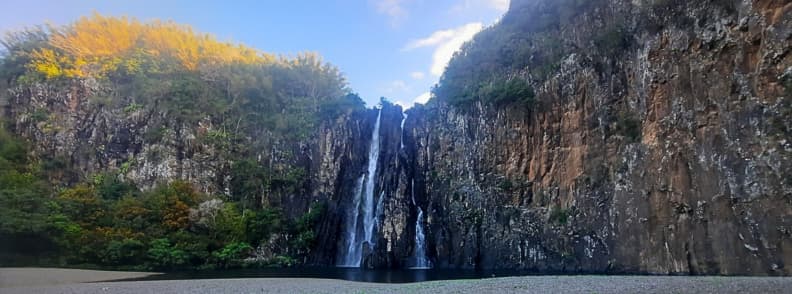
We drove the Reunion East Coast with salty spray on our faces and wet lava under our shoes.
The East Coast Reunion Island is also known as the windward coast Reunion, the side that takes the trade winds head-on. You feel it fast. The air turns heavier, the clouds sit lower, and the green looks louder. People fly to La Réunion for lagoons, then they accidentally skip the east because it looks too rainy on the forecast. That mistake costs you the island’s best texture. This side has waterfalls, vanilla, basalt cliffs, and road views that keep changing every ten minutes.
The Travel Bunny’s Reunion Island East Coast guide covers the coast road, with all its mud, and trip planning tips. I wrote it for first-timers who want clear answers, not vague hype. You’ll learn the best things to do East Reunion that you can follow as a DIY plan. You’ll also uncover my honest mistakes, like the night we thought we had booked dinner and a bed near Bras Panon, then learned we had to find accommodation on the spot. East Coast logistics love humbling you!
If you are planning a Reunion East Coast road trip, this Reunion guide gives you a practical Reunion coastal drive East structure and the best stops, with the best order that saves time. It pinpoints Reunion East Coast waterfalls you can reach with short walks and real trails, plus the safety cues people ignore on wet basalt. It also shows where the landscape flips into Reunion wild landscapes and where you start seeing East Coast lava cliffs Reunion that look like the island got built in layers (because it did!).
You’ll find the best things to do on Reunion East Coast, including exactly where to see waterfalls on Reunion East Coast and how to link them into one smart day. I also map a Reunion East coast waterfalls and vanilla route because you don’t drive to Bras Panon only to leave with supermarket vanilla. So I’ll show you how to visit vanilla plantations on Reunion East Coast, what to look for when buying pods, and what I brought home from the cooperative. If you travel with a camera, I flag photo spots on Reunion East Coast drive that work even when the light turns flat and grey.
Visit Réunion East Coast Guide with Itineraries
And if the forecast looks ugly, I included a quick East Coast Reunion itinerary for a rainy day, so you still get value without gambling on a long hike.
Here’s a quick route snapshot. I run this coastal drive from Saint-Philippe up to Sainte-Suzanne, with the key towns in between. You’ll see how to plan stops around Saint-Benoit, Saint-Rose, Sainte-Anne, and Bras-Panon, plus the waterfall and vanilla detours that make this drive worth the fuel. If you want one clean plan to copy, I am giving you a full Reunion East Coast road trip itinerary you can do in two days, and I also show how to stretch it into slower day trips if you prefer one base.
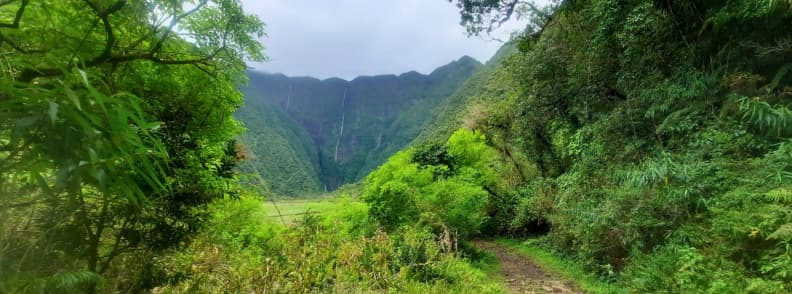
The Soul of the Windward Coast
Let’s see why the East Coast feels so different on your skin and in your schedule. The air feels thicker, the road feels greener, and the ocean looks less forgiving. When we drove this coast, we kept noticing how quickly the mood changed with altitude and exposure. One minute, we had calm roadside stops, the next we stood on a cliff getting misted by waves while the sky turned slate-grey.
Reunion East feels raw, even on an easy itinerary. You’ll understand what makes the landscapes feel intense, why the weather shapes your day, and how the volcano built the coastline you are driving past. If you plan to live on the island or spend longer stretches here, this mindset helps you choose where to base yourself and what kind of weekends fit your energy.
Beyond the Lagoons. Why the East is the true Intense Island
The first thing to understand about the Windward Coast Reunion is exposure. This coast faces the trade winds, so clouds pile up faster, and rain shows up with less warning. You can start a day with dry roads and end it with wet basalt and a jacket you didn’t even expect to wear.
Reunion East Coast is less polished because it wasn’t built around lagoon lounging. Here, nature runs the show and your schedule. You can plan your stops, but you need flexible timing. We treated the East like a string of short, high-reward moments. Viewpoints, quick walks, waterfalls, and food stops work better than building your whole day around one fragile plan.
Is the East Coast of Reunion worth visiting? It depends on what you want to do each day. If you want calm swims and sunbathing, stay on Reunion’s West Coast. If you want a road trip with big scenery and stops that feel earned, go east. You’ll discover waterfalls, jungle trails, lava coast drives, and vanilla culture. The landscape will force you to slow down and look closer.
The difference between East and West Coast Reunion shows up fast once you start driving. The West rewards you with lagoons, easy beach time, and long dry afternoons. The East rewards you with waterfalls, vanilla plantations, black rock cliffs, and short bursts of weather that keep changing your plan. You get more friction, and you also get more variety per kilometre.
Geological Origins. How Piton de la Fournaise Shaped the East
The East Coast looks young because it is young. When you drive the Reunion coastal road, you see layers of black rock, rough textures, and fresh-looking slopes that still feel unfinished. That feeling comes from the volcano’s constant work over time.
The story starts with Piton de la Fournaise East and the way lava reaches the sea. Lava flows cool into new ground, then plants creep back in. You can stand on older flows with shrubs and small trees, then look at newer rock that still looks sharp. The island grows in visible steps, not in soft curves.
Reunion Photo Tip: If you like volcanic landscape photography, Reunion East Coast offers rewarding results. Cloud cover flattens contrast, then a break in the sky makes the cliffs pop for two minutes. We had photo stops like short sprints. Park, shoot fast, step back from the edge, then move on. The light changes faster than your mood.
The coastline exists because volcanic eruptions shaped the East Coast again and again. Lava not only builds land, but it also blocks valleys and reroutes water. That’s one reason you get so many waterfalls and river corridors on this side. Water finds a way around the new rock, then cuts its own path through the old flows.
You can see the geology in the basaltic sea cliffs Reunion without doing any hard hike. The cliffs look stacked and broken, like somebody cracked a dark cake into columns and slabs. Waves hit hard, spray jumps, and the rock stays slick. We stepped carefully and kept our distance, treating every cliff edge as a no-mistake zone.
All of this explains the mood of the Reunion wild landscapes in the East. You get jungle greens pressed against black lava, then sudden openings where the ocean takes over the view. It feels intense because the contrasts feel sharp. The best approach is to drive slowly, stop often, and choose safe viewpoints over risky edges.
Visit Reunion East Coast Tip: Keep a dry layer in the car even on a cloudy day, photograph cliffs early when the wind often stays calmer, and treat wet basalt like ice so you never step onto shiny rock near the sea.
Disclosure: Some of the links below are affiliate links. This means that at no extra cost to you, The Travel Bunny will earn a small commission if you click through and make a purchase. Thank you!
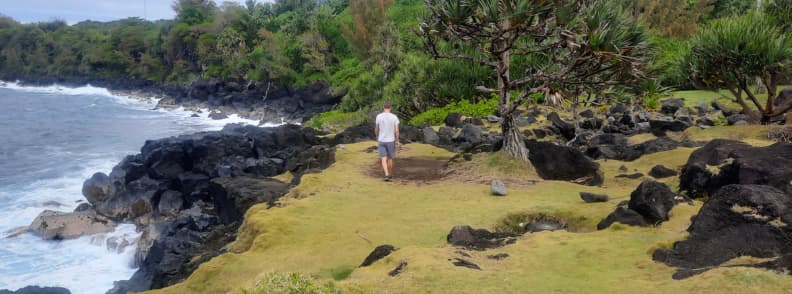
Where Is the East Coast of Reunion Island?
The East Coast of La Réunion sits on the windward side, between the volcanic south and the greener north. Most travelers underestimate distances here, then lose time zigzagging between waterfalls, towns, and viewpoints. If you understand the town order and the real drive times, you stop rushing and start enjoying the coast.
This section of my Reunion East Coast guide pins down the geography in plain language. You’ll know which towns count as East Coast, how to choose a base, and how to string stops together without spending your whole day in the car.
Reunion Map and main towns on the East Coast
The East Coast town chain runs through Saint Philippe, Saint Rose, Sainte Anne, Saint Benoit, Bras Panon, and Sainte Suzanne. These names matter because they anchor your navigation, your food stops, and your accommodation searches. When locals recommend a waterfall or a vanilla visit, they usually reference one of these towns.
If you want an easy mental map, think south to north as lava coast to vanilla to waterfalls. Saint Philippe tourism leans wild and volcanic, while Saint-Rose adds lava history and coastal stops. Saint-Benoît and Bras-Panon feel like the practical middle for waterfalls and vanilla days. Sainte-Suzanne works well as a northern finish with easy roadside nature and heritage stops.
For culture and community life, Saint-André sits close to the East Coast loop and adds depth fast. Saint Andre Tamil temples give you one of the strongest visual and spiritual experiences on this side of the island. If you want to go beyond scenery, these sites belong on your plan because Saint Andre religious sites show how the island’s identities live side by side.
If you are mapping your days around attractions, cluster by town instead of chasing pins. For example, Saint Benoit sightseeing works best when paired with Grand Étang and river corridors, while Sainte Suzanne attractions pair well with Cascade Niagara and coastal heritage stops. This approach saves time and keeps your day from turning into constant re-parking.
Expect airport-to-East travel to take longer than the distance suggests. Driving distance from Roland Garros to the East looks short on a map, but traffic and road rhythm stretch it. Reunion driving times also change with rain, slow vehicles, and the temptation to stop every five minutes for photos. Plan buffers, especially on arrival days.
You can drive Reunion East Coast in either direction and still win. We drove South to North, and it worked perfectly because it matched our energy and our main base in Saint-Leu on the West Coast. We started with the stark lava scenery, then finished with vanilla and forest trails when we wanted a calmer pace. Your route should match your priorities, too.
For a clean structure, you can use my East Coast Reunion road trip itinerary built around two anchor days. Day one focuses on the Wild South and coastal stops. Day two focuses on vanilla and Grand Étang. This layout keeps your car time sane and your stops meaningful.
If you want a high-efficiency day, combining Grand Etang and Cascade Niagara in one day works, but you need discipline. You start early, you keep stops short, and you accept that you won’t add extra detours. This suits travelers who want a taste of East Coast nature without switching hotels.
If you want the full planning system behind it, my guide La Réunion Unfiltered, The Hidden Island on the Rexby app gives you the complete interactive map, ready-made itineraries, and all future updates. This guide keeps your plan current without you re-researching everything from scratch.
Reunion East Coast Weather, seasons, and waterfall conditions
Water runs the East Coast, and rainfall decides what you’ll see. The best time of year to visit Reunion waterfalls depends on what you want from the water. After heavier rain, the falls roar and look dramatic. After drier stretches, some cascades thin out and photos look flatter.
Don’t treat every basin like a safe swim spot. Swimming safety in Reunion East Coast basins depends on current, entry points, and what happens upstream. Rain far away can raise levels fast, and slippery basalt makes exits harder than they look. I didn’t swim on my East Coast days, and I never regretted it.
The East Coast changes week to week, not only season to season. Waterfall levels throughout the year swing with short bursts of rain and longer wet periods. This is why flexible planning beats a rigid checklist. A waterfall day works best when you stay ready to swap stops if the weather shifts.
Reunion Safety Tip: If water looks brown or fast, skip the basin and stick to viewpoints. If you see fresh debris on rocks or branches caught high above the waterline, treat it as a flood clue. If you want safe swimming, it’s better to ask a local on the day.
Best Time to Visit Reunion East Coast
People want one perfect answer for the best time to visit Reunion East Coast, but the smarter move is to plan for variability. Trade winds and quick showers can hit even on a decent forecast. The East still delivers on cloudy days, but your plan needs the right mix of stops.
If your priority is waterfalls, focus on flow vs sunshine. The best time of year to see Reunion waterfalls usually lines up with periods when rain keeps rivers active. You get stronger falls and fuller basins, but you also get more mud and lower visibility at viewpoints. Pack and plan for wet conditions, and you’ll enjoy it more.
Rain doesn’t ruin the East Coast, it changes the menu. A good East Coast reunion itinerary for rainy day leans into drive-up viewpoints, short coastal walks, vanilla visits, and food stops. This is where the East beats the West, because you still have strong experiences without needing a lagoon day.
Managing trade winds and rainfall means building your day around short wins. You plan one main hike, then stack low-commitment stops around it. If clouds drop, you still get vanilla, coastal cliffs, and a few waterfalls. If the sky clears, you take the longer trail and earn the views.
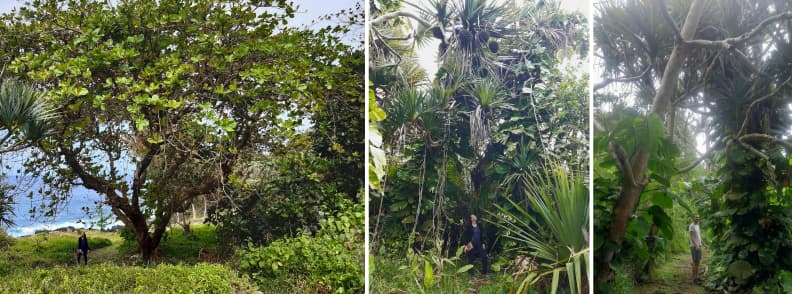
Why Visit the Windward Coast Reunion?
Many people come to La Réunion for beaches, then they stay in their comfort zone and miss the side that explains the island. The Windward Coast gives you waterfalls, vanilla culture, lava coast drama, and the kind of short hikes that feel like you stepped into a greenhouse. If you want a trip that feels varied without needing long drives across the island every day, the East Coast earns its place.
This coast also suits expats who want weekend plans that don’t revolve around swimming. You can stack a waterfall stop, a market, a vanilla visit, and a coastal viewpoint into one day, then still sleep at home. The East works as both a travel highlight and a repeatable local routine.
How the East Coast compares to the West Coast beaches
The clearest contrast starts with Reunion West Coast beaches. The West sells calm water and easy swims, so you can plan beach time like a fixed appointment. If your dream day looks like sun, a lagoon, and a towel, the West will make you happy fast.
If you are wondering how it compares to the West Coast beaches, the East Coast doesn’t compete on swimming. The lagoon-centric West Coast allows you to build days around safe water access and beach infrastructure. The East Coast instead builds days around movement, viewpoints, river corridors, and food stops.
The fastest way to choose between coasts is to name your priority. If you want swim days, pick the West first. If you want waterfalls, vanilla, rainforest, and lava coast scenery, pick the East first. Most trips work best with both, but the Reunion East vs West Coast debate becomes simple when you stop treating them as interchangeable.
If you are still deciding between wild waterfalls and lagoon beaches, read my complete Reunion West Coast guide before you commit your base. Seeing the full east versus west comparison will help you choose the right side of the island for your travel style and not just follow the crowd.
Reunion Travel Advice: If your group includes strong swimmers and small kids, choose a base on the West Coast and do the East Coast as day trips. If your group hates sitting still, find a base closer to the East Coast and treat the West Coast as a rest day. If you’re short on time, choose one coast for sleeping and stop pretending you’ll see it all.
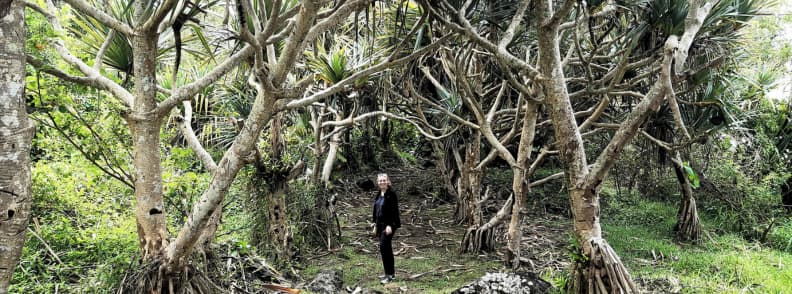
Who will love the East Coast on Reunion Island
First-timers win on the East Coast because it teaches the island fast. You see lava history, rainforest, vanilla culture, and coastal drama in a tight radius. This makes the Reunion East Coast a smart choice when you want your first days to feel varied without overplanning.
Families often do well here because many stops require short effort for a big payoff. You can focus on family-friendly waterfalls in Reunion, where the walk stays short, and the viewpoint feels rewarding. You can also build a day around picnics and quick nature stops without committing to a long hike.
Family Friendly Waterfalls in Reunion: Cascade Niagara in Sainte-Suzanne, Anse des Cascades in Sainte-Rose, Grand Étang first viewpoint, and Bassin la Paix viewpoint in Bras-Panon.
If your family likes walking, the East Coast gives you manageable trails that still feel adventurous. Family friendly hikes on Reunion East Coast work best when you pick one main trail, then add short stops around it. This reduces fatigue and keeps the day calm, especially with kids who melt down right after you park for the fifth time.
Family Friendly Hikes on Reunion East Coast: Grand Étang partial loop, Bébour-Bélouve forest trails near the East, La Cayenne coastal path near Sainte-Rose, and Route des Laves lava flow short walks.
Hikers who love green terrain will feel at home here. The East delivers rainforest hikes Reunion where humidity, mud, and dense plants shape the experience. If you enjoy forests more than summits, this side of the island gives you satisfying routes without needing extreme elevation.
If you want variety in your walking days, focus on East Reunion hiking rather than chasing only famous viewpoints. The best East Coast hikes often feel quiet and local. You get river crossings, wet earth, and those moments where the canopy closes over the trail and you forget you are on an island with beaches.
Photographers should come for mood, not for blue-sky certainty. Reunion waterfall photography looks strongest when you accept changing light and shoot fast when the clouds open. Waterfalls also give you strong composition even on grey days, which makes the East a reliable choice when the weather stays mixed.
Food travelers get a rare mix here, because the East connects agriculture to your plate. Foodies East Coast Reunion can pair a vanilla visit with a proper Creole meal and taste how the island’s ingredients show up in real cooking. This is not dining with a view, it’s flavor with context.
If you care about provenance, the East makes it easy to eat with purpose. The region supports local farm to table Reunion experiences where farms, cooperatives, and small producers sit close to where you sleep. You can buy vanilla, eat Creole food, and still drive back along the coast without making it a whole expedition.
Reunion Vacation Tips: If you travel with kids, build your day around one main stop and two short stops. If you travel for photos, keep microfiber cloths for spray and humidity. If you travel for food, book farm tables by phone and confirm what the booking includes.
How Many Days You Need on the Reunion East Coast
The East Coast rewards short, well-planned days more than long, chaotic ones. You can cover a lot quickly because many highlights sit close to the coastal road. You also lose time fast if you try to stack too many detours, because rain, slow roads, and photo stops add up.
I see three realistic formats that work for travelers and expats. A one-day hit works if you want waterfalls and vanilla with minimal commitment. A two-day loop is good if you want lava coast drama plus forest trails without rushing. A longer stay can be great if you want a slower rhythm and time for markets, temples, and extra hikes.
One day waterfalls and vanilla route
The best one day itinerary for Reunion East Coast waterfalls needs one anchor waterfall, one quick bonus stop, and one vanilla visit. This keeps your day moving without turning it into a parking marathon. It also keeps you calm if clouds roll in, because you still hit the core experiences.
A Reunion East Coast waterfalls and vanilla route pairs a short waterfall stop with a guided vanilla visit. Waterfalls give you scenery and fresh air. Vanilla gives you culture and a small local purchase worth carrying home. Food in between keeps the day enjoyable instead of frantic.
Combining Grand Étang and Cascade Niagara in one day is possible, but you need to choose your version of Grand Étang. If you do the full loop with an extension, you’ll rush the rest. If you do a shorter loop or partial walk, you can still enjoy the forest and keep time for Cascade Niagara later.
The smoothest plan is a vanilla plantation tour combined with East Coast waterfalls, because it handles weather well. If rain hits, you still have the indoor or sheltered vanilla part. If the day stays clear, you get the best light for waterfalls and viewpoints. This is also the easiest format for expats who want a weekend day that ends early enough for a relaxed dinner at home.
Reunion East Coast Day Trip: Start with waterfalls early because trails feel safer before afternoon rain builds. Put vanilla in the middle of the day when light flattens, and showers often start. Keep a spare dry layer in the car, because a humid hike can still feel cold when you stop moving.
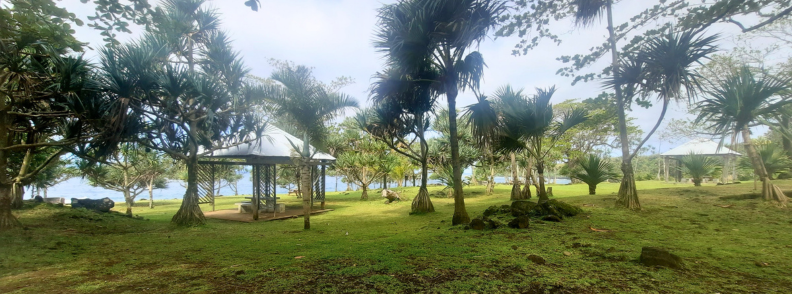
Two day wild coast and lava route
If you want the full East Coast mood, plan two days Reunion East Coast with car and split the coast into two different atmospheres. Day one stays coastal and volcanic. Day two goes greener and higher with forest and lake trails. This is the format I recommend for first-timers who want both lava and rainforest without stress.
For this route to work, you need your own car. Rent a car through DiscoverCars to compare suppliers, insurance, and real reviews in one place before landing. Pick full coverage and a compact model. East Coast roads are narrow and roadside pullouts are rough.
A strong East Reunion 2 day itinerary starts with the coast road and ends with the interior green. You drive the south and coastal viewpoints first, when your energy is high, and you feel curious. You save Grand Étang and forest walking for the second day, when you want a slower pace and fewer stops.
The visual anchor of day one is an East Coast Reunion lava cliffs drive with short walks onto old flows. You don’t need long hikes to understand what lava did here. Pullouts and short walks already show how the island grows in layers, and how vegetation fights its way back.
Day one also works best when you accept the raw ocean and treat it with respect. The lava flows and Wild Coast near Saint Philippe look dramatic because waves hit hard and cliffs drop fast. Stay back from edges, keep kids close, and treat wet basalt as a slip hazard, because it’s not a photo prop.
If you want a simple plan you can follow without thinking, try driving the Route des Laves itinerary and stops. You pick a few named stops, add one picnic or drink stop, then finish with dinner in a town that makes sense for your overnight. This keeps your day coherent instead of scattered.
Reunion East Coast Trip Advice: Confirm dinner and accommodation separately when you book by phone, because some places don’t bundle them. Choose one overnight base that reduces backtracking, then do your second day in a loop back to your main base.
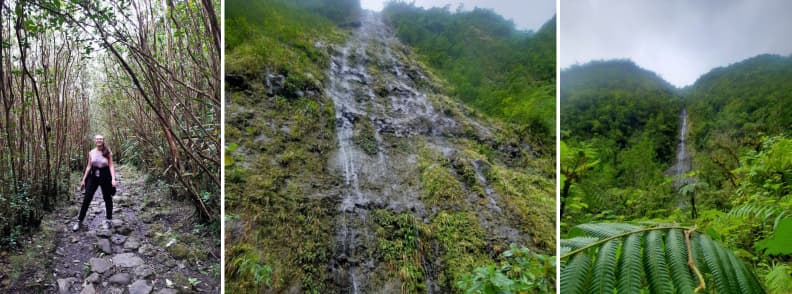
Reunion East Coast Day Trip vs Weekend vs 7 Days
If you only have one day, commit to one coast section and stop trying to do north and south in one run. The best version of a one day itinerary for Reunion East Coast waterfalls focuses on one waterfall zone plus vanilla, not on photographing every named spot.
If you have a weekend, follow the two-day structure, and your trip will feel complete. A solid East Reunion 2 day itinerary gives you lava coast drama on day one and rainforest trails on day two. You’ll return feeling like you saw the East properly, not like you drove through it.
If you have a full week, use the East as a base for variety and don’t fill every day with driving. You can rotate waterfalls, markets, temples, and short hikes, then add one bigger activity like canyoning or a longer forest walk. This suits expats and slow travelers who want repeatable days without a giant checklist.
To pick your format East Coast reunion, decide what you care about most. If you want water and photos, go for one day and keep it tight. If you want lava plus forest plus vanilla, take two days. If you want a lifestyle rhythm with culture and food, stretch it out and stay flexible.
If you want a route built around your travel style, book a personalised La Réunion itinerary with me via Rexby. I design custom plans based on your dates, pace, budget, and interests, waterfalls, food, hiking, family travel, or photography. You get realistic drive times, smart weather backups, accommodation guidance, and a clear daily structure so you stop guessing and start enjoying the island.
East Coast Reunion Tips: For a day trip, pick one town as your turnaround point and respect it. For a weekend, sleep near your day one focus so you do not waste golden hours in traffic. For a week, plan two weather-proof days with vanilla visits and cultural stops so you never lose a day to rain.
Getting Around Reunion East Coast. Car, Bus, and Tours
Getting around the East Coast of Reunion Island decides how much you see and how stressed you feel. The stops look close on a map, but rain, slow roads, and frequent pullouts stretch the day. If you plan transport first, the rest of the itinerary falls into place.
I’ll break down what works for travelers and expats, so you’ll know when a rental car saves your trip, when buses work fine, and when a tour makes more sense than doing it DIY.
Driving the N2 and East Coast roads
If you care about flexibility, visiting Reunion East Coast with rental car is the easiest way to see the highlights without rushing. You stop when the light turns good, you pull over for cliffs and lava flows, and you don’t plan your day around a timetable. This is the best option for first-timers who want waterfalls, vanilla, and coastal scenery in one trip.
Renting a car in La Réunion also protects you from weather changes. When clouds drop or rain hits, you can swap a hike for a vanilla visit, a market, or a quick viewpoint. The East Coast rewards improvisation, and a car gives you that freedom.
If your goal is waterfalls, vanilla, and the lava coast in a short window, rent a car and keep it simple. Book through DiscoverCars so you can compare prices, deposit rules, and insurance options in one place. This is the fastest way to avoid arriving and taking whatever is left.
Most of your East Coast driving happens on the main coastal road, and driving the N2 feels straightforward once you accept its pace. You’ll hit slower vehicles, short town sections, and frequent reasons to stop. Plan fewer stops than you think you can handle, because you’ll stop anyway.
The East Coast delivers strong scenery even from the car, which is why Reunion coastal drives work so well here. You don’t need to hike for every view. Short walks and viewpoints already give you the atmosphere, especially along lava coast sections.
The part most guides skip is timing, and Reunion East Coast logistics will punish overstuffed days. If you plan five major stops plus lunch plus a long hike, you’ll end up cutting something. Build your day around one main activity, then add short stops around it.
Reunion East Coast Safety Tips: Avoid parking on wet grass or mud shoulders after rain, because cars slip when you try to leave. Treat wet basalt near viewpoints as a fall hazard, even if the ground looks flat.
Visiting Reunion East Coast by bus
Yes, you can visit Reunion East Coast by bus Car Jaune, but you need a different style of trip. You’ll see towns and some attractions, but you’ll miss many spontaneous viewpoints and short detours. This works best for travelers who like slow days and don’t mind walking more.
Navigating the East Coast without a rental car means planning around stops that sit close to towns. You build your day around markets, town centers, and a few reachable nature spots. You also accept that some waterfalls and trailheads sit outside easy bus access.
The backbone is the island bus system, and Reunion buses connect key towns along the coast. You can link areas, but you’ll spend time waiting and walking between stops. Pack like you’ll be outside more than you expected, because you will be.
Use public transport as a travel tool, not as a way to chase every attraction. Reunion public transport works better for town-based exploration, temple visits, and simple sightseeing. It works less well for waterfalls that require trailhead access or for lava coast pullouts with no nearby stops.
Before you book accommodation or lock in plans, read my detailed Reunion transportation guide. Understanding real driving times, bus limits, and road conditions will save you hours and prevent costly planning mistakes.
Reunion Public Transport Tips: Take screenshots of timetables and routes before you leave Wi-Fi, because coverage drops in some stretches. Start early, because late-day buses can limit your return options. Choose one town per day, then explore deeply instead of hopping.
Car rentals vs. the Car Jaune network
The decision comes down to control, and car rentals vs Car Jaune network is really a question of how you want to spend your time. If you want sunrise light, quick cliff stops, and flexible timing, a car wins. If you want a slower, town-based trip with fewer moving parts, buses can work.
If you plan on visiting the East Coast without a rental car and rely on the Car Jaune bus network, accept that you’ll trade variety for simplicity. You can still build a strong trip, especially if you focus on culture, food, and a few reachable nature spots. But you won’t get the same density of waterfalls and viewpoints as on a road trip.
Drive times shape the decision more than distance, because Reunion driving times stretch with rain, traffic, and photo stops. A car doesn’t make the island small, but it makes your day predictable. You choose when to leave, where to stop, and how long you stay.
If you want the full picture before deciding, read my complete La Réunion transportation guide. I break down car rentals, buses, driving realities, airport logistics, and what actually works for different travel styles. You’ll get route logic, realistic drive times, cost comparisons, and the mistakes most first-timers make when planning transport on the island.
When a guided tour on Reunion Island makes sense
Tours work best when they unlock places you should not DIY, like waterfall canyoning tours in the Marsouins River. Canyoning requires route knowledge, safety gear, and a guide who reads water levels. This is one of the rare cases where paying for expertise feels like common sense.
If you want a high-adrenaline day, canyoning waterfalls Reunion Island tours give you access to lines and pools you can’t safely reach alone. You also avoid the guesswork around weather, flash floods, and technical sections. That matters on the East Coast, where rain upstream can change conditions fast.
Some hikes also benefit from a guide, especially guided hikes to Bras d’Anette waterfalls Reunion if you plan to push beyond the casual loop. A guide helps with pacing, river crossings, and route choices when the trail gets messy. This can be worth it for first-timers who want the experience without the navigation stress.
If you love geology, a guided experience can also help you understand what you are looking at. Exploring the lava tunnels of the East Coast is a perfect example, because tunnels bring real risk and require proper supervision. A guide turns an East Coast lava tunnel visit from a risky curiosity into a safe, memorable day.
Reunion East Coast Tours Advice: Book canyoning only with licensed guides who check conditions on the day. Avoid tours that promise visits no matter the weather, because water decides the rules here. If you feel unsure about a river crossing or a cliff-edge viewpoint, choose a tour for that day and save your DIY energy for easier stops.
Where to Stay on the East Coast. Authentic Gîtes and Coastal Hideaways
Choosing the right base on the East Coast shapes your entire trip. Distances look short, but rainfall, road rhythm, and stop density change how far you truly want to drive in one day. If you sleep in the wrong town for your plan, you lose your best light and your best energy in the car.
So let’s discuss base strategy and find out who should sleep near waterfalls and vanilla, who should choose lava coast towns, and how transport affects accommodation choices. I’ll also recommend places that you can book with confidence.
Where to stay in Saint Benoît and Bras Panon. Waterfalls vanilla base
If waterfalls and vanilla drive your itinerary, look where to stay in Saint Benoit Reunion. Saint-Benoît sits close to forest trails, river corridors, and Grand Étang. It’s a good base if your mornings begin with hikes rather than long coastal drives.
Is Saint Benoit a good base on Reunion? The answer depends on your priorities. It isn’t a nightlife hub, and it doesn’t offer swimming beaches. It’s a practical, green base for nature-focused days.
Bras Panon works extremely well if vanilla sits high on your list. Staying in Bras Panon Reunion keeps you close to cooperatives and plantations, which makes exploring Bras Panon vanilla easy without backtracking. It also reduces drive time to Grand Etang Saint Benoit if you pair forest and vanilla in one day.
This is where we made our own planning mistake. We booked dinner at Ferme Auberge Eva Annibal and assumed the accommodation was included. My husband called to reserve and confirmed the meal, but not the room. When we arrived, we discovered we had only booked dinner.
We scrambled and found a last-minute room at Pension Cargo in Bras Panon. The listing promised mountain, ocean, and courtyard views. The reality was a damp room without a window and a private bathroom separated by a thin curtain! The saving grace was breakfast. The spread the next morning was generous and well prepared, which softened the frustration. Still, this experience became our East Coast lesson about confirming details.
Booking East Coast Reunion Accommodation: Always confirm whether you are reserving dinner only or dinner plus overnight. Always double-check room type and maybe even bathroom layout. The East has many small properties, and assumptions lead to surprises.
If you want a strategic base for Grand Étang, Takamaka, Cascade Niagara, and the vanilla route, you need something practical, quiet, and well-located.
La Villa Mirabelle in Saint Benoît is one of the strongest choices in the area. It offers private rooms in a garden setting, solid reviews, proper parking, and reliable comfort. The location works well if you are planning early rainforest hikes or long waterfall days because you can reach Grand Étang and the Rivière des Marsouins quickly without backtracking.
In Bras Panon, Les Baies Roses is a smart alternative if you want to stay closer to the vanilla plantations and cooperative visits. It’s well rated, peaceful, and ideal for travelers who prefer a smaller guesthouse atmosphere rather than a full hotel structure. This works especially well if your East Coast focus is waterfalls and vanilla rather than the wild lava south.
Both options suit travelers doing a Reunion East Coast road trip itinerary, and both are realistic bases if you are visiting Reunion East Coast with rental car.
If you are traveling without a car, Saint Benoît gives you slightly better access to Reunion buses and public transport connections than rural Bras Panon.
Reunion East Coast Hotel Tip: Book early during school holidays because East Coast options are limited compared to the West. Always filter for parking included. The rainy season stays feel much easier when you can unload luggage directly outside your room.
Where to Stay in Sainte Rose And Saint Philippe. Lava cliffs and wild coast base
If your focus is the lava coast, search where to stay in Saint Rose Reunion. Sainte-Rose places you near Route des Laves, coastal palm groves, and short ocean walks. It suits travelers who want scenery within minutes of their door.
Further south, Saint Philippe Reunion feels more remote and more intense. It works well for photographers and couples who want quiet evenings and early access to coastal viewpoints.
These towns work as a strong lava cliffs and wild coast base. You reduce backtracking and can enjoy early morning light before day visitors arrive from other regions.
Chambres d’hôtes Le Puits des Français in Saint-Philippe is a reliable option on the east side of the island with strong guest reviews and a quiet setting. It works well for travelers exploring the Reunion East Coast road trip itinerary who want a small-scale stay rather than a large hotel. The guesthouse atmosphere suits couples and independent travelers who plan long driving days and want somewhere peaceful to return to.
Further south, Les Palmiers Sainte Rose restaurant et chambres is a smart base in Sainte Rose if you want to stay close to Notre Dame des Laves and the Route des Laves drive. The added advantage here is the on-site restaurant, which simplifies logistics after a full day on lava roads and coastal viewpoints. This location makes sense for travelers focused on the southeast sector mini-plan and wild-coast exploration.
Both options work best if you are visiting Reunion East Coast with rental car, since public transport in this sector remains limited.
Reunion Accommodation Tip: Stock up on groceries before settling into southern bases because evening options can be limited. Expect stronger winds near the coast and plan accordingly if you use outdoor terraces.
Best Reunion bases on a budget vs. with a car
The decision about best bases on a budget vs with a car changes your entire stay. With a car, you can choose scenic isolation. Without a car, you need bus access and walkable town centers.
Where to stay East Reunion on a tighter budget? Focus on guesthouses rather than larger hotels. Smaller properties often include breakfast and free parking, which adds value.
If you plan the East Coast without a car, choose towns with stronger connections, such as Saint-Benoît or Sainte-Suzanne. Bus access simplifies your daily movement and reduces dependence on taxis.
Travelers relying on the East Coast by bus should avoid the very rural Saint-Philippe unless they accept limited flexibility. Transport works, but spontaneity drops significantly.
If you rent a car, prioritize proximity to your main activities. For waterfalls and vanilla, choose Saint-Benoît or Bras Panon. For lava coast scenery, choose Sainte-Rose or Saint-Philippe. With a car, location matters more than bus lines.
If you want a complete island-wide breakdown, read my detailed La Réunion accommodation guide. I compare regions, budgets, and travel styles so you book once and avoid mid-trip relocations.
East Coast Accommodation Advice: Always check parking availability before booking because some rural roads feel narrow at night. During wetter months, choose properties with easy paved access rather than steep gravel drives.
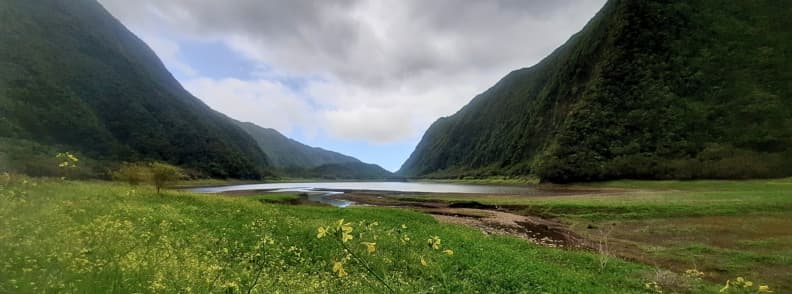
The Grand Étang Hike. Crater Lake and Jungle Trail
Grand Etang Reunion is one of the easiest places for hiking on the East Coast to feel the island’s rainforest energy without committing to a full-day trek. The crater lake sits in thick vegetation, the air feels humid even on cooler days, and the trail gives you that wet-green intensity the East Coast does best.
The Grand Etang hike works because it scales. You can keep it short and still feel satisfied, or you can extend it toward waterfalls if you want a harder day. We did the hike on my birthday and used it as the second-day reset after lava coast driving. It was perfect!
If you are planning how to visit Grand Etang Reunion, think in terms of timing and trail conditions, not only distance. Cloud cover and rain change the experience quickly, and the same loop can feel easy or annoying depending on the mud and river levels.
Is the Grand Etang hike difficult? No, especially if you stay on the main loop and move at a steady pace. The difficulty rises when you add the waterfall extension or when rain turns the ground slick. I found it manageable, but it demanded some attention in muddy sections.
Just how muddy is the Grand Etang Trail? On my walk, the mud stayed manageable, but it still slowed us down and forced careful footing. You should expect damp ground, slippery patches, and humidity that makes you sweat even when the temperature feels mild.
A family hike Grand Etang can be great if you keep expectations realistic. Families do best when they treat it as a forest walk with a lake payoff, not as a mission to reach every extension. If your kids hate mud, you’ll hate it too. Same if they love it too much…
Grand Étang also sits high on the list of rainforest hikes Reunion because the forest atmosphere stays strong even when the sky looks grey. This makes it a good choice for days when the coast feels too windy or too wet.
Grand Étang Hiking Tips: Start early because clouds often build up later. We did it in the afternoon and got caught by the rain. Plan one main loop, then decide on the extension only if everyone still feels strong. Carry a dry layer in the car for the post-hike chill.
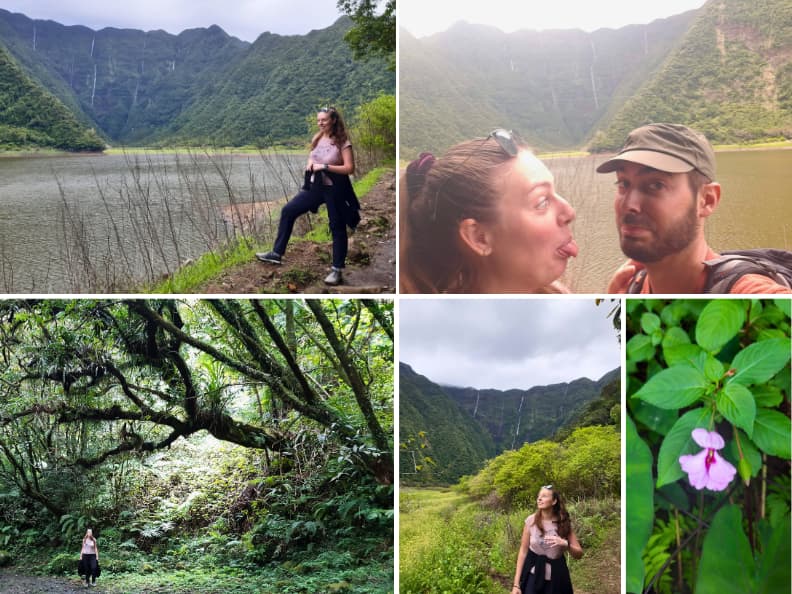
How to reach Grand Étang. parking and access
If you are wondering how to reach Grand Etang, plan it as an inland detour from the East Coast. The road climbs, the air cools, and the scenery shifts from coast to dense green. This transition is part of the experience, so don’t rush it.
Parking and access Grand Etang are straightforward once you arrive because the area has clear trailhead infrastructure. When we visited, we saw information panels at the start that helped us confirm the route and expectations before stepping into the forest. Read them even if you think you know the plan, because conditions change.
This hike is also a good add-on from Grand Etang Saint Benoit bases. If you sleep in Saint-Benoît, you can reach the trailhead without burning half the morning. This matters on the East Coast, where daylight and weather windows feel precious.
Grand Étang Hiking Advice: Arrive early to park easily, especially on weekends. Use the trailhead panels to confirm the loop and any warnings. Keep snacks in the car, because you’ll feel hungrier than expected after humid forest walking.
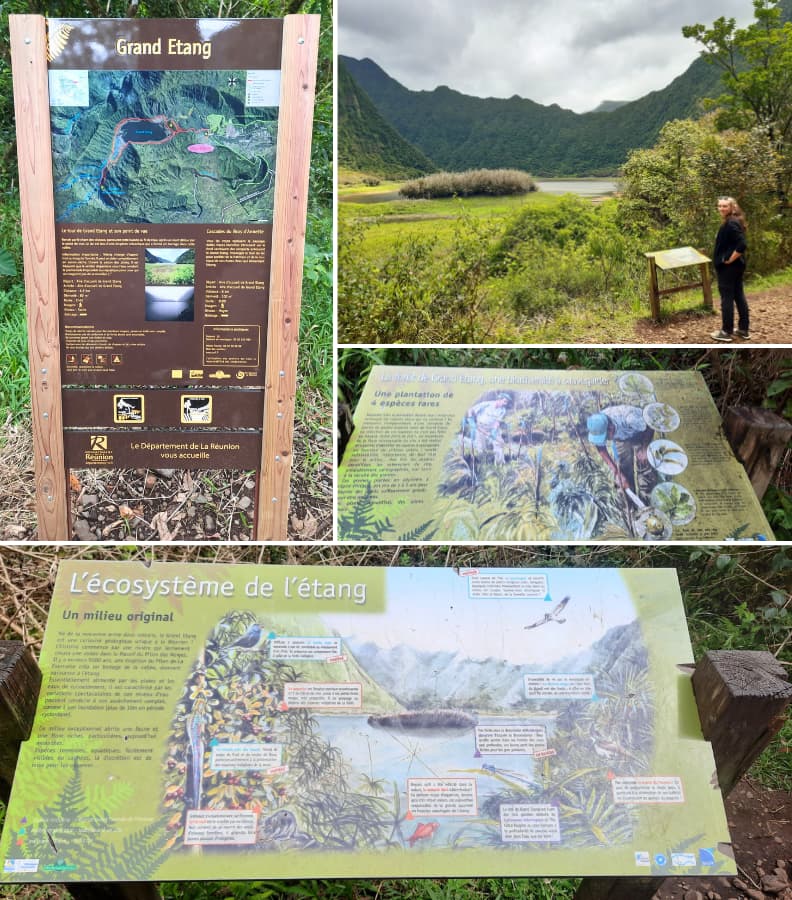
Grand Étang Trail options and difficulty
The main loop of the Grand Étang hike gives you the lake scenery and the rainforest feel without pushing your legs too hard. It suits first-timers who want an East Coast hike that stays realistic. It also suits expats who want a repeatable weekend trail that doesn’t require intense planning. We even saw locals jogging around the lake.
The extension toward Bras d’Anette waterfalls turns the day into a more serious hike. This is where the trail starts feeling longer, wetter, and more physical. We did the extension to Cascade du Bras d’Anette, and the effort felt worth it, but it changed the pace of the whole outing.
If you want the full experience, the Grand Etang hike to Bras d’Anette waterfalls gives you a strong forest-to-water payoff. You move from the calm lake atmosphere into deeper greenery, then you start hearing water before you see it. And the sound becomes your compass.
Grand Étang Trail Tips: Do the loop first, then decide on the extension based on energy and time. Keep your phone in a dry pocket because humidity and light rain happen often. Turn back if you feel the trail getting slick and you can’t keep stable footing.
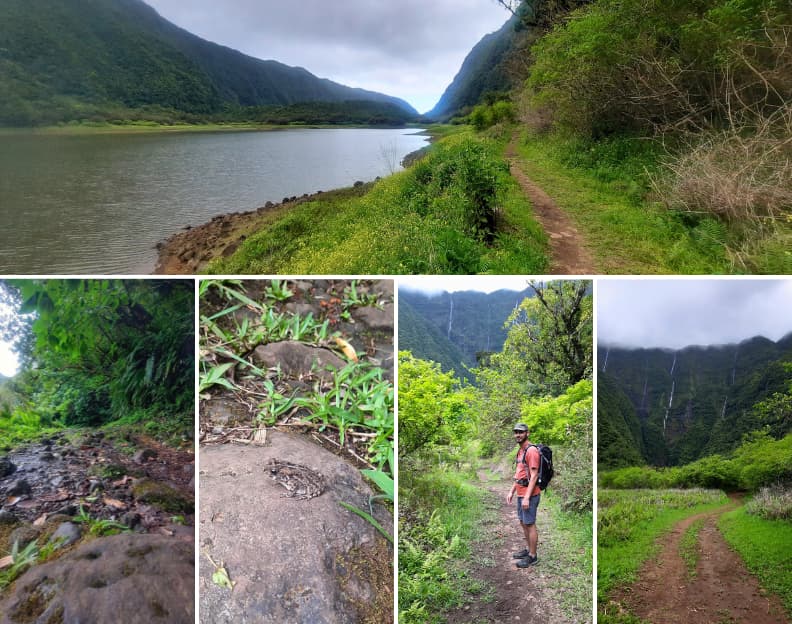
Safety, mud, gear, and kids
The best safety rules at Grand Étang are to respect water and respect mud. Humidity and wet ground wear you down, which increases slip risk. Take short breaks, drink water, and avoid rushing the downhill sections.
What to Wear for Reunion Rainforest Hikes: Prioritise grip and quick-dry layers. I hiked mostly in a T-shirt because the humidity made me sweat, then I added a jacket when we stopped moving. That combination worked better than dressing warm from the start.
Footwear matters more than clothing here. Choose shoes with real tread, not smooth soles. Mud doesn’t just slow you down, it changes how you place every step.
Families should treat this as a forest experience, not a swimming mission. If you’re looking for the safest waterfalls to swim with kids Reunion, the Grand Étang and Cascade de Bras d’Anette don’t fit the bill. Forget about swimming and focus on the trail. You’ll enjoy it more, and you’ll avoid the stress of judging water safety.
Is swimming allowed in Grand Etang Lake Reunion? I’d stay cautious. Even if rules allow it at times, conditions vary, and water safety changes quickly after rain. I didn’t swim, and I recommend treating the lake as scenery vs a pool.
Cascade du Bras d’Annette Waterfalls
The Bras d’Anette Waterfalls or Cascades du Bras d’Anette are the payoff that makes Grand Étang feel like a full adventure instead of a simple lake loop. You trade an easy forest walk for deeper jungle, louder water, and a trail that asks you to pay attention.
Some people mention difficult hiking trails to Bras d’Anette falls, and that depends on conditions and fitness. For example, we had to leap over moving stones and cross a shallow river to access the path to the waterfalls. But when it rains less, that river is just a small stream. The terrain asks for balance and patience, especially when water levels rise or mud deepens.
The key decision here is distance versus safety. You don’t need to reach every last viewpoint for the day to feel successful. Your best trip ends with stable footing and dry socks, not a heroic push for one extra photo.
Bras d’Anette Waterfall Tips: Set a turnaround time before you leave the Grand Étang loop. Turn back early if you feel yourself slipping or rushing. Treat river crossings as a hard stop when water runs fast.
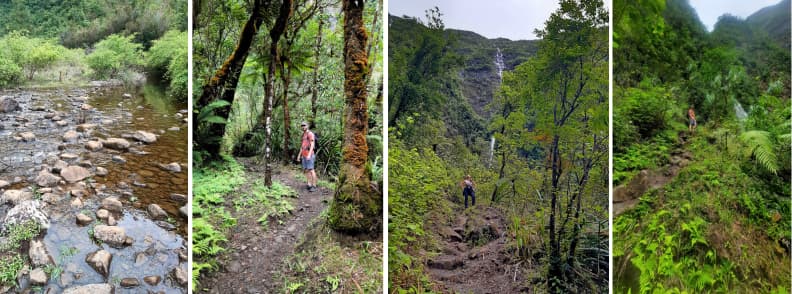
Bras d’Anette Trail description and best season to Hike
A good trail description Bras d’Anette starts with the vibe, damp forest, narrow sections, and more uneven footing the farther you go. You’ll likely cross water early on, and that crossing sets the tone for the rest of the hike. If the water already looks high, the day will not get easier deeper in.
The best time of year to visit Reunion waterfalls is when the falls run strong, but trails stay manageable. After periods of rain, water crossings get riskier, and the mud deepens. In drier stretches, the trail feels easier, but some cascades can look less powerful.
If you want the full extension without stress, consider guided hikes to Bras d’Anette Waterfalls Reunion. A guide helps with pacing, route choices when water rises, and safe decision-making at crossings. This makes sense for first-timers who want the experience but do not want navigation or safety guesswork.
Bras d’Anette Trail Advice: Ask yourself one question at the first river crossing: Do I feel calm right now? If the answer is no, stick to a Grand Étang day and save Bras d’Annette for better conditions.
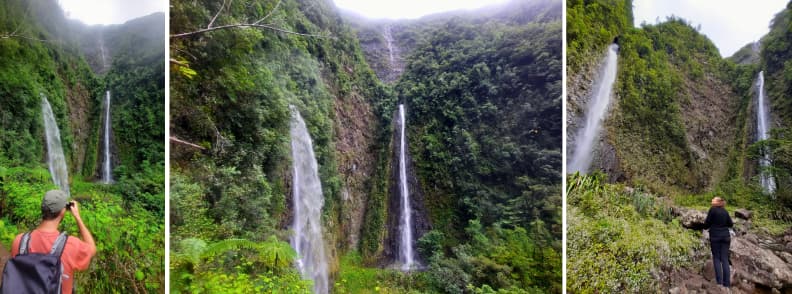
Bras d’Anette Photo spots and when the falls are flowing
If you care about Reunion waterfall photography, the Bras d’Annette cascade gives you movement, texture, and jungle framing. You get mossy rocks, dark pools, and layers of green that make photos look rich even when the sky stays grey. The challenge is keeping your gear dry and your footing stable at the same time.
The best photo spots on Reunion East Coast drive usually sit near roadside pullouts, but the waterfall Bras d’Annette rewards people who walk for it. The forest filters light, so you can shoot longer without harsh glare. You also get fewer people in frame compared to the classic drive-up stops.
Timing matters because when the falls are flowing changes quickly with rainfall. Strong flow looks dramatic, but it can throw more spray and make rocks slick. Lower flow reveals more detail in the rock and greenery, which can look better for close-up shots.
Bras d’Anette Photo Tips: Bring a microfiber cloth in a zip bag for your phone lens. Shoot from stable ground instead of chasing the closest angle. If your shoes start sliding on wet rock, stop photographing and move back to the trail.
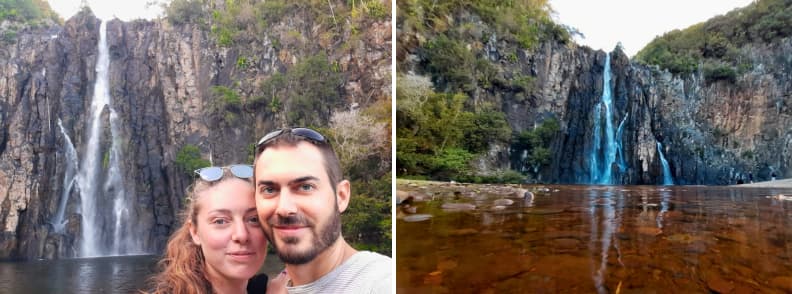
Cascade Niagara in Sainte Suzanne
Cascade Niagara Reunion is the East Coast waterfall I recommend when you want a big payoff with minimal walking. It sits close to town, feels dramatic even in flat light, and works well for first-timers who want one waterfall stop that doesn’t demand a full hiking day.
Locals often treat Niagara Waterfall Reunion as a default stop on the northeast side. I get why. The falls feel powerful, the setting looks lush, and the visit stays simple once you reach the parking area.
This is also one of the easiest East Coast waterfall stops to pair with other plans. If you are doing vanilla in Bras Panon or heading toward coastal heritage in Sainte-Suzanne, you can slot Cascade Niagara into the day without wrecking your timing.
Cascade Niagara Tips: Visit Cascade Niagara early if you want calm parking and cleaner light. Pack a small snack because the stop feels short, but you’ll linger longer than expected once you hear the water.
Sainte Suzanne waterfall directions, GPS, and parking
Sainte Suzanne waterfall access can feel confusing on the drive in. You’ll spend stretches with few signs, and the road narrows into countryside scenery fast. This makes the approach feel more remote than it truly is.
How to get to Cascade Niagara Sainte Suzanne? Rely on your GPS and keep your nerve. We drove through overgrown sugarcane fields for a while with no signs, and we genuinely thought we had missed a turn. The landscape looked like we had wandered into somebody’s working farmland, not a tourist attraction.
At one point, we crossed a bridge and found ourselves extremely close to the water. We started wondering if the road would be submerged further, because a couple of cars that looked higher than ours backed up. That moment makes you second-guess everything, especially if you drive a small vehicle.
We kept driving, partly because turning around felt impossible. The track stayed narrow, there was barely space for two cars to pass, and there was no realistic place to turn. After a few minutes, the feeling shifted from cautious to mildly trapped, so we committed and continued until the route opened up.
Once you arrive, parking and access for Cascade Niagara Reunion feel much easier than the approach suggests. The waterfall area has a clear stopping point, and the visit becomes straightforward. The confusing part is the last stretch of road, not the site itself.
Cascade Niagara Reunion Driving Tips: Drive slowly on the final approach and stay patient when you meet oncoming cars. Avoid arriving right after heavy rain because low water crossings can look intimidating. Keep your GPS running even when you feel lost, because signage can be sparse in the sugarcane stretches.
Cascade Niagara swimming, safety, and picnic tips
Can you swim at Cascade Niagara Reunion? The water looks inviting, and you’ll see swimmers and picnic groups, especially on warm days. Still, you should decide based on conditions, not on what others do.
Cascade Niagara can work as a swimming waterfall Reunion stop, but you need caution. Water depth and current change with rainfall upstream, and rock surfaces stay slippery even when the weather looks calm. If the water looks brown or fast, skip the swim.
Swimming Safety in Reunion East Coast Basins: Rain can raise levels quickly, and currents feel stronger than they look from the bank. Approach East Coast basins with a conservative mindset, because the cost of getting it wrong is high.
If you are hunting waterfall swimming spots Reunion, treat this one as a supervised, conditions-dependent option. It’s not a controlled pool, and it doesn’t behave like a lagoon. Enter slowly, avoid jumping, and keep kids within arm’s reach.
Cascade Niagara Reunion Advice: Bring river shoes if you plan to enter the water, because basalt and river stones shred feet fast. Don’t swim after heavy rain, even if the sky clears. Picnic away from the slick rock edges, because falls can happen during snack breaks.
When to go to avoid crowds at Cascade Niagara Reunion
If you care about photos and calm, plan for avoiding crowds at Cascade Niagara Reunion. This waterfall attracts locals and visitors because it is easy to reach. The best moments come before the picnic crowd settles in.
Morning visits feel quieter and more relaxed. You park faster, you get cleaner viewpoints, and you avoid the noise that builds as groups arrive. Late afternoon can also work, but only if you accept the chance of more people.
How much time for Cascade Niagara visit? For most travelers, 30 to 60 minutes covers it comfortably if you don’t swim. If you picnic or swim, you can easily stretch it to two hours without feeling rushed.
Visit Cascade Niagara Tips: Visit early on weekends because locals use the area as a social stop. If you want photos, shoot first, then sit down. If you arrive and it feels packed, treat it as a quick look and move on. The East Coast offers plenty of quieter nature stops.
East-Side White Water Picks. Rivière des Marsouins and Takamaka Corridor
If the coast gives you drama, the rivers give you power. The East Coast channels rain into fast corridors, which creates bigger flows, deeper gorges, and a different kind of thrill than the drive-up waterfalls. This is the side of La Réunion where water shapes the landscape with raw strength.
There are two names you’ll hear again and again when locals talk about “real water” in the East. One is a river that supports adventure sports and canyoning routes. The other is a valley system famous for extreme rainfall and spectacular viewpoints.
The Rivière des Marsouins
Riviere des Marsouins runs through some of the most active water terrain on the East Coast. It sits near areas that feel lush and steep, and it supports experiences you can’t replicate on the drier west side. When people talk about East Coast white water, this river sits near the top of the list.
The main draw for travelers is the adrenaline highs from rafting and kayaking the Rivière des Marsouins with professionals. These activities give you a controlled way to experience the river’s power without improvising your own risky plan. They also work well for expats, because you can do them as a day activity without needing a full road trip.
For stronger thrills, waterfall canyoning tours in the Marsouins River unlock routes that require skills and gear. Canyoning adds rope work, jumps, and water channels that demand local knowledge. This is one of the few East Coast experiences where I tell people to stop trying to DIY.
Safety matters more here than anywhere else on your East Coast plan. Water levels change fast, flash floods happen, and slippery rock makes small mistakes expensive. The right guide checks conditions, chooses the right route, and turns back when the river says no.
Rivière des Marsouins Tips: Book experiences with licensed canyoning operators who confirm conditions on the day. Avoid anyone who promises a fixed route regardless of the weather. Bring a dry change of clothes and a towel for the car, because you’ll finish soaked.
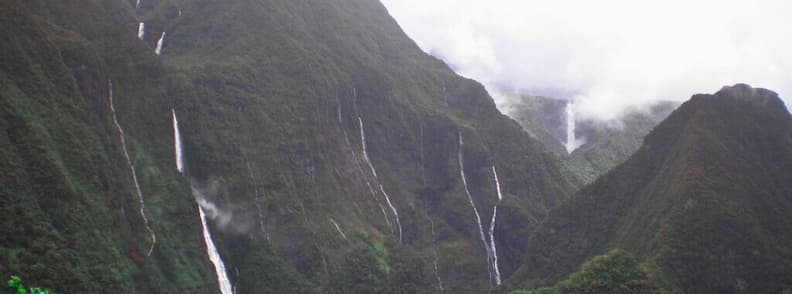
Takamaka Valley, the Rainfall Record Breaker
Takamaka Valley feels like the East Coast turned the water dial to maximum. The terrain drops into steep corridors, the vegetation looks denser, and the whole area carries a damp intensity that makes you understand why waterfalls dominate this side of the island.
Takamaka Waterfalls Reunion is a whole system of cascades and viewpoints rather than one single spot. This is a corridor experience, where you go for the scale, the depth, and the sense of standing above a landscape shaped by constant rain.
If you want strong content for your camera, you need a plan, which is why a photography guide for Takamaka Valley views matters:
- Arrive early when cloud build-up is lighter and the wind is calmer. Midday often brings thicker mist that flattens the valley. Late afternoon can work if the rain has cleared and light breaks through gaps in the clouds.
- Position yourself above the valley rather than inside it. The most powerful compositions come from elevated viewpoints where you can layer foreground vegetation, mid-ground cliffs, and background waterfalls. Flat valley-floor angles rarely show the scale that makes Takamaka impressive.
- Use movement to your advantage instead of fighting it. Water looks best when you slightly slow your shutter to show flow without turning everything into a white blur. You don’t need extreme long exposure. A subtle motion effect keeps the texture in the rock.
- Protect your gear from humidity before it fogs. Keep your camera in your bag when moving between temperature zones. Let it adjust slowly to the outside air. Wipe lenses frequently because spray and mist build up faster than you notice.
- Don’t wait for perfect blue sky. Takamaka often looks stronger under heavy clouds. Moody contrast between dark rock and white water creates depth. Clear skies can make the valley look flat.
- Stay patient when the valley disappears behind mist. Cloud banks move fast here. Instead of leaving immediately, wait ten to fifteen minutes. Breaks often open suddenly and give you dramatic light for a short window.
This is a high-value area for Reunion waterfall photography because you get layers. You can frame cliffs, river lines, and distant cascades in one shot. You can also shoot moody scenes on grey days without needing blue sky for the image to work.
Takamaka Waterfalls Reunion Tips: Check the rainfall the day before you go. If it rained upstream, waterfalls will look stronger, but roads and pullouts may be slick. Drive slowly and avoid stopping on narrow shoulders.
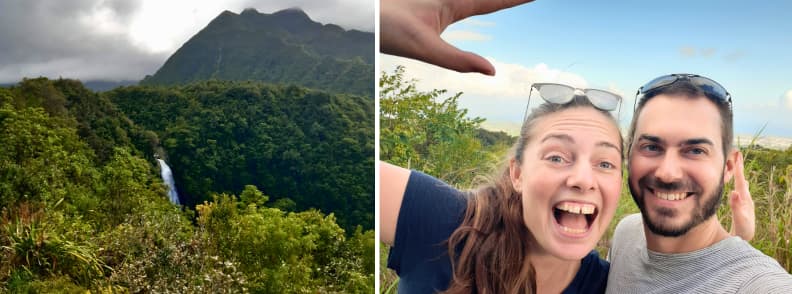
Other East Coast Waterfalls and Natural Pools
Once you cover the headline stops, Reunion East Coast gets more interesting in smaller places. These are the basins locals use for a quick nature fix, the cascades you can add without wrecking your schedule, and the canyoning zones where a guide turns a risky idea into a safe day.
This will help you choose what to add and what to skip. Some spots work as quick detours with minimal effort. Others look tempting on a map but demand local knowledge and careful timing.
Bassin la Paix and Bassin la Mer. The secret canyons of Bras Panon
Bassin la Paix Reunion offers a canyon feel that surprises first-timers. You get steep walls, dense vegetation, and a sense of being below ground level, even though you are still close to town. This makes it a strong add-on when you sleep in Bras Panon or Saint-Benoît.
Nearby, Bassin la Mer Reunion sits deeper in the same watery world and often feels wilder. The paths can be slick and uneven, so this is not a flip-flop stop. It suits travelers who enjoy short hikes with a payoff that looks like a hidden corridor.
Both spots belong in any conversation about natural pools Reunion Island. They show the East Coast style of water landscape, narrow, green, and shaded. They also illustrate why East Coast basins change fast after rain.
If you search for swimming waterfalls Reunion Island, these basins will often appear in those lists. Still, swimming depends on conditions, not on popularity. Water levels rise quickly after rainfall, currents hide under calm surfaces, and wet rock makes exits harder than entries.
Reunion Basins Safety Tips: Go early for calmer water and fewer people. Wear shoes with grip, because polished rock feels slippery even when dry. If you travel with kids, treat the basins as viewpoint stops first and swimming stops only when conditions look calm, and locals confirm it’s safe.
Voile de la Mariée and the Salazie connection
Voile de la Mariée Reunion sits outside the strict East Coast strip, but it pairs well with an East Coast plan. The drive links naturally if you want a day that shifts from coast to mountain valley. This works well for travelers who want variety without changing hotels.
The practical reason to include it is the Salazie connection. Salazie pulls you into a different kind of green, deeper valleys, stronger roadside waterfalls, and a cooler feel. If the coast feels too windy or too wet, Salazie can still deliver impressive scenery.
Many travelers also visit Cascade Blanche Reunion or Cascade de Ravine Blanche when they connect East Coast stops with Salazie. It’s one of the classic waterfall names people chase on the island. If you are already in the area, it makes sense to group these valley falls into one coherent day.
East Coast Salazie Connection Tips: Combine Salazie with East Coast stops only if you start early, because mountain drives slow down fast. Choose fewer stops and stay longer at each one, because constant driving kills the mood. Pack a light layer, because Salazie can feel cooler than the coast.
Canyoning on Rivière des Roches
Riviere des Roches Reunion is a name you’ll hear when people talk about canyoning on the East side. It sits in the same wet geography that produces deep corridors and fast water. This makes it a serious zone, not a casual river walk!
If you want the thrill of canyoning waterfalls Reunion Island, this is where a guided day earns its cost. Canyoning involves route choice, water reading, and safety systems that travelers shouldn’t improvise. A guide also adapts plans based on rainfall and flow.
Treat canyoning as a weather-dependent activity, not as a guaranteed booking. East Coast water can rise quickly, and cancellations happen for good reasons. The best operators cancel early when conditions aren’t safe, and that should increase your trust, not decrease it.
Vanilla on Reunion Island. What Makes It Special
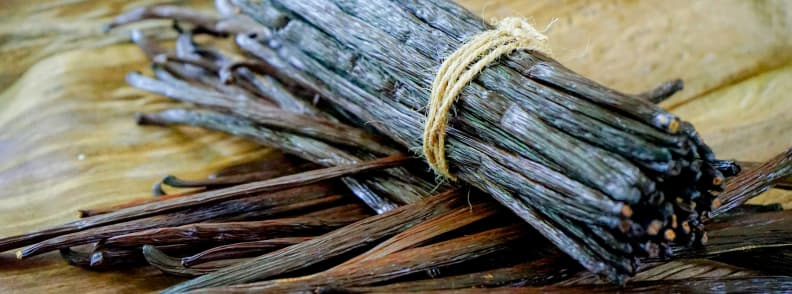
Vanilla is not a side story on the East Coast, it’s one of the reasons to go. You can see waterfalls kind of anywhere on La Réunion, but the East Coast is where vanilla culture is close to the road and tied to daily life. When we visited Bras Panon, we watched people leave with serious purchases, cookbooks, powder, pods, and even orchids, because vanilla here is a point of pride.
This section of my Reunion East Coast guide helps you understand what you are buying and what you are tasting. If you want a vanilla tour that feels meaningful, you need a little context. You’ll enjoy the visit more, and you’ll avoid paying premium prices for average pods.
A short history of Reunion vanilla
Reunion vanilla means Bourbon vanilla grown in the Indian Ocean region. On La Réunion, vanilla sits at the center of local agriculture and culinary identity, especially on the East Coast, where humidity supports the plant. You taste it in desserts, rum, and sometimes even in savory dishes.
The label Bourbon vanilla Reunion confuses travelers because it sounds like alcohol. It actually refers to a historical region name tied to the islands, and not to bourbon whiskey. This matters when you shop, because sellers often use the term to signal a specific aromatic profile and origin.
A quick look at Bourbon vanilla history explains why the East Coast owns this story. Vanilla production developed here under specific climate conditions, and the skills needed for pollination and curing became part of local know-how. When you visit farms and cooperatives, you’re seeing an industry built on patient manual work.
What is special about Bourbon vanilla? Bourbon vanilla tends to taste warm and rounded, with a strong vanilla smell that holds up in cooking. The curing methods and the slow development of flavor matter as much as the plant itself.
The Legend of Edmond Albius. A revolution in vanilla pollination
Edmond Albius sits at the center of vanilla’s story on La Réunion. He is known for developing a hand pollination method that transformed vanilla cultivation. Without manual pollination, vanilla production stays limited because the plant doesn’t naturally pollinate easily in many places.
When you start learning about Edmond Albius and vanilla history, the East Coast stops feeling like a simple road trip. It becomes a working landscape shaped by agriculture, labor, and invention. This context makes a vanilla visit feel deeper than a shop stop.
Hand pollinating vanilla Reunion still defines the industry today. Pollination requires timing, careful movement, and consistency. This is why vanilla stays expensive, because the work stays manual, and it cannot be rushed.
Vanilla Tour Reunion Tip: On a tour, ask to see how pollination works, even as a demonstration. It’s the moment when you understand why authentic pods cost what they cost. If a tour skips this explanation, it’s more of a shop funnel than a learning visit.
How vanilla is grown, harvested, and cured
If you want to shop smart, you need to know how vanilla is grown and cured in Reunion. Vanilla grows as an orchid vine and needs support, shade, and humidity. Farmers manage the vines carefully, then harvest at the right stage so the curing process can develop flavor.
A good tour often includes a vanilla hand pollination demonstration Reunion plantation because it explains the labor behind each pod. Even a short demonstration makes the process concrete. You see how gentle, quick, and precise the gesture is, and you understand why quality depends on skill as much as climate.
The curing process turns the green pods into fragrant vanilla, and that takes time. Drying, resting, and conditioning shape the final aroma. This is why authentic vanilla smells complex, not flat.
When you visit a vanilla plantation Reunion, pay attention to how they talk about curing and storage. Serious producers explain moisture level, packaging, and how to keep pods from drying out or molding. That advice matters more than any marketing story, because it protects your purchase once you fly home.
Vanilla Shopping Tips: Look for pods that feel supple and smell strong through the packaging. Avoid brittle pods, because they’re already drying out. Store pods airtight at room temperature, never in the fridge, and keep them out of direct sun.
Visiting Cooperative Pro Vanille in Bras Panon
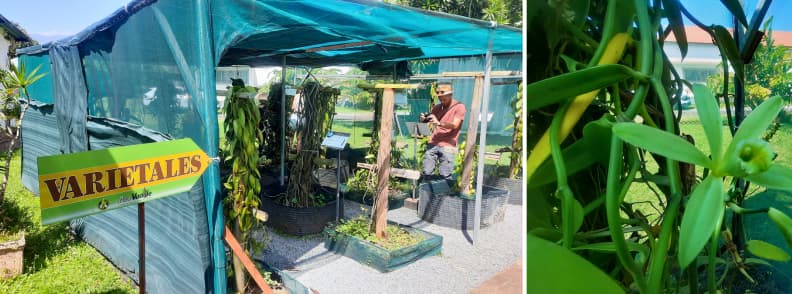
If you want a vanilla visit that feels legitimate, put Cooperative Pro Vanille on your East Coast plan. I went on my birthday, in the morning, and it felt like the right kind of stop before a muddy hike. I watched people leave with serious purchases, and I left with two cookbooks (one for us, one for my parents), plus vanilla powder in a glass tube.
Provanille Reunion isn’t a cute boutique for tourists. It’s a working cooperative with real producers behind it. You feel the difference in how the visit explains the process before it sells you anything.
This is also the easiest place to combine learning and shopping without wasting time driving between tiny plantations. You get the story, the demonstrations, and the store in one stop, which makes it perfect for a waterfalls plus vanilla day.
Reunion Travel Tip: Visit Pro Vanille early, then hit your hike or waterfall after. Your car will smell like vanilla, and you’ll feel like you learned something before you start spending money.
Reunion Vanilla Tours, opening hours, and what to expect
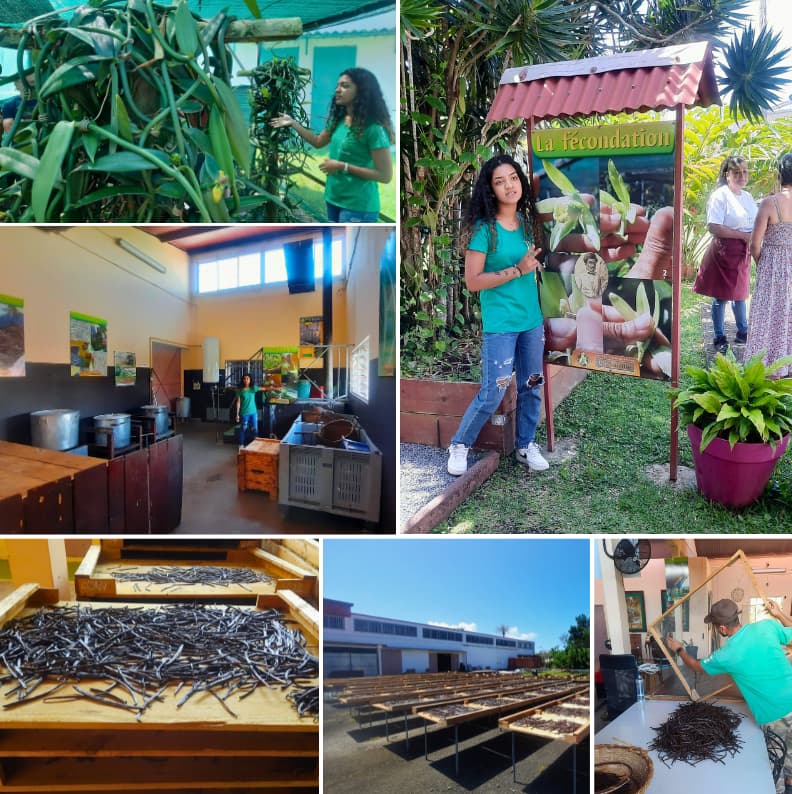
Pro Vanille Cooperative sits right off the RN2 in Bras Panon, which makes it easy to add to a Reunion East Coast road trip day. The setting feels calm and green, with gardens and workshop areas that make the visit feel structured, not rushed.
Pro Vanille Cooperative Opening Hours: The vanilla cooperative lists daily opening hours in two blocks, from 8:30 am to 12:00 pm and from 1:30 to 5:00 pm. A visit to the vanilla cooperative Bras Panon takes about one to two hours, including shopping. You do the guided visit first, then you browse the store with context in your head instead of guessing.
A vanilla cooperative tour in Bras Panon Reunion usually includes a visit to the gardens to see the pods and learn about hand pollination, followed by a look at the process with sorting, drying, and storage, and ending with a shop visit.
Reunion East Coast Tips: If you only have one East Coast day, book your hike for later and do Pro Vanille first. You’ll avoid rushing, and you’ll shop with a clear head instead of grabbing random pods at a roadside stall.
How to Buy and Store Authentic Vanilla. A Connoisseur’s Guide
Where to buy real Reunion vanilla beans? The safest answer for first-timers is the Cooperative Pro Vanille, because it reduces the risk of paying premium prices for average pods.
Where to buy Reunion Bourbon vanilla pods? The Pro Vanille Cooperative store gives you clear categories and packaging rather than mystery bundles. Their own shop listings show different pod lengths and grades, which helps you match price to quality.
Buying Reunion vanilla at Cooperative Pro Vanille works well for travelers who want confidence. You see the process, then you buy from the same place. That continuity lowers the chance you get home and realize your pods smell weak.
If you came specifically for shopping, buying vanilla beans at Bras Panon Cooperative also saves time compared to hopping between small plantations. You can still visit a smaller farm later, but this stop covers the essentials.
Many people fixate on authentic Reunion vanilla price, so let’s talk numbers. At Pro Vanille, standard pods sized 14 to 16 cm range from €10.50 to €32.00 depending on quantity and packaging. A glass tube with 3 Standard pods costs €12.00. Vanilla powder sells for €17.00. Vanilla elixir costs €16.00. Food-grade vanilla extract is €22.00. These prices reflect cooperative quality and traceable sourcing.
Where to buy Reunion vanilla? Start at Cooperative Pro Vanille in Bras Panon, then compare at real markets like Marché de Saint-Paul and Marché de Saint-Pierre. At Pro Vanille, you get traceability, clear grading, and fixed prices. At Saint-Paul Market, especially on Friday and Saturday mornings, you’ll find multiple vanilla vendors and can compare aroma and moisture side by side. Saint-Pierre Market in the south also has reputable spice stalls, but quality varies more from vendor to vendor.
You can also check specialist shops in Saint-Denis and Saint-Gilles that focus on local products, but markets require sharper judgment. At a cooperative store, the staff explains curing and storage. At markets, you need to ask questions yourself and inspect carefully. Buy where the seller explains storage clearly and sells pods that feel supple, not brittle. A good shop will guide you on how to keep vanilla usable after you fly home.
What to buy Vanilla in Reunion and how to choose quality beans
When you shop, focus on vanilla pods that look glossy and feel flexible through the packaging. Dry pods often snap or feel stiff, and they lose aroma fast. Longer pods can cost more, but length alone doesn’t guarantee quality.
Use simple quality cues that travel well in your memory. Strong smell through the pack, supple texture, and consistent color signal good curing. Avoid packs that look dusty, overly dry, or poorly sealed.
If you want to level up, remember that you are buying authentic vanilla beans for cooking, not for Instagram. Choose the product type that matches your goal: pods for infusions and baking, powder for easy use, and extract if you want convenience.
A cooperative visit also helps you understand what a Bourbon vanilla plantation process looks like in real life. Once you see how manual the work is, you stop chasing cheap deals that don’t make sense.
Reunion Vanilla Shopping Tips: Buy small quantities of two different grades instead of one big pack. You’ll learn what you like, and you won’t panic about storage mistakes.
Tips for storing and using Reunion vanilla at home
- Store vanilla pods airtight at room temperature in a dark cupboard. Keep them away from heat sources and direct sunlight.
- Don’t refrigerate pods. Fridges add moisture swings, which increase the chance of mold. A sealed glass tube or an airtight bag in a cupboard works better.
- Split your pods into two containers. Use one container often, and keep the second sealed as backup so it stays aromatic longer.
- If you buy vanilla as gifts, follow basic vanilla gift rules for travel. Keep products sealed in original packaging, protect glass tubes in clothing, and avoid buying anything that requires special plant transport paperwork unless you want hassle at the airport.
Other Reunion Vanilla Farms and Tastings
After Cooperative Pro Vanille, you can add one smaller visit so you see a different side of the craft. The cooperative feels structured and efficient, but a farm or atelier visit feels slower and more personal, and it often answers the questions you forget to ask in a group tour.
If you only choose one extra vanilla stop, choose the one that matches your itinerary direction. North and East pair well with Saint-André and Sainte-Suzanne. South and wild coast pair well with Saint-Philippe.
Visiting Plantation Roulof, a multi generational legacy
Plantation Roulof is one of the most straightforward vanilla visits near Saint-André, with a guided tour and a clear process focus. It’s a family operation and a visit that covers pollination, harvest, and workshop steps, with a shop at the end.
This is a vanilla plantation Saint-André experience without spending half your day driving. Visits run at set times and the price stays low, which makes it easy to justify even on a tight itinerary.
For many first-timers, this is the best vanilla plantation to visit in Reunion because it is simple, didactic, and easy to combine with other East Coast stops. You can do the visit, buy pods or powder, and still keep your day open for a waterfall or market.
Visit Plantation Roulof Tips: Book ahead when possible because the tours are timed. Ask to see the workshop, not only the vines, because that is where you understand what you are paying for.
Escale Bleue and the Blue Vanilla innovation in Saint-Philippe
Escale Bleue Saint-Philippe works best when you are already doing the Wild South and lava coast. Located at Le Tremblet between Saint-Philippe and Sainte-Rose, it makes a clean add-on to a Route des Laves day.
They built their reputation on the blue vanilla innovation, which changes how the pod is cured and used. Unlike traditional Bourbon vanilla that is dried until dark brown and leathery, Vanille Bleue is harvested and prepared in a way that keeps the pod softer, fresher, and more humid. The curing process is adjusted so the entire pod remains edible, not only the seeds inside. This means you can slice and use the whole pod without scraping and discarding the skin.
The texture and aroma are different from classic cured vanilla. Vanille Bleue feels plumper, slightly more vegetal, and intensely aromatic when fresh. It works well in both desserts and savory cooking because it releases flavor quickly without long infusion time.
This isn’t a marketing gimmick, it’s a technical choice in processing. The innovation focuses on moisture control and shorter maturation compared to traditional long curing cycles. The result is a pod that behaves differently in the kitchen and commands a higher price.
Blue Vanilla Shopping Tip: If you buy Vanille Bleue, ask how to store it because its higher moisture means you need airtight packaging and stable temperature. Use it sooner rather than saving it for years like classic dried pods.
If you want a visit that feels different from the cooperative, this is it. The shop and guided tours run Monday to Saturday from 09:30 to 17:30, so you can plan it as a morning stop before coastal viewpoints.
If you like the idea of forest-grown vanilla tours in the Wild South, use Escale Bleue as your anchor and add a short coastal stop right after. The flow works because you go from learning indoors to sea views outdoors without wasting drive time.
Visit Escale Bleue Advice: Go early to avoid feeling rushed. Ask what makes Vanille Bleue different in use vs story. Buy one small item first, then decide if you want a bigger splurge.
Other smaller plantations and vanilleraies around Bras Panon and Sainte Suzanne
If you want another option close to the North East, La Vanilleraie Reunion in Sainte-Suzanne runs guided visits and keeps the shop open most days. Guided visits cover the plant, the transformation process, and Edmond Albius, plus a short film and an on-site boutique.
This type of stop fits travelers searching for a vanilla farm Reunion experience without going deep into remote roads. It’s also useful for expats who want a half-day outing that pairs well with Cascade Niagara or a coastal walk.
If you want a lighter experience, look for tours with vanilla tasting Reunion rather than a full plantation walk. Tastings work well when rain hits, because you still learn and sample without dealing with muddy trails.
Some travelers prefer a curated vanilla experience Reunion with demonstrations, film, and a structured shop. That is exactly what the Vanilleraie format offers, and it often feels more predictable than tiny farms that only open on request.
If you want a smaller plantation vibe outside the big names, check producers like Plantation Vanilla Bourbon in Sainte-Rose that present vanilla grown in forest settings. Their own site frames it as an immersion in vanilla cultivation in a protected forest area.
Vanilla Visits Reunion: For small farms, call ahead and ask two things, tour language and tour duration.
Vanilla ice cream, rum, and desserts to try
If you want edible proof of vanilla quality, start with vanilla ice cream and choose a place that uses real pods, not only flavoring. Vanilla ice cream should taste round and aromatic, not sugary and flat. Ask the seller if they use gousses or extract, because the answer tells you a lot.
For drinks, the easiest way to explore the island style is rum tasting with a focus on vanilla and fruit macerations. If you don’t drink alcohol, you can still enjoy the vanilla side through desserts and non-alcoholic syrups.
Looking for the best places to buy vanilla-infused rum in Reunion? Go where the selection is consistent and traceable. La Saga du Rhum at the Isautier distillery in Saint-Pierre ends with tastings and a boutique stocked with arranged rums and local products.
If you want a simple retail stop without a museum visit, Rhum Mamzel in Saint-Gilles-les-Bains is a rhum arrangé shop with tastings and a strong reputation. It’s convenient if your accommodation is on the West Coast.
If you are on the East side and want an industrial heritage angle, the Savanna and Bois Rouge site offers a boutique called Tafia and Galabé as part of the visitor experience. It’s useful if you want sugarcane context with your purchase.
For vanilla desserts, keep your eyes open for savory vanilla too. On the East Coast, vanilla shows up in sauces and meat dishes as an aftertaste rather than a sugar hit, and that is often the most interesting way to taste it.
Reunion Shopping Tip: Buy one small bottle of arranged rum first, taste it at your accommodation, then commit to bigger bottles. If you fly with vanilla pods, keep them sealed and protected from crushing. If you plan gifts, mix formats, pods for cooks, powder for convenience, and extract for people who bake rarely.
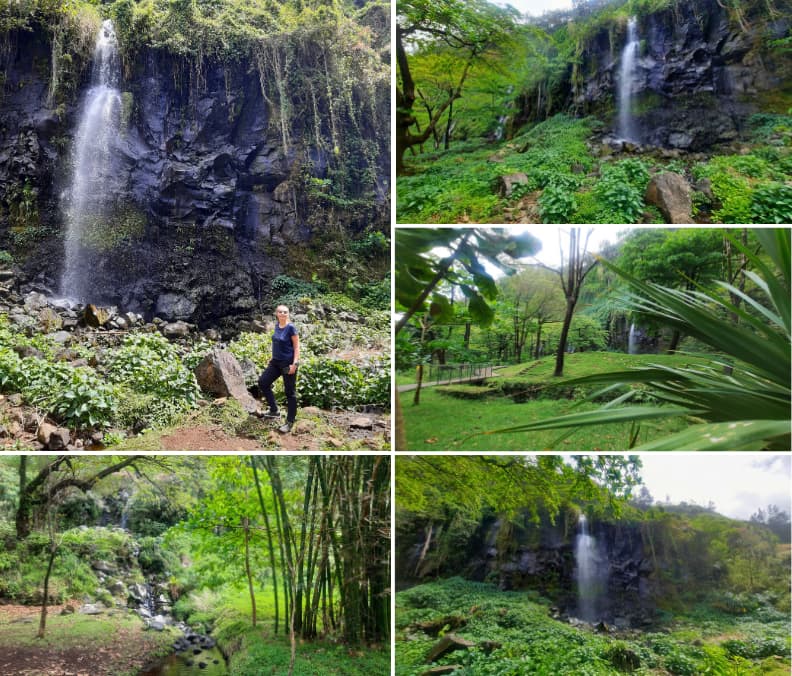
Anse des Cascades and the Coastal Palm Grove
Anse des Cascades is the East Coast stop I recommend when you want maximum impact with minimal effort. It feels like a coastal park built for locals, not a viewpoint designed for tourists. You get palm shade, picnic tables, small cascades, and ocean views.
We stopped here to see the waterfalls and then ended up walking under the tall palms in the park and having a drink by the water. So we stayed much longer than planned. The place invites slow time. You can stretch your legs, watch the waves, and reset after driving the lava coast.
This is also one of the easiest stops to slot into a road trip day. It works as a snack break, a picnic base, or a quick photo stop, and it still feels like a full East Coast experience.
Reunion Travel Tip: Add Anse des Cascades on any day that includes Saint-Rose or Route des Laves. It gives you a calm pause without adding hike fatigue.
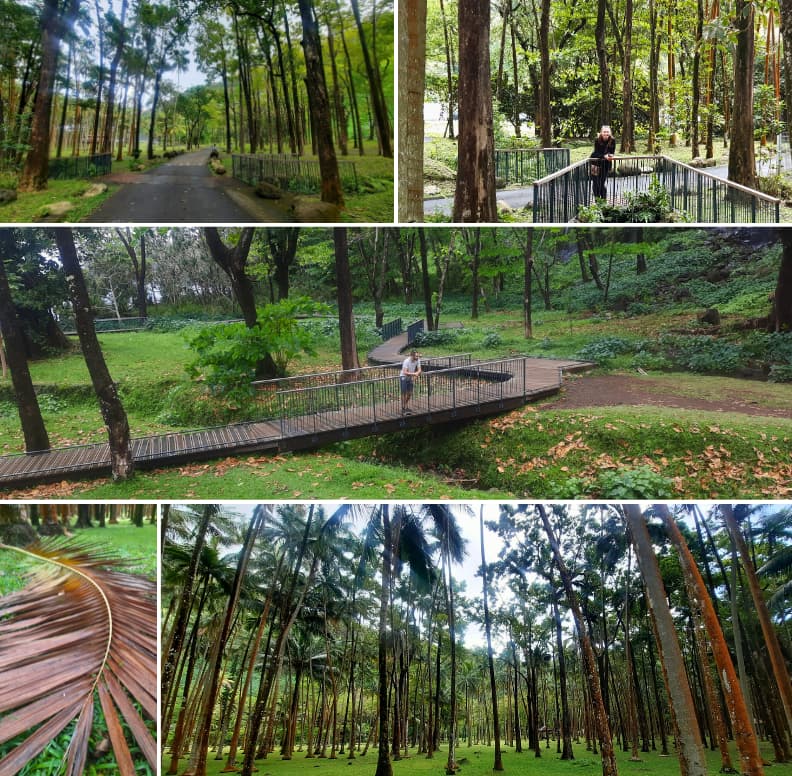
Walks, picnic areas, and facilities
If you are wondering how to visit Anse des Cascades Reunion, treat it like a local picnic area with a short wander built in. You arrive, you find a table or a quiet spot, then you walk the paths at your own pace.
The best way to enjoy it is to plan a simple meal stop. There are plenty of picnic spots near Anse des Cascades Reunion, and the vibe suits casual food, fruit, and snacks. You’ll see families and friend groups doing the same thing, because the setting does the work for you.
Anse des Cascades facilities make the stop practical. You’ll find basic amenities that support a longer break (places to rest, a buvette with a couple of tables, clean toilets), plus shaded areas that help when the coast feels hot or humid. It’s a good stop for families who need a low-effort win between bigger activities.
The walking routes stay easy and flat. You can do a short loop through the palms, follow the sound of water, and stop when you feel satisfied. This isn’t a place that demands a full hike, and that’s the point.
Visit Anse des Cascades Tip: Bring a small towel or wet wipes because picnic tables can be damp after rain. Pack your trash out, because the area stays pleasant only if people treat it well. If you arrive late afternoon, pick a table first, then walk, because the best shaded spots go fast.
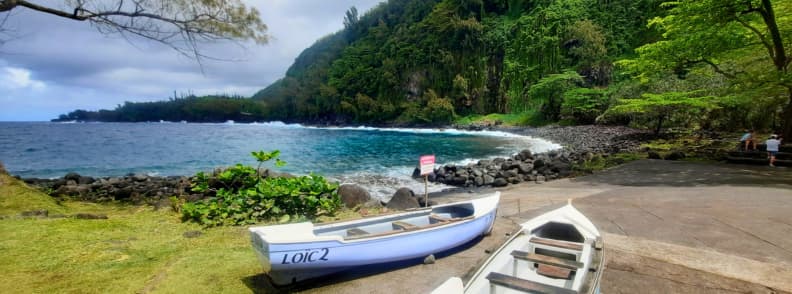
Waves, waterfalls, and photography tips
Anse des Cascades gives you water in two directions. Small cascades run through the palms, and the ocean gently hits the rocks beyond them. You get movement, sound, and spray without needing to hike.
For waves photography Anse des Cascades, you need to head towards the edges of the small gulf. Otherwise, the water stays pretty calm by the rocky beach near the buvette. I guess that’s why the locals keep their boats there, too.
On the other hand, this is one of the easiest East Coast spots for Reunion waterfall photography when the sky stays grey. The palms create framing, the water adds texture, and the scene looks rich even without sunshine. Focus on layers, palms in front, water in the middle, ocean behind.
If you are building an East Coast photo list, this is also one of the best photo spots on Reunion East Coast drive because it sits close to the road and still feels wild. You don’t need special gear. You need patience, clean lenses, and a willingness to wait for a clean wave moment.
The Miracle of Notre Dame des Laves in Saint-Rose
Notre Dame des Laves is the East Coast stop that hits you in the chest, even if you don’t chase churches on trips. You stand on cooled lava that still looks sharp and raw, then you look at a small pink building that somehow stayed standing. The site feels simple, but the story carries weight.
Notre Dame des Laves Church also works as a reset between coastal viewpoints and lava stops. You slow down, you read the panels, and you remember that the wild landscapes on this side come with real risk for real towns.
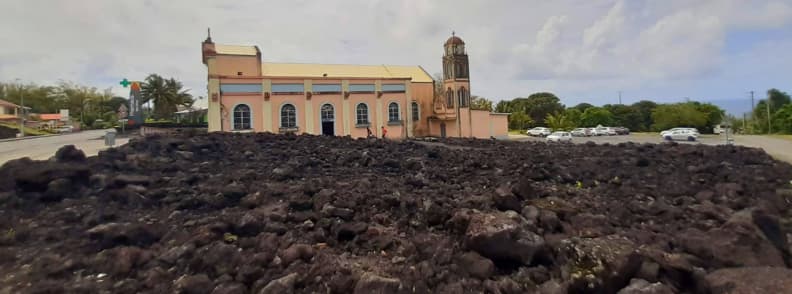
Story of the 1977 eruption and lava flows
The geologic history of the 1977 lava flow explains why this church became famous. In 1977, a rare eruption outside the usual enclosure sent lava into the Piton Sainte-Rose area, destroying parts of the village and crossing the RN2.
The Miracle of Notre Dame des Laves Church is what happened at the door. Accounts describe lava surrounding the building and entering only a few metres, with limited interior damage before it stopped. The lava remains visible around the church today, which is why the visit feels so tangible.
This isn’t folklore, it’s a documented event tied to a specific eruption period. Local sources note the eruption ending in mid-April after the destructive phase in Piton Sainte-Rose.
Local Reunion Tip: Walk the perimeter slowly and look for how the lava wraps the site. Photos make more sense once you see how close the flow came to the walls.
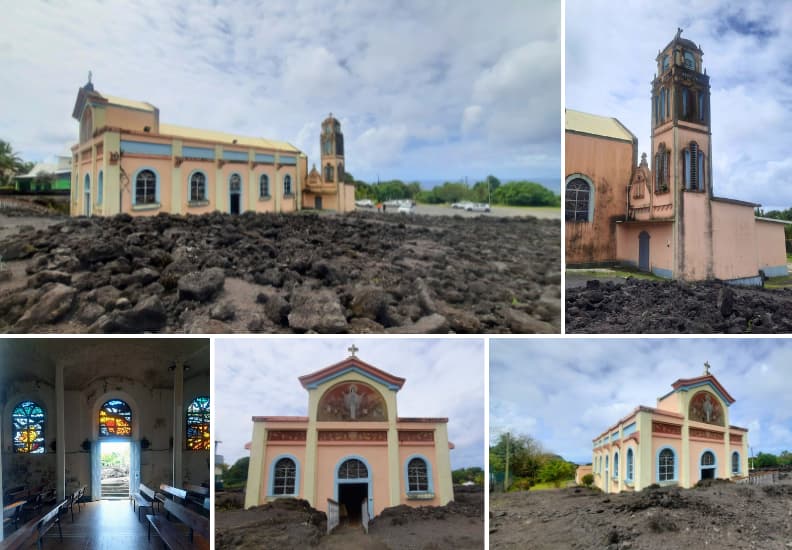
How to visit Notre Dame des Laves respectfully
Visiting Notre Dame des Laves Church Reunion should be a quiet stop, not a quick selfie. Park, walk in, read the story, then step back outside to see the lava line from multiple angles.
For parking dress services, keep it simple and respectful. Use available parking near the church area, and dress modestly if you plan to enter, especially during worship times.
Visit Notre Dame des Laves Tip: If you want to time your visit around services, the parish lists mass on Saturday at 5:30 pm and Sunday at 9:00 am.
Accessibility is better than many travelers expect for a historic site. The church interior is accessible for people with reduced mobility, and there is adapted parking at the back with an access path to the doors.
Local Reunion Travel Tip: If you want the site almost to yourself, go outside service times and avoid midday tour waves. If you visit during mass, keep your phone away and step outside if you need to talk.
Southeast Wild Lava Coast towards Saint Philippe
This stretch of coast from Saint-Philippe to Sainte-Rose shows why the East and Southeast feel raw. You drive across old lava flows, stop above black cliffs, and watch the ocean hit rock like it holds a grudge. I loved this day because it made the island feel alive, growing layer by layer as lava cools and plants creep back in.
I treated this as a drive with short stops, not a hike day. That choice kept it safe and realistic. It also gave me time to pull over when the scenery demanded it, which happens constantly on this route.
Reunion Lava Road Tip: Do this drive with a full tank and snacks in the car. You’ll stop more than you expect, and you won’t want to rush.
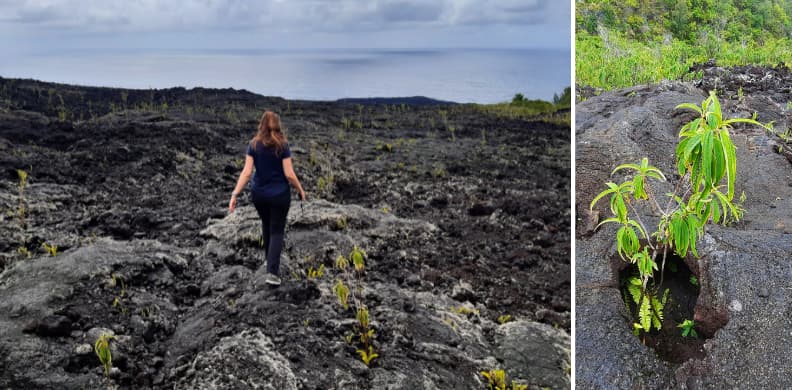
Route des Laves Drive Plan. Pullouts, mile markers, and stay on the road rules
If you are visiting Route des Laves, plan it like a sequence of controlled pullouts vs one long continuous drive. The road looks simple on a map, but the stop density changes how long it takes. You need a plan, or the day disappears into random braking and unsafe parking.
Here’s what I reccommend as a driving the Route des Laves itinerary and stops. You choose a shipwreck viewpoint, one or two lava flow stops, a church stop, and one final cliff viewpoint. You keep the rest as optional, because you’ll see tempting places every few minutes.
A clean Rute des Laves itinerary also protects you from risky decisions. Narrow shoulders and wet ground make improvised parking dangerous. If you decide in advance where you’ll stop, you won’t swerve into the first opening you see.
Respect stay on the road rules because the terrain punishes mistakes. Lava crust breaks, sharp basalt cuts, and vegetation hides holes. Short walks are ok here, but only when you stay close to the road and stick to stable ground.
On our drive, the most memorable stop was by the Tresta Star shipwreck viewpoint near the coast. We stopped at 21°17’22.4″S 55°47’49.3″E and watched the wreck sit there like a warning sign for the ocean. We also stopped at a 2007 lava flow area near Cœur de Lave and took short walks to see how new vegetation pushes through black rock.
Driving Route de Laves Tip: Use stops that already exist, not random gaps in vegetation. If you see cars backing up, slow down and assume something ahead feels sketchy. Keep your shoes on, even for short walks, because sharp basalt shreds feet fast.
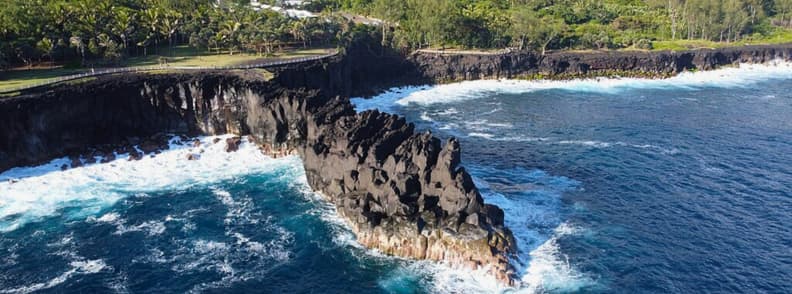
Cap Méchant, the violent beauty of the basaltic south
Visiting Cap Méchant basalt cliffs is reaching the classic wild-south viewpoint. It’s well-known for black rock formations and a rough sea mood, and it often appears in Route des Laves guides.
The main draws are the dark rock of basaltic sea cliffs Reunion, paired with the aggressive water that surrounds them, and the strong contrast between them. Photographs turn out great even when the sky stays flat.
Best viewpoints at Cap Méchant for sunset:
- Main Cap Méchant Parking Viewpoint. This is the official parking area with built walkways and fenced sections. You face southwest. The sun drops toward the horizon line across the Indian Ocean. In late afternoon, the light hits the jagged basalt from the side, creating a strong shadow texture. Stand slightly to the right of the main viewing platform to frame the cliff edge diagonally into the ocean. Don’t step past barriers. This is the safest spot and still delivers dramatic light.
- Western Cliff Edge Pullout. From the main lot, walk left along the marked path toward the western edge. This angle lets you capture the sun slightly off-frame while lighting the rock face from behind you. You get more depth and wave action below. Spray reaches this section when the sea is rough. Basalt becomes slick quickly. If you feel spray on your face, you are too close.
- Lower Lava Shelf View (only in calm conditions!). There is a lower rock shelf area accessible via an informal path closer to the edge. You get a low-angle composition of waves exploding upward against black basalt. This area is extremely dangerous during swell. Wet basalt here behaves like ice. Only approach if the ocean is visibly calm and the rock surface is completely dry. If unsure, skip it.
- Slightly Elevated Inland Ridge. Walk back from the cliff edge about 20–30 metres toward slightly higher ground inland. You gain elevation and reduce spray risk. The angle still captures golden light on the basalt while keeping you on stable ground. This is often overlooked but produces cleaner compositions.
If you are chasing the best viewpoints at Cap Méchant for sunset, plan for wind and spray. Sunset light looks great on black rock, but the sea can throw mist far, and wet ground stays slick near edges. Choose stable platforms and keep distance from drop-offs.
Quick photography guide for basalt cliffs in Saint-Philippe:
- Shoot low for texture in basalt, then step back for scale with waves.
- Wipe your lens often, because spray fogs images before you notice.
- Treat cliff edges as non-negotiable boundaries. The photo looks the same from two metres back, and your footing gets safer immediately.
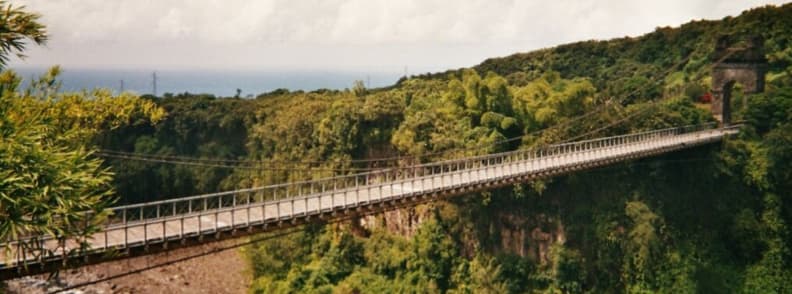
The hanging bridge of Rivière de l’Est. An architectural icon
Visiting Hanging Bridge Riviere de l’Est adds a quick and high-impact stop between Saint-Benoît and Sainte-Rose. It’s a historic suspension bridge from the 19th century, classified as a historic monument, and open for pedestrians after restoration.
This spot works even if you only stay ten minutes because it is an architectural icon. You get a strong view down into the ravine and across the east coast landscape. The bridge gives you something different from waterfalls and lava, and it breaks up the drive nicely.
The best viewpoints are from the bridge itself and the immediate approaches. Step carefully if the surface feels damp, and avoid leaning gear on railings if wind gusts pick up.
Reunion East Coast Tip: Stop here early in the day if you want photos without people. If you travel with kids, hold hands, because the height difference hits fast once you step onto the span.
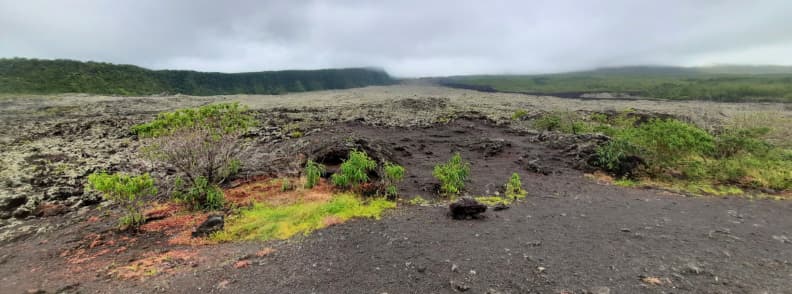
Grand Brûlé, driving through the island’s lunar desert
Visiting Grand Brûlé lava flows feels like driving across a new planet that still belongs to the same island. The Grand Brûlé is part of the volcano enclosure area, shaped by successive flows that reached the ocean.
This is the stretch travelers often describe as driving through the island’s lunar desert. You see black surfaces, sharp textures, and sparse vegetation that show how life returns slowly. Even a short stop here makes the island’s geology feel real.
If you want captivating images, lean into volcanic landscape photography. Use the road as a line, frame plants against lava for scale, and shoot texture close-up when the light stays soft. This scene doesn’t need sunshine to look powerful.
Grand Brûlé Safety Tips: Avoid walking far off-road here, because lava edges cut and holes hide under plants. Keep a small first-aid kit in the car for minor scrapes, because basalt loves skin.
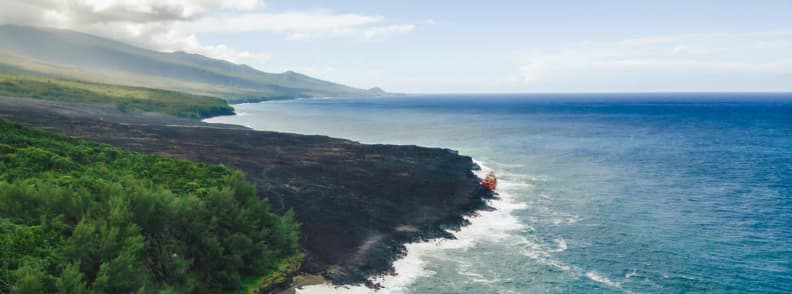
Best viewpoints along the Lava route. cliffs, blowholes, and photo plan
If you want a simple photo strategy, chase the best viewpoints for lava cliffs East Reunion:
- Pointe de la Table, Saint-Philippe. This is one of the safest and most structured lava viewpoints on the East Coast. You park in an official lot and follow a short interpretive path over solidified lava from the 1986 eruption. You get layered lava flows meeting the ocean, with clear sightlines and no need to stand near unstable edges. The best light is late afternoon when texture becomes visible in the hardened flow. Stay on marked paths. The surface looks stable, but fractures can hide under vegetation.
- Coulée de Lave 2007 Viewpoint (Point de vue – Coulée de lave). This is one of the most dramatic stops along Route des Laves. You park in a designated roadside area and walk onto solidified 2007 lava fields. You see how the island literally grows layer by layer. Fresh basalt fields extend toward the sea, and vegetation begins reclaiming space. This is ideal for volcanic landscape photography because of the sharp contrast between black lava and green regrowth. Don’t wander far from visible paths. Lava tubes and unstable crust sections exist.
- Tresta Star Shipwreck Coastal View. This is a raw coastal stop with lava cliffs and the visible remains of the Tresta Star shipwreck offshore. There’s limited roadside space. Park fully off the road and never on blind curves. You get basalt cliffs photography, white surf, and rusted metal wreckage in one frame. It captures the violent side of the East. Best for side light in late afternoon. Waves hit hard here. If you hear thunder-like crashes, stay well back from the edges.
- Anse des Cascades Cliff Edge Sections. Beyond the palm grove, short coastal paths lead to cliff edges. These are structured walking paths, not random lava shelves. You get vertical lava walls with cascading freshwater streams meeting the sea. Great for capturing water meeting basalt without extreme exposure. Avoid wet sections after heavy rain. Spray makes basalt slick.
- Route des Laves Elevated Pullouts. Between Sainte-Rose and Saint-Philippe, several marked roadside lay-bys offer higher vantage points. These are safer than improvising stops. Look for official pullout signs, gravel or paved parking pockets, or clear inland elevation before the cliff drop. These provide the best composition because you shoot slightly downward toward the lava edge. If you can’t park completely off the road, keep driving.
- Cap Méchant Main Platform. This is technically southeast, but it remains one of the strongest basalt cliff viewpoints on the island. Structured parking, fenced paths, wide ocean horizon. This is where you get scale. The basalt columns drop vertically into pounding surf. Best texture appears 30 to 45 minutes before sunset.
Stop only when you see stable ground and clear sightlines. The best spots often come from established pullouts, not from improvising on narrow shoulders.
Look for safe areas where you can photograph sea action without stepping onto wet rock. Blowholes and wave bursts make great frames. However, blowholes viewpoints demand distance because the spray reaches farther than expected.
For clean compositions, focus on basalt cliffs photography techniques that emphasise contrast. Dark rock plus white foam gives you instant structure. Keep your horizon straight, because the coast already looks chaotic enough. Shoot early, then take a break, because your best photos happen when you stop rushing. If you see warning signs or barriers, assume someone learned the lesson for you.
Treat this drive as a coastal stop list with short walks rather than long detours. Your goal is repeated safe viewpoints, not one risky hero shot. If the sea looks rough, stay back and use your camera zoom.
Short walks on lava flows and safety
Follow the short walks on lava flows safety rules every time. Stay close to the road, avoid unstable crust, and step slowly because uneven basalt breaks ankles fast.
Repeat the stay on the road rules in your head when the landscape tempts you. Lava fields look open, but they hide cracks and sharp edges. Just a little farther becomes a problem when you can’t see where you placed your foot.
Sea Risk Basalt Rocks: The ocean adds another layer of danger. Wet basalt acts like ice. Wear shoes with real grip and keep your hands free. Waves surge higher than you expect, and people get hurt when they treat spray zones as photo platforms. If you feel spray on your face, you are already too close.
Lighthouse and Heritage in Sainte Suzanne
Sainte-Suzanne gives the East Coast a different energy. The lava coast feels raw and loud. This town is historic and lived-in, with coastal walks, cane fields, and old infrastructure that still shapes how the area looks and moves.
This is also one of the easiest places to slow down without feeling like you wasted a day. You can do a short walk, learn something real, and still keep time for a waterfall stop or a vanilla visit.
The Travel Bunny Tip: Use Sainte-Suzanne as a late afternoon stop after Cascade Niagara. The light often looks softer here, and the coastal path feels good after a long drive.
Bel Air lighthouse and coastal path
Bel Air lighthouse Reunion sits right above the ocean and works as a quick, high-impact stop. It is also known as the Phare de Bel-Air, and it’s classified as a historic monument.
The lighthouse Sainte Suzanne Reunion sits next to the tourism office area, so you can park and start walking fast. Many visits focus on the exterior and the small exhibition space at the base when it’s open.
If you want to visit Bel Air lighthouse interior, verify with the local tourism office before you go. Openings can depend on exhibitions and works. If the wind is strong, keep your phone secure, because gusts hit hard on the cliff edge.
Sainte Suzanne sugar cane fields, bridges, and historic sites
If you only have half a day for Sainte Suzanne attractions, group them logically instead of driving back and forth. Besides the Bel Air lighthouse Reunion, here are other places to see in Sainte Suzanne:
- Coastal Path from Bel Air. From the lighthouse, follow the marked coastal path. This stretch is flat and easy, good for a short walk before or after visiting Cascade Niagara. You get sea views and basalt formations without the exposure of Cap Méchant.
- Former Railway Tunnel of Sainte-Suzanne. A short drive away sits the old railway tunnel. This is one of the small but interesting Sainte Suzanne heritage sites. The tunnel dates back to the island’s railway era and gives context to how goods once moved along the coast. It’s quick to visit and works well as a five to ten-minute stop.
- Bocage Bridge Area. Near the town, you’ll find historic bridges crossing the river.
These are not dramatic monuments, but they anchor the town’s colonial past and agricultural transport history. They pair well with a market visit. - Sainte-Suzanne Market. The weekly market is every Tuesday morning between 6:00 am and 12:00 pm in front of the Bocage. This is where you see real local life rather than tourist flow. If open, combine the market with the lighthouse stop for a balanced half day.
- Sugar Cane Fields Around Sainte-Suzanne. Driving into Sainte-Suzanne, you pass large sugar cane fields. This agricultural belt explains why the town developed the way it did. If you are heading toward Cascade Niagara, you’ll drive through cane before reaching the waterfall road.
Practical Mini Route for Sainte-Suzanne: Morning at the Cascade Niagara. Drive back through sugar cane fields. Market visit if timing works. Stop to visit Bel Air lighthouse. Walk the Bel Air coastal path. Optional railway tunnel stop.
If you want context, focus on Sainte Suzanne heritage sites rather than trying to collect viewpoints. This area tells the story of navigation, rail, and sugar economy in one compact zone.
Visit Sainte Suzanne Tips: Do the heritage stops on a cloudy day, because they still work without perfect light. Pack a small torch for the tunnel area if you go late, because the shade drops fast near the cliff.
Adventure and Immersion. East Coast Reunion Hikes and Activities
The East Coast rewards travelers who move, not only those who stop. You can hike in a cloud forest, ride through muddy undergrowth, or swap the car for a river run when the weather turns.
Below are some activities that work for travelers and expats who want structure, safety briefings, and a clear time plan. You show up, you follow a guide, you leave with the kind of memories you can’t get from a roadside pullout. Book morning slots when you can, because clouds often build later.
Grand Étang Tour. The Volcanic Lake and its Horseback Trails
If you like the mood of the forest but you don’t want a long muddy loop, try the Grand Etang horseback trails. You ride near Grand Etang Reunion in the Saint-Benoît highlands, and the route reaches places hikers often skip because the terrain turns marshy fast.
I like this experience because it keeps the focus on nature, not performance. You still get the rainforest atmosphere that makes hiking Grand Etang Reunion memorable, but a calm horse does the hard work when the ground turns slick.
This Grand Étang horseback ride takes about 3 hours, stays small group, and costs around €70. As an alternative, you can visit the Grand Étang Equestrian Farm from 7:00 am to 4:30 pm daily.
Book the Grand Étang horseback ride and lock in your slot before it sells out.
If you want an East Coast activity that’s different from waterfalls, this is the cleanest upgrade.
Rafting and Kayaking the Rivière des Marsouins
If you want white water Reunion without technical canyoning, the rafting Rivière des Marsouins route in Saint-Benoît hits the sweet spot. You mix canoe, raft, and kayak on a short course with class 3 rapids, and guides handle the safety briefing and logistics.
This tour lasts about 4 hours, includes equipment and a shuttle, and it keeps the vibe social. The listing highlights 7 class 3 rapids, a 2.7 km descent, and a finishing drink break at the base, which makes it a good option even for groups with mixed energy levels.
If you are deciding between kayaking Riviere des Marsouins and rafting, this format lets you test both in one go. It also offers free cancellation up to 24 hours in advance, which matters on an island where water levels can shift plans.
Book the Rivière des Marsouins raft and kayak experience and keep the island weather from ruining your day. If you want one adrenaline hit that still feels accessible, this is the East Coast pick.
The Forest of Bébour-Bélouve. Primeval Jungle and Primary Flora
The Bebour Belouve forest gives you the East Coast in its purest form. Mist sticks to the trees, the ground stays wet, and the air smells like moss and fern.
People call it a primeval jungle for a reason. The vegetation feels dense and old, and the light stays muted even when the coast looks bright. You also see serious primary flora here. This is one of the best zones for rainforest hikes Reunion because the forest itself becomes the main attraction, even when viewpoints hide behind clouds.
Bébour-Bélouve Forest Tips: Wear shoes that grip on wet roots. Start early if you want fewer people and a better chance of stable visibility.
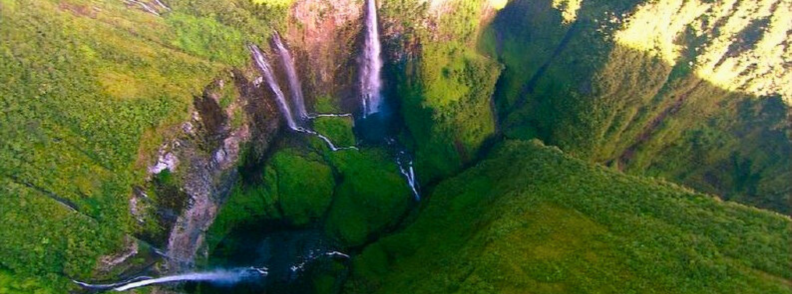
The Trou de Fer Viewpoint. Witnessing the Island’s Greatest Abyss
The Trou de Fer viewpoint delivers the kind of scale that photos can’t explain. You walk through Bélouve forest, then the land drops away, and the waterfall amphitheatre opens up.
If you’re looking at Trou de Fer hike options, pick a guided group when you want context on flora and trail conditions. I recommend a hike that runs about 5 hours, includes a mountain guide, and provides a local snack and drink, plus a picnic.
How to reach Trou de Fer from Bélouve. The meeting point sits at the end of the Bélouve to Bébour forest road, with parking at the road end, which makes it easy if you drive up from Plaine des Palmistes.
The only honest caveat is access variability. Reviews mention that trail closures can affect whether you reach the classic viewpoint, but the operator notes they adapt the route if authorities close sections.
Book the Trou de Fer guided hike on and let a local guide handle the route calls on the day. If you want one hike that defines witnessing the island’s greatest abyss, this is the one to plan around.
Reunion East Coast Cultural and Spiritual Landmarks
The East Coast makes sense once you stop treating it like a string of waterfalls. The island’s history also sits in temples, churches, and markets where people buy food, pray, and catch up on gossip.
These stops work well for travelers and expats because they don’t depend on perfect weather. You can do them on a rainy morning, then keep the rest of the day for nature when the clouds lift.
Local Reunion Tips: Dress with respect, speak quietly, and plan market visits early.
The Tamil Temples of Saint-André. Colors of the East Coast
Saint-André Tamil temples feel like a burst of colour after hours of green and black rock. You’ll see detailed sculptures, bright paint, and a style that stands out even if you know nothing about Hindu temples.
If you want an easy first stop, start with Temple du Petit Bazar. It’s a colorful kovil dedicated to Sri Muruga, and it sits right in Saint-André, so you can add it without a detour.
If you want a second temple that locals often mention, visit the Temple du Colosse in Champ Borne, which many visitors call the best Hindu temple in St André for atmosphere. It’s dedicated to the goddess Pandialé, and it is also linked to several major ceremonies throughout the year.
Visiting the Tamil Temples of Saint-andré Etiquette: Carry a light scarf in your day bag to cover shoulders and thighs. Keep your voice low, and avoid interrupting prayers or ceremonies. Ask before taking close-up photos of people, and step back if you see offerings or active rituals.
Sainte-Anne Church, the Baroque Masterpiece of the Coast
Sainte Anne Reunion has one of the most unusual churches on the island, and it surprises people who think all churches look the same. This is a baroque-style church with cement mouldings, statues, and gargoyles, and it has protected status as a historic monument.
The Sainte-Anne church baroque masterpiece has an exterior that looks hand-decorated. It’s actually designed by a strict blueprint. Father Georges Daubenberger reshaped the church in the early 20th century, which explains the style shift.
If you are writing or photographing the architecture of churches East Reunion, the Sainte Anne church is your anchor stop. It’s also a quick win on a road trip day because it sits close to the main road, and you can visit it fast.
Sainte Anne Church Advice: Go when the light stays soft, because strong sun flattens the details. If the church feels open and quiet, step inside for a minute, then leave it as you found it.
Saint-Benoît and Saint-André Markets and Local Life
If you want real local life in Reunion, go to the markets early and let your nose guide you. You’ll see piles of fruit, herbs, piments, and snack counters that locals use for a fast breakfast.
For planning, lock in Saint Bénoit market days before you build your itinerary. The Ville de Saint-Benoît lists the Marché forain on Saturday morning, and it also lists the Marché couvert open Monday to Saturday from 7:00 am to 6:00 pm and Sunday from 7:00 am to 12:00 pm.
If you want to visit both local food markets in Saint-Benoît and Saint-André, I recommend going to Saint-Benoît on Saturday and Saint-André on Friday. Marché de Saint-André is open Friday morning from 6:00 am to 12:00 pm for the forain market.
Reunion Market Tips: Arrive in the first hour for the best produce and fewer crowds. Buy snacks you can eat in the car, like samoussas, fruit, and water, then you can keep your day moving without hunting for lunch.
East Coast Reunion Gastronomy. Tasting the Volcanic Terroir
East Coast food tastes like the landscape looks. You get smoke, salt, heat, and a lot of ingredients that grow fast in wet weather. When rain ruins a hike plan, switch to markets, a ferme auberge lunch, and a picnic stop by the sea.
Learn how to eat well without turning meals into logistical problems. You’ll know what to order, where to buy fruit, and how to build a picnic that still feels like La Réunion.
I recommend you plan one sit-down meal, then build the rest around markets and takeaway. You’ll eat better and spend less time hunting for restaurants between stops.
Ferme Auberge Eva Annibal and The World-Famous Vanilla Duck
If you want one meal that defines the East Coast, it is the best vanilla duck Reunion experience at Ferme Auberge Eva Annibal. You come for a fixed menu built around farm products, and you leave understanding why vanilla belongs in savory Creole cooking.
The traditional vanilla duck lands savory first, with vanilla as an aftertaste. That balance matters because weak vanilla disappears in salty dishes. Strong vanilla stays present without turning the plate into dessert.
If you’re searching for a vanilla duck recipe Reunion, the cookbook I got at the Cooperative Pro Vanille features one. The dish works because the sauce stays controlled, and the vanilla supports the meat instead of dominating it.
My Ferme Auberge Eva Annibal meal review stays simple. We ate here after a day on the wild coast, and it felt like the right reset. Long tables push conversation, the pace stays slow, and the food tastes as if it comes from someone who cooks it constantly and still cares.
Check the menu and prices at Ferme Auberge Eva Annibal before you drive out. The fixed adult menu costs 35 €, and the children’s menu costs 17.50 €. Service runs for lunch and dinner Monday to Saturday, and Sunday lunch only, with Sunday evening closed.
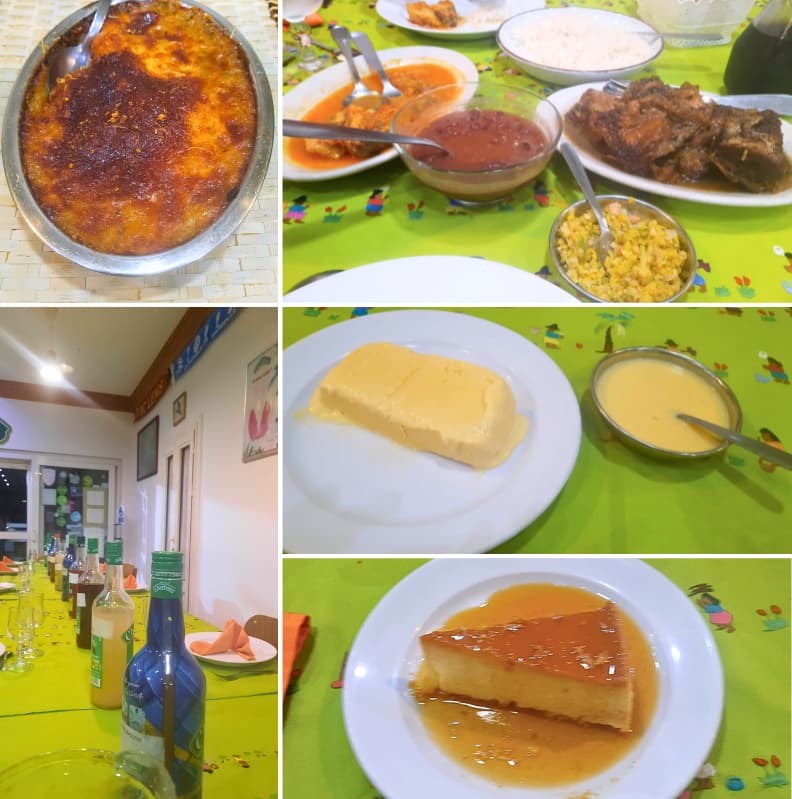
What to Eat at Ferme Auberge Eva Annibal and How to Reserve
Reserve by phone and confirm exactly what you booked. Ask them to repeat your name, your party size, and whether it is lunch or dinner. Don’t assume dinner includes a room, because it doesn’t.
The menu is fixed, and it will feature the famous vanilla duck. The rest may differ, but when we went, we started with gratin de chouchou, then ate a cari d’espadon (swordfish curry) that felt comforting and rich. Dessert choices can be extensive, so pick one that highlights fruit if you already had a heavy main. I had a passion fruit parfait with vanilla sauce, while my husband went for a coconut flan.
Treat the rhum arrange and ponches like a tasting, not like drinks. Small pours let you try more flavors without losing the rest of your evening. If you don’t drink rum, ask for wine early instead of forcing yourself through a table ritual you don’t enjoy.
Ferme Auberge Eva Annibal Tip: Book lunch for a calmer experience. Confirm the booking details twice if you reserved by phone. Eat lighter earlier in the day, because the farm meal is generous.
Reunion Exotic Fruits. Victoria Pineapple, Lychees, and Goyaviers
The East Coast shines when you snack on fruit between stops. Victoria pineapple tastes fragrant and sweet, and it travels well in a day bag if you keep it whole. It’s one of the easiest edible souvenirs because it actually survives the drive.
Lychees divide people, and I usually fall on the uninterested side. Still, you’ll see them everywhere in season, and locals buy them in bulk. Try one before you commit to a big bag.
Goyaviers work better for me because they taste sharper and less perfumed. They also make good jam, so you can buy them as a product if fresh fruit feels like a hassle.
If you want to keep some meals simple, buy tropical fruits East Coast. Get fresh fruit in the morning at a market, keep it in the car, and snack at viewpoints instead of buying random pastries at every stop.
You can also look for local fruit tasting tours. These work well on rainy days because you still learn and taste without risking slippery trails. Choose tours that explain how people eat and store fruit locally, not only tours that push products.
Reunion Tropical Fruit Advice: Buy fruit early, because selection drops fast by late morning. Ask vendors what is best today, not what is best in general. Bring a small knife and napkins for the car.
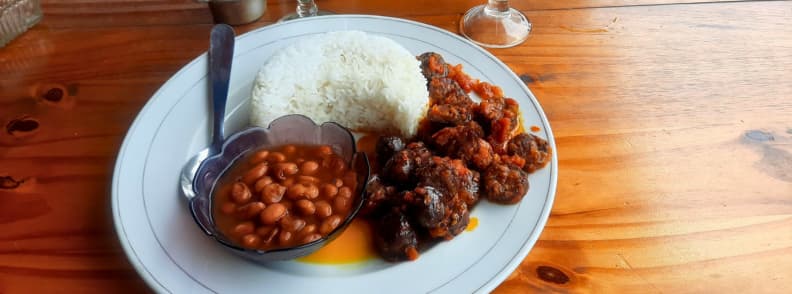
The Local Table. Rougail, Carry, and the Art of the Picnic
If you want to understand everyday food, start with rougail. It shows up in different forms across the island, and sausage versions give you an easy baseline for spice and sauce style. Order it once on the East Coast, then order it once on the West Coast and compare.
Carry or cari gives you the other core format, slow-cooked, saucy, and designed to be eaten with rice. You’ll find fish, chicken, and vegetable versions depending on the day. This is the meal that makes sense after a wet hike because it warms you up fast.
When you think about Creole cuisine East Reunion, focus on what locals eat on the move. Bakeries and snack counters deliver fast staples, and you can eat them anywhere. This matters on waterfall days when you don’t want a long restaurant lunch.
If you want a cheap and satisfying plan, lean on the local street food Reunion. Grab samoussas and bouchons in the morning, buy fruit at a market, then stop for a sea picnic. It keeps the day flexible, and it prevents hangry driving.
For the best setting, plan an Anse des Cascades picnic. The palm grove gives shade, the atmosphere feels local, and you can stretch your legs without committing to a hike. We stopped here for a soft drink and some water, and stayed longer than planned because the place invites you to slow down.
Commune by Commune Mini Itineraries for Tourists and Locals
If you prefer structure over scrolling, this section breaks the East Coast into clear mini plans. You can follow them as a visitor with limited time or as an expat who wants to explore one commune per weekend.
Each mini itinerary groups stops that make geographic sense. You waste less fuel, spend less time doubling back, and build days that feel intentional instead of random.
Use these as frameworks vs rigid schedules. Weather shifts fast on the East Coast, so swap waterfall time with cultural stops when rain hits.
North Sector Mini Plan. Sainte-Suzanne, Bras-Panon, Saint-Benoît, Sainte-Anne
Start your day in Sainte Suzanne Reunion with the coast. Walk by the Bel Air lighthouse Reunion, stretch your legs along the shore, and ease into the humidity before chasing waterfalls.
Then drive to Cascade Niagara Reunion. Plan time for narrow access roads and sugarcane fields, because this approach feels rural and slow. Visit early to avoid crowds and to park without stress.
Move south into Bras Panon Reunion for vanilla and food. Book a tour at the Pro Vanille Cooperative to understand how pods are grown, cured, and graded before you buy. Pair this stop with a market visit if your timing matches local days.
Continue to Saint Bénoit Reunion for forest and river landscapes. From here, you can access Grand Étang, river activities, or short cultural stops in town. This area works well as a base if waterfalls and rainforest hikes rank high on your list.
Finish the northern loop in Sainte Anne Reunion. Stop at the church, take a short walk, and let the architecture reset your eyes after a day of green and black scenery.
The Travel Bunny Reunion Tip: This north sector works best as a slow loop with a car. If you stay overnight, choose Bras-Panon or Saint-Benoît to reduce early morning driving.
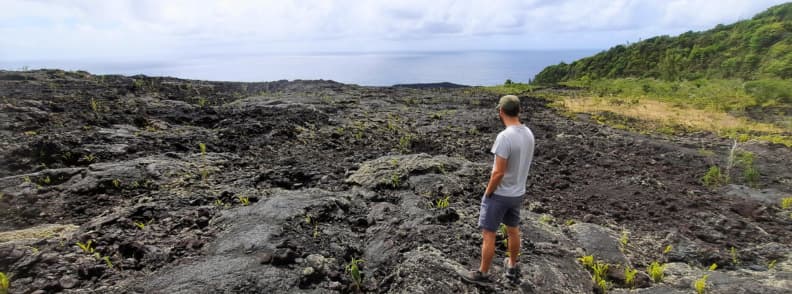
South Sector Mini Plan. Sainte-Rose and Saint-Philippe
Begin in Sainte Rose Reunion with heritage and lava history. Visit Notre Dame des Laves early, when the church feels quiet and respectful. Keep the stop focused and short.
From there, drive the Route des Laves with a clear stop list. Choose one shipwreck viewpoint, one lava flow pullout, and one cliff panorama. Stick to safe parking areas and keep short walks controlled.
As you continue toward Saint Philippe Reunion, the landscape grows darker and wilder. This is where you encounter the mood people associate with the East: raw ocean, black cliffs, and sparse vegetation.
Drive across sections of Grand Brûlé lava flows and pay attention to how vegetation reclaims rock. This stretch explains the island’s constant transformation better than any museum.
If time allows, add viewpoints near Cap Méchant for dramatic basalt formations. Focus on stable ground and avoid wet edges. The ocean here demands distance and respect.
Before leaving the south, consider a stop at Escale Bleue Saint-Philippe if you are interested in forest-grown vanilla. It pairs well with the lava drive because it shows how agriculture adapts to volcanic soil.
The Travel Bunny Reunion Advice: The south sector works best as a half-day extension of a two-day East Coast plan. Fuel up before starting and avoid stacking too many cliff stops late in the day when fatigue hits.
If you want these mini plans expanded into timed routes with parking pins, backup options for rain, and realistic driving durations, book a personalised Reunion itinerary with me via Rexby.
If you prefer ready-made structure, get my complete Reunion guide with detailed maps, pre-built itineraries, and lifetime updates so you can explore the East Coast with clarity instead of guesswork.
Waterfall Access Matrix. Drive-Up vs Short Walk vs Hike vs Canyoning
The East Coast rewards travelers who plan ahead because not every waterfall fits every body, budget, or weather day. Some stops work for families with small kids. Others demand mud tolerance, balance, and time. A few require guides and serious safety thinking.
This access matrix helps you choose quickly. You’ll know which waterfalls fit an easy day, which ones need a hike, and when you should stop trying to DIY.
Drive-up waterfalls and viewpoints work best when you want low effort with a strong payoff. These are your easy waterfalls Reunion Island picks and your accessible waterfall viewpoints on Reunion East Coast options. Cascade Niagara fits this category, because you get a big waterfall scene with minimal walking once you reach the access area.
Short-walk waterfalls suit travelers who want a little movement without committing to a muddy hike. Anse des Cascades often fits this pattern, because you can walk through the palms, watch small cascades, then stop before the terrain turns slippery. This is also the category I recommend when you travel with older parents or when you only have one day and want variety.
Hike-only waterfalls deliver the most immersive experience, and they also create the most planning mistakes. You can plan hiking to waterfalls Reunion days, but mud, river crossings, and trail conditions will truly decide how far you go. Cascade de Bras d’Annette belongs here, since the extension from Grand Étang turns the day into a real forest hike with a clear turnaround decision point.
Family planning needs a different filter, because kid-friendly doesn’t mean risk-free. For family friendly waterfalls Reunion, the safest approach is choosing stable paths, avoiding river crossings after rain, and treating swimming as optional. Cascade Niagara often works for families when water levels look calm, while Grand Étang loop hiking can work as a family forest walk when you keep it short and accept mud.
Canyoning sits in its own category because it’s a guided sport. If you want canyoning waterfalls Reunion Island, use professional operators and accept last-minute changes when water levels rise. Rivers like the Marsouins and routes around Rivière des Roches can be incredible, but they demand local knowledge and proper equipment.
| Site | Access Level | Effort | Swim Possible | Kid-Friendly | Best After Rain | Risk Level | Notes |
|---|---|---|---|---|---|---|---|
| Cascade Niagara, Sainte-Suzanne | Drive-up + short walk | Easy | Yes, check flow | Yes, with supervision | Yes | Medium | Narrow access road. Strong flow after rain. Basin safety must be assessed on-site. |
| Anse des Cascades, Sainte-Rose | Short flat walk | Easy | No ocean swim | Yes | Yes | Medium | Palm grove picnic spot. Watch wave spray and slippery basalt. |
| Grand Étang, Saint-Benoît | Loop trail | Moderate | No lake swim | Yes, loop only | Yes | Medium | Mud factor varies. Extension to Bras d’Annette increases difficulty. |
| Bras d’Annette Waterfalls | Forest hike | Moderate to challenging | No | No for small kids | Yes | Medium to high | River crossings. Turn back if the water rises. |
| Bassin la Paix, Bras-Panon | Short walk | Easy to moderate | Yes, conditions dependent | Caution | Yes | High | Strong currents after rain. Slippery rock. |
| Bassin la Mer, Bras-Panon | Short walk | Moderate | Yes, conditions dependent | No for young kids | Yes | High | Deep basin. Jumping common but risky. |
| Rivière des Marsouins, Saint-Benoît | Guided rafting/canyoning | Guided activity | Yes with guide | No | Yes | High | Only with professional operators. Flow-dependent. |
| Takamaka Valley | Drive + viewpoints | Easy to moderate | No | Yes, viewpoints only | Yes | Medium | Dramatic vertical drops. Stay behind barriers. |
| Trou de Fer, Bélouve access | Hike or helicopter | Moderate | No | No for small kids | Yes | Medium | Fog common. Mud alert after rain. |
| Notre Dame des Laves area | Drive-up | Easy | No | Yes | Any time | Low | Geological site, not swimming. |
| Route des Laves lava viewpoints | Drive-up + short walk | Easy | No | Yes, with distance from the edge | Any time | Medium | Sea surge risk. Stay off wet basalt. |
| Cap Méchant, Saint-Philippe | Drive-up + short walk | Easy | No | Yes, hold hands | Any time | Medium to high | Strong wave action. No swimming. |
| Pointe de la Table | Short interpretive walk | Easy | No | Yes | Any time | Low to medium | Easy educational stop. |
If you want a simple decision method, use this four-question test:
- Do I have stable weather?
- Do I have enough daylight?
- Do I have shoes with grip?
- Do I have a safe turnaround plan?
If you answer no to any of these, choose a drive-up or short-walk stop and save the hike for another day.
East Coast Reunion Weather, Rain, and When to Visit
The East Coast weather decides your day more than your plan does. Rain turns waterfalls spectacular, but it also raises rivers, hides trail hazards, and makes coastal rock dangerously slick.
If you want a smooth trip, you need a repeatable decision system. Check alerts, choose stops that match conditions, and downgrade your plan early instead of improvising late.
The Travel Bunny’s Advice: Build one rain-proof day into your itinerary, like vanilla, markets, temples, and the Notre Dame des Laves stop. You’ll use it.
How to Check Météo-France Vigilance Before Waterfalls and Coastal Walks
Start every East Coast morning with Meteo France vigilance and treat it like your go or no-go board. If you see heavy rain alerts, strong wind alerts, or storm alerts, swap hikes for cultural stops and avoid river basins.
Use one rule for flash flood safety and never negotiate it. If it rained hard overnight or you see fast, brown water, you skip basins, and you skip river crossings. Water rises fast here.
Expect higher waterfall flow after rain and plan for it without getting reckless. Stronger flow looks amazing from safe viewpoints. It also makes trails slick and makes swimming and crossings much more risky.
Reunion Safety Tips: Check alerts again mid-day, because conditions shift fast. If you hear thunder inland, assume rivers will react even if your sky looks calm.
Waterfall levels throughout the year
If you want the best time of year to see Reunion waterfalls, aim for periods when rain keeps water moving, but conditions stay stable enough for trails. The East Coast delivers year-round, but intensity varies with recent rainfall more than with the calendar.
| Month | Rainfall Pattern (East Coast) | Typical Waterfall Intensity | Trail Conditions | Swimming Risk | Photography |
|---|---|---|---|---|---|
| January | Peak rainy season | Very High | Muddy, slippery | High risk | Dramatic, powerful |
| February | Cyclone risk highest | Extreme during storms | Often unstable | Very high risk | Spectacular but dangerous |
| March | Still heavy rain | High to Very High | Mud frequent | High | Excellent flow |
| April | Rain decreasing | High | Improving | Moderate | Strong waterfalls |
| May | Transition month | Moderate to High | Manageable | Moderate | Balanced |
| June | Start of dry season | Moderate | Better footing | Lower | Still attractive |
| July | Cooler, drier | Moderate | Good | Lower | Clean, defined falls |
| August | Trade winds strong | Moderate | Good | Lower | Good visibility |
| September | Drier stretch | Moderate to Low | Stable | Low | Thinner falls |
| October | Dryest stretch | Low to Moderate | Excellent | Low | Less dramatic |
| November | Rain increasing | Moderate | Becoming damp | Moderate | Improving flow |
| December | Rainy season returns | High | Mud returns | Rising risk | Powerful again |
The East Coast is the windward side and receives significantly higher rainfall than the West. The cyclonic season typically runs from January to March. The drier season generally spans June to October.
Waterfall intensity correlates strongly with:
- Reunion cyclones or tropical depression activity
- Total monthly rainfall
- Rain in the previous 24–72 hours.
If you want real-time precision, here is the actual decision method locals use:
- Check rainfall in Plaine des Palmistes or Saint-Benoît for the past 48 hours
- Check Météo-France Vigilance level
- Look at water color on arrival
- Watch the flow for 5 minutes before approaching.
Recent rain is primary. The month is secondary.
It’s best to think in terms of waterfall levels throughout the year instead of chasing one “best month.” After rainy stretches, waterfalls roar, and photography looks dramatic. After drier stretches, some falls look thinner, but trails often feel easier and safer.
Local Reunion Advice: Ask locals the simplest question: how did it rain last night in the mountains? Their answer predicts today’s river mood better than a perfect forecast.
How rain changes trails, driving, and swimming
Rain changes everything, and you need to plan for how rain changes trails driving and swimming without guessing. Wet weather slows driving on narrow East Coast roads, reduces visibility, and increases braking distance. It also makes pullouts muddy and makes short walks feel more technical than expected.
Trail conditions shift from fine to annoying fast, which is why people keep asking me how muddy is the Grand Etang trail. Mud stays manageable on good days, but rain turns sections slippery and makes crossings feel less obvious. If you already struggle on wet ground, choose the loop only and skip the extension.
Coastal stops also need judgment, because is Anse des Cascades safe in bad weather depends on wind and swell. The site itself stays walkable, but wave spray reaches farther during rough seas. Wet basalt near edges turns slick, and the ocean does not forgive attention lapses.
Personal Safety Tips: If rain starts during a hike, turn back early. If wind picks up on the coast, move inland to vanilla stops and markets.
Safety Protocol. Flash Floods, Volcano Alerts, and Currents
Follow signs to respect even when they feel dramatic. Signs often mark places where locals already saw injuries, drownings, or rockfall. When a sign says danger, it usually means repeated danger.
Safety Protocol Flash Floods Rules: Avoid basins after heavy rain. Do not cross rising water. Turn around when the trail forces a risky step. Do not “push through” on the East Coast.
Treat slippery basalt rocks like ice and assume they will beat your grip. Basalt stays slick when wet, and algae makes it worse. If you feel your feet sliding even once, you move back to stable ground.
Keep volcano alerts on your radar even if you are not hiking Piton de la Fournaise that day. Volcanic activity can affect road access, air quality, and coastal routes around lava areas. Check official updates before you drive Route des Laves or cross long, exposed stretches.
Plan swimming with one word in mind: currents. East Coast water looks tempting, but currents and surges hide under calm-looking surfaces. Treat basins and ocean edges as conditions-based, not as guaranteed swim stops.
Follow strict swimming rules (especially with kids non swimmers) when you travel as a family. Kids stay within arm’s reach around water. Non swimmers skip deep basins and skip slippery entry points. If you can’t describe the exit plan in one sentence, you don’t enter.
Reunion Safety Tips: Choose viewpoint stops when conditions look sketchy, because you still get the scenery without the risk. If you want swimming, do it on the West Coast lagoons, then keep the East Coast for hiking, photography, and food.
What to Pack for the East Coast of Reunion Island
Pack for wet weather even when the forecast looks fine. The windward side stays humid, showers hit fast, and your comfort depends on staying warm once you stop moving.
I learned this the hard way on the Grand Étang hike. I started light with water and jackets, then I spent most of the trail in a T-shirt because the humidity made me overheat. The moment I stopped, the damp air made me feel cold again.
Your packing list should match the mud factor Grand Etang and the coastline spray. You’ll step in wet soil, cross shallow water on some trails, and get misted on cliffs even when you stay back.
East Coast Reunion Packing Tip: Pack for friction points, wet feet, fogged phone camera, and hunger between stops. Those ruin East Coast days faster than rain.
Footwear, clothes, and gear for mud and rain
Your first priority is footwear because the East Coast punishes bad soles. Bring grippy trail shoes and add river shoes if you plan to do basins or river crossings. Avoid smooth sneakers, because wet basalt and muddy roots turn them into skates.
Rain gear is essential, not optional. A light waterproof jacket matters more than an umbrella, because the wind flips umbrellas fast on the coast. Choose something you can hike in without overheating.
What to wear for Reunion rainforest hikes? Dress for humidity first. Wear a breathable top and bring one warm layer for stops. I hiked most of Grand Étang in a T-shirt, then threw on a jacket when we slowed down.
Bring a dry bag or a zip pouch for electronics. Mist and drizzle creep into pockets, and you’ll take more photos than planned.
Add one small blister kit. Mud plus wet socks causes friction, and a tiny hot spot turns a pleasant hike into a limp back to the car.
Reunion Insider Tip: Pack a spare pair of socks in the car. Change right after a wet hike, because damp feet stay cold on a long drive. If you only pack one pair of shoes, choose trail shoes, not city sneakers.
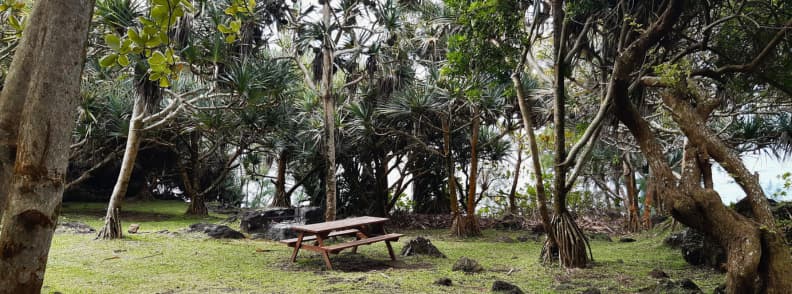
Food, water, and navigation
Your East Coast days run smoother when you plan food water navigation like a mini road trip. Distances look short, but stops pile up, and you’ll spend hours between proper meals.
Carry at least one full water bottle per person, plus a backup in the car. Humidity dehydrates you quietly, especially on forest trails where you sweat without realizing it.
For meals, build your day around simple, car-friendly food. This is where picnic planning Anse des Cascades shines, because you can buy snacks at a market, then eat under palms instead of hunting restaurants on the fly.
Reunion Drive Day Logistics: Pack a small picnic kit. Bring wet wipes, napkins, a trash bag, and a small knife. This sounds boring until you try eating fruit in a parking pullout without any of it.
Navigation should not depend on one app. Download offline maps, save key pins, and keep your phone charged. East Coast roads include narrow rural stretches where you don’t want to improvise a turnaround.
Reunion Navigation Tips: Save your main pins before you start driving, because you’ll lose patience with phone typing once roads narrow. Keep a power bank in the glove box and treat it like part of the car keys.
Essential French and Creole Phrases for Reunion East Coast
A few words go a long way on the East Coast, especially in markets, small restaurants, and rural stops. You don’t need perfect grammar. You need polite basics and the confidence to try.
Below are some essential French phrases Reunion, plus a handful of Creole phrases Reunion you’ll hear often. Use them to buy fruit, ask about trail conditions, and behave respectfully in religious spaces.
- Bonjour. Bonsoir. Hello. Good evening. Use bonjour until late afternoon, then bonsoir.
- S’il vous plaît. Merci. Please. Thank you. Say these even when you switch to English afterward.
- Excusez-moi. Pardon. Excuse me. Sorry. Use excusez-moi to ask a question, pardon when you bump past someone.
- Je ne parle pas bien français. I don’t speak French well. It lowers pressure and gets you patience.
- Vous parlez anglais ? Do you speak English? Use a question tone and a smile.
- C’est combien ? How much is it? Useful for fruit, snacks, and market items.
- Je peux payer par carte ? Can I pay by card? Many small places prefer cash, so ask early.
- Vous avez de la monnaie ? Do you have change? Useful when you only have larger notes.
- Où est le parking ? Where is the parking? Helpful at waterfalls and churches.
- Où est le départ du sentier ? Where is the trail start? Useful on Grand Étang and forest roads.
- C’est glissant. It’s slippery. You’ll hear this near basins and wet rock.
- Il a plu hier ? Did it rain yesterday? Useful when you ask about water levels.
- C’est dangereux aujourd’hui ? Is it dangerous today? A direct safety question for river basins. People respond faster to a direct safety question than to a long travel story.
Start every interaction with bonjour. On La Réunion, skipping it feels rude faster than mispronouncing a word.
Market and food phrases
Use these market phrases when you buy fruit, snacks, and vanilla. They keep the exchange short and friendly.
- Je voudrais ça, s’il vous plaît. I would like that, please. Point and smile.
- Un kilo, deux kilos. One kilo, two kilos. You’ll use this for fruit.
- C’est mûr ? Is it ripe? Perfect for pineapple, fruit, and anything seasonal.
- Vous me conseillez quoi ? What do you recommend? Great when you want what locals buy. East Coast vendors also know what will survive your car.
- Je vais prendre. I will take it. Use it when you decide.
- À emporter. To take away. Useful for samoussas and bouchons.
- Sans piment. No chili. Use it if you cannot handle the heat.
Church and temple etiquette phrases
Use these for church etiquette and calm, respectful visits. They help you ask permission and avoid awkward moments.
- Est-ce que je peux entrer ? Can I enter? Useful when a door is open but the space feels active.
- Il y a une messe ? Is there a mass? Helps you avoid interrupting.
- Je peux prendre une photo ? Can I take a photo? Ask before photographing people or ceremonies.
- Je vais rester dehors. I will stay outside. Useful when you want to be respectful during prayer.
- Mi aim a ou. I like it. A friendly Creole phrase when someone shows you something.
- Alon. Let’s go. You’ll hear it in casual conversation.
When you enter a church or temple, lower your voice and put your phone away first. People forgive language mistakes. They don’t forgive loud behaviour in sacred spaces.
Visiting Reunion East Coast FAQs
You’ll read a lot of East Coast advice that sounds confident and still leaves you stuck on the road with no signal, wet shoes, and a plan that no longer fits the weather. I wrote these FAQs to answer the questions travelers ask when they try to turn waterfalls and vanilla into a real itinerary, with realistic driving, safety checks you can do on the spot, and clear choices when you don’t hike or don’t rent a car.
What is the Reunion Island east coast, exactly?
The Reunion Island east coast is the windward side that faces the trade winds, catches more rain, and grows thicker vegetation. It covers the stretch from Sainte-Suzanne and Saint-André down through Bras-Panon, Saint-Benoît, Sainte-Anne, Sainte-Rose, and Saint-Philippe, plus the inland rainforest zones that feed the rivers. This is where you drive between cane fields and jungle, then hit raw coastline that never looks like a lagoon.
This coast feels wilder because the ocean stays rough and the land keeps changing. You see lava rock, steep ravines, and fast water systems that react to storms. You also see working agriculture, vanilla, fruit, and small local life that does not revolve around beach tourism.
Is the East Coast of Reunion worth visiting?
Hard yes if you want nature that doesn’t feel curated. The West Coast sells beaches, lagoons, and predictable swimming zones, which also pulls crowds, resort energy, and higher prices around the same few hotspots. The East Coast gives you wild landscapes with waterfalls, jungle trails, lava coast viewpoints, and towns that feel more local than resort.
The East also gives you variety in one day. You can start with a vanilla visit, walk through the rainforest, and end on the black cliffs with wave spray. On the West, most days revolve around the beach, then driving inland if you want something different.
What is there to do on the east coast of Reunion Island?
You can build your trip around four themes and mix them depending on the weather. Waterfalls and basins for nature. Vanilla farms and cooperatives for culture and shopping. Lava coast drives for geology and photography. Churches, temples, and markets for local life.
If you want a simple shortlist, do this. Drive Route des Laves and stop at Notre Dame des Laves. Visit Cooperative Pro Vanille in Bras-Panon. Hike the Grand Étang loop if conditions allow. Stop at Cascade Niagara and Anse des Cascades for low-effort scenery.
Is the Reunion Island east coast good without hiking?
Yes, and the East Coast might even suit you better if you dislike long hikes. The best stops on the East include drive-up viewpoints, short walks, and cultural sites that stay rewarding in grey weather. You can do Cascade Niagara, Anse des Cascades, Notre Dame des Laves, Sainte-Anne church, the Rivière de l’Est hanging bridge, Bel Air lighthouse, and a vanilla tour without a muddy trail day.
The key is planning for stop density instead of distance. You’ll stop a lot, so you need fewer big objectives. Choose one anchor activity, then add short stops that feel good in the moment.
Can you visit the East Coast without a car?
You can visit towns without a car, but you’ll struggle to access most waterfalls and lava viewpoints. Buses connect main communes, but they do not solve last kilometre access to basins, forest roads, or early morning starts. You also lose flexibility when rain hits, because you cannot easily swap to the next town or shift timing.
If you are car-free, plan around bases and tours. Base in Saint-Denis or Saint-Benoît and use day tours for Route des Laves, Grand Étang, or canyoning. Use buses for markets, temples, and churches, then keep nature stops for guided days.
How many days do you need for the Reunion Island east coast?
One day gives you a taste, two days give you the full logic. One day works when you choose one theme, like waterfalls plus vanilla, or lava coast plus churches. Two days lets you do both without rushing, which matters because rain, traffic, and narrow roads slow everything down.
If you want the sweet spot itinerary, do this. Day 1 lava coast and Saint-Rose, including Notre Dame des Laves and a few controlled pullouts. Day 2 Bras-Panon vanilla plus Grand Étang hike, with Cascade Niagara as an optional add if you start early.
What is the best east coast itinerary in Reunion Island?
The best itinerary is the one that respects weather and driving time, not the one with the longest list. A realistic plan has one anchor activity, two to three supporting stops, and one backup option that works in the rain.
Use this template. Morning vanilla visit at Pro Vanille or a plantation. Midday waterfall stop that matches conditions, Cascade Niagara for easy access, or Grand Étang for hiking. Late afternoon coastal stop at Anse des Cascades or a heritage stop in Sainte-Suzanne.
Which waterfalls on the east coast of Reunion are easiest to access?
The easiest options are Cascade Niagara and Anse des Cascades because they do not require technical hiking. Cascade Niagara gives you a big waterfall scene with minimal walking once you reach the access zone. Anse des Cascades gives you short, flat paths through palms with small cascades and ocean scenery.
If you want one step harder but still reasonable, choose Grand Étang without the Bras d’Annette extension. The loop stays manageable for many people when conditions are not extreme, but mud and humidity still make it feel like real rainforest walking.
Which Reunion waterfalls are safe for children?
No waterfall is automatically safe, so treat safety as a decision you make on the day. For kids, prioritize stable paths, predictable footing, and places where you can enjoy the view without needing to step onto wet rock near water.
Use this family filter. Choose Cascade Niagara as a viewpoint first. Choose Grand Étang loop as a forest walk when you keep it short and accept mud. Skip basins after heavy rain, because flash floods and slippery entries increase risk fast.
What is the best time to see waterfalls in Reunion?
Strong waterfalls come from rain, but safe waterfall days come from controlled rain. Waterfalls often look best after steady rainfall, but heavy rain creates the conditions that cause accidents, swollen rivers, and trail issues.
Think in terms of recent rainfall, not calendar dates. If it rained hard overnight, waterfalls will roar, but you should downgrade your plan to viewpoints and avoid river crossings and basins. If it rained moderately the day before and conditions stabilised, you often get great flow with safer footing.
How do you get to Cascade Niagara in Reunion?
Use GPS and expect the final approach to feel like you are driving into someone’s farm. The access road can take you through overgrown sugarcane fields with limited signage, narrow lanes, and few places to turn around once you commit.
Drive with a low-stress strategy. Slow down early, assume oncoming cars, and keep going calmly if you reach a point where turning is impossible. If you see people backing up near water or a bridge, pause, assess, then proceed only if the road looks passable and you are not forcing your car through standing water.
Can you swim at Cascade Niagara in Reunion?
Yes, but you need real-time checks every single time. Swimming safety depends on water colour, flow speed, debris, and exit options. You do not decide based on Instagram photos.
Use this on-the-spot checklist before anyone enters the water. The water stays clear, not brown. The surface looks calm, not pulling in one direction. You can see a safe entry that does not require climbing slick rock. You can see a safe exit that does not require pulling yourself up wet basalt. You watch for five minutes and confirm the basin stays stable.
Use a strict rule for kids and non swimmers. Kids stay within arm’s reach in standing-depth water only. Non-swimmers stay out if the depth drops quickly or if entry and exit require confidence on the rock. If you cannot describe the exit plan in one sentence, you do not swim.
When is the safest season for river pools in Réunion?
Safety improves when rainfall decreases, and rivers stay calmer, butthe season never guarantees conditions. The East Coast reacts to short storms and upstream rain, so a safe season still includes unsafe days.
Use this safer-season logic instead. You favour days with stable forecasts, no heavy overnight rain, and no vigilance alerts. You choose basins with clear entry and exit options and avoid narrow canyons that funnel water when storms hit.
What should you check on Météo-France before going to waterfalls?
Check Meteo France Vigilance first, then check the forecast for the specific area you’ll hike. Vigilance tells you if authorities expect heavy rain, storms, strong winds, or flooding risk. Local forecast tells you when rain hits and how long it lasts.
Then apply one rule for flash flood safety. If vigilance signals flooding risk, or if heavy rain is forecast for the mountains, you skip basins, and you skip hikes that require river crossings. You choose vanilla visits, churches, markets, and coastal viewpoints from safe ground.
Expect increased waterfall flow after rain and treat it as a view-only benefit on risky days. Strong flow looks great from a safe viewpoint. It also means stronger currents and more slippery rock.
Do you need a guide for canyoning on the east coast?
Yes, you need a guide, because canyoning combines ropes, water, and route choice. Canyoning waterfalls on Reunion Island also depends on real-time water levels, and guides cancel or reroute when conditions change.
Book operators who talk openly about cancellations and flow checks. That is your quality signal. If an operator downplays water risk, you should walk away.
How to reach Grand Étang?
Grand Étang is a volcanic crater lake in the highlands above Saint-Benoît, surrounded by rainforest and mist. You reach it by car via a winding forest road that climbs steadily inland. The drive already feels like a transition from coast to jungle, with cooler air and thicker vegetation as you gain elevation.
The lake itself sits still and dark, framed by steep green slopes. It is not a swimming lake. It is a hiking and observation spot, and it works well as a half-day forest objective when the coast feels too windy.
If you prefer not to hike the full loop, you can explore the area with the Ferme Équestre du Grand Étang. This horse riding centre offers guided rides through forest trails near the lake, which allows you to experience the terrain without committing to muddy footpaths. It is a good alternative for travelers who want immersion but not slippery descents and river crossings.
The standard loop trail around the lake feels moderate in good conditions. It becomes slower and more technical when the ground is wet. Add the Bras d’Annette extension only if you feel stable on mud and comfortable with shallow river crossings.
Where do you start the Grand Étang trail and where do you park?
You start the Grand Étang trail from the main parking area near the lake, at the end of the forest access road. The road narrows toward the top, but it remains paved and manageable with a standard car when the weather stays stable.
Parking sits close to the lake and to the trailhead signage. Arrive early on weekends or holidays, because spaces fill quickly when conditions look good. There are basic facilities near the lake area, but do not expect full services.
The loop trail begins clearly marked near the lakeshore. If you plan to extend toward Bras d’Annette, follow the signs carefully and confirm you are on the correct branch before descending.
Save the parking location offline before you climb, because the signal weakens in the forest. Reverse into your parking space if possible, because leaving can feel tighter when more cars arrive.
How long is the Grand Étang hike?
The main loop usually takes a few hours at a relaxed pace, depending on mud and photo stops. Strong hikers move faster, but humidity and slippery sections slow most people more than they expect.
If you add the Bras d’Annette waterfalls extension, plan for extra time and energy. River crossings and muddy descents extend the outing and make the return feel longer than the map suggests.
Your pace will change with conditions. Fog reduces visibility and makes you move cautiously. Wet ground demands slower footing. Build margin into your day instead of planning a tight schedule afterward.
Set a turnaround time before you start. If you reach that time and you are not near the lake again, head back.
Is the Grand Étang hike difficult?
The loop is moderate in dry or lightly damp conditions. The terrain includes uneven forest paths, exposed roots, and occasional narrow sections, but it remains manageable for most reasonably fit walkers.
Difficulty increases fast after rain. Mud deepens, slopes turn slick, and crossings demand more balance. This is where people underestimate the trail and feel exhausted halfway through.
The Bras d’Annette extension raises the level. It involves steeper sections and water crossings that feel uncomfortable if the flow rises. This is the part that pushes the hike into the more challenging category.
If you hesitate at the first muddy descent, do not add the extension. Finish the loop and keep the day positive.
Is Grand Étang suitable for kids?
Yes, with conditions and limits. The main loop can work for active children who are used to walking on uneven ground and who accept mud as part of the adventure.
Younger kids require close supervision near slopes and water crossings. Keep them in front of you on narrow sections and hold hands near exposed edges or slippery roots.
Skip the Bras d’Annette extension with small children unless conditions are dry and water levels stay low. The extension adds complexity and fatigue that changes the mood of the day.
Pack snacks and spare socks for kids. A child who slips once and stays wet will lose motivation fast, so quick-dry gear resets morale.
Can you visit Grand Étang without a guide?
Yes, visiting Grand Etang without a guide works for many travelers when you stay on the marked loop and start early. The trail system stays clear enough for self-guided hiking, and you’ll usually meet other hikers on the path.
Your risk increases when you add the Bras d’Annette extension. River crossings, mud, and changing conditions demand better judgment and a stronger turnaround discipline. If you see rising water or slick crossings, you turn back.
What is special about Bourbon Vanilla?
Bourbon vanilla refers to vanilla grown in the Indian Ocean region, including La Réunion, using a specific curing tradition that produces a rich, layered aroma. The name comes from the island’s former name, Île Bourbon, not from alcohol. What makes it special is not only its flavor, but the human process behind it.
The real turning point in Bourbon vanilla history came with Edmond Albius. In 1841, this young enslaved boy on La Réunion discovered a practical method of hand pollinating vanilla orchids. Vanilla flowers open for only a few hours and do not self-pollinate outside their native Mexican environment. Without manual pollination, there is no pod.
Edmond Albius changed global vanilla production with a simple, precise gesture. He used a thin stick to lift the membrane inside the flower and press the male and female parts together. That technique remains the basis of hand pollinating vanilla in Reunion today.
What is special about bourbon vanilla is this manual chain. Each flower is pollinated by hand, each pod harvested by hand, and each batch cured through months of sweating, drying, and conditioning. When you taste Réunion vanilla in savory duck or in a dessert, you taste labour and timing, not industrial speed.
Difference between Reunion vanilla and Madagascar vanilla?
The difference between Reunion vanilla and Madagascar vanilla often comes down to supply chain and buying experience, not only flavour. Both belong to the Bourbon vanilla family, but Madagascar dominates global export volume, which means more mass-market products and wider quality variation.
La Réunion often feels more traceable through cooperatives and small plantations. You can link the product to a place and a process more easily, which matters when you want consistent pods for cooking and gifts. You also get local variations like Vanille Bleue in Saint-Philippe, which behaves differently in the kitchen.
Where can I visit a vanilla plantation in Reunion?
You can visit plantations on the East Coast, especially around Bras-Panon, Saint-André, and Saint-Philippe. These zones combine humidity, shade, and soil conditions that suit vanilla vines.
Plantation Roulof in Saint-André is one of the best-known family plantations open to visitors. It offers guided tours that explain pollination, harvesting, and curing stages, and it sits near the coast, which makes it easy to add to a waterfall day.
Escale Bleue in Saint-Philippe offers a different experience focused on forest-grown vanilla in the Wild South. It introduces the Vanille Bleue concept, where pods undergo a specific curing technique that alters aroma and texture. This stop pairs well with a Route des Laves drive.
The Pro Vanille cooperative in Bras-Panon remains the most structured and accessible option for first-timers. You get a guided visit and a shop with clearly labelled grades and prices.
Book ahead for smaller farms. Some plantations require reservations, especially outside peak tourism months.
How do I visit the vanilla cooperative in Bras Panon and what do I buy there?
The Pro Vanille cooperative in Bras-Panon offers guided tours followed by a shop visit. You check opening hours in advance and aim for a morning slot when groups are smaller.
The visit explains grading, moisture levels, and curing steps in simple language. You walk through drying and storage areas, then enter the shop where prices stay transparent and consistent.
Buy whole pods first if you cook regularly. Standard 14 to 16 cm pods range roughly from 10.50 € to 32.00 €, depending on quantity and packaging. A glass tube with three standard pods sits around 12.00 € to 22.00 €. Powdered vanilla costs around 17.00 €, elixir around 16.00 €, and food-grade extract around 22.00 €.
Choose based on your cooking habits. Pods work best for infusions and long-term storage. Powder suits baking and quick flavouring. Extract works for convenience.
Where is the best place to buy vanilla in Reunion? Where can you buy real Réunion vanilla on the east coast?
If you want reliability, start with Pro Vanille in Bras-Panon. The cooperative model ensures traceability and consistent grading.
Plantation Roulof in Saint-André offers direct farm purchasing after guided tours. This suits travelers who want to connect product to place.
Escale Bleue in Saint-Philippe gives access to Vanille Bleue, which differs in curing and aroma profile. It appeals to cooks who want something distinct from classic Bourbon curing.
Markets like Saint-Paul or Saint-Pierre offer variety but require discernment. Ask sellers about curing time and origin. Avoid overly dry or brittle pods.
Smaller farms around Bras-Panon and Sainte-Suzanne also sell directly, often by appointment. These visits feel personal but require advance contact.
Where to eat in Bras-Panon?
The reference address in Bras-Panon remains Ferme Auberge Eva Annibal. It is the meal people remember long after they forget which waterfall they saw first.
A ferme auberge is a farm table concept built around a fixed menu using farm products. You don’t order à la carte. You sit down, follow a structured sequence, and eat what the kitchen prepares that day.
The menu structure usually includes starter, main dish, and dessert with limited variation. The house specialty is the vanilla duck, supported by Creole dishes such as gratins and cari. The atmosphere stays communal, and tables often encourage conversation.
Prices sit around 35 € for adults and 17.50 € for children, based on official listings. Lunch and dinner run Monday to Saturday, with Sunday lunch only.
Call to reserve and confirm details clearly. Dinner reservation doesn’t include accommodation unless explicitly booked.
What is the Route des Laves and is it worth it? Where does it start and end?
The Route des Laves is the stretch of RN2 between Sainte-Rose and Saint-Philippe, and people use the name especially for the part that crosses the Grand Brûlé lava field.
It is worth it if you want the island’s most raw coastal geology without hiking far. You drive across multiple historic lava flows, and the road itself explains what you see with panels marking different eruptions.
It is also one of the easiest ways to understand how La Réunion keeps growing. The official tourism notes explain how repeated lava flows forced the route to adapt and shift over time.
Stay on the asphalt and treat the ocean as hostile. This coast looks calm until it throws spray at you from below.
How long is the Route des Laves drive? Stop-by-stop itinerary with GPS coordinates
The driving distance between Sainte-Rose and Saint-Philippe is around 32 km by road.
The time varies because this road bottlenecks quickly. Plan extra time for photo stops and slow traffic, because the pullouts trigger rubbernecking.
Stop-by-stop Route des Laves itinerary with GPS coordinates
Stop 1. Notre-Dame-des-Laves church, Piton Sainte-Rose. GPS: 21°09′38.0″S, 55°49′27.5″E. This is the emotional starting point for most people because the lava story feels personal here.
Stop 2. Anse des Cascades turnoff. This sits a few minutes south of the church on RN2. Use your map app for the junction, because signage changes and you do not want to brake late on wet pavement.
Stop 3. Tresta Star shipwreck viewpoint. GPS: 21°17′22.4″S, 55°47′49.3″E. This is your dramatic coastal stop, and it photographs well in flat light.
Stop 4. Grand Brûlé lava crossings and “year markers” pullouts. These are the roadside panels that label the flows you are driving across. The whole point is to stop, read, and compare older black rock with younger rock where plants still look tentative.
Stop 5. Parking for lava tunnel guides, Coulée 2001 parking zone. This is a common rendezvous area for guided lava tunnel outings along the RN2 route des laves corridor. Don’t freelance a tunnel visit, guides choose routes based on conditions.
Stop 6. Pointe de la Table trail access, Saint-Philippe sector. GPS: 21°19′52″S, 55°48′32″E. This is an easy interpretive walk option if you want to stretch your legs without committing to a big hike.
Stop 7. Pointe du Tremblet viewpoint area. GPS: 21°17′30″S, 55°48′19″E. This connects to the 2007 lava story, and the landscape feels stark even when the vegetation returns.
Pick 3 to 4 stops and stick to them. Too many pullouts turn a 32 km drive into an all-day crawl.
What is Notre Dame des Laves in Reunion?
Notre-Dame-des-Laves is a small Catholic church in Piton Sainte-Rose that became famous because a lava flow stopped at the church during the 1977 eruption.
The site sits right by RN2, so you can visit it without planning a hike. The location makes it one of the easiest “volcano story” stops on the east.
Walk the perimeter slowly. The best detail sits outside, where you see how lava wrapped the building.
What happened at Notre Dame des Laves? Why is Notre-Dame-des-Laves famous?
In March 1977, lava from Piton de la Fournaise flowed outside the Enclos and reached Piton Sainte-Rose. The flow entered the church only a few metres and then stopped, while the rest of the lava surrounded the building.
This is why people call it a miracle. You stand there, and your brain expects destruction, but the building still functions as a church.
Inside, the story continues in the details. The church has stained glass themed around the lava flow, created by the Réunionese glass artist Guy Lefèvre.
If you want the cleanest mental picture, start with the door line. You can see where the lava pushed in, then you look up and notice how calm the interior feels compared with the rock outside.
Dress like you are entering an active place of worship. Even when nobody sits inside, locals treat it as a living church, not a museum.
What is the best Hindu temple in St André?
For most visitors, the “must” is the Petit Bazar temple complex, because it is central and visually dense. The island’s official tourism site states that the Temple du Petit Bazar was built in 1900 and restored in Indian tradition, and it is dedicated to Sri Muruga.
In Saint-André, you’ll also hear locals mention other temples in the same area, including the Colosse sector. Treat Colosse as a neighborhood cue when you ask for directions, then confirm the exact temple name on your map before you walk in.
Petit Bazar also matters historically because it anchors the Indo-Reunionese religious landscape in the east. Even if you do not know the gods, you can read the place as community infrastructure, not tourist decor.
Quick etiquette guide for Saint-André Tamil temples. Shoes come off before you enter the sacred space. Cover shoulders and thighs. Ask before photographing people or rituals. Stay quiet near prayer areas and follow the flow of movement.
Go in the morning for calmer light and fewer people. You’ll also feel less awkward asking a simple etiquette question at the entrance.
How do I get to Trou de Fer from Bélouve?
Trou de Fer is one of the island’s most dramatic waterfall amphitheatres, and you can see it two ways. You either fly over it on a helicopter tour or you hike in from the Bélouve forest.
If you want the fastest overview, helicopter flights include Trou de Fer in their scenic circuits. Operators advertise overflights from Saint-Pierre that combine the cirques, Trou de Fer, and the volcano.
If you want the hike, use Bélouve as your access point and plan around road access rules. The tourism listing for the Gîte de Bélouve route explains the forest road approach and notes the barrier closures on Sundays and public holidays.
Step-by-step hike from Bélouve to Trou de Fer
1. Drive to the Bélouve forest road approach. You pass Plaine des Palmistes, then La Petite-Plaine, then follow the forest road through Bébour toward Bélouve.
2. Park at the last parking area before the gîte. On closure days, you stop earlier at the barrier and walk the extra road section.
3. Walk toward the gîte, then pick up the marked Trou de Fer trail. A lot of hikers start at the gîte zone because it keeps the logistics simple.
4. Stay on the main path even when side tracks look tempting. Bélouve feels like a green maze in fog, and shortcuts do not save time when the ground turns slick.
5. Reach the viewpoint, then turn back the same way. Visorando lists common Trou de Fer routes from Bélouve as moderate, and typical times sit around a few hours depending on the variant.
Mud alerts you should take seriously. Mud turns the trail into a slide after rain. Roots become trip wires in low visibility. If your shoes lose grip on the first steep section, turn back early.
Choose shoes with real tread and carry a dry top layer in a bag. Bélouve changes mood fast, and you’ll feel the cold the moment you stop walking.
The East Coast That Stays With You
The East Coast of La Réunion is not the easy postcard side. It’s the side where roads narrow, rain shifts plans, lava cuts the horizon, and waterfalls sound louder than your thoughts. It rewards travelers who slow down, check conditions, and accept that not every stop needs to be conquered.
You come here for waterfalls and vanilla, but you leave remembering details. The narrow sugarcane road to Cascade Niagara. The black crust of Grand Brûlé under your shoes. The smell of real Bourbon vanilla in a rural cooperative shop. The moment you realise the ocean does not want to be swum in, only respected.
This coast works best when you build it with intention. One anchor activity per day. Clear turnaround rules. Backup plans for rain. A car when you need flexibility. A picnic instead of a rushed restaurant hunt. The East does not reward rushed lists. It rewards good decisions.
If you want this entire region mapped with exact parking pins, realistic drive times, weather logic, safety filters, and pre-built itineraries you can follow step by step, get my full La Réunion guide on Rexby.
If you prefer something tailored to your travel style, book a personalised Reunion itinerary with me via Rexby and let’s design your East Coast route properly, with waterfalls, vanilla, lava, and zero guesswork!
About the Author

Hi! I’m Mirela Letailleur, founder of The Travel Bunny and an award-winning European travel writer who plans fast, budget-smart, culturally grounded trips. I travel with my husband and child, often self-driving through remote regions, hiking volcanic trails, sleeping in rural gîtes, and testing local tables so you do not waste time or money. On La Réunion, I explored the East Coast by car, hiked Grand Étang into mud and river crossings, followed the Route des Laves across fresh basalt, visited the Pro Vanille cooperative in Bras-Panon, and sat at long communal tables at Ferme Auberge Eva Annibal to understand how vanilla works in savory Creole cooking.
I don’t repeat brochures. I cross-check Météo-France alerts before waterfalls, compare driving times with real road conditions, and map safe parking pins and turnaround points. My guides combine first-hand experience, verified logistics, and practical decision filters so you can choose the right basin, the right trail, and the right base town with confidence. If you want the East Coast of La Réunion done properly, I’ve already done the legwork.
After reading my Reunion East Coast guide, check out my other Intense Island blog posts
What I Wish I Knew Before Visiting La Réunion for the First Time
West Coast to South Coast La Réunion, A Slow Local Route. Reunion Island West Coast Beaches Guide