
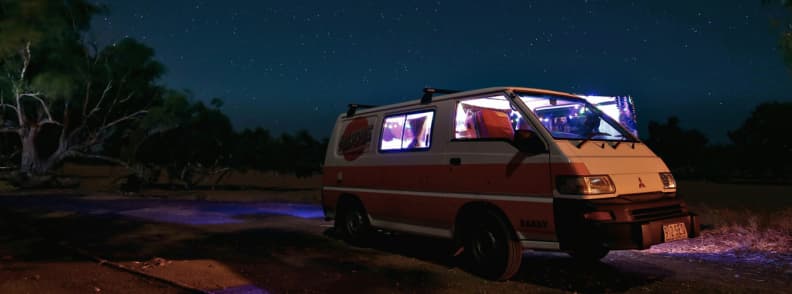
Are you planning a road trip through Australia’s Outback from Alice Springs? Many travelers begin their desert journey in this remote Northern Territory town, which serves as a main supply point in central Australia. Crossing the Outback offers a chance to experience some of the country’s most remote landscapes, including iconic red rock scenery such as Uluru and ancient desert ecosystems.
The Outback is famous for its Aboriginal culture, remote deserts, and clear night skies. Many travelers use Alice Springs as a base before heading into more isolated areas. Serious preparation is a must. Being self-sufficient is essential when driving through these remote regions.
Outback packing list for Alice Springs road trip
Outback road trips need careful planning. Most travelers pack these important items in Alice Springs before heading out to remote areas.
Physical Maps
Many travelers assume their mobile phones are enough to navigate remote Australia. In reality, they are not. When traveling through the Outback after leaving Alice Springs, you should carry a road map of Australia and avoid relying solely on a mobile phone or GPS.
Digital systems can fail, batteries can run out, and mobile service can disappear for hundreds of kilometres. A physical map doesn’t need a signal, updates, or battery power. It always works, no matter the conditions.
Travelers who leave Alice Springs on routes like the Stuart Highway or nearby desert tracks soon find that digital navigation is rarely reliable in much of the Australian interior.
Physical maps give you a better overview of the area, making it easier to find alternative routes if a track is flooded, closed, or blocked. If you’re in a 4WD, specialised paper maps can show bore drains, station tracks, and minor routes that digital maps might miss or get wrong.
Before you leave Alice Springs for remote areas, buy and pack at least one physical map as a backup. Mark your fuel stops, rest points, and planned overnight spots. Give someone at home a copy of your route.
Vehicle Preparation
Driving in the Outback means you’ll face extreme and isolated conditions, and help could be days away. Getting your vehicle ready before a road trip in Australia is a safety must, not just a suggestion.
Mechanical failures, flat tyres, heat, rough roads, rocks, and dust all put your vehicle under stress. Overloading it increases the likelihood of breakdowns and the risk of rollovers.
Make sure your vehicle stays under its Gross Vehicle Mass (GVM), which is the maximum weight allowed, including fuel, passengers, and cargo. Check this limit with the manufacturer, whether you’re using your own car or a rental, before you leave.
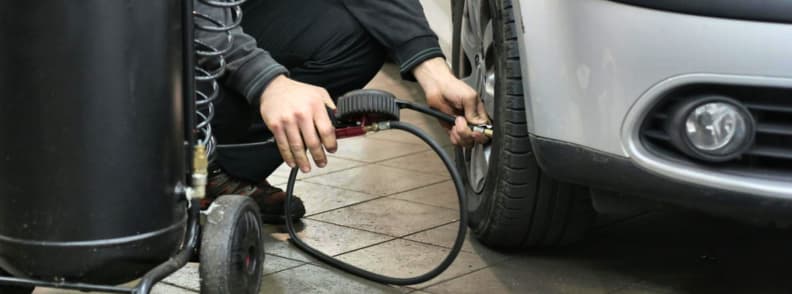
Check your tyres for wear, the right pressure, and enough tread. Bring at least one spare tyre, plus a jack and a wheel brace. Have belts, hoses, coolant, oil, fuel systems, and the radiator checked to lower the risk of overheating or leaks.
Extra gear, like a bull bar, can help protect your vehicle from animal strikes. UHF radios, snatch straps, and a shovel are also standard recovery tools for remote trips.
Repair Kits and Tools
Even if your vehicle is well-prepared, unexpected problems can still happen. In remote areas, help might not be available right away.
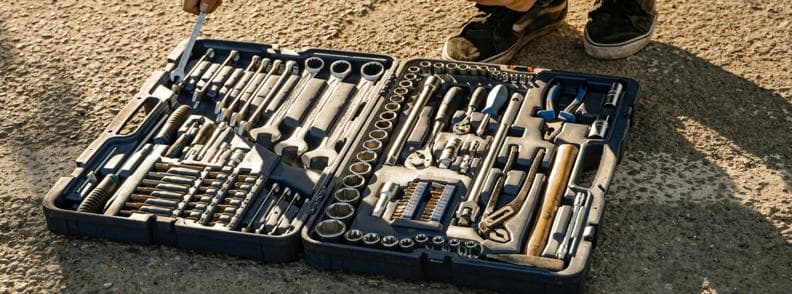
Bring a good repair kit so you can fix minor mechanical problems. Spare belts, hose repair materials, tyre repair kits, basic tools, and duct tape can mean the difference between getting back on the road and being stranded.
Being self-reliant is key to safe Outback travel. Rescue services can take a long time to reach remote areas. Roads like the Oodnadatta Track and the Plenty Highway, both starting from Alice Springs, cross long stretches of desert. Experienced Outback travelers always carry basic repair tools on these routes.
Reliable Off-Grid Communication Devices
Standard mobile coverage is unavailable across much of remote Australia. Don’t assume you will be able to make a phone call in an emergency.
Satellite phones provide two-way voice communication regardless of mobile coverage. Personal locator beacons, or PLBs, allow you to transmit an emergency distress signal with your GPS location. UHF radios enable short-range communication with nearby travelers and truck drivers.
In remote Australia, emergency response times can be significantly extended due to distance and terrain. Carrying independent communication equipment aligns with established remote area travel safety recommendations. Many travelers purchase or rent these communication devices in Alice Springs before leaving town.
Emergency Water Supply
Temperatures in the Australian Outback often go over 40 degrees Celsius. In this extreme heat, dehydration can become life-threatening in just a few hours.
Bring at least four litres of water per person per day. Also, pack a separate emergency reserve of at least four litres per person and don’t use it unless you have to. Store your water in several strong containers so one leak won’t ruin your whole supply.
Since water is heavy, keep it low in your vehicle to help with stability. For longer trips, many travelers carry 20 litres or more, depending on how long they’ll be out and how many people are with them.
Travelers leaving Alice Springs for remote desert highways often bring extra water, especially when driving long distances between towns.
Fuel Reserve and Range Planning
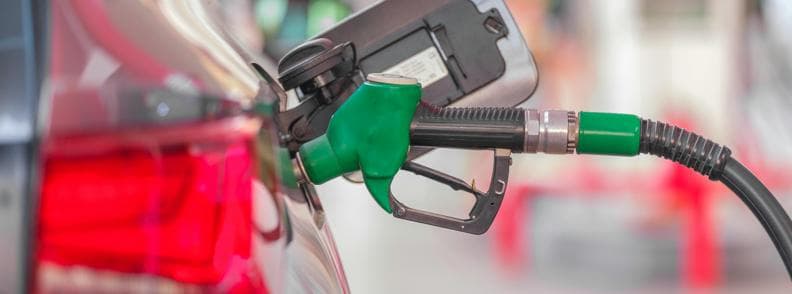
In remote areas, service stations can be 300 to 500 kilometres apart. Always work out your fuel use based on real conditions, not just ideal highway numbers when going on a road trip.
Things like detours, sand driving, headwinds, or a heavier load can make your vehicle use more fuel. Bring approved fuel containers if you’re going long distances between towns. Plan your fuel stops and check their opening hours ahead of time.
Drivers heading from Alice Springs into remote parts of Australia often plan fuel stops at small settlements and roadhouses, which may have limited hours. Make sure to map out your route before you go.
Non-Perishable Food Supplies
Food is essential for both routine travel and emergencies. In remote regions, fresh supplies may not be available for extended periods.
Travelers leaving Alice Springs for long stretches of the Outback quickly realise that the distance between towns makes food planning essential. Some remote routes may not offer shops or supplies for several hundred kilometres.
Pack non-perishable foods like canned goods, soups, vegetables, fruit, jerky, trail mix, nuts, biscuits, and crackers that can handle heat and long trips in your vehicle. Pick foods with long shelf lives and enough nutrition to keep you going if you get delayed.
Experienced Outback travelers often pack extra emergency food in case of road closures, bad weather, or mechanical problems that delay their plans.
First Aid Supplies
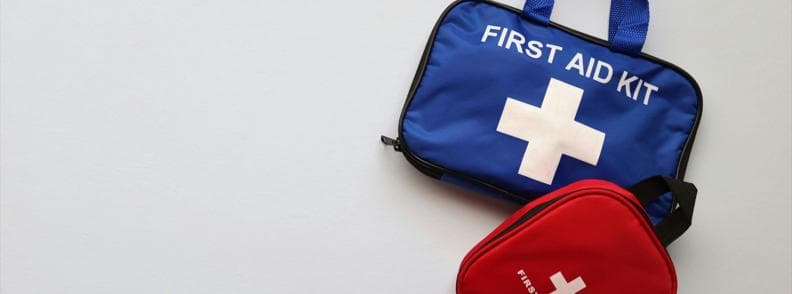
A good first aid kit is a must when traveling through isolated parts of the Australian Outback. Many travelers put these supplies together in Alice Springs before heading into remote areas, where medical help could be hours away.
Try to include long crepe or compression bandages suitable for applying the Pressure Immobilisation Technique for snake bites. This method is recommended in Australia to slow the spread of venom until medical care is available.
Snake encounters are rare but possible in remote areas, which is why this technique is widely recommended in Australian first aid advice. If you haven’t had first-aid training in Australia, try to do that before packing your first-aid kit.
If you already know the basics of Australian first aid, go ahead and get items for your kit like adhesive strips, sterile dressings, gauze, antiseptic, and wound care supplies. Also include your personal medications, pain relief, antihistamines, and anti-diarrhoea medicine.
It’s also a good idea to pack an emergency or thermal blanket in case you get stranded overnight. Outback temperatures can drop a lot after sunset, especially in the desert, so thermal protection is useful even after hot days.

Ready for your Outback road trip from Alice Springs?
The Outback has its own unique challenges. Careful preparation and realistic planning can reduce many risks. While you can’t remove all danger, being well-prepared makes preventable emergencies much less likely.
When you leave Alice Springs to explore remote Australia, being well-prepared isn’t overdoing it. It’s just being responsible. Packing the right supplies before your Outback road trip can mean the difference between a safe journey and a tough situation.
About the Author

Hi, I’m Mirela Letailleur, founder of The Travel Bunny, an award-winning travel blog focused on practical, budget-smart travel across the globe. I specialise in detailed travel planning, from city breaks to remote road trips, with a strong focus on safety, logistics, and real-world preparation. My guides combine hands-on research, official recommendations, and years of experience helping travelers plan routes, pack efficiently, and avoid costly mistakes.
I write clear, actionable travel guides designed to help you make confident decisions before you leave home. From building a reliable Outback road trip packing list to understanding fuel planning, vehicle setup, and emergency supplies, I focus on what matters when you travel in remote conditions. My work has been recognised with international blogging awards, and I continue to create trusted resources that travellers rely on when planning complex trips.
After learning what to bring driving in Australian Outback, check out these travel guides from The Travel Bunny
What Every Applicant Needs to Know About Partner Visa 820 and 801
How to Spend One Week In Sydney. The Ultimate 7 Day Sydney Itinerary for Travelers
Great Barrier Reef 2026: Discover Australia’s Hidden Underwater Wonders