
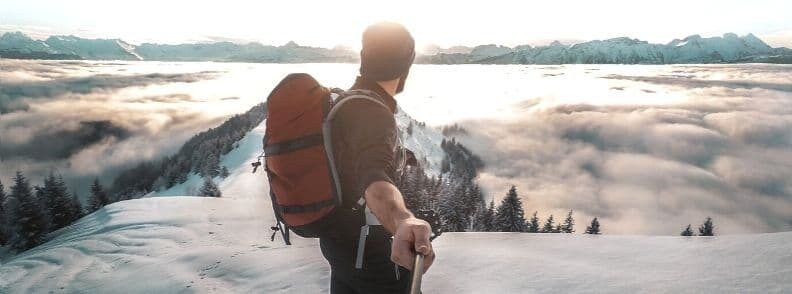
Skiing in France means tapping into the biggest winter playground in Europe, from the iconic French Alps to the quieter Pyrenees, Jura, Vosges, and even Corsica. I live in France, and every winter I see ski towns flip into season mode, with everything geared towards one thing: getting you onto the snow.
When you ski in France, you tap into over 400 ski resorts France, from big-name French ski resorts in the Alps to smaller stations in the Pyrenees, Jura, Vosges, and even Corsica. France is the world’s leading winter sports destination, with France ski statistics that are hard to ignore. France has 9,877 km of marked pistes served by roughly 3,038 lifts, more than any other country, which is why many people see Alpine skiing France as the natural first choice for a European winter.
All you need to go skiing in France
French Alps skiing is what most people picture when they think of skiing in the Alps. The best ski resorts in France sit in the northern and southern Alps and offer everything from gentle skiing bunny runs French Alps to some of the steepest lines in Europe.
If you wonder where to ski in France or which part of France is best for skiing, this guide will help you compare the top ski resorts French Alps, from the largest ski area in France in the Trois Vallées to more intimate valleys where you can still find space on the slopes. As someone who lives in France and spends a lot of time in the mountains, I want to show you how these areas fit together so you can pick the right base instead of guessing from a map.
Why ski in France rather than Austria or Switzerland is the next big question. A France ski vacation often works out better value than people expect, especially once you compare lift pass prices, on-mountain food, and the sheer volume of terrain included in your ticket. This complete guide from The Travel Bunny walks you through why ski France vs Austria or Switzerland, where are the best ski resorts in France, and how many ski resorts in France you can realistically choose from for your trip.
Disclosure: Some of the links on this page are affiliate links. This means that at no extra cost to you, The Travel Bunny will earn a small commission if you click through and make a purchase. Thank you!
Why Ski in France?
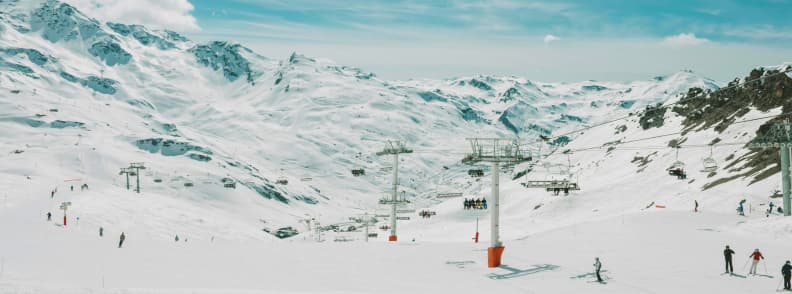
France delivers scale, altitude, and cultural depth in a way few winter destinations match. You find the largest interconnected ski areas in the world here, including Les Trois Vallées with over 600 km of linked pistes. High elevation keeps the snow reliable from early winter to late spring. Purpose-built lifts move people fast, and the terrain spreads from gentle greens to serious off-piste. Alpine villages sit between peaks, cheese and wine shape the food culture, and après ski ranges from relaxed bars to full slope side parties.
Prices add another reason to look closely at a France ski vacation. A six-day Chamonix pass averages far lower than the cost of skiing in North America ($415 vs. $1200). On-mountain food also comes in cheaper while keeping a higher standard. This is where many travelers realise that wondering Is skiing in France expensive? is the wrong starting point. The better question is how to match your skiing style with the right corner of the Alps and how much value you get for the terrain covered.
The Appeal of French Alps
When people talk about skiing the French Alps or search for the best ski resorts French Alps, they think of these high valleys and wide bowls. The top ski resorts French Alps concentrate snow, altitude, and lift speed. The terrain supports progression from beginner to expert, which is why many see this area as the best skiing in France.
Snowboarders also benefit from it. French Alps snowboarding usually means long natural lines and maintained parks.
If you want a mix of range and cultural comfort, Alpine skiing France suits both short trips and longer breaks. These are the landscapes that shape a classic France ski vacation or longer ski holidays French Alps.
For comparison shoppers, France vs Switzerland skiing and France vs Austria skiing often end with France winning on terrain volume and access. If your first question is still Is skiing in France expensive?, the answer tends to shift once you see what is included in the lift pass. We will cover all the costs associated with skiing in France later in this guide.
French Alps vs Other European Destinations
The Alps in France hold the world record for total kilometres of runs. This is one reason people then compare them with broader markets.
Some travelers check skiing in France vs USA costs or compare France vs Switzerland skiing and France vs Austria skiing to understand where value sits. Others look for the best ski resorts in Europe France, to benchmark the experience. The results are stable. Lift pass value outweighs most alternatives, and terrain density is unmatched.
After that, comparing France ski prices vs Switzerland and the full France ski vacation cost vs US usually shows lower averages in France for the same or greater terrain.
How much does it cost to ski in France? The answer depends on resort size and school holiday timing. The baseline ski pass prices France undercut much of Europe, and this stays true even for the peak domains. Those planning in advance should look for ski holiday packages French Alps 2026 to lock in predictable costs.
France also stands apart in how the ski domains link. Les Trois Vallées alone connects more than 600 km without a break, which cuts transit time and increases the number of runs per day. Skiing in Austria or Switzerland offers outstanding mountains, but few networks match this scale. Purpose-built villages in France also improve the flow because you can ski to and from many front doors without stepping out of your boots.
Who Should Ski in France
The country suits a wide range of profiles, starting with anyone looking at skiing in France for beginners. Many valleys have long green and blue runs and wide learning zones. If you want to focus on progression, there are great beginner ski runs France, and several easy ski resorts in France to help shape your shortlist.
Families see similar benefits because family friendly ski resorts France combine terrain with childcare, schools, and village access.
At the other end, people seeking comfort and style often search for luxury ski resorts French Alps, while others look for budget ski resorts French Alps to manage their total spend. Both exist in the same region, which makes planning simpler.
A France ski vacation also works well for group dynamics. Weekend ski trips France are common among locals and expats. Larger parties plan group ski holidays France and book family ski packages to balance price and location. The scale of the terrain allows a mix of levels in one group without compromising the experience of stronger skiers.
Where Can You Ski in France?
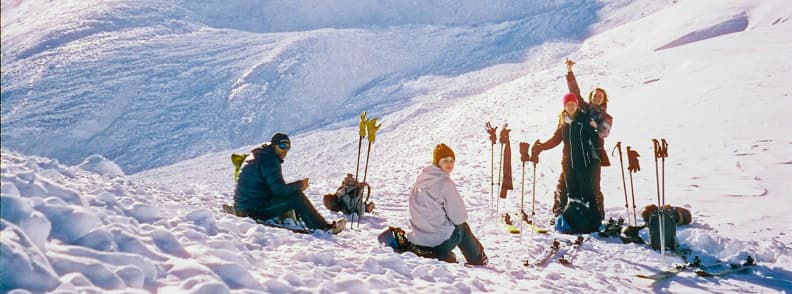
France offers a wide range of ski resorts France that stretch across several mountain chains. Most travelers picture skiing in the Alps, yet the country also has established areas in the Pyrenees, Jura, Vosges and the Massif Central. A good skiing in France map shows how enormous the territory is. There are also lots of opportunities for skiing near Switzerland border France and skiing near Italy border France, which lets you combine French terrain with a taste of the neighbouring countries.
Major Ski Regions in France. North, South, and Central Massif
The Northern Alps dominate the classic image of French winter sports. This is where the tallest peaks sit and where modern lift systems evolved, which explains the density of well known resorts such as Val Thorens, Les Menuires, Tignes and La Plagne. These valleys represent the historical core of French skiing and they still shape how people understand skiing in the Alps today.
The Southern Alps feel different. Here the Hautes Alpes mix high altitude with more sunshine and quieter slopes. This is the territory that appeals to value minded travelers because you get serious terrain without the premium price tag.
Once you look beyond the Alps, the Central Massif adds hometown stations with short runs and a welcoming local feel.
Skiing in France Planning Tip: Check the altitude bands before you book because local weather changes fast between valleys at the same time of year.
The French Alps, a Premier Ski Region
The French Alps remain the main draw for French Alps skiing because this region gathers the most terrain in the country. When people search for skiing in the French Alps or compare ski resorts French Alps, they are usually comparing Savoie, Haute Savoie, and Isère.
The best ski resorts French Alps sit above 2,000 metres in many cases, which drives the long seasons and gives the region its strong reputation for snow reliability French Alps.
The Tarentaise Valley in Savoie carries legendary names such as Courchevel, Val d’Isère, and Tignes. To the north, Haute Savoie anchors domains like Portes du Soleil. These clusters shape what people describe as the top ski resorts French Alps and why they return for Alpes françaises winters.
Big networks like Les Trois Vallées with 600 km of linked pistes and Espace Killy with glacier access define the standard that the rest of Europe measures against.
Skiing in France Travel Tip: If you plan a peak season trip, look at chairlift orientation on resort maps because south facing chairs warm quickly and stay more comfortable during cold snaps.
The Pyrenees, Authentic and Affordable
The Pyrenees offer a contrast to the Alps. The presence of Pyrenees ski resorts France gives travelers a quieter option that leans more local. These valleys sit on the border with Spain and often provide lower prices, which helps explain the interest in budget ski resorts France.
People return to the cheapest ski resorts in France from The Pyrenees for family friendly terrain, open views, and relaxed village life. Resorts such as Grand Tourmalet ski cover the largest area here, while Saint Lary ski gives families long, steady descents and good snow when winter patterns align.
This is a strong alternative for anyone who wants to ski without crowds and still enjoy a full French winter experience.
Pyrenees Skiing Advice: Watch for Spanish school holiday dates because they influence crowds on the French side more than many travelers expect.
Other Mountain Ranges. Jura, Vosges, And Massif Central
France’s smaller mountain chains offer a different rhythm to alpine skiing.
In Jura, the mix of gentle downhill terrain and extensive Nordic trails explains why people look for cross-country skiing Jura options before planning a weekend away. Resorts such as Les Rousses sit close to Switzerland and draw families who want quiet slopes rather than altitude.
The Vosges lean into forest scenery and rolling hills, which is why Vosges ski resorts France appeal to beginners and anyone who wants simple skiing without the pressure of a major domain. Conditions shift quickly here, yet the atmosphere stays grounded and local.
Massif Central ski resorts add another layer to the map. Places like Le Lioran serve nearby towns and offer straightforward lift access, making them practical choices for travelers who prefer short drives over long alpine transfers.
Skiing in France Advice: If you travel by car, these smaller stations often have free parking right by the lifts, which makes them an easy last minute choice.
Top 10 Best Ski Resorts France
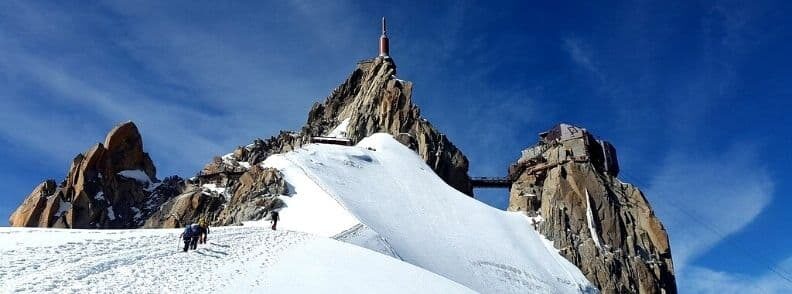
France’s mountains stretch across several ranges, which explains why the best ski resorts in France cover everything from high altitude mega domains to quieter village bases. This list gathers the top 10 ski resorts France to help you compare terrain, atmosphere, and access without guessing. You will notice clusters in the Alps because the best ski resorts in French Alps concentrate the longest seasons and the widest terrain. These remain the top ski resorts French Alps for most travelers and expats planning a winter in France.
- Chamonix Mont Blanc offers big mountain scenery and some of the most dramatic ski terrain in Europe. The valley spreads over several areas, which gives a mix of steep faces and relaxed lower slopes.
- Courchevel blends polished villages with access to the vast Three Valleys network. The terrain suits all levels, and the lift system keeps movement smooth across multiple sectors.
- Val Thorens sits at the top of the Three Valleys and stays snow secure from early winter to late spring. High altitude slopes and fast lifts define the feel of the resort.
- Tignes and Val d’Isère form the Espace Killy and offer long seasons, glacier access, and technical steeps. The villages sit at altitude, so snow quality stays reliable. For spring skiing, start on the Grande Motte glacier and work your way down as the snow softens.
- Les Arcs and La Plagne. Paradiski links these two huge areas with a fast double decker cable car. Each side brings a different character, from wide bowls to forested descents.
- Alpe d’Huez is known for long runs and sunny slopes, plus a wide network of terrain for all levels. The high elevation keeps snow fresh on the upper faces.
- Les Deux Alpes blends glacier skiing with a lively village and broad pistes for intermediates. The snowpark remains a major draw through the season.
- Méribel sits in the heart of the Three Valleys and gives easy access to both Courchevel and Val Thorens. Its central bowl makes navigation simple, even on busy days.
- Avoriaz and Montgenèvre. Avoriaz anchors the French side of the Portes du Soleil and offers car free convenience with wide pistes. Montgenèvre brings quieter slopes and a sunny climate on the Italian border.
- Serre Chevalier mixes altitude with long tree lined slopes and a relaxed local feel. The terrain suits a range of levels, and the valley enjoys frequent sunshine.
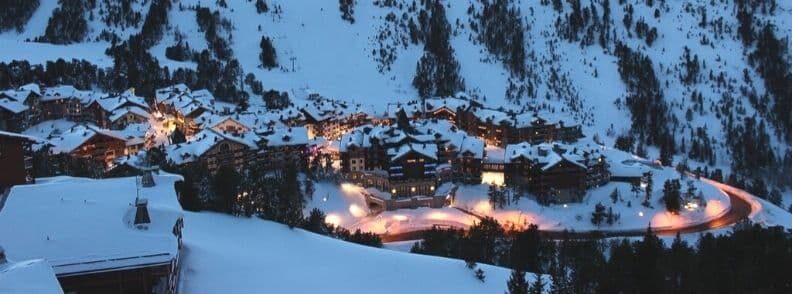
Top Ski Resorts in France by Skill Level
France has enough variety to match every skier with the right terrain. The country mixes gentle areas for skiing in France for beginners with wide cruising zones for confident intermediates and long, steep descents for advanced skiers. This section of my France skiing guide helps you understand where skiers of different levels will feel most at home across the French mountains.
Best Ski Resorts in France for Beginners
La Plagne makes learning straightforward, with soft terrain around Montchavin and Les Coches that gives complete beginners space to progress without stress. These areas offer some of the best beginner ski runs France because the gradients remain steady and lifts stay close together. If you want the quietest starts to the day, focus on the lower Montchavin lifts because morning groups often head higher up.
Les Arcs works well for new skiers who want smooth progression. Arc 1800 and Arc 1600 hold long green and blue runs designed for early technique building, which explains why the resort stands out among the best ski resorts in France for beginners.
Les Arcs Skiing Tip: The Villards gondola usually stays calm mid morning, which gives beginners a window to practice without pressure.
Flaine remains one of the easiest places to make fast progress thanks to a wide bowl and forgiving greens near the base. These green runs French Alps stay consistent in gradient and offer a clear path from first turns to early confidence. The Serpentine piste becomes a favourite for many first timers once they move beyond the nursery slopes.
La Rosière offers gentle terrain with long, open pistes that let new skiers settle into a rhythm. The resort’s beginner zones sit close to the village, which helps anyone looking for the easiest ski resort France feel comfortable from day one.
La Rosière Skiing Advice: If the weather turns, stay on the lower pistes that remain sheltered from the wind.
Avoriaz gives beginners a rare mix of central convenience and open learning slopes. The village sits right on the snow, so reaching the best beginner ski runs France takes little effort. These areas stay wide and predictable, which is ideal for building confidence. Look for the Proclou sector because the sunlight there stays soft and steady throughout most of the season.
Valmorel rounds out the list with its structured ski school zones and gentle pistes close to the village. Families appreciate the slow progression areas, and the layout helps beginners keep track of lifts without getting overwhelmed. Try the pistes toward Les Avanchers early in the day for the smoothest snow.
Beginner slopes Chamonix deserve a note too. Les Planards and Les Chosalets sit lower in the valley and give an easier entry point into a region known more for extremes than for Flaine ski or La Rosière beginners style learning zones. When clouds drop over the valley, ski Les Houches because the tree cover improves visibility when the upper lifts close, which makes it a reliable fallback.
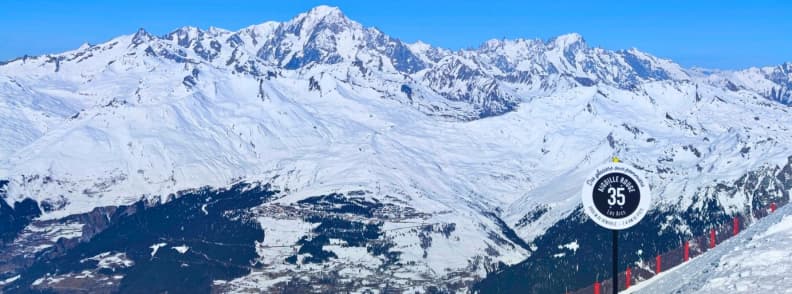
Best Ski Resorts in France for Intermediates
Méribel sits at the centre of the Three Valleys and suits confident cruisers who want variety. The terrain spreads in every direction from the village, which makes it one of the best ski resorts in France for intermediates. Red runs connect valley to valley, and the lifts keep the flow fast across the full domain.
Méribel Skiing Tip: Intermediates should cross toward Mont Vallon early because the snow stays crisp there before midday.
Avoriaz remains strong for upper blues and reds and has a practical lift layout that keeps queues short. Its broad pistes are ideal for anyone moving beyond basic technique and wanting steady terrain without surprises. For a quieter experience, take the Lindarets bowl in late afternoon when most skiers head back toward the village.
Les Deux Alpes combines glacier access with long, consistent red runs that suit strong intermediates. These red runs French Alps give wide carving space and predictable snow, especially on colder days higher up the mountain.
Les Deux Alpes Skiing Advice: Start from the top early to enjoy the smoothest snow because the sun softens the lower slopes quickly.
Alpe d’Huez has one of the best collections of medium difficulty terrain in the Alps. The Alpe d’Huez ski resort layout offers long descents and rolling slopes that reward good balance and control. Intermediates should explore the Signal sector for dependable snow and relaxed gradients.
Les Arcs once again shows its versatility. Arc 1950 and Arc 2000 hold spacious reds and high speed blues that make the Les Arcs ski resort ideal for strong intermediates who want to roam widely without hitting terrain that feels too steep.
Les Arcs Skiing Tip: The long run from the Aiguille Rouge cable car can be tackled in sections to build confidence without committing to the full descent.
Best Resorts for Expert and Advanced Skiers
Val d’Isère blends big mountain character with technical variety. The steeps above Le Fornet and the glacier access place it high on any off-piste skiing French Alps guide, and strong skiers come for the sustained gradients that define the upper sectors.
Glacier Skiing France Advice: Hire a local guide for the Pissaillas glacier so you can reach terrain that stays untouched after storms.
Extreme skiing Chamonix terrain holds legendary status. The valley offers some of the best off-piste terrain France, with long couloirs and deep bowls for those with skill and knowledge. Advanced skiers should monitor the Grands Montets opening schedule because conditions change fast at altitude.
La Grave stands apart as a raw mountain environment with no marked pistes, which is why it anchors conversations about black runs La Grave and freeride spots Alpes. This is a destination for confident experts with a clear plan and avalanche awareness.
La Grave Skiing Tip: Check the cable car wind forecast because closures can affect the whole day’s plan.
Expert terrain Alpe d’Huez delivers long steeps such as the Tunnel run. Its layout suits strong legs and technical ability, and the high elevation keeps the snow firm even during warmer spells.
Alpe d’Huez Skiing Recommendation: Aim for early morning laps on the Sarenne run before it becomes busy because this gives the cleanest snow for advanced carving.
Across these resorts, backcountry skiing, mogul runs French Alps, glacier skiing and ski touring French Alps remain constant draws for people looking for rugged, high altitude skiing.
Biggest Ski Resorts in France
Les Trois Vallées still stands as the benchmark for scale. With 600 km of linked pistes, it absorbs skiers of all levels and sits firmly among the biggest ski resorts in France.
Les 3 Vallées Budget Tip: Compare ski pass prices France across the Three Valleys villages because Méribel and Les Menuires often offer better value than Courchevel for the same terrain.
Tignes Val d’Isère forms the Espace Killy, a high altitude network known for its snow security. The Tignes Val d’Isère Espace Killy area covers steeps, glaciers and wide pistes, which suits skiers who want a long season and reliable snow.
Skiing in France Tip: In spring, start your day on the Grande Motte glacier to get the firmest early morning snow.
Paradiski joins Les Arcs and La Plagne into a vast domain that carries every type of slope. Its layout ranks it among the biggest ski resorts in France, and its balanced terrain makes it ideal for mixed ability groups.
Paradiski Accommodation Advice: Stay near the Vanoise Express if you want to move between both sides of Paradiski without losing time.
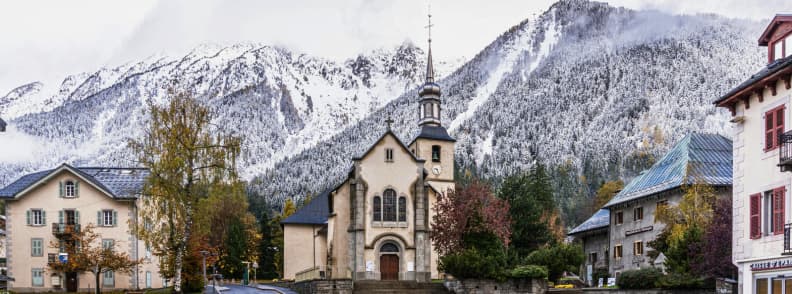
Chamonix Mont-Blanc. Legendary Off-Piste & Scenery
Chamonix skiing delivers steep lines, wide glaciers, and a beautiful mountain town. The setting under Chamonix Mont Blanc shapes everything from the terrain to the nightlife. You ski across separate areas rather than one enclosed resort, which keeps the valley interesting for longer stays in the French Alps.
The lift network reaches 3,842 meters at the Aiguille du Midi and drops to village bases just above 1,000 meters. This vertical range feeds classic routes, including the Vallée Blanche, a 22-kilometre off-piste descent that belongs in every serious off piste skiing French Alps guide.
Strong skiers use Chamonix as a base for steep couloirs, glacier routes, and guided freeride. Experts make day trips to La Grave for the rawest terrain in the region, where the steepest black runs La Grave challenge even confident skiers.
Newer skiers can use beginner slopes Chamonix at Les Planards or shift to Les Houches where tree-lined pistes between 1,000 and 1,900 meters stay calm in bad weather. Families often choose this side of the valley for Chamonix ski lessons beginner beginner-friendly.
Chamonix Local Tip: Check the Mont Blanc tunnel traffic before planning a La Grave detour. Unexpected backups can delay the whole day.
Chamonix Après Ski Scene
Chamonix’s après ski spreads through the town rather than focusing on one venue. Chambre Neuf stays energetic with live music and busy evenings. Elevation 1904 runs a more relaxed terrace near the river. La Folie Douce Chamonix sits by the Savoy slopes and offers staged performances and open air drinks. These spots give you a full range of atmospheres without leaving the centre.
Chamonix Après Ski Recommendation: For a quieter drink after skiing, try Micro Brasserie de Chamonix (MBC), where the crowd stays local, and the beer is brewed on site.
Dining and Restaurants in Chamonix
You can eat very well in Chamonix without chasing fine dining. La Caleche serves Savoyard classics in a warm wooden interior. Maison Carrier offers regional dishes with a lighter touch and excellent desserts. Bighorn Bistro works for travelers who want hearty food with a mountain view. These Chamonix restaurants keep the focus on local cheese, cured meats and alpine wine traditions without feeling heavy every night.
Chamonix Foodie Tip: If you prefer short dinners on ski days, Cool Cats does quick street food with good ingredients and minimal waiting times.
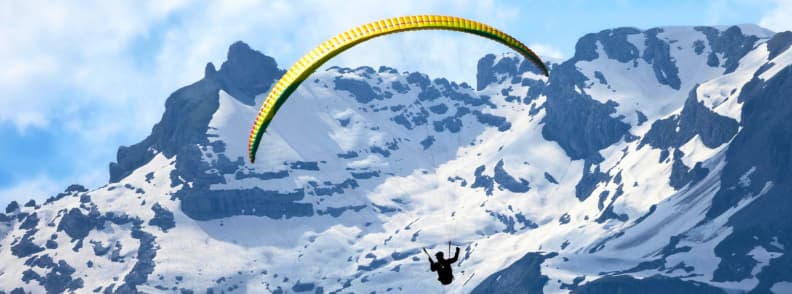
Non Skiing Activities in Chamonix
Chamonix offers several winter activities that stand on their own. The Aiguille du Midi cable car gives the most dramatic access to Mont Blanc views and stays open through winter. I strongly recommend you book the Aiguille du Midi for the first lift of the day to avoid long queues and enjoy the clearest views before cloud builds over the massif.
The Montenvers train climbs from central Chamonix to a high perch above the Mer de Glace, giving you a clear look at the largest glacier in France. The ride itself anchors the experience because the red cog train pulls you through forest and cliffs before reaching the historic station. From there you can visit the ice cave, explore short marked trails or take in the scale of the glacier from the terraces. It is one of the easiest ways to experience the high mountains without skiing.
Paragliding in Chamonix gives you a rare view of the valley from above the pistes and glaciers. A tandem flight over the Alps starts at Plan Praz or Plan de l’Aiguille, where you take off at around 2,100 meters with a licensed instructor who manages the entire flight. The air feels calm once you lift from the slope and the view opens toward the Mont Blanc range, the Aiguilles and the forests below. Many travelers add the optional HD video because the footage captures the full sweep of the valley in a way photos cannot.
Book your Chamonix tandem flight now because the best time slots disappear fast on clear days.
A snowshoe walk under the stars in Chamonix gives you a calm, private way to explore the valley at night with a local guide who knows the terrain and its stories. Olivier leads the route across gentle rolling ground with headlamps, sharing insights about winter life in the Alps while keeping the pace easy for beginners, families or small groups. The two hour outing reveals quiet forests, open clearings and views of the Mont Blanc massif lit by moonlight or starlight. You can also request a daylight or sunset version if you prefer warmer colours.
Book this private night walk in Chamonix ahead of your trip to secure a guide and a route that fits your fitness level without leaving anything to chance.
Where to Stay in Chamonix Mont Blanc
Chamonix has a wide accommodation range that fits every style of trip, from simple mountain lodges to boutique hotels with full spa access.
- Hotel Mont Blanc Chamonix offers refined rooms and a central location for travelers who want comfort and mountain views.
- Héliopic Hotel & Spa by the Aiguille du Midi station works well for skiers planning guided glacier days because the lifts sit steps away.
- Hotel Le Faucigny gives a quieter base near the pedestrian zone and remains popular with couples and solo travelers.
- Anyone who wants a calm family stay can look at Chalet Hôtel Les Campanules by Les Etincelles in Les Houches to stay close to sheltered slopes.
Chamonix Accommodation Tip: If you travel without a car, stay close to a ski bus stop because the valley’s spread out areas make buses essential for easy morning starts.
Chamonix has a strong wellness culture supported by athletes who train year round. QC Terme Chamonix offers indoor and outdoor pools with Mont Blanc views and works well for quiet afternoons.
Many hotels also offer day spa access to non guests. Hôtel Mont Blanc, Héliopic Hotel & Spa, and Le Faucigny Hotel de Charme & Spa mentioned above have full spa facilities with saunas, steam rooms and heated pools. These spaces help you recover after long ski days or fill cloudy afternoons without rushing into town.
Chamonix Spa Recommendation: Visit QC Terme in the early afternoon because evenings bring peak demand and longer waiting times for pools and saunas.
Courchevel for Luxury and All Level Terrain
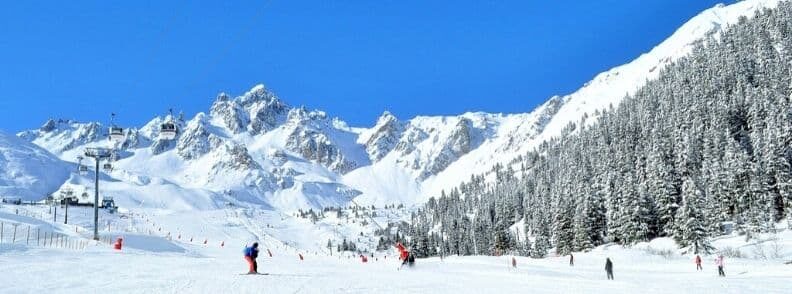
The Courchevel ski resort spreads across six linked villages, each with its own rhythm, which gives you a broad Courchevel ski area overview before you even step on the slopes.
Courchevel 1850 carries the polished image of the luxury ski resorts French Alps with five star hotels, fine dining and high end boutiques. Courchevel 1650 and 1550 offer a calmer base with easier access to family friendly slopes, while Le Praz and La Tania give a quieter village feel. The terrain across the whole valley suits every level and ties into the Three Valleys network, which creates one of the most convenient skiing layouts in Europe.
Courchevel Travel Tip: Check which village your accommodation sits in before booking because distances between levels matter for morning lift access.
Courchevel Après Ski Scene
Courchevel hosts a refined après ski culture shaped by terrace bars, live music and stylish lounges. Le Tremplin in Courchevel 1850 stays lively from mid afternoon with a mix of skiers and locals. La Mangeoire brings a more intimate setting with music later in the evening. Fire and Ice Courchevel offers a relaxed outdoor bar where you can enjoy open air drinks with heaters and comfortable seating. These spots balance energy and comfort without overwhelming the atmosphere.
Courchevel Après Ski Recommendation: For a quieter late afternoon drink, try Le P’tit Drink in Courchevel Le Praz because it draws more locals than tourists.
You can also experience Courchevel’s après ski without the guesswork through a hosted evening that matches your group with the right venue at the right moment. Your guide handles table reservations at top spots like La Folie Douce, Bagatelle, Cap Horn or Baies and uses local knowledge to choose the atmosphere that fits your day. You arrive together on skis or on foot with no queues or confusion, and return logistics are arranged whether you leave before sunset or stay into the early evening.
Reserve your hosted après session now to enjoy Courchevel’s nightlife with none of the stress.
Dining and Restaurants in Courchevel
Courchevel’s restaurant scene blends gastronomic ambition with alpine comfort. Le Chabichou, a long established favourite in Courchevel 1850, serves refined French cuisine built around seasonal produce. Le Bistro du Praz offers classic mountain dishes with careful execution and a warm interior. La Table de Mon Grand Père in Le Praz delivers generous Savoyard meals and attentive service, ideal after a long ski day. These kitchens give you a clear sense of French cooking shaped by local ingredients and sharp technique.
Courchevel Restaurant Tip: Book lunch for the quieter mid service window because evenings fill early in peak season.
Non Skiing Activities in Courchevel
Dog sledding remains one of the most popular non skiing days in Courchevel because it takes you through snow covered forests and open plateaus in a simple, accessible way. The routes offer a calm break from the lifts and give you a different view of the valley.
Snowshoeing in Courchevel gives you a quiet break from the ski area as you follow a local mountain guide into the forests and open valleys around the Belvédère or Plan du Vah. The outing lasts around three hours and leads to hidden lakes, wooded paths and calm plateaux where animal tracks appear after fresh snowfall. Snowshoes and poles are included, and the pace stays comfortable so you can enjoy the landscape while learning about the region’s nature and winter traditions. A warm drink break adds a simple pause before the return.
Reserve a guided Courchevel snowshoe walk in advance to match the route to your fitness level and avoid last minute schedule gaps.
A ski photo session in Courchevel turns an ordinary day on the slopes into a personalised visual story. Over two hours, your photographer follows you across scenic runs and quiet lookouts to capture action shots, portraits and candid moments that feel relaxed and natural. Local knowledge helps you reach viewpoints that most visitors miss, and simple posing tips keep the photos authentic rather than staged. The session fits couples, families, groups of friends or solo skiers who want images that feel polished without losing the spontaneity of a real ski day.
Reserve your Courchevel photo session early to lock in the best light and quieter slopes.
Where to Stay in Courchevel
Courchevel accommodation splits across its villages, which lets you choose between luxury, convenience or a quieter base.
- L’Apogée Courchevel in 1850 is one of the most reliable luxury choices, with polished service, refined interiors and direct ski access.
- Hotel Le K2 Altitude blends alpine design with a calm atmosphere away from the busiest paths.
- Travelers who want comfort without a luxury price tag should check Hotel Les Monts Charvin or Hotel Le Courcheneige in 1850 for ski in ski out access at a softer rate.
Courchevel Accommodation Tip: Pick your hotel based on lift access rather than altitude labels because morning queues vary by sector and village.
Courchevel Wellness and Spa Facilities
Courchevel holds some of the most polished spa facilities in the Alps. Le Chabichou Spa offers pools, saunas and a full treatment menu in a calm white stone space. Aquamotion Courchevel suits travelers who want both wellness and activity, with indoor pools, hammams and relaxation zones alongside sports facilities.
Spa Diane Barrière at Hôtel Barrière Les Neiges delivers a quieter retreat with warm lighting and attentive service. These places help you recover from long ski days or create slower afternoons without leaving the village.
Courchevel Spa Recommendation: Visit Aquamotion before mid afternoon because families tend to arrive later, and the early window stays more peaceful for adults.
Val Thorens, the Highest Ski Resort in Europe
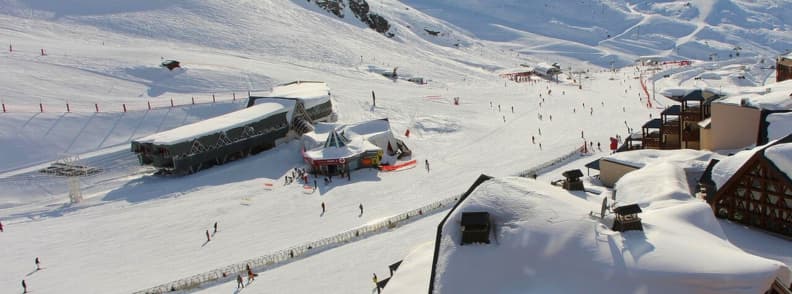
Val Thorens France sits at 2,300 meters and reaches 3,230 meters at its highest lifts, which makes not only the highest ski resort in France, but actually the highest ski resort in Europe. The altitude shapes everything from snow quality to visibility because storms often clear faster at the top of the bowl. This height gives the resort some of the strongest snow reliability French Alps conditions and explains why Val Thorens ski attracts travelers who want late season skiing France without compromise.
This French ski resort sits inside Les 3 Vallées, the vast network that links Courchevel, Méribel, Val Thorens and Les Menuires into more than 600 kilometres of pistes. This makes the Three Valleys France one of the most flexible ski areas in Europe for both short and long trips.
Val Thorens Pro Tip: Ski early on the south-facing slopes and shift to the higher, colder sectors by midday when spring snow starts to soften.
Val Thorens Après Ski Scene
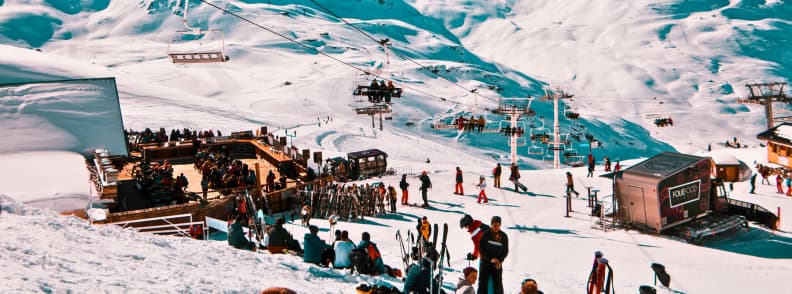
Val Thorens runs one of the liveliest après environments in the Alps. La Folie Douce Val Thorens draws crowds with open air sets and staged performances on the mountain. Bar 360 sits on a sunny terrace with DJs and relaxed end of day drinks. Le Rendez-Vous offers a warmer indoor setting with cocktails and a friendly crowd. These spots keep the energy high without losing the mountain feel.
Val Thorens Après Ski Recommendation: For a quieter après hour, stop by Alpine Café on the edge of the village, where the sound stays low, and the crowd stays mixed.
Dining and Restaurants in Val Thorens
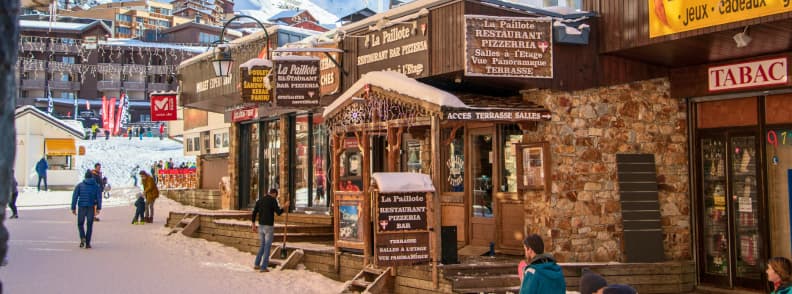
Dining revolves around Savoyard comfort and modern Alpine cooking. La Maison Val Thorens serves classic dishes with clean, fresh execution that works well after a long day on the slopes. Le Fitz Roy Restaurant offers refined French plates in a calm setting with strong service. Au Mazot gives you a simpler, hearty option focused on local cheese and mountain staples. These kitchens keep the valley’s food culture at the centre of the experience.
Val Thorens Restaurant Tip: Book your dinner early in the week because peak periods fill quickly, especially in smaller dining rooms.
Non Skiing Activities in Val Thorens
Snowmobiling sits high on the list of alternative activities because the terrain around Val Thorens suits evening loops with wide open spaces and strong views. Guided outings lead you across snowy ridges once the lifts close.
Tobogganing on the Cosmojet track offers a long descent with banked turns and views over the valley. It works for groups and families who want a break from skiing.
Snowshoeing Val Thorens gives you access to quieter trails across the ridge line and down toward Les Menuires. Guided routes offer safe access to viewpoints that remain hidden from the main pistes.
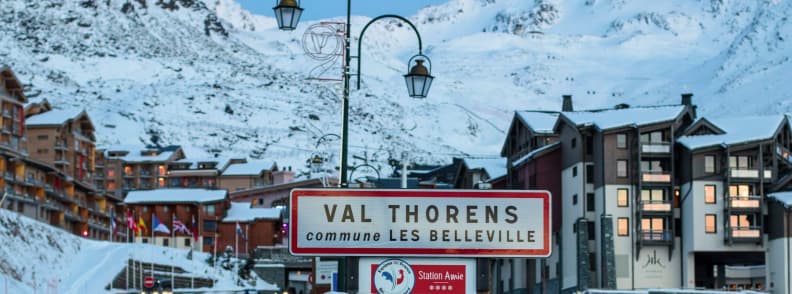
Where to Stay in Val Thorens. Wellness and Spa Facilities
Accommodation in Val Thorens ranges from premium mountain hotels to comfortable apartments close to the pistes.
- Altapura Hôtel & Spa Val Thorens remains a standout with warm Scandinavian design, slope side convenience, and strong wellness facilities. Altapura Pure Altitude Spa uses natural alpine products and offers a full range of massages in a modern, minimalist setting.
- Hotel Pashmina Le Refuge offers spacious rooms and a refined atmosphere at the top of the resort. Spa by Pashmina provides pools, saunas, and quiet treatment rooms with calm lighting.
- Le Val Thorens, a Beaumier Hotel gives direct access to lifts with a central location ideal for both skiing and après. Le Val Thorens Spa gives guests a heated pool and hammam with views over the slopes.
Val Thorens Accommodation Tips: Check the piste map when booking because some properties give direct ski in ski out access that saves time every morning. Visit the spas during the late morning if you take a rest day, because these windows stay quieter than early evenings.
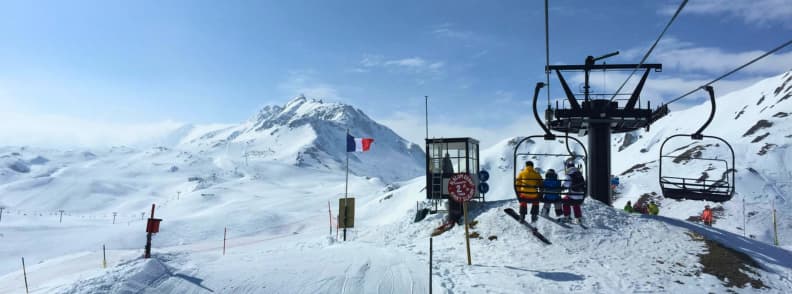
Tignes and Val d’Isère (Espace Killy). Snow Sure and Lively
Tignes and Val d’Isère form the Espace Killy, one of the most reliable high altitude ski areas in the Alps, made famous by top French skier Jean-Claude Killy. The network joins two distinct villages and reaches the Grande Motte glacier, which makes glacier skiing France possible well into spring and sometimes through parts of summer. This altitude also supports strong French Alps glacier skiing summer sessions on marked terrain when conditions allow.
Tignes skiing slopes spread across open bowls with 22 green runs, 61 blue, 46 red, and 25 black, which gives beginners and confident intermediates lots of space to move. Val d’Isère skiing brings steeper faces and long classic descents, especially in Le Fornet where freeride routes extend from the Pissaillas Glacier.
Both bases support ski touring French Alps plans with marked itineraries and dedicated guide services. The entire area works well for week long ski holidays French Alps because the snow stays dependable from early winter to late April.
Espace Killy Skiing Tip: When conditions vary, I recommend starting your day on the Val d’Isère side, as Le Fornet often holds colder snow in the morning.
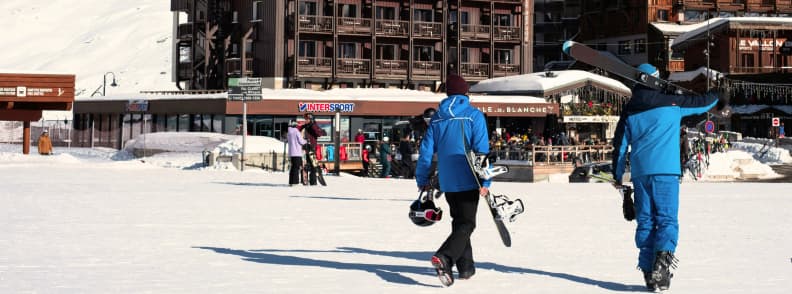
Espace Killy Après Ski Scene
Apres ski spreads across both villages with different moods.
In Val d’Isère, La Folie Douce Val d’Isère leads afternoon parties with DJs and performers on the terrace above La Daille. Cocorico near the main lifts offers live music and a lively crowd until early evening.
Val d’Isère Après Ski Tip: For a calmer drink after skiing, head to La Poya in Val d’Isère because its terrace stays sunnier and less crowded late in the day.
In Tignes, Loop Bar sits above the slopes in Le Lac with a relaxed vibe and good views, while Couloir Bar gives a warm indoor space with cocktails and music.
Dining and Restaurants in Espace Killy
Dining in this area balances mountain classics with polished French kitchens. La Table de l’Ours in Val d’Isère offers refined plates built on alpine produce in a calm, elegant room. Le Pier in Tignes serves modern French dishes with clear flavours and friendly service.
Espace Killy Restaurant Recommendation: For a quieter, quality lunch on the slopes, book L’Atelier d’Edmond in Le Fornet because it sits slightly away from the busiest routes.
Non Skiing Activities in Espace Killy
Snowmobiling at sunset remains a popular choice in Tignes because the high plateaus open wide views over the valley. Guided outings move through quiet zones after the lifts close and give you a different feel for the mountains.
Ice diving in Tignes Le Lac offers a rare winter experience where you swim under the frozen surface of the lake with a certified instructor. It suits adventurous travelers who want something unusual and safe within a controlled environment.
Snowshoeing around Val d’Isère gives access to forested trails and ridgelines with clean views of the Pissaillas Glacier. Guided routes help you explore zones that stay hidden from the main pistes.
Where to Stay in Espace Killy. Wellness and Spa Facilities
Espace Killy accommodation spans luxury chalets, family friendly hotels and well equipped apartments, which makes it simple to choose between the quieter pockets of Val d’Isère and the central access of Tignes Le Lac.
- Hotel Les Barmes de l’Ours in Val d’Isère gives high end comfort with slope side access and a strong wellness area. Les Barmes de l’Ours Spa offers saunas, pools and treatment rooms in a quiet alpine setting.
- Le Refuge de Solaise sits at 2,551 meters altitude above Val d’Isère and offers a unique stay with panoramic views.
- Hotel Les Suites Maison Bouvier provides refined rooms and direct access to the slopes in Tignes. Spa Les Suites Maison Bouvier includes a hammam, sauna and dedicated relaxation area.
- Résidences Village Montana by Les Etincelles offers a mix of comfort and convenience close to lifts in Tignes Le Lac.
Another Spa I recommend is Deep Nature Spa in Val d’Isère. It has warm pools, sensory showers and a calm space for recovery.
Espace Killy Accommodation Tip: Choose your base based on which sector you plan to ski most because distances between Tignes and Val d’Isère matter for morning timing.
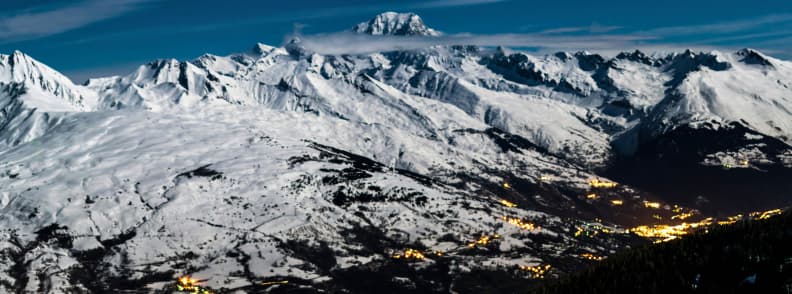
Les Arcs and La Plagne (Paradiski Domain)
The Les Arcs and La Plagne ski resorts form Paradiski, a 425-kilometer domain linked by the double-decker Vanoise Express cable car. This scale gives you uninterrupted movement across valleys, open bowls, and forested pistes.
Les Arcs ski resort brings modern villages and varied terrain, including the famous Aiguille Rouge descent, which drops around 2,000 metres and counts among the most iconic long runs in the Alps.
La Plagne ski resort focuses on space, family comfort, and easy progression zones, which is why it remains one of the strongest family friendly ski resorts France.
Both sides also attract travelers looking for budget ski resorts French Alps because you can choose from multiple villages with different price ranges. The combined altitude and orientation usually keep conditions steady from December to late April.
Paradiski Skiing Tip: Start early on the Aiguille Rouge cable car to enjoy the cleanest snow and avoid the mid morning queue that forms on clear days.
Paradiski Après Ski Scene
Paradiski après ski spreads across multiple villages, each with a different feel. In Les Arcs, Red Hot Saloon in Arc 1800 offers live music and a busy terrace. Le Club 73 in Arc 2000 keeps a more relaxed atmosphere with a cosy indoor lounge. Over in La Plagne, The Bobsleigh Pub in Plagne Centre stays lively through the afternoon and early evening with an easygoing crowd. These places work well for unwinding without the intensity of the larger alpine party hubs.
Les Arcs Après Ski Recommendation: For a calmer drink at sunset, head to Le Chalet de Luigi in Arc 1950 because the square stays quieter than the ski front.
Dining and Restaurants in Paradiski
Paradiski covers enough villages to offer a broad food scene from simple Savoyard staples to refined French kitchens. Le Mondrian in Arc 1800 serves thoughtful dishes built on local produce. Le 2134 in Arc 2000 offers strong mountain classics with generous portions. In La Plagne, La Face Nord in Belle Plagne delivers polished plates that balance comfort and technique, while Le Refuge in Plagne Centre keeps a traditional Savoyard menu with warm service.
Paradiski Restaurant Recommendation: If you want a quieter lunch on the slopes, stop at Le Bulle Café above Plagne Bellecôte because the terrace sees fewer crowds than the main hubs.
Non Skiing Activities in Paradiski
Snowshoeing in Peisey Vallandry gives you forest trails and wide viewpoints without touching the ski slopes. Guided outings reach calm corners of the valley, which make good rest day options.
The bobsleigh track in La Plagne offers a fast paced non skiing activity where you ride supervised runs down the Olympic course. It suits groups who want a thrill that stays within a controlled environment.
Dog sledding in Les Arcs remains a favourite family experience. Teams run through high plateaus with clear mountain views, making it a gentle break from skiing.
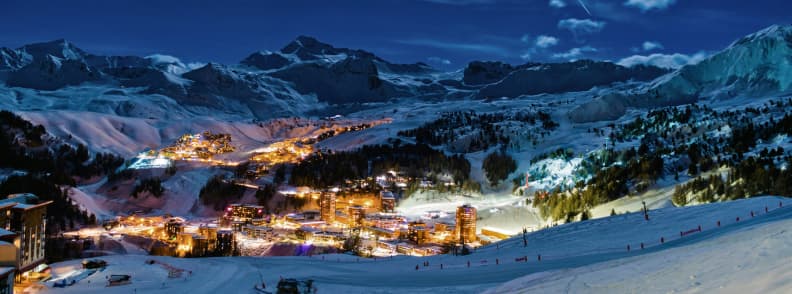
Where to Stay in Paradiski
Paradiski accommodation spreads across multiple villages on both sides of the domain.
- In Les Arcs, Hotel Taj I Mah by Les Etincelles won the title France’s Best Ski Hotel 2025 from World Ski Awards. Located in Arc 2000 stands out for its modern rooms, direct slope access and spa facilities. Spa Taj I Mah has a pool, saunas and hammam with mountain views.
- Résidence Pierre & Vacances Premium Arc 1950 Le Village offers high comfort apartments with a pedestrian setting and immediate lift access. It has Clef Verte label for sustainable tourism.
- On the La Plagne side, Hotel Carlina in Belle Plagne provides warm interiors and a strong on site spa. Hotel Carlina Spa provides a quiet retreat with classic wellness facilities close to the lifts.
- Araucaria Hotel and Spa in Plagne Centre blends design, comfort and family friendly services.
Paradiski Accommodation Advice: Choose your base based on altitude and ski school proximity because morning logistics matter more than village size.
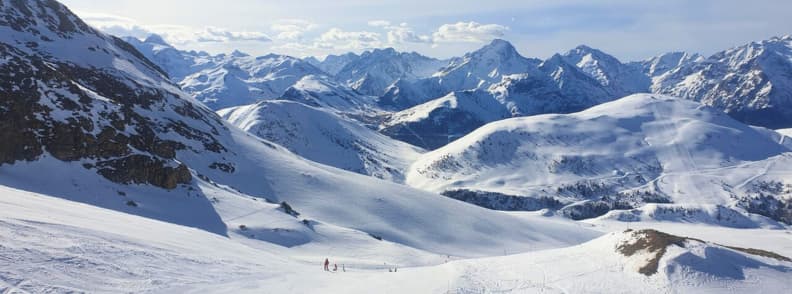
L’Alpe d’Huez Ski Resort
Alpe d’Huez ski resort sits on a vast south facing plateau with long runs, wide bowls and reliable sunshine through winter. Its elevation and layout support confident intermediates and strong skiers who come for long descents, including the famous Sarenne run.
The upper slopes reach technical zones where the expert terrain Alpe d’Huez becomes the main draw. Off the marked pistes, the connecting ridges and bowls give access to short tours and fresh lines that form part of the broader backcountry skiing French Alps experience for guided groups.
Alpe d’Huez Après Ski Scene
Alpe d’Huez après ski blends outdoor terraces with relaxed indoor bars. Smithy’s Tavern stays popular with a lively crowd and regular live music. Igloo Bar offers a fun ice themed setting close to the slopes with a steady evening rhythm. Freeride Café gives you a calmer atmosphere with solid drinks and warm service. Each place suits a different finish to the ski day without overwhelming the village.
Alpe d’Huez Après Ski Recommendation: For a quieter end to the afternoon, slip into Au Cadet de l’Oisans where the mix of locals and visitors keeps the mood balanced.
Dining and Restaurants in Alpe d’Huez
Alpe d’Huez has a strong food scene that mixes traditional dishes with more contemporary French cooking. L’Espérance serves polished plates in a bright dining room and focuses on fresh regional produce. Au Montagnard delivers hearty Savoyard cooking with generous portions. La Petite Taverne works for travelers wanting a simple, warm space after a long day on skis. These kitchens keep the focus on flavour rather than presentation, which suits the relaxed rhythm of the resort.
Alpe d’Huez Budget Tip: For a good value lunch on the slopes, head to Le Spot near the Bergers area because it avoids the busiest mid day crowds.
Non Skiing Activities in Alpe d’Huez
Alpe d’Huez snowshoeing routes above the village offer calm, open views toward the Oisans range. Guided outings help you reach quiet areas where the terrain opens into plateaus with soft afternoon light.
Ice skating in Alpe d’Huez at the outdoor rink gives you a simple, active break from skiing. The setting works well for families and couples who want something light without leaving the village.
Where to Stay in Alpe d’Huez. Wellness and Spa Facilities
Accommodation in Alpe d’Huez ranges from modern hotels to comfortable chalets and slope side apartments.
- Hotel Daria I Nor by Les Etincelles offers refined rooms, two restaurants and direct access to the slopes via a private lift. Spa Daria I Nor offers a calm, modern setting with a pool, hammam and treatment rooms.
- Grandes Rousses Hotel & Spa balances style with practicality in a central location, and its terrace works well for relaxed afternoons. Spa des Alpes at Hôtel Les Grandes Rousses includes warm pools, saunas and signature treatments focused on alpine botanicals.
- Hotel Le Pic Blanc provides good value with warm interiors and easy access to lifts in the Bergers area. Spa Le Pic Blanc works for guests seeking a simpler, quieter environment after skiing.
L’Alpe d’Huez Accommodation Tip: Pick your base near the lifts you plan to use most because the resort’s spread makes morning logistics simpler when you stay close to a main access point.
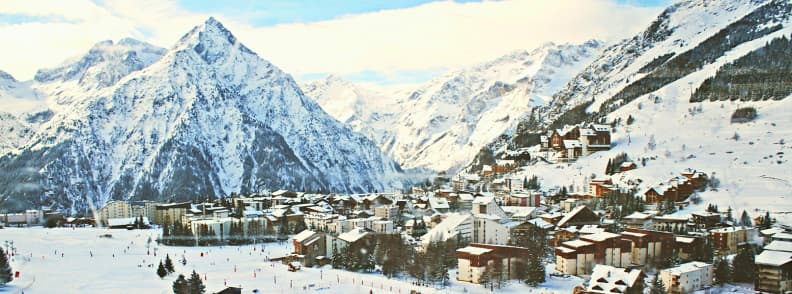
Les Deux Alpes Glacier Skiing & Village Charm
Les Deux Alpes skiing covers a long, high altitude ridge with slopes that rise to one of the largest lift served glaciers in Europe. This layout delivers steady snow conditions and lets the resort run long seasons, including French Alps glacier skiing summer sessions when weather allows.
The terrain suits confident intermediates, freeriders and freestyle skiers because the terrain parks Les Deux Alpes facilities are some of the strongest in the French Alps. These parks sit high on the mountain and give clear progression zones that stay popular with locals and international riders.
Les Deux Alps Skiing Tip: Start your day on the glacier lifts for early firm snow before heading lower when the sun softens the slopes.
Les Deux Alpes Après Ski Scene
Après ski in Les Deux Alpes swings from relaxed to lively depending on where you go. Umbrella Bar draws a crowd with DJs and a big open terrace at the foot of the slopes. Le Saloon brings a western themed bar with upbeat music and late evening energy. Polar Bear Pub stays friendlier and calmer with craft beers and a mixed local crowd.
Les Deux Alpes Après Ski Recommendation: For a warm, quieter drink, stop at Crepes à Gogo early in the evening for simple drinks and a cosy setting away from the main strip.
Dining and Restaurants in Les Deux Alpes
The resort carries a mix of solid Savoyard cooking and lighter modern dishes. Le Trappeur serves generous alpine meals in a warm wooden dining room. Casa Nostra offers thoughtful French and Italian inspired plates that appeal to mixed groups. La Grange focuses on local cheese dishes and classic mountain comfort food.
Les Deux Alpes Restaurant Advice: For a smoother dinner experience on busy weeks, reserve tables before mid afternoon because walk ins become difficult on peak nights.
Non Skiing Activities in Les Deux Alpes
Snowmobiling above the Les Deux Alpes village gives you wide open views and a fast paced experience once the slopes close. Guided outings follow marked routes that stay quiet in the evening.
Les Deux Alpes ice cave visits near the glacier give you a look at carved tunnels and frozen sculptures with steady lighting. These visits add a simple, visual activity that suits both families and casual explorers.
Snowshoeing trails around the lower forest zone give you a calm break from the main pistes. Guided outings help you move through quieter areas with clear views across the Romanche valley.
Where to Stay in Les Deux Alpes. Wellness and Spa Facilities
Les Deux Alpes offers hotels, chalets and apartments across several levels of the village.
- Hotel Côte Brune sits close to the main lifts with warm interiors and a popular terrace. Hotel Côte Brune Spa gives guests access to a warm outdoor pool with mountain views.
- Hôtel Chalet Mounier, Restaurant and Spa offers refined rooms, attentive service and a respected on site restaurant. Spa Chalet Mounier has a pool, hammam and treatment rooms with soft lighting.
- Base Camp Lodge provides modern rooms at a good value with easy access to slopes and village services.
Another spa I recommend is Espace 1800, with saunas, whirlpools and a simple relaxation zone near the village centre.
Les Deux Alpes Spa Tip: Visit wellness areas before 4 PM because the post ski rush reduces the quiet atmosphere.
Méribel, The heart of domaine des Trois Vallées
The Méribel ski resort sits in the heart of 3 Vallées domain, which gives skiers immediate access to one of the largest interconnected networks in the world. The village has a distinctive chalet architecture with wood and stone façades that keep the centre warm and cohesive.
The slopes above Méribel spread into broad bowls and long cruising pistes, which makes the resort ideal for confident intermediates and mixed groups who want easy movement between valleys.
Méribel Skiing Advice: For the smoothest first runs of the day, start on the Tougnète side because it catches early sun and stays firm without becoming icy.
Méribel Après Ski Scene
Méribel’s après ski blends terrace bars with energetic late afternoon venues. Le Rond Point sits above the village and stays lively with live music and an open slope side terrace. O’Sullivans brings a high energy evening scene with DJs and theme nights. Barometer offers a quieter environment in the village centre with good drinks and a more relaxed rhythm.
Méribel Après Ski Recommendation: If you want a calmer end to the ski day, try Le Brown Bear Bar in Méribel Village because it stays sheltered and has a softer crowd than the central spots.
Dining and Restaurants in Méribel
The village holds a balanced mix of Savoyard restaurants and modern French kitchens. L’Adray Télébar serves dependable classics on the slopes with friendly service and a sunny terrace. Le Cepe focuses on elegant dishes built around seasonal produce with strong attention to detail. La Fromagerie offers a cosy setting for cheese based meals including local fondue and raclette.
Méribel Restaurant Tip: Book slope side lunches at off peak times because popular terraces fill early during good weather.
Non Skiing Activities in Méribel
Méribel snowshoeing routes around the Altiport give you quiet forest paths and open viewpoints without touching the busy pistes. Guided walks suit travelers who want fresh air on a rest day with light effort.
Ice skating at the Olympic Centre offers a simple, active break in a bright indoor rink that works well for families or couples. The building also hosts occasional events and evening sessions.
Horse drawn sleigh rides in Méribel Village provide a calm, scenic way to experience the valley. The rides move through quiet lanes and open areas that feel different from the ski slopes.
Where to Stay in Méribel. Wellness and Spa Facilities
Méribel accommodation spreads across several linked hamlets, which gives you a mix of hotels, chalets and apartments.
- Hotel La Chaudanne offers refined rooms, direct access to the main lifts and a warm alpine style. Hotel La Chaudanne includes a warm indoor pool and wellness centre suited to easy afternoon recovery.
- Hotel Le Coucou Méribel provides panoramic views, strong service and quick access to slopes. Spa Nuxe at Hôtel Le Coucou provides saunas, a heated pool and a quiet relaxation area with soft mountain views.
Méribel Accommodation Recommendation: Check which area of Méribel your hotel sits in because moving between Méribel Centre, Méribel Village and Méribel Mottaret changes your morning lift routine.
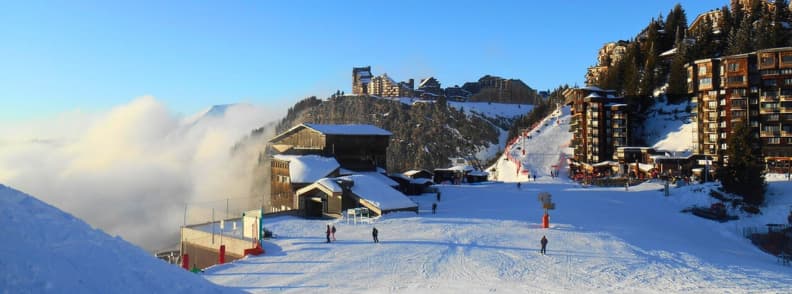
Avoriaz (Portes du Soleil) and Montgenèvre, Border Snowboarder’s Paradise
Avoriaz ski resort sits at 1,800 metres on a clifftop plateau and stays entirely car free, which gives it a clear, Alpine-modern character. The village sits inside the Portes du Soleil, a vast cross-border network that lets you ski between France and Switzerland on a single pass. The area draws riders for its terrain variety and for snowboarding French Alps lines that flow naturally across bowls and tree zones.
Avoriaz stands out for The Stash Avoriaz, a Burton-designed ecological snowpark built from natural features.
Families find Avoriaz Portes du Soleil easy because the village stays compact and safe to move around, while freestylers get dedicated zones that keep the park rhythm steady through the season.
Portes du Soleil Skiing Tip: In Avoriaz, start early on the Lindarets side because the pistes hold firm snow before the crowds arrive from Morzine.
Montgenèvre ski resort brings a different tone on the Italian border with wide pistes, quiet trails and excellent value, making it one of the strongest budget ski resorts French Alps for mixed groups. It sits high, catches regular snowfall and remains a favourite for French Alps snowboarding thanks to soft terrain and uncrowded lifts.
Après Ski Scene
Avoriaz spreads its après ski across several slope-side terraces. La Folie Douce Avoriaz anchors afternoon energy with DJs and outdoor sets. Le Shooters offers a lively indoor atmosphere through the early evening. Le Yéti on the slopes near Les Hauts Forts gives sun-drenched tables and a laid-back crowd.
Avoriaz Après Ski Recommendation: For a calmer hour at sunset in Avoriaz, try Le Tavaillon because its tucked-away location avoids the main flow back to the village.
Montgenèvre après ski stays quieter with places like Le Jamy’s Bar, where the atmosphere stays warm without turning into a party.
Dining and Restaurants
Avoriaz restaurants blend modern Alpine cooking with traditional Savoyard dishes. Les Fontaines Blanches serves well-executed regional plates in a bright room overlooking the village. La Cabane offers contemporary French cooking with careful presentation. Chez Flo provides hearty mountain dishes for relaxed evenings.
Montgenèvre also has solid options like Le Graal, which delivers generous, flavourful meals in a friendly setting.
Avoriaz & Montgenèvre Restaurant Tip: Book mountain restaurants for lunch on cloudy days because visibility stays better at the village level and makes the meal more enjoyable.
Non Skiing Activities
Avoriaz Aquariaz tropical water park offers warm indoor pools, lazy rivers, and climbing walls, making it a favourite rest day activity for families.
Night snowshoeing in Montgenèvre gives you a calm, atmospheric way to explore the Via Lattea after sunset. The walk begins in the Thures Valley with guides who supply snowshoes, poles, and headlamps before leading you through larch forests and quiet hamlets that once linked mountain villages. The route follows gentle terrain toward Rifugio Combe d’Imbert Vittoria, where a Piedmontese dinner made from local ingredients waits in a warm cabin setting. The combination of fading light, starlit skies, and traditional food creates one of the most memorable evening experiences in the area.
Book your Montgenèvre snowshoe session to secure a guide familiar with the quieter trails.
Sledging in Montgenèvre on the dedicated runs offers a simple, active break that works for mixed groups. The slopes stay controlled and accessible, making it a fun non skiing option at any level.
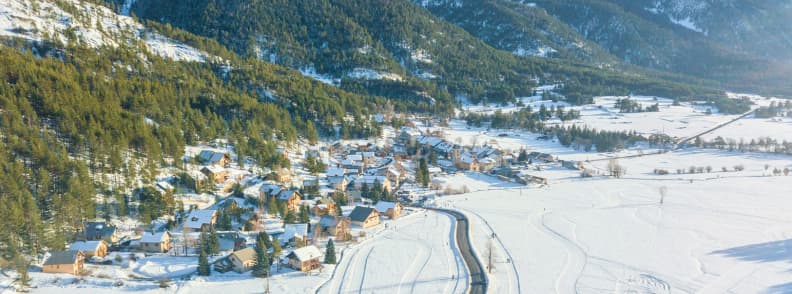
Where to Stay in Avoriaz And Montgenèvre. Wellness and Spa Facilities
Accommodation in Avoriaz centres around ski in ski out apartments and modern hotels with direct access to lifts.
- Hôtel des Dromonts by Sowell Collection offers retro inspired design with slope side access and strong service. Hôtel des Dromonts Spa provides a quieter setting with carefully designed treatment rooms.
- Résidence Pierre & Vacances Premium L’Amara provides spacious apartments with panoramic views and convenience for families.
Avoriaz Accommodation Tip: Choose accommodation near the lifts you plan to use most because moving between zones involves snowy walkways rather than roads.
In Montgenèvre, Chalet Saint Bernard offers a calm base close to lifts and restaurants. And, if you’re looking to relax, Montgenèvre offers Durancia Spa, a large wellness centre with thermal pools, saunas and steam rooms.
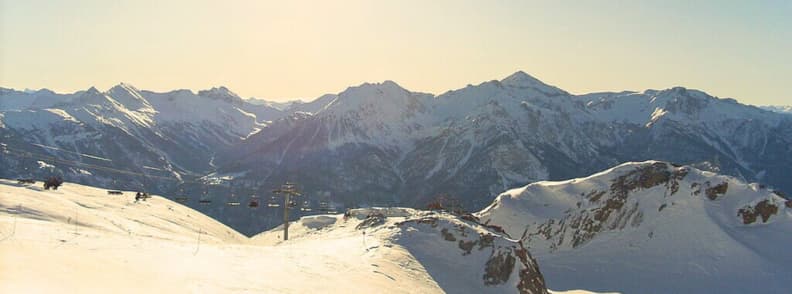
Serre Chevalier, The Southern Alps Favorite Ski Resort
Serre Chevalier skiing stretches across a wide valley framed by larch forests and long, sunny pistes. The area belongs to the Southern Alps ski resorts and covers 250 kilometres of slopes between 1,200 and 2,800 meters, which puts it on par with some of the largest northern domains.
The Serre Chevalier ski resort averages roughly 300 days of sunshine a year and offers a calm rhythm that appeals to mixed groups and long stay travelers. It also remains one of the strongest budget ski resorts French Alps options because daily costs run around 40 percent lower than the major high altitude hubs. The Grande Galaxie pass occasionally opens access to other regional areas without additional charges, which adds value to longer ski weeks.
Serre Chevalier Skiing Tip: Start on the Monêtier side after fresh snow because the bowls there hold better early morning conditions before the sun warms the valley.
Serre Chevalier Après Ski Scene
The après scene in Serre Chevalier stays relaxed and centred around village cafés and warm bars. Le Grotte in Villeneuve sits close to the slopes and offers a friendly terrace with live music on some evenings. La Cantina draws a steady crowd with upbeat playlists and a welcoming indoor space. Le Moo Bar in Chantemerle stays cosy with good drinks and a casual atmosphere.
Serre Chevalier Après Ski Recommendation: For a calm end to the day, try Le Lapon because the tucked away setting keeps it quieter than the bars on the main pedestrian paths.
Dining and Restaurants in Serre Chevalier
The valley runs a grounded food culture built on local alpine products. Le Loup Blanc in Chantemerle serves thoughtful dishes with a focus on regional ingredients. La Marotte in Villeneuve offers French classics with clean flavours and strong service. Le Montagn’Art near Monêtier mixes Savoyard staples with lighter, creative plates that suit different tastes.
Serre Chevalier Restaurant Tip: For smooth service and shorter waits, book a table for early evening because later slots attract the busiest crowds in high season.
Non Skiing Activities in Serre Chevalier
Serre Chevalier Après Ski snowshoeing routes through the larch forests above Villeneuve give you open viewpoints and quiet trails away from the ski slopes. Guided outings help you find routes that match your fitness and the weather.
Thermal baths in Monêtier offer a warm retreat fed by natural hot springs. Les Grands Bains du Monêtier feature indoor and outdoor pools with striking views of the surrounding peaks.
Dog sledding near Le Bez gives families and couples a simple, scenic way to experience the valley. Trails run through open meadows and gentle forest paths that stay well maintained.
Where to Stay in Serre Chevalier
Accommodation in Serre Chevalier spreads across four main villages, each with its own rhythm and access point.
- Grand Hotel and Spa Nuxe Serre Chevallier offers refined rooms, a calm atmosphere, and dedicated spa facilities. Spa Nuxe at Grand Hotel offers saunas, warm pools, and a peaceful relaxation area.
- Rock Noir Hotel and Spa in Villeneuve blends modern design with practical slope access. Rock Noir Spa includes a compact but calming wellness zone with hammam, and pool.
- Le Hameau du Rocher Blanc provides comfortable apartments close to lifts and shops. For relaxation, it has a sauna and a heated, covered swimming pool.
Serre Chevalier Accommodation Advice: Choose your base based on which sector you want to ski most because travel between villages by bus adds time to morning routines.
Wellness options suit both skiers and non skiers looking for gentle recovery days. Thermes de Monêtier remains the standout for full scale thermal bathing with natural heated waters and outdoor pools. I advise you to visit the thermal baths during late morning hours for clearer mountain views and a calmer atmosphere before afternoon crowds arrive.
Other Notable Ski Resorts in France
France’s mountains include several resorts that sit outside the major networks yet still earn strong reputations among travelers choosing between the best ski resorts French Alps. These places offer quieter slopes, distinctive village character, or specialist terrain that adds depth to any long term skiing plan in France.
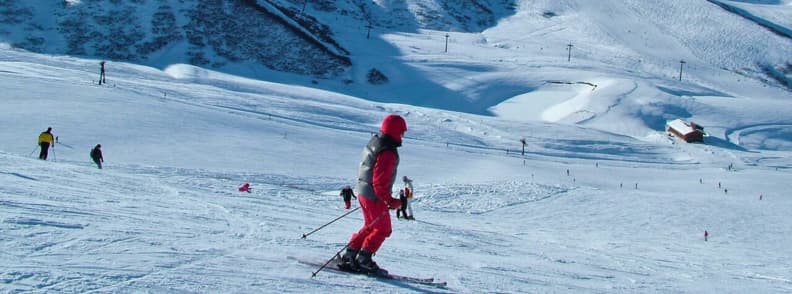
Valmorel
Skiing in Valmorel appeals to travelers who want a compact, traditional-style village with good access to gentle and intermediate slopes. The wooden façades and car-free center give it a calm, family-friendly feel without losing easy access to lifts. Valmorel ski resort terrain spreads across open bowls and wooded areas that stay enjoyable even in mixed weather.
Valmorel Skiing Tip: Aim for first tracks on the Col de la Madeleine side because the snow there stays firmer after cold nights.
La Grave
La Grave off piste skiing remains one of the most respected freeride experiences in Europe. The village sits under the towering La Meije peak, and the cable car delivers skiers to steep, ungroomed faces with no marked pistes. This is a destination for experts with avalanche knowledge or guided support, and the atmosphere reflects a pure mountain culture rarely found elsewhere.
La Grave Skiing Advice: Check the cable car wind forecast the night before because high winds can suspend operations and change your entire plan.
Megève
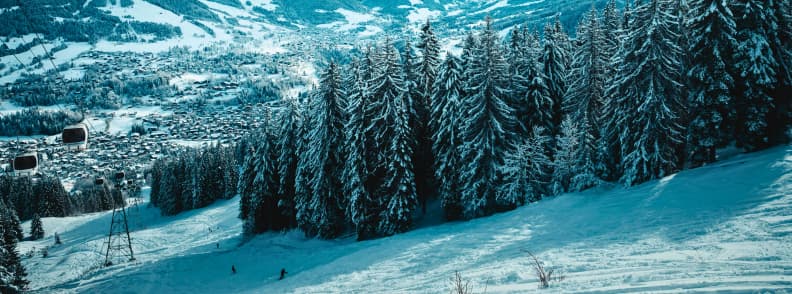
Megève ski resort blends refined village life with accessible slopes that suit relaxed skiers and families. Its reputation aligns with the luxury ski resorts French Alps because of its elegant hotels, horse-drawn carriages, and high-quality dining. Skiing in Megève sits at a lower altitude than the biggest alpine domains, but the setting and ambiance create a different kind of winter holiday centred on comfort and culture.
Megève Skiing Tip: Explore the slopes toward Rochebrune early because they stay quieter than the pistes near Mont d’Arbois.
While you’re there, a trapper evening in Megève offers a warm, intimate break from the ski slopes as you settle into a mountain teepee. The setting feels both rustic and comfortable, with lantern light, fresh snow outside and the aromas of Haute Savoie cooking filling the space. You choose between a traditional Savoyard fondue made from local cheeses or a diots menu with smoked sausages, potatoes and onion confit, followed by seasonal desserts. Drinks and hot infusions complete the evening, which runs from early night into late hours depending on your pace.
Reserve your Megève trapper evening ahead of time because groups are limited and cozy teepee nights sell out quickly.
Isola 2000
Isola 2000 ski resort sits high in the Southern Alps close to the Italian border and remains one of the easiest major resorts to reach from Nice. The altitude gives the resort a high snow record Isola 2000, and bright, sunny conditions across much of the season. From some viewpoints on clear days, you can see the Mediterranean Sea while standing on the snow, which gives the resort a unique southern feel.
Isola Skiing Tip: Check lift openings on windy days because upper sectors close faster here due to the exposed ridge line.
Already on the French Riviera? Go on a day ski trip from Cannes or Nice. This gives you the rare chance to swap the Mediterranean for fresh Alpine snow without planning anything yourself. You leave the coast in the morning with door-to-door transport, then arrive in Isola 2000 or Auron with your lift pass, full equipment, and warm clothing already sorted. The relaxed pace lets you ski or snowboard as much as you want, enjoy lunch at a mountain restaurant, and still take in the sun that makes the Southern Alps so appealing. Your guide stays on site to help with routes or gear, which keeps the day smooth from start to finish.
Book your Riviera to Alps ski day early because the best weather windows fill quickly during winter weekends.
French Alps Skiing by Experience
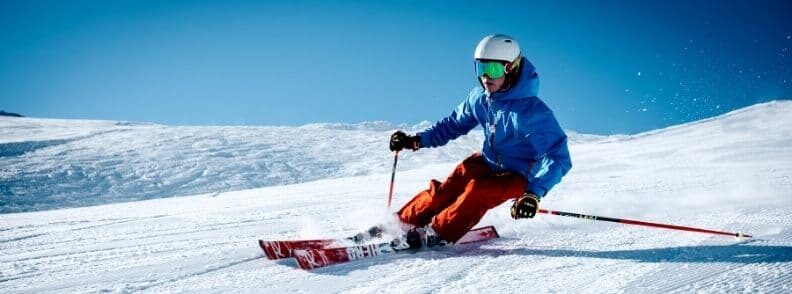
The French Alps give every type of skier a clear entry point, from first-time learners to seasoned off-piste travelers. The variety of terrain, snow quality, and resort styles makes it easy to match your ability with the right valley, especially if you want a mix of progression and comfort during your stay.
Skiing in France for Beginners
Skiing in France for beginners works well because many resorts build their villages around long greens and gentle blues.
Areas like Flaine and La Rosière offer wide green runs French Alps that keep gradients smooth from top to bottom. La Plagne’s Montchavin les Coches sits lower in the domain and gives access to quieter learning zones suited to early confidence building. These villages appeal to new skiers who want the easiest ski resort France without feeling isolated from the larger domain.
Chamonix even has small dedicated areas such as beginner slopes Chamonix at Les Planards, which offer straightforward terrain inside a dramatic mountain setting.
Families find resort-based schools helpful because ski lessons French Alps programmes often run in English through well established English speaking ski schools French Alps. These schools balance technique and safety and suit both children and adults.
Skiing in France Advice for Beginners: For a smooth first day, pick a resort where beginner zones sit close to your accommodation because long walks in ski boots drain early confidence.
Can beginners ski in the French Alps?
Yes, and the region has some of the best ski resorts in France for beginners. Places like La Rosière, Flaine and Valmorel specialise in clear progression routes and dedicated beginner lifts. This structure makes the experience simpler for learners who want reliable terrain and predictable snow.
I recommend choosing slopes that face north or west early in the season because they hold firmer snow for controlled learning.
Are ski lessons required for beginners in France?
No, but booking lessons remains the best way to avoid bad habits. Resorts publish ski school prices with clear group and private options. Private ski instructors help build technique faster and keep the pace adapted to your ability. Most ski lessons French Alps programmes support English speaking groups, which makes communication easy even for first time skiers.
My advice is to book morning lessons because softer afternoon snow can make balance harder for absolute beginners.
Family Skiing Destinations in France
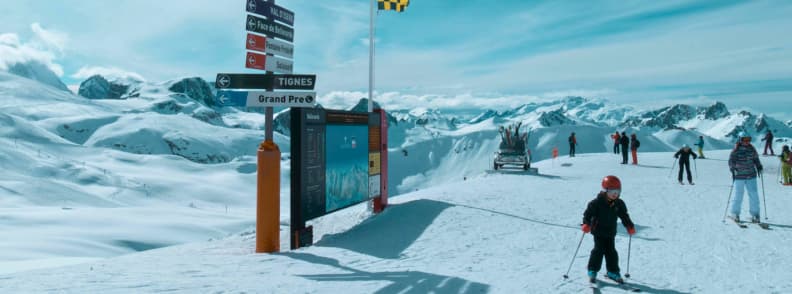
Travelers planning family trips look for French Alps ski resorts for families that balance safe slopes, good childcare, and calm accommodation zones.
Resorts with the Famille Plus label remain the strongest family friendly ski resorts France because they meet strict quality criteria for services, terrain and activities. This helps parents choose locations suited to skiing French Alps with kids, especially when looking for kids ski lessons French Alps that follow age-appropriate methods.
Strong family ski packages combine lessons, passes, and accommodation for a smoother planning process.
France Family Skiing Tip: Stay close to ski school meeting points in Famille Plus resorts because long morning transfers make children tire before they reach the snow.
What’s the best family friendly ski resort France?
The best family friendly ski resort France depends on your children’s ages and skiing level. La Plagne, Les Gets, Valmorel, and Avoriaz remain strong picks among the best ski resorts in France for families because they mix gentle terrain, clear signage, and dependable childcare.
For families with small children, I advise looking for covered magic carpets because they keep young learners warmer and happier on colder days.
Off Piste and Backcountry Skiing in the French Alps
Advanced skiers often come for the off piste skiing French Alps guide experience. The region holds some of the best off piste terrain France with couloirs, bowls, and open glaciers.
Chamonix, Tignes, and La Grave stand out among the best freeride spots Alpes. The steepest lines and black runs La Grave demand skill, avalanche knowledge, and, in many cases, a guide.
Conditions shift quickly, so checking avalanche risk French Alps becomes part of the daily routine. Backcountry skiing French Alps works best with professional support because route finding and safety require experience.
French Alps Safety Tips: Check avalanche risk French Alps today. Carry transceiver, shovel, and probe on every off piste day, because guides expect you to arrive with full equipment.
What’s required for off piste skiing in France?
Anyone asking what is required for off piste skiing in France should know that equipment, knowledge and conditions shape the experience.
Do I need a guide for off piste skiing France?
In complex terrain, yes, because avalanche safety French Alps protocols differ from resort to resort. Guides understand exposure, snowpack and exit routes, which keeps you safe without reducing the adventure. Book guides early in the week if storms are forecast because fresh snow days fill first.
Ski Touring and Ski Mountaineering
Ski touring French Alps continues to grow in popularity because it gives access to quiet valleys, scenic ridges and summits far from ski lifts. There are beautiful ski mountaineering French Alps routes that blend climbing and skiing for experienced travelers. Many touring days overlap with backcountry skiing French Alps, but the rhythm changes because you climb under your own power and choose your descent based on conditions and skill.
France Ski Touring Advice: Start early on touring days to avoid warm afternoon snow that increases sluff and wet slide risk.
When to Go Skiing in France. Season and Weather
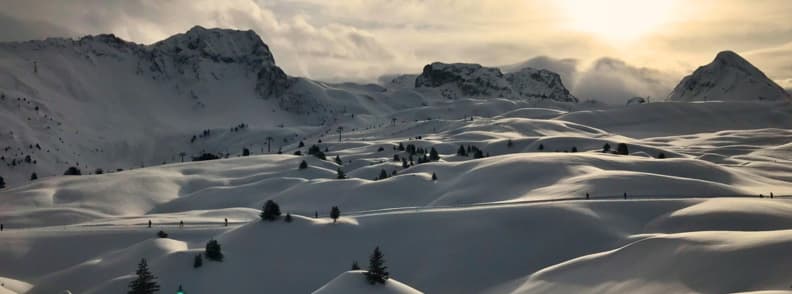
Choosing the right moment to ski depends on snow depth, weather cycles, and budget. The best time to ski France shifts slightly each year, but patterns remain stable enough to plan ahead. Understanding the full ski season France helps you match your trip to the conditions you want, whether you prefer early winter storms, mid-season powder, or sun-filled spring skiing.
France Ski Season Timeline. Typical Ski Season Dates in France
Travelers asking When is ski season in France? will find that most resorts open in early December and run into April.
Higher altitude areas publish extended French Alps ski season dates because their snow stays colder and deeper. Val Thorens and Tignes often run from late November into early May, which makes them the strongest options for late season skiing France.
Lower altitude and Southern Alps ski resorts usually close by late March unless winter brings consistent snowfall.
December skiing in France works well in the big Alpine ski domains because altitude protects early-season conditions. January is the best month for skiing in France because snow quality peaks and crowds stay lower than in February. February skiing French Alps conditions usually deliver peak snow quality, but crowd levels stay high.
For travelers curious about March and April skiing French Alps, the high elevation resorts keep good snow early in the day, especially above 2,500 meters. April skiing French Alps crowds drop sharply, making the month good for relaxed spring skiing at high altitude. But if you plan for April, start your ski day early, because the snow softens quickly after lunch on south facing runs.
Summer Skiing France is possible. Summer options exist on glaciers in Tignes and Les Deux Alpes, which support limited glacier skiing France between June and August for confident skiers.
French Ski Seasonality. Monthly Weather and Snow Conditions
Monitoring the snowfall forecast French Alps helps you decide which slope orientation to favour each morning. Smaller patterns shift quickly, but overall snow reliability French Alps remains strongest from January to early March.
Weather French Alps reports often show colder storms early in the winter, followed by long clear spells that shape mid season skiing. Conditions vary by altitude, so checking conditions keeps your plans flexible.
A simplified planner shows how the season shifts for skiing in France:
| Month | Snow Guarantee | Crowd Level | Price Index | Best For |
|---|---|---|---|---|
| November | Low except glaciers and very high resorts | Very low | Low | Early birds, Tignes glacier training, quiet pre season weekends |
| December (early) | Variable at mid altitude, good at 2,000 m and above | Low to medium | Low to medium | First snow, quiet pistes, early season deals |
| December (Christmas-New Year) | Good in most major domains | Peak | Very high | Holiday atmosphere, families, festive skiing |
| January | Excellent across most altitudes | Low | Medium | Cold powder, empty pistes, best snow to crowd ratio |
| February (early) | Excellent | High | High | Reliable cold snow, strong base depth |
| February (school holidays) | Excellent | Peak | Very high | Family trips wanting guaranteed snow |
| March (early) | Very good at altitude, variable lower down | Medium | Medium | Best mix of snow quality and longer days |
| March (late) | Good at altitude, soft lower slopes | Medium to low | Medium to low | Sun skiing, relaxed vibe, quiet villages |
| April (early) | Good above 2,300 m, spring snow | Low | Low | High altitude spring skiing, long lunches on terraces |
| April (late) | Variable, reliable only in flagship high resorts | Very low | Very low | Warm weather skiing in Val Thorens and Tignes |
| May | Only glaciers and select high lifts | Very low | Low | Last turns of the season, Tignes glacier, park riding |
I advise you to build flexibility into April and May trips because freeze thaw cycles change fast and early starts give the firmest snow.
School Holidays and Crowd Levels
French school holidays shape demand more than weather. French school holidays ski weeks fall from the second week of February to the first week of March, which makes this the busiest time to ski in France. Accommodation fills months ahead and lift lines grow through the day.
The best time to ski in France for quiet slopes is early January after New Year or late March when families return home. For travelers looking for the cheapest time to ski in France, early December and late March remain strong options because accommodation drops in price and lift queues stay short.
My Tip to Avoid the Crowds: Plan mid week arrivals in peak season to avoid turnover day crowds at lifts and supermarkets.
Seasonal Pricing Calendar. Best Time for Snow and Deals
The best time to ski in France for value sits in early January when snow depth improves and crowds drop. This period often brings clear days and firm pistes. January is the best month for France skiing also because pricing falls back after the holiday surge.
The cheapest time to ski in France usually follows from mid March to early April when many travelers shift to spring holidays outside the mountains. For strong powder conditions, mid winter remains dependable, but ski deals French Alps appear earlier when resorts release early booking ski pass discounts France.
Skiing in France Budget Tips: Avoid mid February because the school holiday rush raises prices and reduces availability. Set alerts for early bird lift pass sales in autumn because big alpine resorts offer meaningful discounts before the season opens.

Planning Your French Ski Trip
A smooth France ski vacation starts with clear logistics. Transport, lodging, and passes shape both cost and comfort, and the French Alps make these decisions easier once you understand how airports, trains, resorts, and services connect. This section gives you a complete approach so you can plan with confidence rather than guesswork.
How to Get to the French Alps
Most travelers think about getting to French Alps from Paris, but the Alps connect far better through Geneva, Lyon and Grenoble. Flight options remain strong into Geneva and Lyon, so flights to French Alps usually stay competitive from major hubs. Geneva works for the northern Alps and remains the simplest gateway for many international flights. Geneva airport to French Alps transfers run continuously to resorts like Chamonix, Morzine, Avoriaz, and the Three Valleys.
Getting to the French Alps Ski Resorts Tip: If you travel during peak weekends, choose early morning arrivals in Geneva to avoid the midday transfer bottleneck toward Chamonix and Morzine.
Lyon airport covers a wide section of the Alps and serves Les Deux Alpes, Alpe d’Huez, and the Maurienne Valley.
Paris still matters because the TGV offers fast public transport French Alps access. A train to ski resorts from Paris can reach Bourg Saint Maurice in about five hours, which places you close to Les Arcs, Val d’Isère, La Plagne and Tignes.
For door-to-door travel, airport transfers remain the easiest option, with shared shuttles and private transfers from all three airports. Drivers planning to rent a car should understand car rental French Alps rules because mountain roads require winter tyres. Car rental for French Alps skiing weekends works well for travelers who want freedom across valley roads.
How to get to Chamonix? Geneva stays the fastest route with one hour transfers by shuttle.
Skiing Paris France Day Trip
I get a lot of questions about skiing Paris France day trips, but the distance Paris to skiing limits your options. Paris has no genuine ski slopes and the nearest small stations in the Vosges or Jura require long drives that do not suit a same day return.
What happens when it snows in Paris is more improvised. Locals sometimes take skis, snowboards, sledges or even plastic bags to Montmartre and ride short stretches near Sacré Coeur. This creates great photos but it is not reliable enough to justify traveling with ski equipment.
For real skiing, the TGV to the Alps works well for weekend trips but not for same day plans.
Skiing on Paris Trips Advice: If you want snow exposure close to Paris, indoor simulators offer practice, but real skiing means planning at least one overnight stay in the Alps.
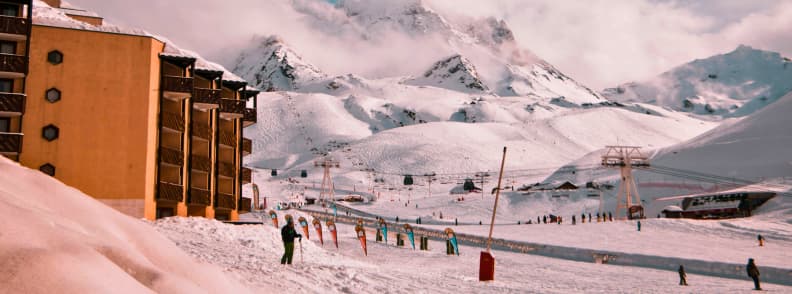
Where to Stay in the French Alps. Ski Accommodation Types and Booking
Choosing where to stay near French Alps depends on group size and travel style. Major resorts offer everything from luxury hotels ski resorts French Alps to simple studios, hostels, and chalets.
- Hotels Chamonix range from boutique options to full-service spa properties.
- Apartments Courchevel suit families who want kitchen space.
- Hostels Val d’Isère give good value near beginner and intermediate slopes.
- Travelers wanting chalets ski in ski out France find them in purpose-built villages like Avoriaz and La Plagne, where ski in ski out chalets France line the pistes.
- Those seeking convenience choose all inclusive ski holidays French Alps, especially for weekend ski trips France or bigger group ski holidays France.
French Alps Accommodation Tips: When deciding between hotels and apartments, check the map distance to ski school meeting points because it shapes your whole morning routine.
Ski Rental Costs vs Shipping Your Skis to France
Resorts provide excellent ski rental French Alps networks, with shops located next to lifts and accommodation. Typical ski rental costs run around €25-30 per day for skis and boots, with weekly ski hire equipment French Alps packages between €150 and €250, depending on performance level.
Travelers debating ski rental France versus bringing gear should factor in airline baggage fees, which often run €50-100 per direction. Those arriving from the US sometimes consider shipping ski equipment to France, which averages around $170 for a small bag and takes about one week. This helps when avoiding airline weight restrictions.
The Travel Bunny’s Advice: If you want the quickest pickup, reserve equipment with a shop near your accommodation because morning rush hours vary by resort.
Can I bring my own skis?
Yes, but you must consider the cost of flying with ski equipment to France and the logistics of shipping ski equipment to France if you want to skip baggage queues. Checking with your airline in advance prevents surprises and shows whether bundled baggage upgrades offer better value than single item fees.
I also advise you to pack your ski boots in your carry on because they are harder to replace than skis if your checked bag is delayed.
School Information and Ski Lessons in France
Ski lessons France remain well structured due to experienced instructors and strong national programmes. The ESF runs ski lessons French Alps across all major resorts, with ski schools French Alps that cater to every level.
Ski school prices vary, but group lessons often sit around €200-300 for five or six half days. Private lessons cost more but adapt to individual needs.
Families appreciate kids ski lessons French Alps, which follow age specific teaching methods. Many instructors work as private ski instructors and speak multiple languages, making lessons easy to follow for international travelers.
What languages do ski instructors speak?
Most instructors speak English, so ski schools French Alps English speaking remain accessible even for visitors who do not speak French. Larger resorts host multilingual teams, which helps with clear technique explanations and safety briefings.
If language matters, you should contact the school in advance to request an instructor with your preferred language.
Money Matters. Complete Budget Breakdown for Skiing in France
A clear understanding of costs helps you plan a France ski vacation without surprises. Prices shift by resort size, altitude, and travel period, so breaking expenses into daily spending, passes, and full trip totals gives you a realistic picture before you book.
Is Skiing in France Expensive? Daily Costs by Resort (Budget, Mid, Luxury)
Travelers comparing how much does it cost to ski in France discover wide differences between villages. The country offers meaningful choices for budget, comfort, or luxury.
In budget-oriented areas, daily spending can stay low due to cheaper lift passes and modest restaurant pricing. Cheapest ski resorts in France, like Les Karellis or Aussois, suit travelers who want savings without losing access to long blue and red runs.
Mid-range domains in the larger valleys sit higher because on slope lunches and après drinks cost more.
At the top tier, luxury ski resorts French Alps, such as Courchevel, bring premium hotel rates, gourmet meals, and higher equipment hire costs.
Skiing in France Budget Tip: Track restaurant prices on resort menus before your trip because lunch costs vary more than lift pass prices.
Calculating Your Total France Ski Trip Cost. The €800-1500 Range
Estimating the cost of ski trip France starts with a simple framework. A standard week covers lift passes, lodging, meals, lessons and rental gear. Current numbers place the cost of skiing in France per week between €800-1500 per person.
Mountain restaurants add another daily expense for those who eat on the slopes. Altitude and reputation influence accommodation rates, so premium resorts push the upper end of the range while smaller villages stay closer to the minimum.
Cheap France Ski Trips Advice: Choose self-catered apartments if you want to keep meal expenses under control because supermarket access improves budgeting.
French Alps Lift Pass Price Analysis. Getting the Best Value
Understanding ski pass France pricing helps with budgeting. Major alpine networks publish integrated ski pass prices France so you can ski across full valleys without switching passes
| Domain | Adult 6 Day Pass | Notes |
|---|---|---|
| Ski pass prices Les 3 Vallées | €409 | Full access to Courchevel, Méribel, Val Thorens |
| Ski pass prices Paradiski | €359-478 | Classic vs premium access |
| Espace Killy ski pass cost | €360-400 | Tignes and Val d’Isère combined |
| Chamonix ski pass daily price (MBU) | ~€360 | Multi area access across the valley |
Smaller local stations offer lower rates which helps travelers looking for the cheapest ski pass France without losing scenic pistes. The lowest consistently available rates come from small family resorts such as:
- Les Karellis (Maurienne Valley)
- Le Grand Bornand Village beginner area
- Aussois (Maurienne Valley)
- Le Lioran (Massif Central)
- Gérardmer (Vosges)
- La Clusaz beginner area
These stations often offer day passes between €20 and €35, depending on season and altitude. This is the lowest price range for a real alpine ski pass in France.
Prices below €20 usually apply only to beginner magic carpet zones or very small village slopes, not full chairlift access.
Skiing in France Budget Tips: Check early autumn sales because many resorts quietly release discounted December and January passes before the season opens. Discounts for children and families reduce the total cost for multigenerational groups.
Cheapest Ski Resorts in France
Travelers searching for the cheapest ski resorts in France often turn to the Southern Alps or lesser known stations in Savoie. These budget ski resorts French Alps keep daily spending low through accessible rental shops and modest restaurant pricing.
| Resort | Region | Day Pass | 6 Day Pass | Notes |
|---|---|---|---|---|
| Les Karellis | Maurienne Valley, Savoie | €27.50 | €137 | Best value in the Alps, car free, family focused |
| Gérardmer | Vosges Mountains | €31 | n/a | 4 hour pass €26, wide pistes, great for families |
| Le Lioran | Massif Central, Cantal | €32 | €158 | Large budget resort with gondola and varied terrain |
| Aussois | Maurienne Valley, Savoie | €35 | €175 | Sunny slopes, ideal beginner and family terrain |
| Montgenèvre | Hautes Alpes, Italy border | €44 | €236 | Cheapest high altitude resort, Via Lattea access |
| La Norma | Maurienne Valley, Savoie | €36 | €180 | Compact, ski in ski out, family friendly |
| Super Besse | Massif du Sancy | €35.50 | €168 | Modern lifts, good for beginners and short trips |
| Saint François Longchamp | Linked with Valmorel | €43 | €230 | Great intermediate area inside Le Grand Domaine |
| Les Rousses | Jura Mountains | €36 | €162 | Mix of alpine and Nordic skiing, low cost |
| Pralognan la Vanoise | Vanoise National Park | €39 | €195 | Charming village feel with strong scenery value |
- If you want the absolute lowest daily lift pass price, the winner is Les Karellis ski pass at €27.50 per day
- If you want the cheapest week price while staying in the Alps, the best value is Les Karellis att €137 for 6 days
- If you want the cheapest high altitude resort with good snow reliability, the winner is Montgenèvre at €44 per day.
Budget Skiing in France Advice: Look at lift plus lodging bundles from resort tourism offices because they offer genuine savings during early winter and late spring.
France vs Switzerland Cost Comparison
Is it cheaper to ski in France or Switzerland? Once you look at the data. Switzerland costs more across every major category: lift passes, accommodation, meals and ski schools.
| Category | France Ski Prices | Switzerland Ski Prices | Difference |
|---|---|---|---|
| Lift Pass (Day) | €72-75 (Tignes, Chamonix, 3 Vallées) | €89-93 (Verbier, Zermatt, St Moritz) | France is 20-30% cheaper |
| Lift Pass (6 Days) | €360-409 | €444-480 | France costs €60-120 less |
| Accommodation (3 star hotel, per night) | €110-180 | €180-260 | France costs €60-100 less per night |
| Ski School (5-6 half days) | €200-300 | €350-450 | France is 40-60% cheaper |
| Kids Ski School | €180-260 | €300-400 | France is €120+ less |
| Ski Rental (per week) | €150-250 | €200-300 | France costs €50 less on average |
| On Mountain Meal | €18-26 | €30-45 | France is 50-80% cheaper |
| Weekly Trip Total (Realistic Mid Range) | €1,480-1,830 | €2,694-3,000 | France costs €1,000-1,200 less per week |
A straightforward comparison shows that France delivers lower total costs for lodging, lift tickets and restaurant meals. This places skiing in France vs Switzerland cost in favor of France for budget conscious travelers. The difference grows in luxury resorts where Swiss pricing sits higher across most service categories.
The Travel Bunny’s Budget Advice: If you want Swiss scenery at French prices, choose resorts near the border that share cross country or downhill networks with Switzerland.
The Travel Bunny’s Money Saving Tips for French Skiing Trips
- Book early to reduce lodging costs. Resorts release lower preseason rates before autumn. This gives travelers the best chance to save money on ski trip France and secure flexible cancellation terms. Compare travel deals three months before your trip because this window often shows the first visible price drops.
- Purchase lift passes online. They often cost less than at the ticket office. Many resorts quietly publish ski holiday deals French Alps for early winter and spring dates, which helps trim the total budget. Check resort websites weekly in October because limited discounted passes appear without wide promotion.
- Avoid school holiday periods to control spending. Staying outside peak dates lowers prices across accommodation, transport and lessons, and improves access to instructors. This timing directly supports travelers looking for the cheapest time to ski in France. Aim for the two weeks after New Year because snow reliability stays strong while demand remains low.
- Watch for early booking ski discounts France because group packages and multi resort bundles often update mid season. These offers help larger groups plan without last minute price shocks. Subscribe to resort newsletters because they announce flash discounts earlier than online travel agencies.
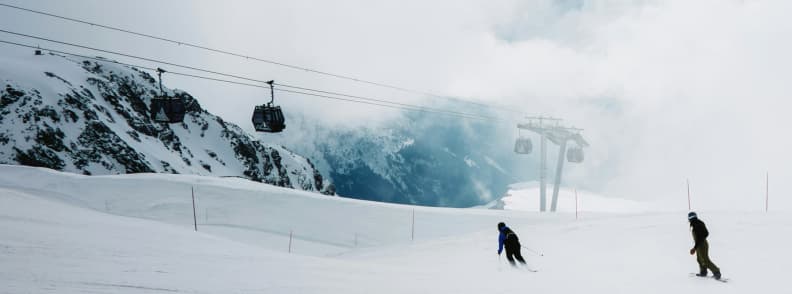
French Alps Weather and Snow Conditions
Understanding weather French Alps patterns helps you plan routes, manage expectations and choose the right resort for each month of the winter season. Conditions shift with altitude, orientation and storm cycles, so looking at snow reliability French Alps and typical seasonal changes gives you a clear sense of what waits on the mountains.
French Alps Average Snowfall by Resort
Different altitudes and valley exposures create distinct snowfall patterns. High altitude resorts show stronger consistency and deeper averages, which helps travelers predict weekly conditions even before checking the snowfall forecast French Alps. Some stations publish long term data that show how terrain and elevation shape winter baselines. These numbers form a simple overview of average snowfall French Alps and help explain why certain resorts stay popular in late season.
| Resort | Elevation Range | Average Seasonal Snowfall | Notes |
|---|---|---|---|
| Val Thorens | 2300-3230 m | 5-7 m | Strong late season record |
| Tignes | 1550-3450 m | 6-7 m | Glacier improves reliability |
| Chamonix (Grands Montets) | 1250-3300 m | 8-10 m | One of the deepest snow zones in France |
| Les Arcs | 1200-3226 m | 5-6 m | Consistent mid winter coverage |
| Avoriaz | 1800-2466 m | 7-8 m | Known for high natural snowfall |
| Alpe d’Huez | 1860-3330 m | 5-7 m | Strong sun exposure with good snow depth |
Use these figures alongside live snowfall data because early storms can produce deeper bases than annual averages suggest.
French Alps Weather, Snow Conditions, and Avalanche Safety
Winter in the Alps follows a rhythm shaped by altitude, storm tracks and temperature swings. Early winter stays colder at high elevation, which stabilises bases before the busiest weeks. Mid winter brings the deepest snow, while late season skiing depends heavily on altitude and exposure. These patterns influence snowfall, on piste conditions and avalanche risk French Alps, so checking daily bulletins and webcams helps you plan safely.
Off piste terrain becomes more sensitive to new snow and rapid warming, which makes reading avalanche risk French Alps daily essential during unsettled periods. The season moves fast, so understanding how each month behaves avoids surprises on the mountain.
Skiing in France Safety Tip: Use Météo France bulletins before heading into ungroomed zones because conditions shift quickly after storms or temperature spikes.
Month by Month Weather and Snow Overview (Detailed)
November brings the first significant snowfalls above 2,000 meters, with temperatures often between minus 5 and minus 10 degrees at altitude. Conditions stay unstable and many lifts remain closed, but glaciers and high sectors operate limited terrain. Early November storms often reset the base for the whole winter.
December mixes early storms with mild spells at village level. High altitude domains open first and benefit from colder nights, while mid mountain slopes depend on snowfall timing. Daytime temperatures often sit between minus 8 and plus 2 degrees, shifting the texture of the snow through the day. Choose resorts above 1,800 m in early December to reduce freeze thaw issues.
January delivers the strongest cold of the season. Temperatures range from minus 12 to minus 4 degrees at higher elevations, which preserves powder and builds deeper bases. Storm cycles run frequently, and visibility can change fast. Ski upper slopes in January mornings because wind transport creates fresh pockets of snow.
February provides the most stable blend of visibility and snow quality. Average high altitude temperatures sit between minus 10 and minus 3 degrees, which keeps snow dry. This supports excellent February skiing French Alps conditions, but crowds peak during school holidays. For quieter pistes in February, target Wednesdays when family schedules shift lesson times.
March offers longer daylight and warmer afternoons. Temperatures rise to minus 5 to plus 4 degrees depending on altitude. Snow remains firm on north facing slopes and softens on south exposures by midday. Ski east or north facing slopes after lunch because sun softened runs turn firm again as shadows return.
April depends entirely on altitude. High sectors above 2,300 m stay reliable with cold nights, while mid altitude slopes soften early. Crowds fall sharply, which helps travelers looking to avoid typical April skiing French Alps crowds. Start early in April because the best snow sits between 9:00 and 11:30 before spring warmth arrives.
| Month | Typical Snow Conditions | Average Temps (High Altitude) | Crowds | Avalanche Considerations |
|---|---|---|---|---|
| November | Patchy low, good high | −5 to −10°C | Very low | Early season weak layers form after first storms |
| December | Variable low, reliable above 1,800 m | −8 to +2°C | Medium to high (Christmas) | Rapid changes after storms, wind slab common |
| January | Excellent, cold powder | −12 to −4°C | Low to medium | Deep snowpack develops, storm cycles increase risk |
| February | Best overall quality | −10 to −3°C | Peak | New snow over firm layers increases sensitivity |
| March | Mixed, freeze thaw cycles | −5 to +4°C | Medium | Afternoon warming increases wet snow slides |
| April | Reliable only above 2,300 m | −3 to +8°C | Low | Wet snow avalanches on warm slopes by midday |
What’s the Snowfall Forecast for the French Alps?
Travelers checking what’s the snowfall forecast for French Alps often combine apps with French Alps webcams live to see approaching storms. Resorts maintain public webcams across summit ridges, lift stations and village areas, which helps visitors assess skiing webcams French Alps live views in real time. Pairing forecast models with webcams gives a full picture because mountain weather shifts quickly and webcams reveal cloud cover, visibility and wind patterns that forecasts alone cannot show.
Skiing in France Hack: Watch summit webcams early in the morning because changing light reveals snow quality before lifts open.
Beyond Skiing. Other Activities in the French Alps
A France ski vacation can also include snowshoeing, ice skating, fat biking, guided walks and even ice diving on frozen lakes. These activities give travelers variety during long winter weeks and help mixed ability groups enjoy mountain time together. Many villages host cultural events, local markets and scenic routes that work for rest days, which keeps the French Alps interesting even when you want a break from the lifts.
The Travel Bunny’s Advice: Plan at least one non skiing activity before you arrive because popular winter experiences book out quickly in peak weeks.
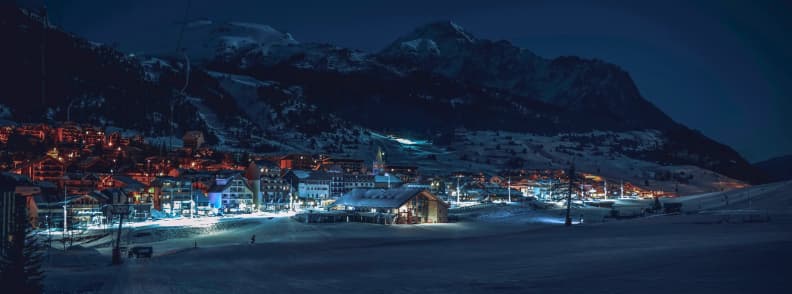
Navigating French Après Ski and Nightlife
The après ski French Alps scene ranges from loud slope-side parties to low-key wine bars tucked into village streets. The best après ski French Alps resorts include Val d’Isère, Val Thorens, and Méribel, where terraces fill as soon as the lifts close. La Folie Douce remains the most famous venue, with DJ sets and dancers performing outdoors.
Travelers who prefer quiet evenings find relaxed spots in Chamonix or Les Arcs, where the nightlife French Alps feels gentler. For calm evenings, also avoid lift base bars at 5 PM because this is the busiest moment of the après period.
Dinner prices stay predictable, with most restaurants ski resorts France serving two-course meals for around €26, though fine dining climbs much higher.
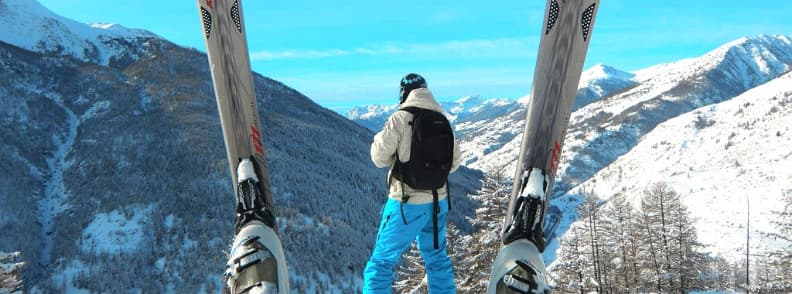
France Snowboarding and Terrain Parks
The Alps remain one of the top destinations for snowboarding French Alps trips because terrain parks sit across many major resorts. Freestyle zones in Avoriaz include The Stash Avoriaz, a wooded park built from natural materials. Les Deux Alpes also runs one of the largest snowparks in Europe, which appeals to riders looking for variety in jumps and rails.
Many villages support snowboard schools with beginner and intermediate progression areas.
Off piste riding stays good across the range, particularly around La Grave, where freeride routes suit experienced riders.
Cross Country Skiing in France
Nordic areas shape the reputation of cross country skiing French Alps, with scenic loops across valleys and forests. Cross country skiing Jura delivers long networks through gentle terrain and suits skiers who want steady endurance sessions rather than steep climbs. Nordic skiing France also thrives in Les Saisies, which earns the nickname Nordic mecca due to its wide, sunny plateaux. Chamonix valley offers mixed trails through woodland and open meadows for travelers wanting something calmer than alpine slopes.
France Nordic Skiing Tip: Visit Nordic centres early in the morning because groomed tracks stay fastest while the snow is firm.
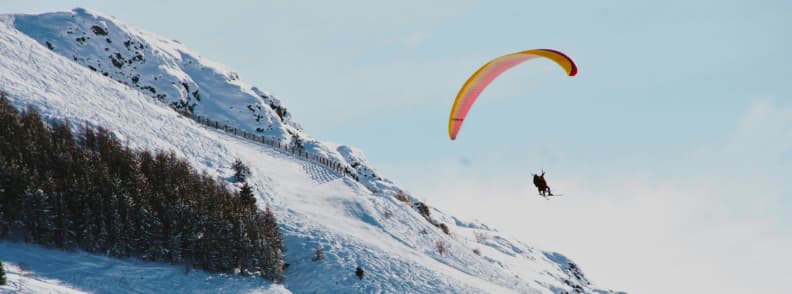
French Alps Paragliding / Parapente
Flying over the mountains remains a popular bucket list experience, with French Alps paragliding and skiing offered in many resorts. Winter flights use skis for takeoff and give panoramic views across glacier ridges and valley floors.
Paragliding French Alps options include routes above Mont Blanc and tandem flights from the slopes in resorts like Chamonix Mont Blanc, Tignes, Morzine, and Alpe d’Huez. Calm weather windows matter because wind direction shapes where and when flights operate.
French Alps Parapente Tip: Book flights on the first clear day of your trip because weather shifts often reduce options later in the week.
Non Ski Winter Fun
Many travelers want non skiing activities French Alps that still feel connected to mountain life. Sledding hills suit families because areas like Val Thorens run long toboggan tracks. Dog sledding French Alps options appear across northern and southern resorts and offer scenic routes through forest trails.
Warm up days can include indoor leisure centres, thermal spas, and wellness facilities because the spa French Alps culture remains strong in places like Saint Gervais.
Visitors wanting simple fun find sledding French Alps zones near resort bases for quick afternoon sessions. Bring waterproof trousers for sledding because snow spray soaks clothing faster than expected.
Summer in the Mountains of France
Although winter dominates the tourism calendar, the Alps transform once the snow melts. Resorts host summer activities French Alps, such as hiking, mountain biking, and climbing, and lakes open for boating or paddleboarding.
High altitude areas around Tignes allow French Alps glacier skiing summer for limited hours, which keeps technical training alive in warm months. Some valleys promote summer skiing France on early morning glacier tracks before shifting to hiking routes for the rest of the day.
France Summer Skiing Tip: Target glacier skiing during the first two hours of operation because snow softens quickly in summer sunlight.
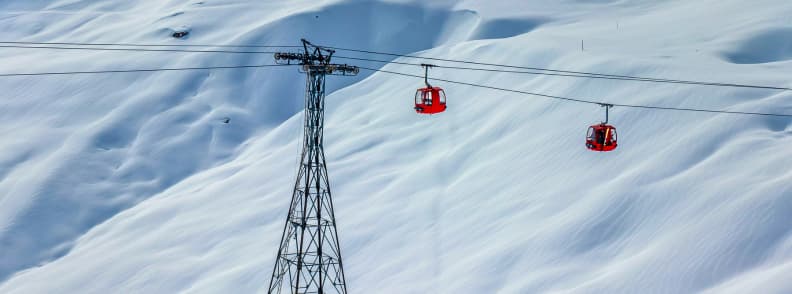
Essential French Phraseology for Skiers
Learning a few phrases improves confidence on the mountain and helps visitors understand signage, lift instructions, and safety briefings. Basic French ski vocabulary makes navigation easier, and many travelers find that skiing in France vocabulary you need to know becomes second nature after a few days. Knowing the right words also helps when you speak with ski patrol or instructors because clarity matters during busy periods.
Keep these terms on your phone because cell reception drops on high ridgelines where you might need quick translations.
Slopes and Lifts. Key Vocabulary
Understanding terrain terms helps visitors follow piste maps and makes lift queues more efficient. Piste meaning in French translates directly to slope, and difficulty levels appear in colours rather than shapes. Pay attention to piste colours because red slopes in France often feel steeper than intermediate runs in North America.
Lift names vary by resort, so knowing French words for ski lifts helps you board correctly. Chair lifts appear as télésiège, gondolas as télécabine and cable cars as téléphérique.
The phrase école de ski means ski school, which appears across meeting points in every village.
Using this practical list allows skiers to understand major signs and instructions without waiting for English translations.
Survival French. Asking for Help and Directions
Visitors who learn useful French questions for skiing navigate the mountains more easily.
- When looking for a lift, the question Où est la télécabine? or Où est le télésiège? asks for the correct boarding point.
- Searching for restrooms means asking Où sont les toilettes les plus proches?
- Basic directional instructions help when you meet patrol or resort staff because lifts close early during storms. Travelers who want to know how to ask for help on the slopes in French also practice phrases such as Je me suis perdu or Pouvez-vous appeler les secours?, which help you manage unexpected situations.
Ask staff for opening times at the start of each day because lift schedules often change when wind speeds rise on exposed ridges.
Skiing in France FAQs
The most common questions about skiing in France revolve around when is ski season in France, weather reliability, family suitability, pass prices and language barriers. Travelers planning from abroad often want clear, specific answers rather than estimates, so this section condenses everything into direct explanations that help you make fast decisions without digging through multiple sources. Bookmark this section before your trip because these answers cover everything you need to know on arrival.
When is ski season in France?
Ski season in France usually runs from early December to mid April, with high altitude resorts opening in late November and extending into early May. Snow coverage depends on altitude, so places like Val Thorens, Tignes and Les Deux Alpes offer longer operational periods thanks to colder overnight temperatures and stronger base depth. This timing offers consistent terrain for holiday periods and strong conditions for January and February trips.
For the most reliable early season snow, choose resorts above 1,800 m because these areas freeze earlier and hold snow longer.
Can you ski year round in the Alps?
Year round skiing is limited to French glacier zones where snow persists through summer. Resorts do not operate full winter terrain outside the main season, but glaciers with solid ice bases run short summer sessions for training and recreational skiers. These areas provide a consistent technical environment rather than the broad terrain of winter.
Arrive early for summer skiing because glaciers open only in the morning due to softening snow.
Can you ski in France in the summer?
Yes, though on a reduced scale. Tignes and Les Deux Alpes open glacier pistes during June and July, usually from early morning until noon. Snow stays firmer at altitude, which creates enough stability for short sessions. Many skiers enjoy the novelty of wearing T shirts at 3,000 m and mixing skiing with hiking or biking later in the day. Outside these glacier areas, summer becomes a season for trails rather than skiing.
Bring sunscreen because the combination of altitude and reflective snow causes fast sunburn.
What’s the snowfall forecast?
Travelers follow snowfall forecast French Alps updates through Météo France, resort forecast dashboards and summit webcams. These tools show incoming storms, wind direction and freezing levels, which help visitors match their plans with real time conditions. Forecasts update several times per day, so checking again in the evening gives you a clearer view of the next day’s skiing.
Compare two forecast sources because ridge line winds and microclimates create rapid differences between valleys.
What is the highest ski resort in France?
The highest full service ski resort in France is Val Thorens, with a base village at 2,300 m and lifts reaching around 3,230 m. This elevation guarantees strong late season conditions and makes it one of the most reliable options in April and early May. The Aiguille du Midi cable car in Chamonix rises to 3,842 m, but that area is reserved for off piste skiing rather than structured resort terrain.
Choose Val Thorens for spring trips because its high altitude delays snowmelt and preserves upper slopes.
Which French ski resorts are best for families?
Families often look for structured services, safe slopes and easy access. French ski resorts with the Famille Plus label deliver these standards across childcare, ski schools and activities. Popular choices include Avoriaz for its pedestrian layout, Les Gets for gentle slopes and activities, La Plagne for varied terrain and reliable ski schools, Valmorel for its compact village and slopeside lodging and Les Menuires for its affordable position within the Three Valleys. These villages support child friendly progressions and safe meeting points, which help parents manage mornings and afternoons more easily.
Look for villages with accommodation directly at slope level because carrying gear with small children adds stress to busy mornings.
How much does a ski pass cost in France?
A typical one day lift pass in large resorts costs between €70 and €75. A six day pass ranges from €360 to €409 depending on the domain size and altitude. Smaller resorts offer meaningful savings, with day passes from €27 to €44. Many families benefit from age specific discounts and multi person packages that reduce total spending.
Buy your pass online because pickup kiosks work faster than ticket offices during peak hours.
Is skiing in France expensive?
Skiing in France covers a wide range of budgets. High profile resorts charge premium rates for lodging and dining, but many travelers discover that France remains more affordable than North America for comparable terrain. Lift tickets sit around €50 to €75 per day, far below US pricing. All inclusive centres like UCPA also offer full week packages for under €1000, which include lodging, meals and instruction.
Compare resort villages within a domain because moving one village over often reduces accommodation prices significantly.
Is it cheaper to ski in France or Switzerland?
France remains consistently cheaper across accommodation, lift passes, ski schools and restaurant pricing. A mid range week in France costs €1,480 to €1,830 per person. Equivalent Swiss weeks often reach €2,700 to €3,000 due to higher lodging and food costs. This makes France the stronger option for budget conscious or extended trips.
If you want Swiss style scenery without Swiss pricing, choose the Chablais area, which shares landscapes with Swiss resorts.
Do I need to speak French at the ski resorts?
Most visitors manage comfortably without French because large resorts employ multilingual staff and instructors. English appears widely in ski schools and on signage. Basic greetings help, but communication remains straightforward for travelers who do not speak the language.
Learn a few slope specific terms because piste names and instructions use French consistently.
How far are the ski resorts from Paris?
The Alps sit around five to six hours from Paris by train or car. Travelers often take the TGV to Bourg Saint Maurice or Grenoble to reach major domains quickly. Paris itself does not offer skiing because the terrain stays flat, though indoor simulators provide basic practice sessions. Occasional deep snowfalls turn Montmartre into a temporary sledding spot, but this never replaces a real ski resort.
If you want reliable skiing from Paris, target a weekend trip rather than a same day attempt.
Are there non skiing activities in French Alps?
Yes. Villages offer snowshoeing, spa days, ice skating, gourmet experiences, scenic cable cars and winter walking routes. These options give travelers rest days during long trips and work well for mixed ability groups. Look at cultural calendars because many villages run weekly winter festivals.
Are there dog sledding activities in French Alps?
Several resorts host dog sledding routes through forests and open valleys. Popular locations include Val d’Isère, La Plagne, Les Saisies and Samoëns. These sessions run on fixed schedules with limited capacity, so early booking helps secure your preferred slot. Dress warmly because wind chill on sleds feels stronger than expected.
How to book a ski vacation in France?
Travelers planning full ski holidays choose between online booking platforms, packaged trips or custom itineraries. Start by selecting your domain, then match lodging, passes and transfers to your dates. If you want tailored advice for resort selection, itinerary design or local booking strategies, you can contact me, The Travel Bunny for personalised help based on your travel style, budget and group size. Reach out early because the best accommodation locations sell out fast for February and school holidays.
Your Next Steps for Planning the Perfect Ski Trip to France
A full France ski vacation becomes easier once you understand how the mountains work, how the resorts differ and how conditions evolve through the season. This guide from The Travel Bunny has brought together everything you need to navigate skiing in France, from high altitude snow zones to lift pass strategy, terrain choices and non skiing activities.
Travelers searching for the best ski resorts in France discover a wide spectrum of experiences because the Alps mix mega domains with calm village stations. This variety keeps French Alps skiing accessible regardless of budget, skill level or travel style. I suggest you keep notes on the resorts that match your goals because building your shortlist early helps you secure the best accommodation and lesson slots.
France’s mountains offer one of the most complete winter environments in the world. You find expansive terrain in the Three Valleys, dramatic scenery in Chamonix, family friendly networks in La Plagne and deep snow zones in Tignes. Smaller regions across the Jura, Vosges and Massif Central add more local character for travelers wanting quieter slopes. This range helps visitors tailor trips to match their pace, whether they want steep off piste lines or calm greens for the first turns of the season.
If you want more support, take a look at the breakdowns of Chamonix, the Three Valleys, Paradiski, and the other notable French ski resorts. Restaurant and lodging guides add a practical layer that helps you plan confidently. These tools work well for independent skiers who want straightforward direction without booking a package. I advise you to build your travel checklist early because transfers, ski school, and gear reservations sell out faster than most visitors expect.
Travelers who want personalised help with planning can contact me directly. I support itinerary design, resort selection, and cost optimisation for readers who want a smoother skiing experience. If you want advice tailored to your timeline, group size, or preferred terrain, reach out, and I will help shape your next winter holiday.
Send me a message once you choose your dates because availability changes quickly in peak months.
About the author

Hi! I’m Mirela Letailleur, the creator of The Travel Bunny, my award winning European travel blog focused on practical guides, cultural experiences and budget smart planning. I specialise in skiing in France, European city breaks, Mediterranean trips and fast itinerary design for travelers who want depth without wasting time or money. I’ve lived in France for years, explored the Alps across multiple regions and built an expertise around French Alps skiing, transport logistics, affordable lodging strategies and the realities of planning a France ski vacation as an expat. My approach blends personal experience with detailed research so readers always get clear, reliable information they can use immediately.
My work appears across international publications and has helped thousands of readers plan ski trips, family holidays and long weekend escapes. I use a mix of hands on travel, local insight and data driven research to create guides that help travelers feel confident before they even book. Whether I’m writing about the best ski resorts in France, lesser known Alpine villages or the smartest way to navigate train connections and lift passes, my goal stays the same. I want to give travelers honest, precise and experience backed guidance that makes every trip smoother, richer and easier to enjoy.
If you enjoyed reading about skiing in France, you should also read these travel guides
Weekend trip to Paris: Top 10 Parisian attractions you’ll adore
10 things you need to know before traveling to Paris
France: Top 5 enchanting places away from Paris