
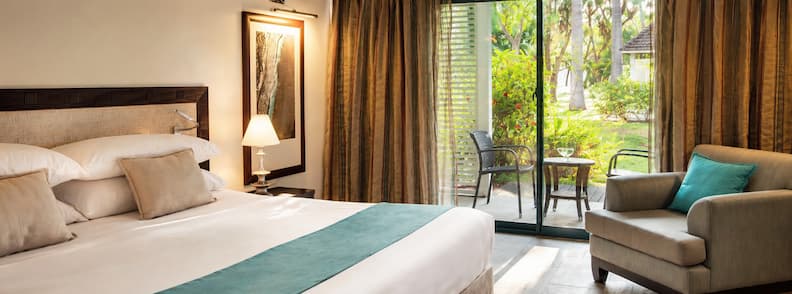
If you’re wondering where to stay in La Réunion, your options depend entirely on what you want from the island. Beach? Mountains? Creole towns? Remote villages only reachable on foot? La Réunion isn’t a place where you just book a hotel. It’s a place where your location shapes your entire experience.
The Travel Bunny’s La Réunion accommodation guide is built for anyone planning their first time in Réunion. I’ve split my own travels across different bases, from a volcano gîte near Piton de Bert to a remote night in Mafate, only reachable on foot. But I kept returning to Saint-Leu, a town with west coast sun, calm energy, and friends who helped me and my husband understand how locals move across the island.
La Réunion Accommodation Guide
Choosing the best areas to stay in La Réunion is about logistics. The island’s microclimates shift dramatically every few kilometers. Traffic in Saint-Denis will break your plans if you don’t account for it. And some of the island’s best hikes or viewpoints can only be reached early in the morning, which means your base matters.
Whether you’re looking for the best place to stay in Réunion Island for hiking, beaches, or food markets, or trying to decide where to stay on Réunion Island with or without a car, this La Réunion travel guide breaks it all down. I’ll cover the pros and cons of every major region, help you find the best base in Réunion Island for your style of travel, and share real local tips to avoid logistical headaches.
By the end, you’ll know where to stay in La Réunion based on what looks good in photos, and also on what actually works in real life. Let’s hop to it!
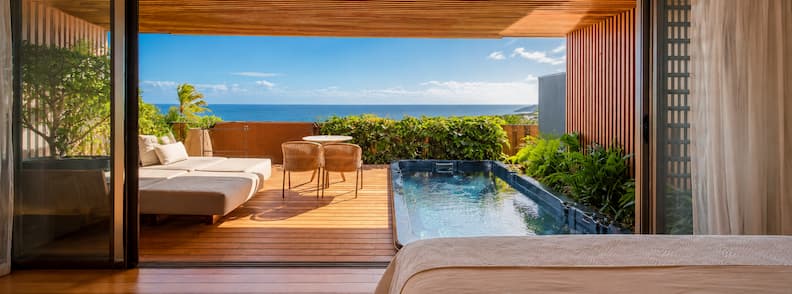
Why Where You Stay in La Réunion Matters
Choosing the right base is more than a comfort decision. On an island where the terrain changes faster than the weather forecast, your location affects everything from what you see to how long it takes to get there. A Reunion Island coastal vs mountains stay, beyond sea view or altitude, is about access, pace, and what kind of traveler you are. Whether you stay in West Coast Reunion or South, the difference isn’t subtle. Your daily rhythm and even the clothes you pack will depend on it.
La Réunion Island Geography. West vs East, Cirques, Volcano
La Réunion is a compact island, but every side feels like a different country. The La Réunion West Coast vs East Coast divide is one of the first decisions to make. The West Coast is dry, sunny, and tourist-ready. It has the lagoon beaches, the resorts, and the long sunsets. The East Coast is lush, humid, and alive with waterfalls and sugarcane fields. It rains more, grows more, and gets fewer visitors.
The interior is a different world altogether. Three natural amphitheaters, or cirques, dominate the island’s heart: Cilaos, Salazie, and Mafate. They were formed by collapsed volcanoes and now house remote villages, misty peaks, and dramatic trails. At the southeastern edge, the Piton de la Fournaise volcano still smokes, surrounded by a black rock desert called the Enclos Fouqué.
Is the West or the East coast better in Réunion Island? This only makes sense if you know what you’re looking for. West Coast means beach time and cocktails. The East Coast means green landscapes and solitude. The center means early mornings, good boots, and one-lane mountain roads.
The Concept of Ambiances
Locals often say La Réunion is one island, seven ambiances. And that’s not marketing, that’s how people live. In Saint-Denis, the capital, the vibe is fast and French. There are museums, roundabouts, and street markets with loudspeakers and lottery tickets. Drive an hour, and you’re in Cilaos, where the morning is silent, the air is cold, and a cat sits under your table while you sip strong coffee in a gîte.
Each region feels like it has its own season, its own culture, and its own rhythm.
Saint-Leu is chill, good for surf and slow breakfasts. Saint-Gilles is sharper, touristy, with bars and boat tours. Hell-Bourg in Salazie is full of Creole houses and mountain mist. Saint-Pierre has one foot in the sea and one in the volcano’s shadow. Even Cirque de Mafate, which you can only reach on foot, feels like it runs on a different clock.
Understanding these ambiances is the difference between staying in La Réunion and feeling part of it.
Weather, Microclimates, and Driving Times That Affect Your Base
La Réunion is vertical. That means the weather changes with every bend in the road. A ten-minute drive can take you from sunshine to fog. A 500-meter climb can drop the temperature by ten degrees. This isn’t poetry, it’s packing advice.
Some places get soaked in the afternoon, while others are bone dry year-round. The East Coast grows bananas for a reason. The West Coast rarely sees clouds. If you’re hiking in Mafate or staying near the volcano, expect mornings below ten degrees and pack accordingly.
Driving matters too. Saint-Denis might look close to Saint-Gilles on the map, but the traffic makes it feel like a different island. The Cilaos road has over 400 bends. The ring road that loops around the island is fast in theory, but often jammed near the airport or bottlenecked by landslides.
All of this means your base is your anchor. Pick wrong, and you spend more time in traffic than on trails. Pick right, and the island unfolds on your terms.
Disclosure: Some of the links on this page are affiliate links. This means that at no extra cost to you, The Travel Bunny will earn a small commission if you click through and make a purchase. Thank you!
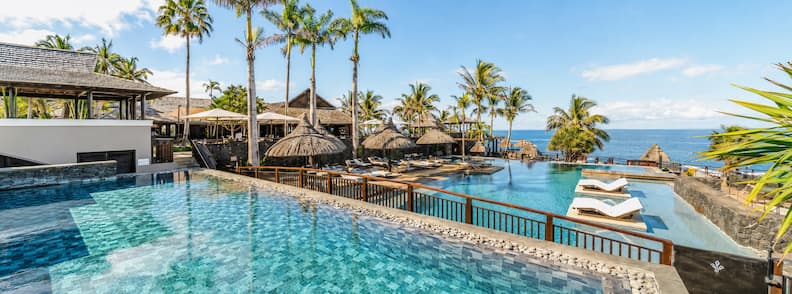
Quick Picks. Where to Stay in La Réunion at a Glance
Not everyone wants to read 6,000 words before booking a room. If you’re here for the short version, this list covers the best area to stay in La Réunion for beaches, hiking, families, car-free travelers, honeymoons, and tight budgets. These picks reflect both practical logistics and real on-the-ground vibe.
- Best area overall for first-time visitors. West Coast, especially L’Hermitage and La Saline near Saint-Gilles. Calm lagoons, reliable sun, and a concentration of hotels, restaurants, and tour pickups make this the safest bet if you want easy access to everything.
- Best area to stay in La Réunion for hiking. The mountain cirques, particularly Cilaos or Hell-Bourg in Salazie. Both offer dramatic trails, early starts, and traditional gîtes surrounded by peaks and waterfalls. If hiking in La Reunion is your main reason for coming, base yourself here.
- Where to stay in La Réunion with kids and beach access. West Coast again, especially L’Hermitage. The lagoon here is protected by a reef, which makes it ideal for swimming. This is also the safest place to stay in Réunion Island with family, thanks to calm water, walkable restaurants, and close medical access if needed.
- Reunion Island honeymoon where to stay. Look at Saint-Leu for boutique guesthouses with ocean views and a slower pace, or high-end options like Blue Margouillat Seaview Hotel or Palm Hotel and Spa. These give you privacy, luxury, and a strong sense of place without crowds.
- Where to stay in Réunion Island on a budget. Go south to Saint-Pierre or inland to Salazie. Both have affordable guesthouses and smaller hotels, and both are well placed for local food and markets. You can also move around using public buses, especially in Saint-Pierre.
La Reunion isn’t a one-size-fits-all island. But if you match your base to your travel style, everything else falls into place.
Understanding La Réunion’s Regions
You can’t choose the best villages to stay in Réunion Island unless you understand how its regions work. Each part of the island offers a different mix of weather, culture, accessibility, and scenery.
This is where a map changes everything.
Use my La Reunion Map on Rexby to get your bearings. It shows the West Coast, North, South, East, and the island’s interior (the cirques and volcano region). You’ll find it in my full island guide La Réunion Unfiltered, The Hidden Island in the Rexby app. It’s kept up to date with road conditions, new stays, and local tips, which I update on a regular basis.
West Coast. Beaches, Sun, and Convenience
La Réunion West Coast is the easiest region for most travelers. It includes Saint-Gilles-les-Bains, L’Hermitage, La Saline, and Saint-Leu. This is the island’s most reliable sunshine zone, thanks to the rain shadow effect. It’s also where you find the lagoon beaches, protected by coral reefs, so swimming is safe even with kids.
You’ll get a wide range of restaurants and shops here. Tour pickups leave daily. It’s also home to the island’s few resort-style hotels and best nightlife, especially around Saint-Gilles.
The downside is that it can feel built for tourists. It’s not where you go to meet farmers or hike volcanoes. Prices are higher than elsewhere, and driving inland every day gets old.
Top stays include LUX Saint Gilles Resort for beachfront resort comfort, Relais de l’Hermitage for families, and plenty of Airbnbs or gîtes around La Saline and L’Hermitage.
If you plan to dive or snorkel, stay here. The best spots, like Plage de l’Hermitage, are easy to walk to, and marine tours leave from Saint-Gilles’s marina.
South and Southwest. Local Life and Mixed Experiences
The South feels different from the West. It’s more local, more volcanic, and more laid back. This region includes Saint-Pierre, Étang-Salé, and the Wild South around Saint-Philippe.
Saint-Pierre has a lively food scene, bars on the waterfront, and the best local markets on the island. From here, you can reach the Piton de la Fournaise volcano by car before sunrise, making it a good base for adventurers.
As you head further south, the beaches get rougher, and the coast gets blacker. Grande Anse is one of the only protected spots where you can swim. The rest of the shoreline is better for walks than lounging.
Accommodation is more affordable than on the West Coast. Think boutique hotels, small apartments, and family-run B&Bs. The vibe is authentic but still convenient.
This is a strong option if you want to mix local culture with nature. It’s also a smart second base. I recommend splitting your time, and Saint-Pierre makes sense after a few days inland.
North. Saint-Denis for a City Stay
Saint-Denis is the capital and your likely entry point. It’s busy, urban, and has a different energy than the rest of the island. You’ll see Creole townhouses, traffic circles, and government offices. The Léon Dierx Museum and Barachois promenade are worth a quick stop.
This is where to stay if you have a late arrival or an early flight. It’s also a smart option if you’re here for work or want to explore urban Réunion life.
You won’t find beaches here. And traffic around town is a headache. But you’ll have access to supermarkets, pharmacies, and quick connections to the airport.
Stay in a midrange hotel like Tulip Inn Sainte-Clotilde for airport access or Hôtel Exsel Créolia for Indian Ocean views. These make good one-night stops before or after island exploration.
East Coast. Lush Nature and Off-the-Beaten-Path
The East Coast is the wild card. It includes Sainte-Rose, Saint-Benoît, Bras-Panon, and what locals call the Wild East. It’s rainier than the west, but greener and quieter. Think waterfalls, banana fields, and villages where Creole is more common than French.
Expect fewer tourists. And fewer hotels. You’ll find eco-lodges, gîtes, and the occasional Airbnb tucked into a valley or near a plantation. If you want to disconnect, this is where you go.
Some of the best stops on the East are Anse des Cascades, Vanilleraie de Bras-Panon, and the lava flows near Sainte-Rose. But getting around takes planning. You’ll want a car, and you’ll want to book early. There are fewer beds than you think.
Stay here if you care more about silence than convenience. And don’t expect nightlife. This part of the island shuts down early and doesn’t apologize for it.
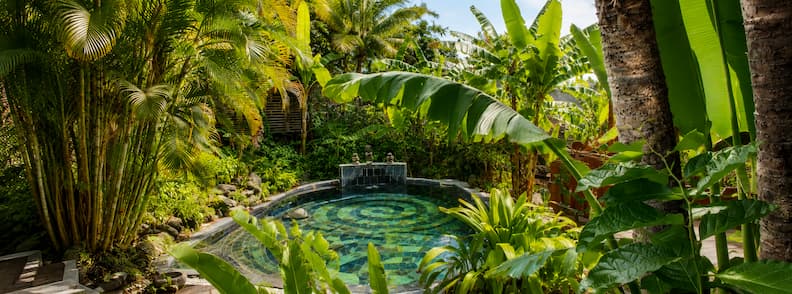
The Highlands (Cirques and Mountains), For Hikers and Nature Lovers
The interior of La Réunion is its heart. The cirques of Cilaos, Salazie, and Mafate, plus the high plateau of La Plaine des Cafres, make up the highlands. These are the island’s most dramatic landscapes, with jagged ridges, deep valleys, and trails that lead nowhere but up.
The weather is cooler. The towns are smaller. And the scenery feels ancient. This is where you come for sunrise hikes, thermal springs, and a sense that you’ve stepped into another country.
Cilaos has hot springs and access to the Piton des Neiges trail. Salazie is greener, with colonial homes and waterfalls. Mafate has no roads and can only be reached on foot. If you stay in Les Orangers, as I did, you’ll carry in what you need and earn every view.
La Réunion Local Tip: You’ll need a car for Cilaos or Salazie. The roads are slow, narrow, and stunning. The Cilaos road has 400 bends, and yes, they count them.
Top villages include Hell-Bourg in Salazie and the town center of Cilaos. Both are among the best villages to stay in Réunion Island for nature access and character.
Accommodation is usually gîtes or mountain lodges. Try Gîte de la Pas or La Villa Kazuera for comfort without losing the mountain feel.
La Réunion Personal Advice: Plan to spend at least one night here if you want to catch a sunrise at altitude or beat the crowds on the trail. You’ll never forget waking up in the cirques.
How Many Days in La Réunion and How Many Bases?
Planning your bases in La Réunion is how you access beaches, hikes, and volcano viewpoints without spending hours in traffic or changing climate zones mid-day. The island may look small on a map, but moving between regions can be slow, especially if you’re driving mountain roads. The best place to stay in Réunion for 5 days will not be the same as for a two-week trip. Whether you’re stopping for a few days or staying longer, this section breaks down exactly how many nights you should spend where.
3-4 Days in La Réunion
If you’re here on a stopover or short break, don’t try to do everything. Focus on one base with a quick inland day trip. Where to stay in La Réunion for 3 days stopover? The smartest choice is the West Coast. It gives you access to lagoon beaches, tour pickups, and enough infrastructure to keep things easy.
Base yourself around Saint-Gilles, L’Hermitage, or Saint-Leu. Spend your days on the coast and set aside one day to drive up to Maïdo or into the Cirque de Salazie for a taste of the island’s interior. You’ll see a lot without needing to repack or change hotels.
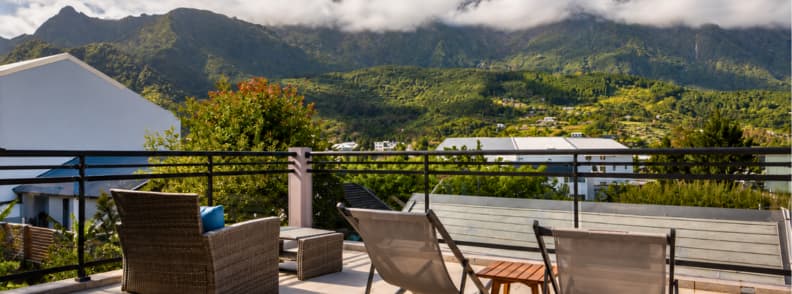
7-10 Days in La Réunion
A week or more gives you the space to split your stay across two or three regions. Most travelers choose one coastal base and one mountain base. A third night near the volcano or deep in the East adds depth if you like hiking or exploring rural areas.
Start with 3 to 4 nights on the West Coast for beaches and sunsets. Then spend 2 or 3 nights in Cilaos or Salazie for hiking. If you’re fit and want an early morning start for Piton de la Fournaise, add a night in Plaine des Cafres.
This rhythm lets you adapt to the island’s pace. You see the contrast between regions without rushing. You also avoid backtracking on long winding roads.
Stay in One Place vs Move Around. Pros and Cons
You might wonder whether to stay in one place or move around Réunion. Some guides suggest picking a central hotel and doing day trips. Others recommend switching regions every few days. Both approaches work, but only if matched to your style and length of stay.
If you stay on the West Coast the entire time, you’ll have comfort and easy logistics. But you’ll spend a lot of time in the car if you want to hike or visit the volcano. Is it better to stay on West Coast or move around Réunion? The answer depends on what you came for.
For longer trips, is it better to stay in one hotel or several in Réunion Island? Usually not. Changing bases lets you wake up close to the things you want to do. Driving inland every morning from the coast gets tiring. And the mood shift between regions is part of the experience.
If you only have three or four nights, stay put. If you have a week or more, move with the terrain. That’s how you make the most of the island without chasing it.
West Coast Lagoon. Saint-Gilles-les-Bains & Surroundings
If you’re looking for convenience, walkability, and year-round sun, where to stay in Saint-Gilles-les-Bains is an easy question to answer. This is the island’s main tourist hub and your best bet for a classic coastal stay. It’s built for visitors without feeling soulless, and it gives you fast access to the island’s safest swimming beaches, whale watching tours, restaurants, and a range of accommodation from basic gîtes to five-star resorts.
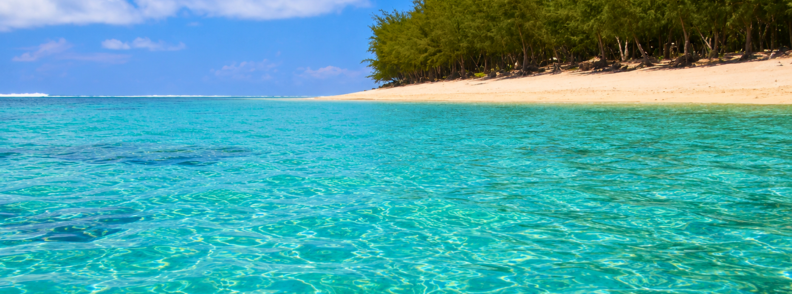
Why Stay in Saint-Gilles? Beaches, Lagoon, Whale Watching, Services
Saint-Gilles sits right behind the largest stretch of protected lagoon on the island. This reef barrier makes it one of the only places where swimming is safe year-round. That alone is reason enough to stay here. The water is clear, calm, and good for kids.
It’s also the best area where to stay in Réunion Island for whale watching, especially from June to September. Tours leave from the marina, often twice daily in season. Divers will also find strong operators here. If you’re planning where to stay in Réunion Island for scuba diving, Saint-Gilles is your launch point.
What makes this area work for first-timers is the infrastructure. Pharmacies, bakeries, a lively fish market, and restaurants that stay open past 8 PM. You don’t need to speak French fluently to get by here. Most locals working in tourism speak basic English and the town is used to visitors.
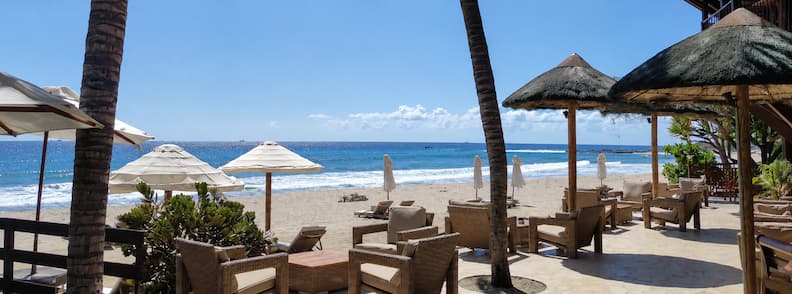
Best Areas Within Saint-Gilles (Center, Brisants, Hermitage)
Saint-Gilles spreads out along the coast, but a few sub-zones stand out depending on your travel style. If you want easy nightlife and a central location, stay close to Plage des Brisants. It’s near the marina, restaurants, and where most tours leave from.
If your priority is lagoon access, look slightly south. L’Hermitage has wide beaches, shallow water, and a more laid-back pace. This is arguably the best place to stay in La Réunion for snorkeling, with coral gardens right offshore. It’s also a top choice where to stay in La Réunion near lagoon for calm mornings and shaded picnic areas.
Looking for a quiet middle ground? Try La Saline-les-Bains. It borders the lagoon but avoids the busier Brisants strip. Families and couples tend to settle here.
If you’re searching for a hotel near lagoon Réunion Island, focus your booking on places that sit between L’Hermitage and La Saline. This stretch has the best balance of access and calm.
Ideal for Families, Beach Lovers, and No Car Stays (Bus Access)
The West Coast is your safest bet where to stay in La Réunion with kids and beach access. The lagoon means zero wave risk and warm, shallow water. Playgrounds are scattered along the beachfront and many hotels cater to families with pools, on-site dining, and shaded gardens.
If you’re traveling without a car, Saint-Gilles makes sense. The Car Jaune bus line passes through town frequently. Supermarkets, pharmacies, and even post offices are within walking distance. Many day tours also include hotel pickups in this zone, which removes the need to drive into the cirques or volcano yourself.
Beach lovers will be happy here for the full stay. From sunrise yoga on the sand to late afternoon swims, everything is within reach by foot.
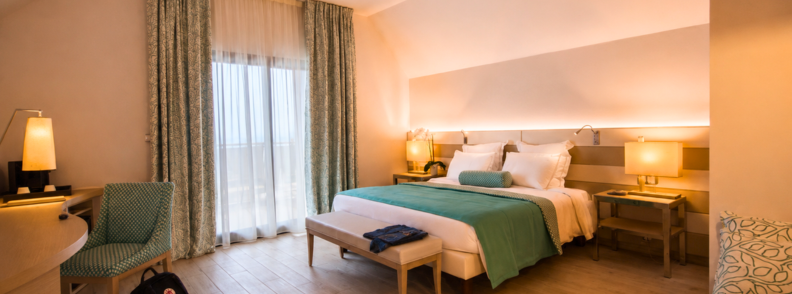
Book Accommodation in Saint-Gilles-les-Bains
There’s no shortage of rooms in Saint-Gilles, but quality and pricing vary. If you want a strong hotel experience, Akoya Hotel & Spa in La Saline offers panoramic lagoon views, upscale rooms, and a proper spa setup. It’s not on the cheapest end, but it delivers value.
Relais de l’Hermitage is one of the best options for families. It sits right next to the lagoon, has shaded gardens, and often runs seasonal deals. Their half-board option is practical for longer stays.
If you’re looking for the best hotels in Saint-Gilles Réunion, also check Le Saint Alexis for adults-only luxury and Exsel Ermitage Boutik Hotel for mid-range charm.
Budget travelers have good options, too. Check Résidence l’Archipel in Saint-Gilles-les-Bains for studios with kitchenettes, or Tama Hôtel, which is quiet, clean, and close to the lagoon.
You’ll often find the best cheap hotels in Saint-Gilles Réunion just outside town, especially for stays longer than three nights. These often include access to a pool or garden and self-catering space, which makes a big difference if you’re watching your spending.
Saint-Leu and Mid West Coast. Chill Surf and Views
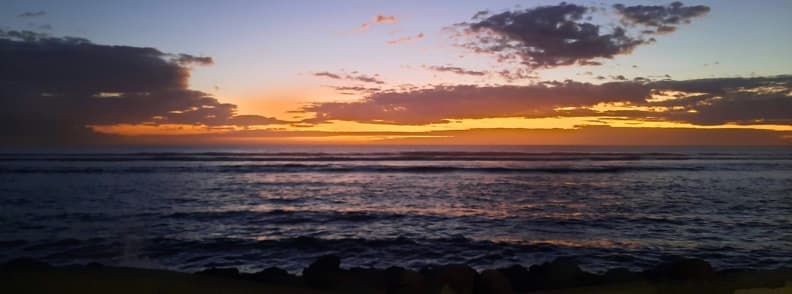
If Saint-Gilles is the island’s polished face, where to stay in Saint-Leu is for travelers who want personality without the noise. This low-rise town along the mid-west coast offers a quieter, more local vibe. The sunsets are just as good as up the coast, but the pace is slower, and the town still feels lived-in. You get surf spots, Creole cafés, and sea views without the big hotels or crowds. It’s ideal for visitors who want a real base, not a resort bubble.
Saint-Gilles vs Saint-Leu Which Is Better for You?
Travelers often ask Saint-Gilles vs Saint-Leu, and the answer depends on what kind of trip you want. Is it better to stay in Saint-Gilles or Saint-Leu? If you want more amenities, walkable restaurants, marina tours, and structured nightlife, choose Saint-Gilles. It’s built for that.
But if you want to sleep somewhere that feels like a home and not a hub, Saint-Leu is better. You’ll trade the convenience of walking to tour boats for quiet mornings and a front-row seat to reef breaks. For first-timers, Saint-Gilles vs Saint-Leu for first timers depends on how much independence you’re comfortable with. Saint-Leu requires a car and a bit of French, but rewards you with space and charm.
Saint-Gilles vs Saint-Leu for families? Saint-Gilles wins if you want lagoon access and kids’ clubs. Saint-Leu works better for families with older kids or teens who want to surf or explore.
Saint-Gilles vs Saint-Leu for nightlife is simple. Saint-Gilles has it. Saint-Leu does not. Here, you end your day with an ocean breeze and an early dinner, not a cocktail bar.
Who Saint-Leu Is Best For. Surfers, Slower Vibe, Sea Views
Saint-Leu is perfect for people who value calm over convenience. It’s popular with surfers, expats, and nature lovers who don’t want to be on the tourist trail. The town sits along a crescent-shaped bay where waves break on a coral reef. It’s not for swimming, but it’s ideal for long walks and even longer coffees.
The Kelonia turtle observatory is one of the few tourist stops in town and is worth a visit. It doubles as a marine biology center and a good place to understand the lagoon ecosystem.
This is also a good pick if you plan to work remotely. Plenty of long-stay expats and digital nomads base themselves here for weeks. It’s quieter, friendlier, and cheaper than Saint-Gilles, and it gives you the room to build a routine.
Book Accommodation in Saint-Leu
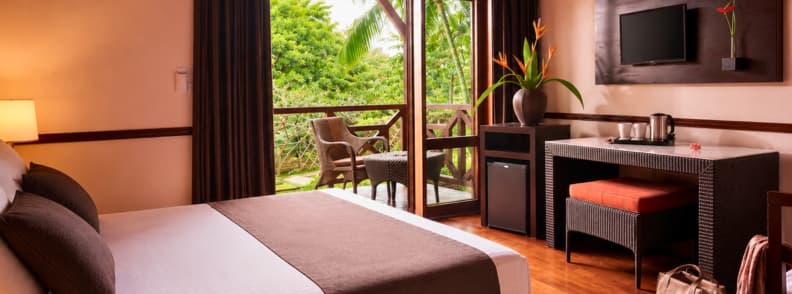
There’s no mega resort in town, which is part of the appeal. Instead, you’ll find chambres d’hôtes, boutique guesthouses, and small hotels tucked into hillsides and gardens. Most places come with a view.
Iloha Seaview Hotel is a local favorite. It’s well-run, has multiple room types, and gives you a pool, restaurant, and proper sea views without the flash of a chain resort.
For high-end stays, Blue Margouillat is a Relais & Châteaux property that feels more like a private retreat than a hotel. Gourmet food, polished service, and one of the best sunset terraces on the island. It’s ideal for couples or anyone planning a quiet luxury escape.
Another good option is Le Lodge Palmae, a stylish adults-only eco-lodge with a private jacuzzi, a pool, and strong reviews for breakfast and service.
Mid-range options include Cases Couleurs, a small hotel with self-catering units and a pool, and Résidence Santa Apolonia, a beachfront accommodation with great views. For longer stays, check gîtes and Airbnb listings around the town center and heights.
Saint-Leu hotels don’t flood search results like Saint-Gilles, but what exists is better curated. Book early in high season. Many of the best spots have fewer than ten rooms and fill up fast.
Saint-Pierre, The Southern Gateway
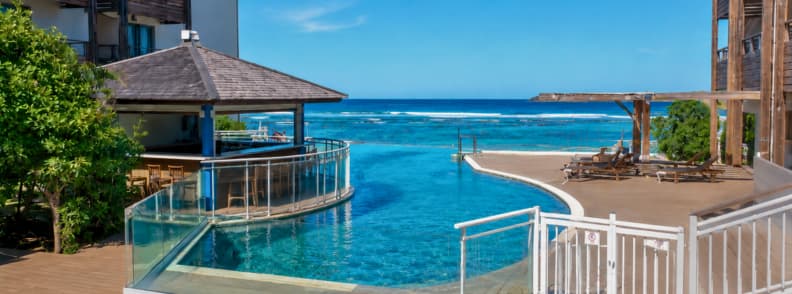
If you want to balance nature access with a walkable town, Saint-Pierre becomes a smart and flexible choice. This is Réunion’s second-largest city and the anchor of the south. It gives you direct routes to the volcano, black sand beaches, and local markets without the busyness of the capital. It’s a solid year-round base with more Creole personality than the West Coast’s tourist towns. Whether you’re here for a weekend or using it as part of a longer itinerary, Saint-Pierre works.
Why Use Saint-Pierre as a Base (Access to Wild South, Day Trips, Local Food)
Is Saint-Pierre a good base to stay in Réunion? Yes, especially if you want a mix of culture and access to raw nature. From here, you can reach the Wild South around Saint-Philippe or drive inland to Piton de la Fournaise without needing to rush. The volcano is about 90 minutes away via Plaine des Cafres, making Saint-Pierre the last coastal stop with city comforts before the ascent.
The local food scene is one of the best on the island. If you’re asking me where to stay in Réunion Island for local food, this is the place to go! The covered market, weekend waterfront food trucks, and central fish market offer everything from bouchons to fresh samoussas. Local cafés spill out onto sidewalks, and the smell of spices, vanilla, and grilled fish is constant. It feels lived-in, not curated.
You can also plan day trips to Grand Anse, Manapany-les-Bains, or Langevin Waterfall, all within 30 to 45 minutes.
Best Areas to Sleep In/Around Saint-Pierre. City vs Outskirts
Inside the city, the seafront and old town make the best base. You’ll be close to the beach promenade, restaurants, and the central market. This is the best spot for travelers who want to walk everywhere.
If you prefer quieter nights or more space, look just outside the city toward Terre Sainte or up the hill into La Ravine des Cabris. These areas offer villas and gîtes with more privacy and often better views.
Terre Sainte is still coastal but has a more village-like feel. It’s a local fishing neighborhood where you’ll see pétanque games and fishermen mending nets. It’s ideal for a more grounded experience.
Saint-Pierre Where to Stay: La Ravine des Cabris is better for families or longer stays. You’ll find larger properties, more Airbnbs, and a residential vibe. Still close enough to town, but quieter and more spacious.
Book Accommodation in Saint-Pierre
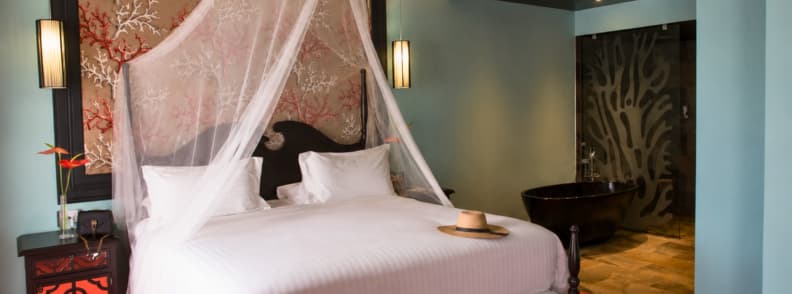
There’s a broad mix of places to stay in town, and many are run by locals. If you’re searching for the best hotels in Saint-Pierre Réunion Island, start with Villa Delisle Hôtel & Spa. It sits right next to the beach promenade and the casino, offers a pool, and has one of the better in-house restaurants in town.
For couples or families who want a private, self-contained stay near the south coast, Villa Ambralini in Saint-Pierre is a solid choice. It’s a modern two-bedroom villa with a private pool, tropical garden, full kitchen, and outdoor dining area. It’s great for longer stays or travelers who prefer to cook.
Other solid picks include Hôtel Le Saint-Pierre, a reliable mid-range option in the town center, and Le Battant des Lames, seafront property with modern rooms, a rooftop pool, an on-site restaurant, and easy access to the beach and local restaurants.
Hotels Saint-Pierre Réunion Island range from basic to boutique. Many offer self-catering options, especially in the gîte and villa categories. Book early if you’re traveling during French school holidays or planning to attend local festivals. The south may be quieter than the west, but the best stays still go quickly.
Saint-Joseph and the Wild South. Off-the-Beaten-Path Luxury
The further south you drive, the fewer tourists you’ll see. That’s exactly why Saint-Joseph has become one of the most interesting places to stay for travelers who want space, nature, and a sense of privacy. This is the greenest edge of the island, where waterfalls crash through forests, lava cliffs meet the sea, and boutique villas blend into the landscape. If you’re not here to chase bars or markets and you care more about peace than proximity, this part of La Réunion delivers. It’s remote without being disconnected. And it offers a kind of off-the-beaten-path luxury that’s hard to find elsewhere.
Most visitors skip Saint-Joseph or only pass through on a road trip. That’s a mistake. Stay a night or two, and the rewards are big. You’ll be close to Langevin Waterfall, Grand Galet, Cap Jaune, and the lava coast around Saint-Philippe. Trails are uncrowded and the sea views are some of the best on the island. Just don’t expect nightlife or big resorts. This is where you go to reset.
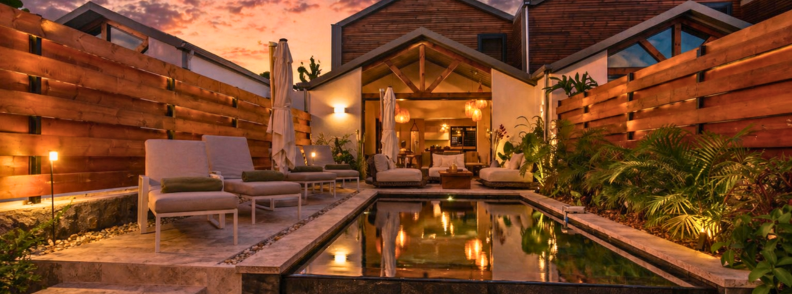
Book Accommodation in Saint-Joseph
Saint-Joseph is known for high-quality villas and nature-focused lodging. If you want comfort and quiet, you’ll find it here. Most properties are independent and owner-managed, which means more personality but fewer last-minute deals. Book early.
Villa Kintana is one of the standouts in the region. This four-bedroom villa is designed for relaxation, with a private pool, spa facilities, and views over the south coast. It works well for small groups or couples looking for space. Interiors are clean and modern, but the real value is the outdoor setting and wellness area. Guests consistently rate it among the top stays in the south.
For something more immersive, try Bubble Dome Village. Located near Saint-Joseph in a quiet part of the forest, these transparent domes let you sleep under the stars without sacrificing comfort. Each dome is furnished like a boutique hotel room, with a private terrace and access to shared kitchen and bathroom facilities. It’s ideal for couples or solo travelers who want something different but still secure.
For travelers who want a comfortable base in the Wild South without going full luxury, Les Bungalows les Vanilliers is a great fit. This small lodge sits above the coastline with panoramic ocean views, a quiet tropical garden, and a pool overlooking the cliffs. Rooms are simple but well-kept, each with a terrace and kitchenette. It’s ideal for couples or nature-focused travelers who want privacy and quick access to sights like Cap Méchant or Langevin waterfall.
Saint-Joseph is a region for travelers who want to be close to nature but not roughing it. If you’ve already done the beach resorts or city stays, this is where you go next.
Cirque of Cilaos, a Mountain Town for Hikers
If you’re looking for dramatic peaks, alpine air, and early access to the island’s highest trailheads, Cilaos where to stay should be at the top of your list. This small mountain town sits inside one of La Réunion’s three natural cirques, formed by ancient volcanic collapse. It is the most accessible cirque by road and serves as the main base for hikers attempting Piton des Neiges, the highest point in the Indian Ocean. Whether you’re here for serious trekking, canyoning, or just a quiet spa weekend surrounded by cliffs, hotels in Cilaos Réunion cover a surprising range of styles.
Why Stay in Cilaos? Drives, Trails, Canyoning, Spa Town
The road to Cilaos is a journey in itself. It includes over 400 curves and narrow stretches cut into the mountainside. While that sounds intimidating, the views make it worth it. Once in town, you’re surrounded by peaks, trails, and quiet.
Cilaos is known for its thermal waters and historical bathhouses. That makes it one of the few places in La Réunion where you can hike all morning and book a massage in the afternoon. Local wine, lentils, and embroidery traditions also give the town a character that goes beyond nature.
How many nights to stay in Cilaos for hiking? To is the minimum. It gives you a chance to settle in, acclimate, and get an early start on the trails. If you want to squeeze in both a long hike and a canyoning experience, plan for three.
Cilaos is also one of the top places where to stay in La Réunion for canyoning and rafting. Operators based in town run trips into nearby ravines and waterfalls, with options for both beginners and experienced climbers.
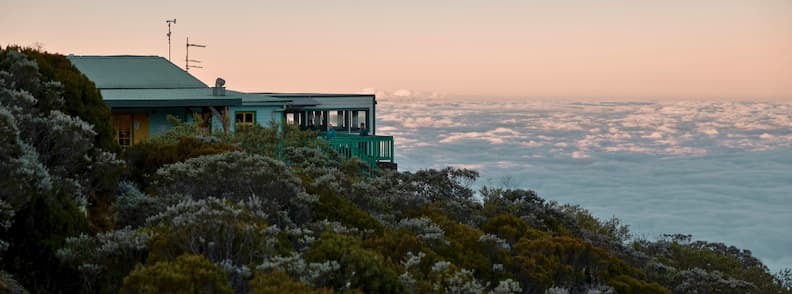
Best Place to Stay for Piton des Neiges
Cilaos is the go-to base for a summit attempt of Piton des Neiges. The trail starts just outside of town and climbs over 1,700 meters. Most hikers split it over two days, staying overnight at the Refuge de la Caverne Dufour, the only official mountain hut on the route.
If you’re not staying in the hut, you’ll need to be on the trail by 1 am to catch sunrise from the top. That makes it essential to stay close to the trailhead the night before. Several guesthouses cater to hikers, offering early breakfasts and gear storage.
Piton des Neiges accommodation doesn’t mean just the mountain hut.
If you’re hiking Piton des Neiges and want comfort before or after the summit, Aux Portes du Piton des Neiges is the best gîte in Cilaos for hiking Piton des Neiges if you’re balancing rest and trail access. It’s less than 10 minutes from the start of the hiking path, yet far enough from the town center to stay quiet at night. Rooms are simple but well-maintained, and the hosts are used to hikers needing early breakfasts and late arrivals. It’s a solid choice if you want real beds and a hot shower before or after climbing the highest point in the Indian Ocean.
Where to stay in La Réunion for Piton des Neiges hike? Cilaos is your only real option unless you camp or trek in from Salazie or Hell-Bourg, which adds significant time and elevation.
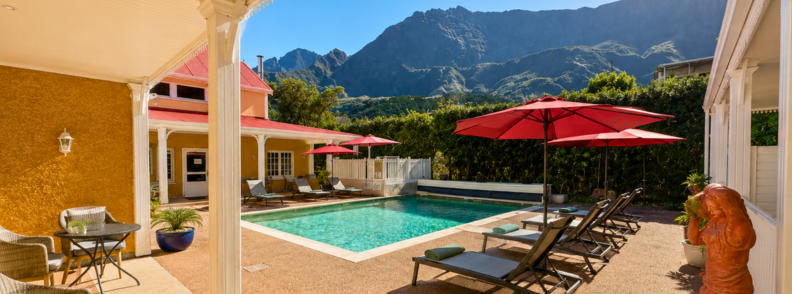
Book Accommodation in Cilaos
Lodging in Cilaos is rustic but charming. You won’t find luxury resorts here, but you will find solid comfort and warm hospitality. The town is filled with Reunion Island gîtes, many family-run and focused on hiking travelers.
Hôtel Le Cilaos is the best-known property in town. It offers traditional Creole architecture, a pool, and easy access to shops and restaurants. Rooms face the mountains, and it is centrally located without feeling crowded. As an extra perk, dinner’s included!
For smaller stays, La Villa Kazuera blends boutique comfort with hiker practicality. It has a clean, minimalist style, a hot tub for post-trek recovery, and great proximity to the trail network. It’s especially suited for couples or solo hikers who want peace and quiet.
For those focused on budget and access, several Reunion Island best gîtes for hiking are located near the start of the Piton trail. Look for listings like Gîte Ti Case Lontan or Les Liannes for simple stays that serve early breakfasts and cater to walkers.
Cilaos works best if you book in advance. Space is limited, and many accommodations close duringthe low season or fill up during school holidays. If you want mountain views, early trail access, and a town that feels both remote and welcoming, Cilaos is the answer.
Cirque of Salazie and Hell-Bourg. Greenery and Colonial History
For travelers who want waterfalls, gardens, and village charm, Salazie offers a completely different experience from the beach towns or the high-altitude cirques. This is the greenest corner of La Réunion. Located in the island’s east, Salazie is accessible by car yet still feels tucked away in its own world. Rainfall here fuels endless waterfalls, banana groves, and mist-covered trails. The architecture tells its own story, especially in Hell-Bourg, often listed among France’s most beautiful villages. While there are fewer hotels in Salazie Réunion compared to Cilaos or Saint-Gilles, what you find is authentic and quiet.
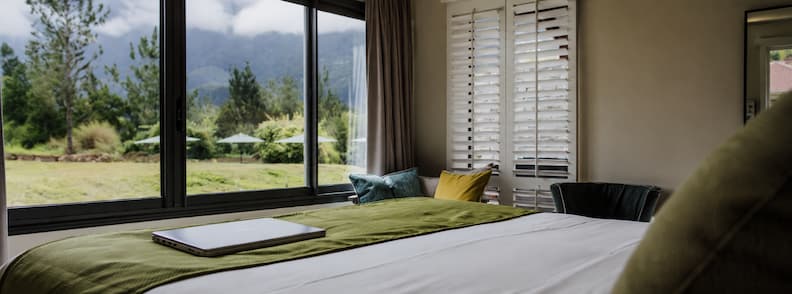
Staying in Hell-Bourg for Charm and Waterfalls
Hell-Bourg is the postcard version of inland Réunion. Its Creole villas, brightly painted shutters, and tree-lined paths set it apart from the rest of the island. The village sits at 930 meters above sea level, which means cooler temperatures year-round and misty mornings that feel more like a mountain retreat than a tropical island.
Walks around town reveal hidden waterfalls, including the well-known Voile de la Mariée, and trails that start just minutes from your door. Hell-Bourg is also known for its historical spa complex, now abandoned, which gives the area a faded grandeur that adds to the mood.
Salazie Where to Stay: Hell-Bourg is a great spot for photography, easy forest walks, and soaking up a slower rhythm of life. Stay at least one night to feel the shift. Two, if you want to enjoy a full day of walking without rushing back to the car.
Best for Lush Scenery, Shorter Hikes, Slower Pace
Unlike Cilaos or Mafate, Salazie is not about high-altitude treks or challenging climbs. It is best known for shorter hikes, botanical variety, and cool forest paths that remain accessible even when cloud cover rolls in.
If you are asking how many nights to stay in Salazie for hiking, two is enough. That gives you one full day for trails like Cap Anglais or the Bélouve Forest, plus time to explore Hell-Bourg itself. These trails do not require technical skills, which makes Salazie perfect for casual hikers, families, or travelers who want beauty without exhaustion.
This is also a great stop if you’re staying on the East Coast. The access road from Saint-André is one of the most scenic drives on the island. It includes river crossings, roadside waterfalls, and plenty of places to stop for fresh fruit.
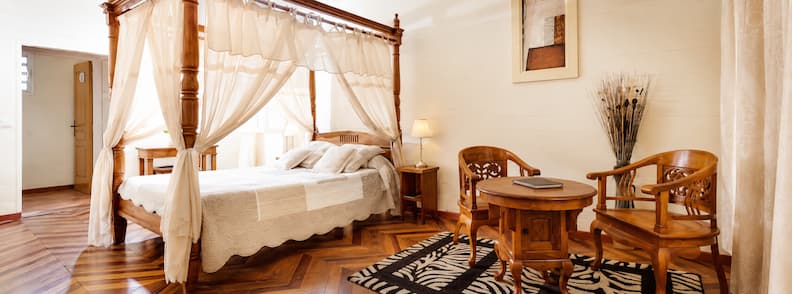
Book Accommodation in Hell-Bourg/Salazie
Most accommodation in Salazie is small-scale. Think gîtes, guesthouses, or simple B&Bs with breakfast included. The style is rustic but welcoming. It suits the landscape.
Sarana Hôtel & Spa is one of the few high-comfort options in the area. It blends modern design with mountain aesthetics and has a strong focus on wellness. A good choice if you want spa access and proper heating in cooler months.
For something more casual, Lacaze Salazie apartments offer fully equipped units ideal for couples or small groups. They are close to the village center and give you privacy and flexibility.
You can also find gîtes like Le Relais des Gouverneurs, a charming option inside a traditional Creole house, or Le Refuge d’Héva, with cabins nestled in tropical gardens. These are best booked in advance, especially during weekends and school holidays.
Salazie is not a nightlife destination. But for quiet walks, fresh mountain air, and a base that still feels truly local, Hell-Bourg in Salazie is hard to beat.
Mafate. Off-Grid Villages Only on Foot
If you want full immersion in La Réunion’s natural core, Mafate becomes one of the most rewarding challenges of the island. Mafate is a cirque formed by a collapsed volcano, surrounded by jagged peaks and entirely inaccessible by road. The only way in is by foot or helicopter. Once you arrive, the reward is complete silence, pure mountain air, and a string of hamlets that feel frozen in time. Mafate accommodation means simple gîtes, basic comforts, and stargazing nights. It’s not for everyone, but if you’re ready to walk in and walk out, it’s unforgettable.
How Staying in Mafate Works.Gîtes, No Road Access, Logistics)
You do not drive to Mafate. You hike in, usually from Col des Bœufs, Dos d’Âne, or Maïdo. The trail network is well-marked, and distances between hamlets are manageable for most moderately fit hikers. The easiest approach for first-timers is via Col des Bœufs to La Nouvelle, which takes about two to three hours and offers steady terrain.
Accommodation is rustic but reliable. Most options are gîtes, which are mountain lodges offering shared dorms or small private rooms. They provide dinner and breakfast, usually served family-style. Booking ahead is essential, especially on weekends and holidays.
There are no shops, ATMs, or supermarkets inside Mafate. You carry in what you need, including snacks, cash, and water. Electricity is solar-powered in many places, and hot water is not always guaranteed. This is part of the appeal.
Which Hamlets to Sleep in for First Timers
For your first visit, La Nouvelle is the best base. It is the largest hamlet in Mafate, has the most gîtes, and offers multiple trail connections to other villages. It is also the flattest and easiest to reach.
If you want a quieter experience, consider Marla. It sits deeper in the cirque and feels more remote. The trails here are steeper but the setting is exceptional, with surrounding peaks and a colder climate.
Les Orangers, where I stayed, is small and serene. It offers great views and fewer visitors, but requires a bit more effort to reach. It’s ideal if you want a more intimate experience and do not mind a longer hike out.
Mafate Where to Stay: Each hamlet has its own rhythm. Most people start in La Nouvelle, spend one or two nights, and then hike to a second village before returning to the trailhead.
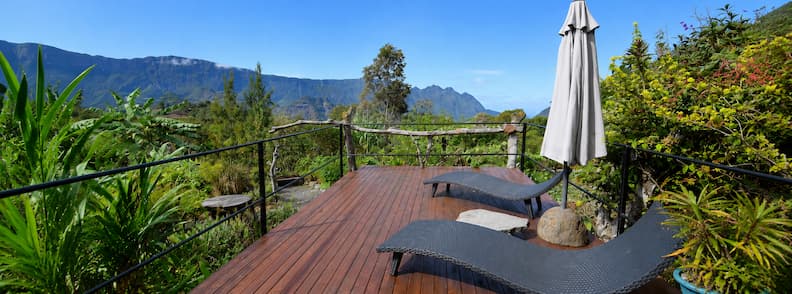
Book Accommodation in Mafate
Booking gîtes in Mafate should be done in advance. Options are limited, and some close outside of high season. Look for listings on the West Coast Tourism Office website or contact properties directly by phone or email. Some may take reservations only in French.
Pack smart. Essentials include:
- Cash (no cards accepted)
- Headlamp or flashlight
- Warm layers (it gets cold at night)
- Lightweight towel
- Snacks or energy bars
- Earplugs if you are staying in dorm-style rooms
- Trail map or GPS app with offline access
Top-rated stays include Gîte La Nouvelle Chez Alice, known for generous meals and garden views, and Gîte Marla Ti Kaz Marla, a cozy option with mountain hospitality. In Les Orangers, try Gîte Le Tapacala, a peaceful spot with attentive hosts.
Mafate is not about luxury or convenience. It is about remoteness, self-reliance, and one of the last roadless communities in the French Republic. Stay a night and you will understand why hikers return again and again.
Volcano Region. Plaine des Cafres & Piton de la Fournaise
If you’re planning to hike one of the world’s most active volcanoes, knowing where to stay in La Réunion for Piton de la Fournaise is critical. The road up to the trailhead is long, isolated, and best tackled in the dark if you want to catch sunrise over the caldera. That makes nearby lodging a must. This region includes Plaine des Cafres, a high plateau that serves as the main staging area for volcano hikes. For travelers starting from the east, this is also the La Réunion East Coast where to stay for volcano access, with the Enclos Fouqué just over an hour away.
Most visitors underestimate how cold and rural this area feels. At over 1,500 meters in elevation, Plaine des Cafres sits in a fog belt, and mornings are often near freezing. Accommodation here is mostly gîtes and rural lodges that cater to hikers. Expect mountain air, thick blankets, and no-frills hospitality.
Where to Stay for Sunrise at Piton de la Fournaise. Gîtes Near the Volcano
If your goal is to see the sunrise from the rim of Piton de la Fournaise, you will need to stay within 30 to 45 minutes of the Pas de Bellecombe trailhead. That means booking a Piton de la Fournaise gîte either in Bourg-Murat, the largest village in Plaine des Cafres, or closer to La Maison du Volcan, a popular visitor center.
The closer you sleep to the park gate, the less you need to drive in the early morning cold. Trails open before daylight, and you will need to begin by 4 a.m. to catch the sunrise from the rim. This early start is not optional if you want the full experience.
Most gîtes in the area offer early breakfasts and can help with local trail updates or weather info. Be sure to ask about road conditions, especially after heavy rain.
One Night vs Two Night Stays Around the Volcano
A one-night stay is enough if your only goal is to hike the volcano and leave. You arrive in the afternoon, sleep, hike early the next day, and then move on. This is the most common strategy.
But two nights give you flexibility in case of bad weather or trail closures. The volcano is often cloud-covered by midday, and conditions can shift overnight. Staying two nights also allows for a more relaxed experience. You can visit La Maison du Volcan, enjoy scenic drives through Route du Volcan, or combine the summit hike with a visit to the nearby Plaine des Sables.
Families or slower hikers benefit from the two-night plan. It lets you pace the hike and recover without having to rush to your next destination.
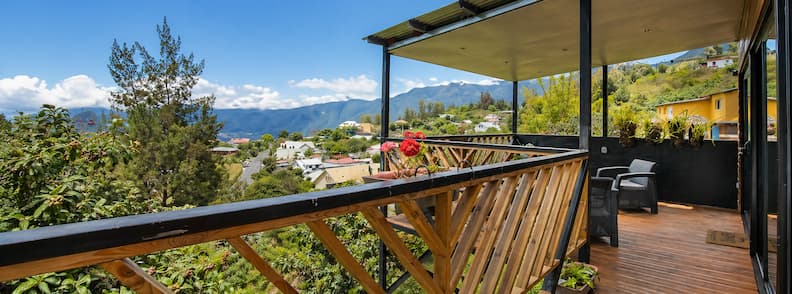
Book Accommodation by the Volcano
Accommodation here is more functional than fancy. Most gîtes and small hotels focus on warmth, proximity, and feeding hikers. That said, some offer excellent views and excellent local food.
Lodge Roche Tamarin in Bourg-Murat is a solid mid-range pick with clean rooms, heating, and hearty dinners. It caters to hikers and nature photographers who want early starts.
Gîte Le Panorama is a basic but popular choice. It sits high above the village and offers breakfast service and trail advice. Book ahead, as it fills quickly in high season.
Le Relais du Volcan is another reliable option closer to the trailhead. It has simple but warm rooms and hosts who know the area well.
A lot of volcano properties do not appear on major booking platforms. You may need to call or email in French. For a quick reference, use the tourism board listings or check with locals once on the island.
This region is about preparation. If you’re looking to conquer the volcano without stress, staying overnight nearby is essential. It also opens up a rare look at the lunar landscapes that define La Réunion’s wildest corner.
Saint-Denis and the North. Airport Stays and City Life
If you are flying in or out of Réunion, Saint-Denis becomes a practical location. As the island’s capital, Saint-Denis is often seen as a gateway. But if you give it a night or two, it reveals a rich history, local culture, and colonial architecture that you will not find in beach towns. With the international airport nearby and strong road links to the East and West, hotels Saint-Denis Réunion Island make sense for short stopovers, business travel, or last nights before island-hopping.
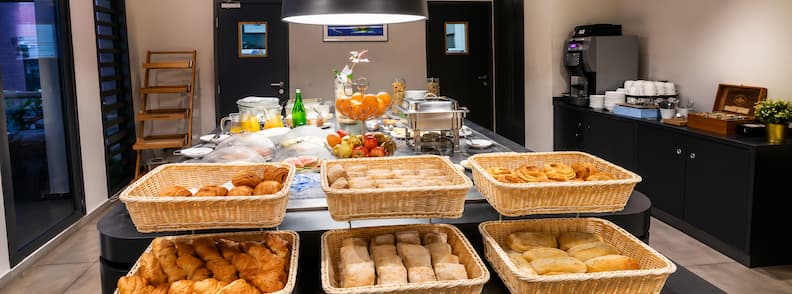
When It Makes Sense to Stay in Saint-Denis. Late Arrival, Early Flight, Work
There are a few specific situations where it absolutely makes sense to stay in the capital. If you land late or have an early departure, book something nearby to avoid stress. The best place to stay in Saint-Denis near airport is in Sainte-Clotilde, a district close to the terminal and near main roads.
If you’re continuing to Mauritius, it also helps to base yourself near the airport. Knowing where to stay in La Réunion before flight to Mauritius is key for smooth logistics. Many travelers take early morning inter-island flights, and staying 5 minutes from Roland Garros Airport saves you the pre-dawn drive from the coast.
Business travelers often need to be close to ministries, universities, or conference centers. Saint-Denis offers the island’s only proper city infrastructure. That includes hotels with desks, meeting rooms, and reliable internet.
Options for hotels near Réunion Island airport are limited but improving. The Tulip Inn Sainte-Clotilde is one of the few international-brand options and is well-suited for short stays.
Saint-Denis Where to Stay: If you want something slightly more central but still convenient, a hotel near Saint-Denis airport Réunion in Bellepierre or Barachois is a good balance between comfort and access.
Best Neighborhoods Near Airport and Center
The best area to stay in Saint-Denis Réunion depends on your priorities. If proximity to the airport is key, go with Sainte-Clotilde. It has modern housing blocks, access to the Car Jaune bus network, and a few reliable mid-range hotels.
For a more atmospheric stay, choose the city center around Rue de Paris, Le Barachois, and the old Creole houses. This area is walkable and lined with colonial buildings, bakeries, and street food vendors. It is also home to museums like Léon Dierx and galleries featuring local artists.
Bellepierre, set slightly uphill, offers city views and is often quieter at night. It is a smart option if you want a room with a view and don’t mind being slightly removed from downtown.
Hotels vs Apartments. Safety, Parking, Convenience
Travelers often wonder whether to choose Reunion Island Airbnb or hotel, especially in Saint-Denis. The answer depends on your needs. Hotels offer more structure. You get a front desk, breakfast, parking, and usually better late-night check-in options.
Apartments, especially Airbnb listings, offer more space and kitchens. That’s useful for longer stays or travelers with early flights who prefer to self-cater.
Safety in La Reunion is generally not an issue in central areas. But street parking can be tight, especially downtown. If you rent a car, make sure your hotel or apartment includes a secure parking space. Areas like Sainte-Clotilde and Bellepierre are easier in this regard than downtown.
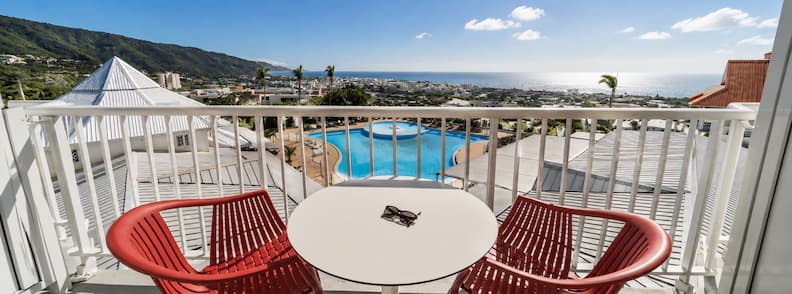
Book Accommodation in Saint-Denis
Top hotel picks include Hôtel Exsel Créolia, perched on the hillside with sweeping ocean views, a good restaurant, and quiet surroundings. It is ideal if you want a peaceful final night with amenities.
Tulip Inn Sainte-Clotilde is the go-to option for early flights or short transfers. It is modern, clean, and close to both the airport and public transport.
If you prefer boutique vibes, Le Juliette Dodu, located in a restored Creole building, gives you history and central access in one package.
Apartments like Appart’hôtel Central Saint-Denis or Airbnb listings in Barachois are also good for solo travelers or digital nomads. Just double-check for check-in flexibility and secure access, especially if arriving after 9 p.m.
Saint-Denis is not a must-stay for long vacations, but it serves a clear role. Use it to connect flights, explore the island’s cultural side, and ease into or out of your trip without the chaos of long drives.
Can You Visit La Réunion Without a Car? Where to Stay
Yes, but only if you choose your base wisely. For travelers searching where to stay in La Réunion without a car, the island’s bus network can help, but it won’t take you everywhere. Public transport exists, mainly through the Car Jaune and CARSUD bus systems, which connect most towns along the coast and some inland areas. That said, the most scenic parts of La Réunion are remote, and services often run only during the day and stop early. Where to stay in La Réunion without renting a car? That depends entirely on what kind of trip you want.
If you are not driving, base yourself somewhere with restaurants, shops, walkable beaches, and access to guided tours. That way, you’re not stranded after 6 p.m. or stuck relying on rideshares that often don’t exist outside the main hubs. Some tour operators offer hotel pickups, especially from the west coast. But if you’re planning a hiking-heavy or off-grid trip, having your own wheels changes everything.
Renting a car is still the best way to experience La Réunion. Prices range from €30 to €60 per day depending on the season and location. For comparison, many full-day guided tours cost €80 to €150 per person. Over a week, the savings and freedom add up.
Where to Stay in La Réunion Without a Car. Public Transport Overview
The best areas where to stay in La Réunion if you don’t drive are along the west coast or near the capital. These zones offer walkability and decent bus access.
- Saint-Gilles/Ermitage is ideal for beach access, restaurants, and lagoon swimming. Many day tours depart from here, and the Car Jaune T line connects it to Saint-Paul and Saint-Denis.
- Saint-Leu is walkable for short stays. Some restaurants, a supermarket, and a few bus lines connect it to Saint-Pierre or Saint-Gilles. Best for travelers who plan to relax rather than explore far.
- Saint-Denis is a functional base if you plan to do guided tours or stay just a few days. Where to stay in La Réunion with good public transport often includes the capital because of its central bus station and links to the airport.
- Saint-Pierre town center is walkable and there are CARSUD buses to the volcano route and some south coast towns. Still, don’t expect late-night service or fast inland connections.
Reunion Island public transport where to stay is ultimately about convenience, not adventure. If you don’t plan to hike remote trails or chase waterfalls, these areas will serve you well.
How to Combine Buses, Transfers, and Guided Tours
If you avoid driving, your main tools will be public buses and organized excursions. The Car Jaune bus network covers major coastal routes. Buses are cheap, usually €2 per ride, and reliable during the day. The downside is infrequent service and early stops in the evening.
For inland spots like Cilaos or Salazie, there are minibuses or taxis from nearby towns. These often require local coordination and are slower than driving yourself.
Many tour companies offer hotel pickups from Saint-Gilles or Saint-Denis. You can book volcano tours, helicopter rides, or guided hikes that include all transport. If you plan three or four full-day tours and use the rest of your time to relax by the beach, you won’t miss much.
Airport transfers are easiest if you book a hotel that offers shuttle service or stay near the main terminals. Carpooling services exist but are not always reliable or frequent.
Example 7 Day No Car Itinerary in La Reunion with Suggested Bases
This plan gives you variety without needing to drive.
- Day 1-3 Base in Saint-Gilles-les-Bains. Enjoy the beach, snorkel in the lagoon, and take a whale watching tour or day trip to Maïdo viewpoint with a tour operator.
- Day 4-5 Move to Hell-Bourg in Salazie. Take a bus to Saint-André, then a taxi or local shuttle into the cirque. Enjoy short hikes and the waterfall scenery.
- Day 6-7 Finish in Saint-Denis for culture and airport proximity. Visit local markets, museums, and rest before your flight.
With careful planning and a bit of flexibility, this itinerary gives you a strong sense of La Réunion without needing a car. It is not for fast-paced travelers, but it works for slow travel or those who prefer guided experiences.
Want a trip that works without a rental car? Book a personalized La Réunion itinerary here with mapped-out bus-friendly bases, walkable hotel picks, and day-by-day routes that don’t leave you stranded. No car, no stress. Just clear connections, verified stays, and smart pacing.
Where to Stay in La Réunion for Hiking
If your trip is built around trails, knowing where to stay in La Réunion for hiking is as important as knowing which routes to walk. The island is made for hikers, with over 1,000 kilometers of marked trails that cut through volcano ridges, cirques, forests, and high plateaus. Whether you’re chasing multi-day hikes into Mafate or looking for trail running access near the coast, choosing the right base will save hours of driving and make early starts easier. You’ll find that the Reunion Island best area for hiking is rarely just one place. Most serious trekkers split their stay between two or three spots to cover different terrain without backtracking.
Best Combinations of Coastal + Mountain Bases for Hikers
The smartest way to plan a hiking-focused trip is to pair a coastal base with one or two mountain bases. This lets you rest between climbs and explore the full range of trails without rushing.
Start on the West Coast if you want to mix beach recovery with short hikes like the Maïdo viewpoint. Saint-Gilles or Saint-Leu work well for this. From there, shift inland to Cilaos for full access to alpine routes and Piton des Neiges.
After that, spend at least one night in Salazie for easier forest hikes and access to the lush east. If you’re experienced and self-sufficient, finish with one or two nights inside Mafate, where trails link hamlets and the only way out is on foot.
This combination lets you hit high peaks, jungle trails, and panoramic ridgelines in one trip without backtracking. It is also flexible based on how much time you have and how remote you want to go.
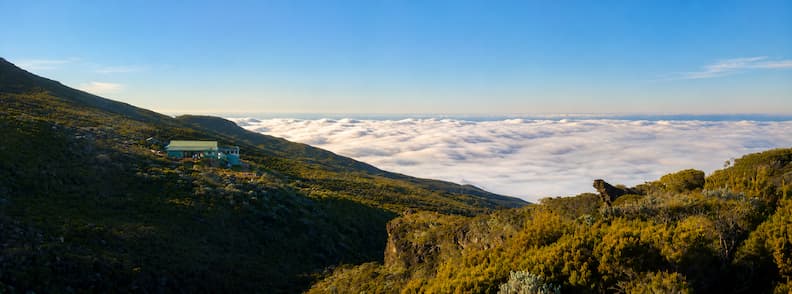
5 Day Hiking in La Reunion Base Plan. Cilaos, Mafate, Salazie
For a five-day plan centered on trekking, you can fit in three major regions without rushing.
- Day 1-2 Cilaos. Base yourself in town and hike to Bras Rouge canyon or up toward Piton des Neiges. If you are attempting the summit, sleep one night at Refuge de la Caverne Dufour.
- Day 3-4 Mafate. Hike into La Nouvelle from Col des Bœufs and sleep in a gîte. On Day 4, cross to Marla or Les Orangers and spend another night. This is the most immersive way to experience the cirque.
- Day 5 Salazie. Exit Mafate through Col des Bœufs, then drive or transfer to Hell-Bourg. Stay in town and do a final short hike to the Bélouve Forest or waterfall viewpoints.
This plan gives you high trails, remote villages, and a lush finish without needing to rush every morning. You get a clean cross-section of the island’s hiking zones while sleeping near the trailheads each night.
Planning a hiking trip across Cilaos, Mafate, and Salazie? Book a personalized base-to-base hiking itinerary with gîte suggestions, route timing, and gear tips. Built for serious walkers who want freedom without guesswork.
How to Book Gîtes, Huts, and Refuges
If you plan on doing multi-day hikes or want to stay inside Mafate, you will need to book gîtes or refuges. These are mountain lodges or rural guesthouses that offer dinner, breakfast, and a basic bed.
Book the Refuge de la Caverne Dufour for the Piton des Neiges hike. This is the only sanctioned overnight shelter on that trail and it fills up fast.
For other gîtes inside Mafate, you can contact hosts directly, or use Booking.com for a handful of listings. Most do not speak fluent English, so writing in French helps. Always confirm whether meals are included and whether you need to bring your own sheets or towels.
Gîtes in Cilaos and Salazie are easier to book through general travel platforms. Prices range from €20 to €70 per night, depending on amenities and meal options.
Trail runners often prefer staying in guesthouses close to early trailheads rather than huts. For fast access, choose lodges near Le Maïdo, Col des Bœufs, or Bourg-Murat if training near the volcano.
Knowing where to stay in La Réunion for Cirque de Mafate hikes or where to stay in La Réunion for trail running makes all the difference in timing and recovery. Booking early gives you first pick and removes uncertainty from your trip.
Best Areas for Families, Couples, and Solo Travelers
La Réunion suits all types of travelers, but some areas make more sense depending on who you are and how you move. Whether you’re with small kids, on a honeymoon, or traveling solo with a laptop, the island has places tailored to your pace. From boutique stays with sea views to lagoon beaches and safe guesthouses, choosing the right region helps shape your trip. The coast offers convenience, while the mountains bring quiet and immersion. Let’s break down the best spots for different travel styles.
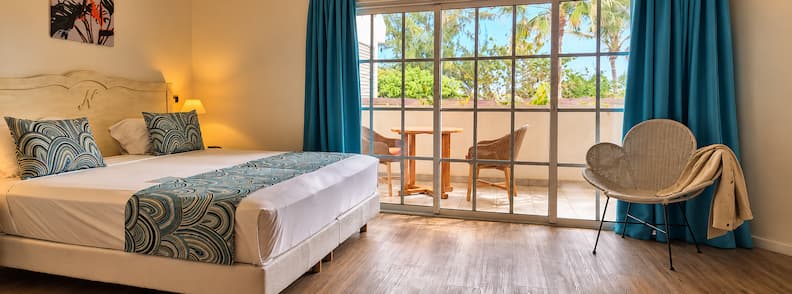
Families with Kids. Shallow Lagoon Beaches, Supermarkets, Playgrounds
For a stress-free family trip, the safest place to stay in Réunion Island with family is the West Coast, especially L’Hermitage or La Saline-les-Bains. These areas offer calm lagoon waters, reef-protected beaches, and minimal wave risk. Kids can play safely and parents can relax without constant worry.
You will also find supermarkets, pharmacies, playgrounds, and family-friendly restaurants within walking distance. The whole setup makes it easy to manage meals, naps, and outings.
When comparing La Réunion West Coast vs South Coast for families, the west is better for swimming and infrastructure. The south has charm but more rugged beaches and fewer safe swimming spots.
Top Réunion Island family friendly hotels include Relais de l’Hermitage, which sits right on the beach and offers family rooms, and Hotel Le Nautile, a quieter option with a small pool and direct lagoon access.
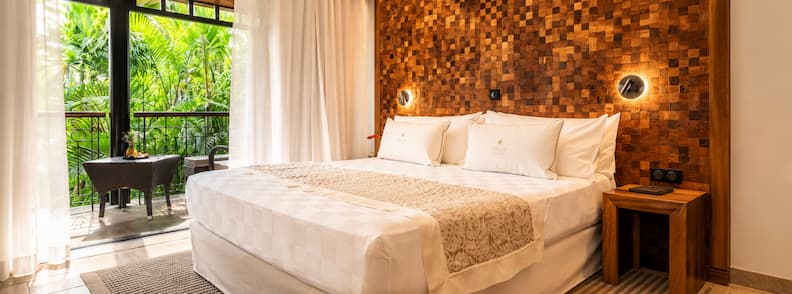
Honeymoon and Couples. Sea Views, Boutique Hotels, Spa Retreats
If you’re planning a romantic escape, knowing the best Reunion Island honeymoon accommodation makes all the difference. Couples tend to prefer privacy, great food, and ocean views. You will find that in Saint-Leu, La Saline, or tucked into the southern hills near Petite Île.
For couples asking where to stay in La Réunion for honeymoon luxury, the best options include Blue Margouillat Seaview Hotel, a boutique hotel in Saint-Leu with gourmet dining and sea-facing terraces, and Palm Hotel & Spa near Grand Anse, which blends tropical gardens with ocean views.
The best romantic hotels to stay in Réunion Island are often independent and small. Lodge Roche Tamarin, with its wooden cabins and spa facilities, is another good pick if you want something tucked into nature.
Reunion Island Honeymoon Where to Stay: The best boutique hotels to stay in Réunion Island give you thoughtful design, personalized service, and quiet settings. These are ideal if you want to skip big resorts and focus on connection, not crowds.
Solo Travelers and Backpackers. Hostels, Shared Gîtes, Safety Tips
For independent travelers or digital nomads, La Réunion is a safe and easy place to explore. Solo visitors will feel welcome almost anywhere, but Saint-Leu, Cilaos, and Saint-Pierre stand out.
Saint-Leu is laid back and has a low-key community feel. It is the best area to stay in La Réunion for digital nomads thanks to strong Wi-Fi in most guesthouses and enough cafés to rotate between.
Where to stay in La Réunion if you work remotely? Look for gîtes with shared kitchens and longer stay discounts. Many accommodations in the west and south offer week rates or host remote workers off-season.
Budget travelers can use gîtes in Cilaos, Salazie, or even Mafate for shared dorms and meals. In Saint-Pierre, small hotels and studio apartments offer solo-friendly pricing and are close to nightlife, markets, and transport.
For safety, the whole island is low-risk. Walks at night are fine in most places, especially on the west coast. Just avoid isolated beaches after dark and follow local advice when swimming.
Whether you’re solo with a surfboard, a couple on your first big trip, or a parent juggling beach toys and boulangeries, La Réunion has a corner that fits.
Budget vs Luxury. What You Get in Each Price Bracket
La Réunion has a wide price range, but value is consistent if you know where to look. Whether you’re wondering where to stay in Réunion Island on a budget or planning to splurge on luxury, what you get varies by region. Budget-friendly gîtes in the mountains often include dinner and breakfast. Beach resorts offer location and comfort, but rarely go all-inclusive. Eco-lodges in the south and east provide a balance of privacy, nature, and sustainability. Knowing what to expect at each level helps you plan smarter and spend better.
Typical Nightly Budgets by Region and Type. Gîte vs Hotel vs Resort
In general, inland regions like Cilaos, Salazie, and Plaine des Cafres offer the most affordable rates. A basic Reunion Island guesthouse or gîte with breakfast costs around €40 to €60 per night. Most include shared meals and communal atmosphere.
On the coast, especially the West, prices rise. A mid-range hotel in Saint-Gilles or Saint-Leu will range from €90 to €150 per night. For that, you get air conditioning, private bathrooms, and often beach access or pools.
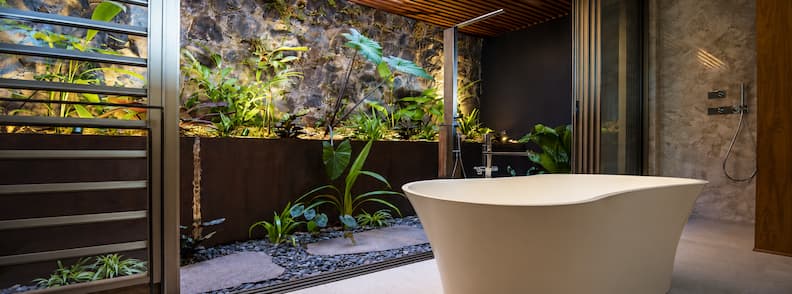
Top-end luxury hotels Réunion Island, like LUX Saint Gilles Resort, Palm Hotel & Spa, or Blue Margouillat Seaview Hotel start around €250 and can exceed €500 per night during peak season. They focus on comfort, setting, and food, but not all are beachfront.
Cheap accommodation Réunion Island is easiest to find inland, or in off-season months like May or early October. Cheap hotels in Réunion Island can also be found in Saint-Pierre and Saint-Denis, especially those geared toward domestic tourism.
When to Splurge and When to Save. Coast vs Mountains
Save money inland. Mountain towns offer excellent gîtes with character, often for half the price of coastal hotels. In places like Cilaos, Salazie, or Hell-Bourg, paying extra often buys you similar comfort but not a major upgrade.
Splurge on the coast if ocean views, pools, or on-site dining matter to you. Honeymooners or short-stay travelers should look at Palm Hotel & Spa for luxury in the south or Blue Margouillat Seaview Hotel in Saint-Leu for boutique service.
Reunion Island all inclusive hotels are rare. Most upscale hotels operate on a European plan. A few, like Palm Hotel & Spa, offer half-board packages. Fully all-inclusive options are limited and not a strength of the island.
Avoid spending big in Saint-Denis, unless you want comfort before a flight. City hotels often cost more for less charm.
How to Mix Gîtes and Hotels Across Your Itinerary
Mixing accommodation types across your trip gives the best experience and saves money. Start with a gîte in a mountain village for hiking days. Then shift to a beach hotel on the west coast to rest and recover.
Use Reunion Island best eco lodges to stay for your time in the Wild South or near the volcano. These offer space, sustainability, and a slower pace.
For a 10-day trip, you could easily balance:
- 2 nights in a budget guesthouse in Cilaos
- 1 night in a gîte in Mafate
- 3 nights in a mid-range hotel in Saint-Leu
- 2 nights in an eco-lodge in Saint-Philippe
- 1 night near the airport in Saint-Denis
La Réunion Budget Accommodation Tip: Booking early and staying midweek can drop prices by 10-20%. Mixing styles keeps your budget balanced and gives you more insight into how people actually live across the island.
Example 7 and 10 Day Itineraries with Bases in La Réunion
Planning the right mix of bases shapes your experience more than you think. With steep roads, shifting weather, and remote attractions, the right sleep spots let you cover more with less effort. If you are asking about a Réunion Island itinerary where to stay, this section breaks it down by interest and pace. These tested itineraries balance rest, activity, and scenery, with realistic drive times and lodging that fits the setting.
7 Day Classic La Réunion Itinerary with Exact Bases and Nights
Where to stay in Réunion for 1 week depends on how much you want to move. This plan keeps things balanced without daily checkouts. It mixes volcano views, a cirque hike, and beach time.
Réunion Island itinerary 7 days where to stay each night:
- Night 1-2 in Saint-Gilles-les-Bains. Settle in on the west coast. Visit beaches, snorkel in the lagoon, or take a day trip to Maïdo.
- Night 3-4 in Cilaos. Drive the switchbacks and base in the mountains. Hike to Bras Rouge canyon or attempt a short section of the Piton trail.
- Night 5-6 at Plaine des Cafres. Rest up at altitude for an early morning at Piton de la Fournaise. Visit the lunar plains and stay near Bourg-Murat.
- Night 7 in Saint-Pierre or Saint-Leu. End the trip with sunset on the beach and a final Creole dinner before heading north for your flight.
This route works year-round and avoids doubling back. Each region adds a different feel, and you sleep close to your main activity each day.
10 Day Hiker’s Itinerary in La Réunion with More Nights in Cirques
If your trip is all about trekking, this Réunion Island itinerary 10 days where to sleep gives you full access to mountain trails and cirque lodges. Plan to hike every day and pack accordingly.
- Night 1 in Saint-Denis. Land and rest. Short walk around town, adjust to time zone.
- Night 2-3 in Salazie / Hell-Bourg. Easy hikes and waterfalls, then prep for Mafate.
- Night 4-5 in Mafate (La Nouvelle, then Marla). Sleep in gîtes, carry cash and snacks.
- Night 6-7 in Cilaos. Recover and enjoy thermal baths. Hike short loops or attempt Piton des Neiges.
- Night 8 at Refuge de la Caverne Dufour if summiting. If not, stay another night in Cilaos.
- Night 9-10 in Saint-Leu. Wrap with sea air, beach walks, and Creole food.
This plan keeps you mostly in high terrain. You will walk a lot, but the views are unmatched. Book gîtes early and plan gear around long days and mountain weather.
10 Day Beach + Adventure La Réunion Itinerary. More Time on West Coast
This version blends easy coastal days with highlights inland. You avoid the hardest hikes but still see volcanoes and waterfalls. Perfect for couples or families.
- Night 1-3 in Saint-Leu. Chill start with snorkeling, market visits, and whale watching (July to October).
- Night 4-5 in Salazie / Hell-Bourg. Drive east for forest walks and village charm.
- Night 6-7 at Plaine des Cafres. Get above the clouds. Visit Piton de la Fournaise and the lunar plains.
- Night 8-10 in Saint-Gilles. Finish with calm lagoon water, shopping, and maybe a catamaran ride.
This Réunion Island itinerary 10 days where to sleep gives you rhythm without rush. You sleep close to each region’s best feature, which means less time in the car and more time outside.
All three itineraries work as-is or can be flipped depending on arrival airport or weather patterns. The real key is letting each base serve its purpose, whether it is for hiking, resting, or just having breakfast with a view.
Want your trip planned around your exact pace, interests, and comfort level?
Book your personalized La Réunion itinerary here and get a step-by-step route with handpicked stays, driving times, hikes, and hidden stops only locals know. No fluff, no guesswork.
Practical Booking Tips & Local Etiquette
Before you start booking places to stay in La Réunion, knowing how the island works can save you time and hassle. Most accommodations are locally owned. Online booking platforms help, but many of the best gîtes still rely on email or phone, often in French. This section breaks down types of stays, seasonal timing, and what to expect in terms of etiquette. Whether you’re planning months ahead or grabbing a last-minute night inland, these tips will keep your plans running smooth.
Accommodation Types in La Réunion. Hotels, Guesthouses, Airbnbs
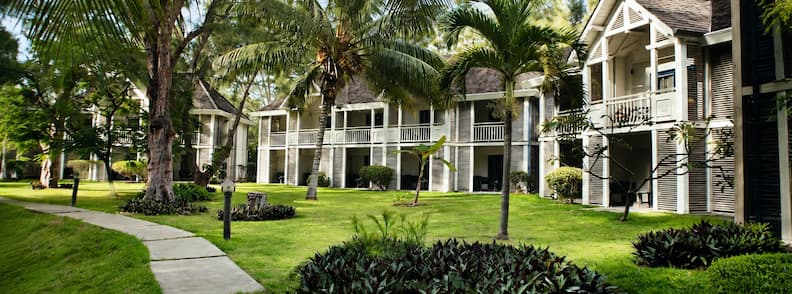
On the coast, especially around Saint-Gilles and Saint-Leu, you’ll find full-scale hotels and resorts, ranging from 2-star properties to high-end places like LUX Saint Gilles Resort. These usually include pools, beachfront access, and in-house restaurants. Prices start around €120 per night and climb past €300 for top rooms in peak season.
Inland, the focus shifts to chambres d’hôtes and gîtes. These are small, often family-run B&Bs that offer simple rooms, homemade dinners, and the chance to speak with locals. They are common in Cilaos, Salazie, and Plaine des Cafres. A basic room with dinner and breakfast runs around €50 to €70 per person.
Gîtes de montagne are even more rustic, catering to hikers. They provide bunk-style beds, early meals, and shared bathrooms. Found mostly in Mafate and near Piton des Neiges, they must be booked in advance, especially during school holidays.
If you want more space, privacy, or a kitchen, Airbnbs and vacation rentals are easy to find on the coast. These work well for families or longer stays. Prices vary widely but start around €60 per night for a small apartment or studio.
When to Book your stay in Reunion. Busy vs Low Season, Whale Season
July to October is high season for hiking and whale watching. Where to stay in La Réunion in July for whale season? Your best bet is Saint-Leu or L’Hermitage, where operators run daily tours and guesthouses book out weeks ahead.
December to March brings the rainy season. Where to stay in La Réunion in December rainy season? I recommend you choose the west coast. It gets less rainfall and still offers beach access, while the east and cirques often get heavy storms.
In general, book at least two months in advance for high season or if your trip includes weekends in mountain areas. Gîtes and eco-lodges have limited rooms and can fill up even in shoulder season.
Avoid last-minute bookings in Mafate, Hell-Bourg, or around the volcano unless you are flexible or can speak French fluently for phone reservations.
Booking Platforms vs Direct Contact. Email, French Language Benefits
Most west coast hotels are listed on Booking.com, and many villas use Airbnb. These platforms work well for travelers who prefer English or want flexible cancellation.
However, many gîtes and chambres d’hôtes do not appear on international sites. For those, you need to email or call. Writing in French increases your chances of getting a reply. Use a simple format and confirm prices, meals, and payment type.
A few mountain lodges only accept cash on arrival and do not issue confirmation emails. In those cases, note down the phone number and address carefully, especially if you will be offline while hiking.
La Réunion Budget Stay Tip: Some properties offer small discounts for direct booking. Always ask politely if a direct rate is available. Expect slower replies, especially on weekends or holidays.
What to Expect from Gîtes. Shared Meals, Dorms, Payment, Quiet Hours
Gîtes offer a unique part of Réunion’s hiking culture. Most provide table d’hôtes, a shared dinner around a communal table. These meals often include local dishes like carri, lentils, and fresh fruit.
Dorm-style rooms are common, especially in Mafate or at the Piton des Neiges refuge. Bring earplugs, a headlamp, and layers for cold nights. Bedding is usually provided, but some ask you to bring a sleep sheet.
Payment is typically in cash, especially inland. Cards are rarely accepted. Always confirm this when booking.
Quiet hours begin early. Lights out is usually by 9 pm and breakfast starts around 6 am. Respecting these rhythms is expected and helps everyone rest before early hikes.
Safety and Etiquette
La Réunion is safe for travelers, but nature demands respect. Swim only in marked lagoon areas. Do not enter the open ocean where there are no shark nets or lifeguards. Ask locals before venturing off main trails or swimming spots.
If hiking, check weather and trail conditions daily. Landslides and flash floods can occur year-round. Carry water, snacks, and wear proper shoes.
During cyclone season from January to March, always monitor forecasts and follow local advisories. Road closures and trail blockages happen fast.
French is spoken everywhere. A few key phrases in French will go a long way:
- Bonjour (Hello)
- Merci beaucoup (Thank you very much)
- Avez-vous une chambre? (Do you have a room?)
- Combien ça coûte? (How much does it cost?)
Kindness and patience make the biggest difference. Most hosts will meet you halfway if you show interest and courtesy. Wherever you’re staying, you’re sharing space with people who live and care for this island every day.
Navigating the Island Like a Local
Getting around La Réunion is part of the adventure. Whether you’re behind the wheel or relying on buses, the island’s steep roads and patchy transport mean a little local know-how goes a long way. Some areas are only reachable by foot. Others demand confident mountain driving. And while the bus network connects most major towns, service can be sparse. Understanding how locals move helps you plan realistically and avoid stress.
Driving Logistics. Tips for the 400 Bends and the Car Jaune Network
Driving in La Réunion gives you the most freedom. Roads are paved and generally in good condition, but they often wind sharply, especially inland. The famous Cilaos road includes more than 400 curves in less than 40 kilometers. It is fully drivable in a compact car, but you must stay alert. Allow extra time, especially if you’re prone to motion sickness or driving in the rain.
Roundabouts are frequent and well-marked. Speed limits are enforced with radar, and fines are mailed directly to your rental agency. Always carry your license and rental documents in the vehicle.
If you prefer not to drive, the Car Jaune bus network connects coastal towns with reliable but infrequent service. Buses are modern, clean, and cheap, averaging €2 per trip. They do not reach most inland villages or hiking trailheads. Routes are marked with letters. For example, the T line links Saint-Denis and Saint-Gilles.
Schedules are posted online, but in-person timing can vary. Always check return times. Some buses stop by 6 pm and few run on Sundays or holidays. For more remote areas like Salazie or La Plaine des Cafres, a mix of buses and local shuttles may work but can take time.
If you need flexibility without a car, plan your itinerary around west coast hubs, book guided tours with pickup options, or ask accommodations about local transport contacts. The island is small, but movement takes time. Locals plan everything around weather, elevation, and traffic. You should too.
La Réunion FAQs and Travel Tips for Choosing Accommodation
Planning a stay on La Réunion involves picking the right village, but also understanding the island’s weather patterns, road system, and how accommodation works here. Whether you’re coming for a week of hiking, a family trip by the beach, or a stopover en route to Mauritius, these answers cover what travelers and expats usually ask. From visa rules to the safest areas and where to stay in high or rainy season, this section helps you decide confidently.
Is Réunion Island a Good Place to Visit?
Yes, especially if you enjoy nature, local culture, and exploring without crowds. La Réunion blends dramatic volcanic terrain with Creole heritage, French infrastructure, and Indian Ocean scenery. It is ideal for travelers who want a mix of hikes, swimming, scenic drives, and cultural stops. Unlike Mauritius or the Seychelles, it is not a pure beach destination, but what it lacks in all-inclusives, it makes up for in diversity and authenticity. Whether you’re an outdoor traveler, foodie, or photographer, the island rewards curiosity.
When Is the Best Time to Visit (and Does It Affect Where to Stay)?
The dry season from May to October is the best time for hiking and road trips. Trails in Cilaos, Mafate, and Salazie stay open, rivers are lower, and views are clear. If you’re planning a multi-base trip, this season allows more flexibility inland.
The wet season from January to March brings heavy rainfall and potential cyclone warnings. Some hikes close, and parts of the island become harder to reach. During this time, the west coast and south coast see the least rain. If you’re deciding where to stay in La Réunion in December rainy season, base in Saint-Leu or Saint-Pierre, where accommodation stays open and the weather stays bearable.
If you’re visiting from July to October for the whales, book early. Where to stay in La Réunion in July for whale season? Your best bet is Saint-Leu, especially near Kélonia or Pointe au Sel, close to shore-based sightings and tour launches.
What Is the Best Time for Hiking in La Réunion?
May to October is ideal. The trails are drier, waterfalls are flowing but manageable, and mornings are cooler for early starts. May is especially nice because guavas are in season and the crowds haven’t peaked. August is the most popular, with clearer skies and more hikers on the trails. If you’re climbing Piton des Neiges or doing circuits through Mafate, aim for this window.
Do I Need a Visa for La Réunion?
La Réunion is part of France. EU citizens can enter with a valid ID card. Canadians, Americans, and most travelers from visa-exempt countries can enter for up to 90 days with a passport valid at least 3 months beyond your stay. If you’re planning to continue to Mauritius, check their entry requirements separately, but usually, no visa is needed for short stays either.
How Long Is the Flight to La Réunion?
From Paris, direct flights take around 11 hours. Eastern European travelers often connect via Paris or Mauritius. There are no direct long-haul flights from North America, so plan for at least one connection in Europe or the Middle East.
How Many Days Do You Need in Réunion Island?
For a basic coast-mountain-volcano loop, 7 to 10 days works well. If you’re only doing the west coast or a couple of hikes, 5 days is manageable. For more remote areas like Mafate or if you’re including a rest day between hikes, plan 10 to 14 days. Staying in multiple bases helps reduce backtracking and lets you see more without constant driving.
What Is the Best Area to Stay in Réunion Island?
If it’s your first time and you want an easy base with beaches, shops, and tour pickups, go with L’Hermitage or Saint-Leu. They’re on the west coast, near the calm lagoons, and make logistics simple.
If hiking is the focus, base in the cirques. Cilaos gives you access to Piton des Neiges and hot springs. Salazie is greener and quieter, with easy walks around Hell-Bourg. Mafate is for serious trekkers only, with no roads, just footpaths.
If you’re chasing local food and markets, Saint-Pierre is your best bet. It’s a proper town with a mix of street food, cafés, and late-night snacks. Hell-Bourg is better for slow mornings and mountain charm.
If beach time is non-negotiable and you want everything in walking distance, book Saint-Gilles-les-Bain. That’s where the full tourism setup lives, with hotels, snorkeling, sunset bars, and supermarkets.
Each area shapes your trip differently. Choose what matches your pace.
Is It Better to Stay on the West or East Coast of Réunion?
The west coast is sunnier, drier, and has swimmable lagoons. The east coast is greener, more authentic, and often rainier. For most travelers, the west is more convenient. The east is better for second-time visitors or those wanting lush nature and quiet. If you’re torn, split your stay.
Is It Worth Staying in Saint-Denis?
Only for a night before or after your flight. The city offers good museums like Léon Dierx, colonial architecture, and street markets. But it has no beach and heavy traffic. Stay in Sainte-Clotilde if you need airport proximity. Try Hôtel Exsel Créolia or Tulip Inn Sainte-Clotilde for well-rated options.
Which Side of La Réunion Is Best for Beaches?
If you’re deciding between La Réunion west coast vs south coast for beaches, go west. L’Ermitage and La Saline-les-Bains have coral lagoons, shallow safe water, and family-friendly sands. The south coast has beautiful beaches like Grande Anse, but waves are stronger and swimming is risky without supervision.
Where to Stay in Réunion Island for Beaches?
For a beach-focused trip, base yourself on the west coast, where coral reefs create natural swimming lagoons. The top areas are L’Hermitage-les-Bains, La Saline-les-Bains, and Saint-Gilles-les-Bains. All three are connected by short drives or bus rides, so you can explore them from a single base.
L’Hermitage is ideal if you’re traveling with kids or want a quieter setting. It sits directly on the lagoon and has shade from the filao trees, safe swimming, and several hotels right on the beach. Book Relais de l’Hermitage for easy access to the sand and a reliable family-friendly setup.
La Saline is more residential, with a few small hotels and plenty of villas or apartments. It’s less crowded and often cheaper than L’Hermitage. It works well if you want to self-cater and stay longer. Look at Hotel Le Nautile or check Airbnb for beachfront studios with kitchenettes.
Saint-Gilles-les-Bains is the most built-up. There’s no real beach in the center, but you’ll find shops, bars, restaurants, and nightlife. From here, it’s a short walk or drive to Plage des Roches Noires or Brisants. It’s a better choice if you want convenience and don’t mind being slightly off the lagoon.
Where to stay in Réunion Island for beaches? This west coast triangle is your best move. All three options give you snorkeling, paddleboarding, and access to marine tours.
Where Is the Best Beach for Swimming?
The best swimming beaches on Réunion are Plage de l’Ermitage and Plage de La Saline-les-Bains. These are the only large stretches of lagoon-protected water on the island, meaning you can swim without waves or strong currents. They’re also inside the coral reef barrier, which keeps out sharks and creates calm, clear water even during windy months.
Plage de l’Ermitage is the most popular with locals on weekends. During the week, it’s quiet and calm, with shallow waters perfect for kids or relaxed laps. You’ll find a few cafés nearby and beach access paths between the trees. Parking can be tricky on Sundays, but there are bike rentals in the area and direct access from some hotels.
Plage de La Saline is quieter, with fewer restaurants and more space to spread out. It’s slightly narrower but just as safe. Locals come here to snorkel along the reef. Early mornings are the best time, with less wind, no crowds, and a better chance of spotting turtles.
If you’re not sure where to base, choose somewhere within walking distance of either. Beachfront stays are more expensive, but apartments a few streets back are often 30-40% cheaper and still close enough for daily swims.
Is Saint-Gilles a Good Base in Réunion?
Yes, Saint-Gilles-les-Bains is one of the most convenient and popular bases for first-time visitors, especially if beach access, dining options, and tour logistics matter to you. It’s not the most beautiful or authentic town on the island, but it’s practical and well set up.
You’ll find the largest cluster of mid-range and upscale hotels, supermarkets, tour offices, and pharmacies. If you’re booking whale watching, scuba diving, or canyoning, most operators depart from here or offer hotel pickups in the area. This saves time and lets you avoid long morning drives.
Saint-Gilles is also close to Maïdo, one of the best sunrise viewpoints on the island. You can drive there in under an hour, which makes early departures easier. At night, the marina area has restaurants, bars, and music venues. It’s not wild, but it’s one of the few spots with a social scene after dark.
For accommodation, you’ve got everything from boutique stays like Le Saint Alexis Hotel & Spa to larger resorts like Akoya Hotel & Spa. There are also self-catering apartments if you prefer more space and cooking facilities. It’s a solid base for a 3 to 5 night stay, especially if you want to balance relaxation with day trips inland.
Is Saint-Leu Better Than Saint-Gilles?
Saint-Leu is quieter, more local, and better for surfing or boutique stays. Saint-Gilles is livelier with more dining and lagoon access. Saint-Gilles vs Saint-Leu for first timers comes down to amenities vs charm. If you want easy logistics, pick Saint-Gilles. For slower mornings and local markets, Saint-Leu wins.
Where to Stay in Réunion Island for Hiking?
If hiking is your focus, Cilaos is the best all-around base. You’re directly on the trails leading to Piton des Neiges, the highest point in the Indian Ocean, and have dozens of options for day hikes ranging from gentle walks to steep canyon routes. The drive in is legendary, with 400 bends along a narrow mountain road, but once you’re there, the scenery and fresh air are worth it. You’ll find everything from mountain lodges like Hôtel Le Cilaos to smaller gîtes like La Villa Kazuera, which cater to hikers and include early breakfasts and gear-friendly rooms.
Hell-Bourg, in the Cirque de Salazie, is perfect for travelers who want lush forest scenery and a slower pace. The village is listed among the “most beautiful in France,” and you’ll have access to trails that wind through bamboo groves, waterfalls, and old lava fields. It’s better for moderate walks than technical hikes, but it’s one of the most photogenic places on the island.
Accommodations like Sarana Hôtel & Spa or Lacaze Salazie apartments make a great base for 2-3 nights, especially if you’re also interested in Creole architecture and gardens.
If you want true isolation and hiking immersion, stay inside the Cirque de Mafate. There are no roads. You hike in through passes like Col des Bœufs or Dos d’Âne, carrying your gear and booking rustic gîtes like Ti Kaz Marla or Gîte La Nouvelle Chez Alice. Spend at least one night. Trails between hamlets take 2 to 5 hours, and evenings in Mafate are quiet, star-filled, and entirely off-grid. It’s not for casual walkers, but it’s the most rewarding experience for those ready to earn their bed on foot.
How Do I Get to Cirque de Mafate?
There are only two ways into Mafate: by foot or by helicopter. Most travelers hike in via Col des Bœufs, which starts at the end of a narrow forest road near La Plaine des Tampons. This trail leads to La Nouvelle, the largest village in Mafate, in about two to three hours. The alternative is Dos d’Âne, which is steeper but offers dramatic views down into the cirque. Neither route requires technical gear, but you do need proper hiking shoes, water, snacks, and a strong sense of timing. Once you’re inside, all travel is on foot between the villages.
Helicopter access exists, but it’s mainly used for delivering supplies and for locals commuting for work or emergencies. Tourists can book seats, but it’s expensive, weather-dependent, and doesn’t offer flexibility once you’re in. If you want to hike in and fly out, plan it in advance and understand that weather delays are common.
The logistics mean that once you’re in Mafate, you’re committed. Bring cash (there are no ATMs), along with a power bank, warm clothes for cold nights, and printed booking confirmations. You won’t have signal in most areas, and there are no taxis, shops, or pharmacies once you pass the trailhead. This is what makes the experience unforgettable.
Can You Visit Mafate Without Staying Overnight?
Yes, but only if you’re fit, fast, and well-prepared. A day hike into Mafate from Col des Bœufs to La Nouvelle and back is doable for experienced walkers. The round-trip takes five to six hours without long breaks, so you’ll need to start early, ideally before 8 am, to return before dark. This is manageable if you’re based in Hell-Bourg or Salazie, where accommodations like Relais des Cimes offer early breakfasts and trail advice.
Still, it’s better to spend at least one night inside Mafate. Once the day hikers leave, the villages become quiet, the stars come out, and you experience the rhythm of remote mountain life. Meals are shared at long tables, lights go out early, and the air is crisp and clean. Booking a gîte like Chez Alice in La Nouvelle or Ti Kaz Marla gives you a full 24 hours to explore nearby trails, relax in hammocks, and really disconnect from city life.
Traveling with Kids in La Réunion Best Base?
If you’re visiting Réunion with children, the west coast is by far the most practical and safe base. L’Hermitage, La Saline, and parts of Saint-Leu offer calm lagoon beaches with no waves, clear water, and reef protection that keeps sharks out. You’ll find playgrounds near the beach, safe sidewalks, and family-run restaurants that welcome kids with high chairs and kid-sized portions. Accommodations like Hotel Le Nautile or Exsel Ermitage Boutik Hotel are built with families in mind, with pools, easy beach access, and rooms that sleep up to four.
There’s also good infrastructure nearby (supermarkets, pharmacies, and clinics in case of emergencies) and you can do short excursions to places like the Kelonia Turtle Observatory or Stella Matutina Museum without long car rides. These spots are interactive, educational, and stroller-friendly.
If your kids are older and more adventurous, consider adding 2 nights in Cilaos for waterfall hikes or thermal springs. Gîtes like La Villa Kazuera cater to families with older kids and offer flexible meal times. But for younger children or babies, sticking to the coast is smarter. The sea is safe, food is accessible, and everything moves at a pace that works with naps and early bedtimes.
Are There All-Inclusive Resorts in Réunion?
Not many. Unlike Mauritius, Réunion leans toward European plan, with room only or bed and breakfast. A few upscale resorts offer half-board. LUX Saint Gilles Resort and Palm Hotel & Spa may offer meal packages, but Réunion Island all inclusive hotels are rare.
Is It Better to Book Accommodation in La Réunion in Advance?
Yes. Book 2 to 3 months ahead for July, August, December, and January. Gîtes in Cilaos, Mafate, and Hell-Bourg fill up quickly, especially on weekends. West coast resorts also get busy during French school holidays.
Can I Drive Around the Whole Island of La Réunion?
Yes, using the coastal ring road (N1/N2). It takes 3 to 4 hours without stops. But interior roads like to Cilaos have over 400 sharp bends and need careful driving. Leave time for slow trucks and sudden rain.
Do You Need a Car in La Réunion?
If you want to explore beyond the beach, then yes, you absolutely need a car. Public transport on Réunion works for short distances between towns, but it’s not built for sightseeing. The island’s best spots, like Piton de la Fournaise, Cirque de Cilaos, or hidden waterfalls in the east, aren’t accessible by bus. Even coastal towns like Saint-Leu or Étang-Salé are tough to enjoy without wheels, especially if you’re staying somewhere more local or want flexibility with food and sunset spots.
If you’re hiring a car (which I strongly recommend) pick it up at the airport to avoid backtracking. Choose places with easy parking like Saint-Pierre, La Saline, or even inland areas like Plaine des Cafres where hotels and guesthouses usually have private spots. Driving here takes patience, especially inland, but the freedom it gives you is worth every hairpin turn.
Where to Stay in Réunion Island Without a Car?
If you’re planning to stay put and rely on tours, there are a few walkable zones that work without a rental. Saint-Gilles-les-Bains and L’Hermitage are the safest bets. You can walk to the beach, restaurants, grocery stores, and book guided excursions that include pickup. Saint-Denis also works if you’re only here for a night or two and want to use public buses or take tours in the capital. Budget options include Résidence Tropic Appart Hôtel or Tulip Inn Sainte-Clotilde.
Is La Réunion Safe for Tourists? Are There Areas to Avoid?
Yes, the island is very safe. Towns like Saint-Leu and Bras-Panon are fine to walk at night. The main risks are natural, not human. You should be more worried about volcanic activity, flash floods, cyclones, and swimming in unprotected ocean areas. Always swim in lagoons or areas with shark nets. Be alert in Saint-Denis at night, especially around the bus station.
Is La Réunion Safe at Night?
In most places, yes. You can walk around Saint-Leu, Cilaos, or Hell-Bourg after dark without worrying. These are small towns where people greet you on the street and things shut down early. Locals go out for dinner, kids ride bikes, and the vibe is relaxed.
That said, you still need to be smart. In Saint-Denis, avoid wandering quiet backstreets late at night, especially near the bus station. On the coast, don’t walk alone on remote beaches after sunset. And absolutely avoid swimming outside the lagoons in the dark. Not because of crime, but because of current and shark risk.
Keep it simple. Stay where other people are, don’t leave valuables in your car, and listen to locals when they tell you what’s safe and what’s not. Most visitors feel totally at ease once they settle into the island’s rhythm.
What Are the Safest Areas to Stay in Réunion Island?
L’Hermitage, Saint-Leu, Cilaos, and Salazie top the list. These towns are quiet, clean, and friendly. Police presence is light but consistent. Locals are helpful and used to visitors. The only concern is nature, not people.
Are There Sharks in La Réunion?
Yes, but risk is highly managed. Attacks happen offshore in areas without protection. Stick to lagoon beaches or those with nets and lifeguards. Signs will warn you where not to enter. Locals follow these strictly. Swim where they swim and you’ll be fine.
What Is a Zoreil?
Zoreil is a local Creole word for someone from Metropolitan France, often used casually. It reflects the cultural divide between islanders and mainlanders but is not usually an insult. If you’re white, French-speaking, and not from the island, someone might call you a zoreil. It’s part of the local identity conversation, not a slur.
These La Reunion FAQs give you the context most guides skip. Use them to plan smarter, stay safer, and travel more confidently across La Réunion.
Making the Most of Your Stay in La Réunion
La Réunion isn’t big, but your choice of base shapes how much you see, how fast you move, and what you remember most. Spend a few days on the west coast of La Réunion and you’ll settle into calm lagoon swims, sundowners, and easy tour pickups. Head inland and it’s a different island altogether, with misty mornings, hairpin drives, and trails that make your legs ache in the best way. There’s no single right place to stay. The trick is knowing what kind of trip you want, picking one or two smart bases, and building out from there.
If you’re coming in high season (July, August, or December), book early. Mountain gîtes fill up fast, and some of the best small guesthouses only have two or three rooms. If your dates are fixed, sort out your volcano or Mafate nights first, then build the rest around them. And don’t be afraid to split your time. A few nights in Cilaos, followed by beach time in Saint-Leu, is a classic mix that works for most people. You’ll see more, waste less time driving, and avoid the feeling of being locked into one zone.
Want to skip the guesswork?
Grab my personalized La Réunion guide on Rexby.
It includes an interactive map with recommended bases, day-by-day routes, and real-time updates whenever things change, like trail closures or new accommodations. I built it for travelers who want to move smart and make their time count.