
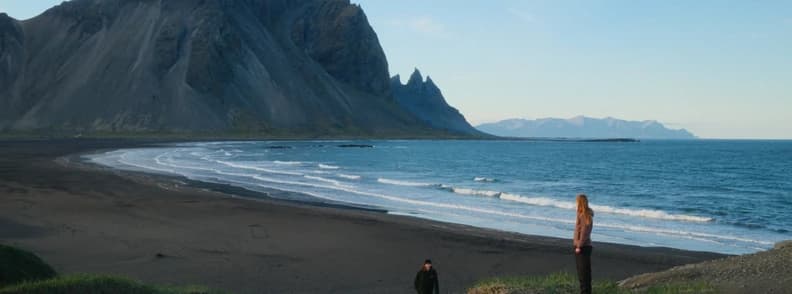
Iceland is often described as a land of contrasts, where glaciers sit right next to volcanoes, black sand beaches run beneath towering cliffs, and there’s a waterfall round practically every bend. For most travelers, the question isn’t really what to see, but how on earth to fit it all in.
So, is hiring a car in Iceland worth it? If you want to get a proper feel for the country’s natural beauty, the answer’s fairly clear.
Iceland Car Hire, Scenic Routes, and UK Driving Tips
A Country Made for Exploring
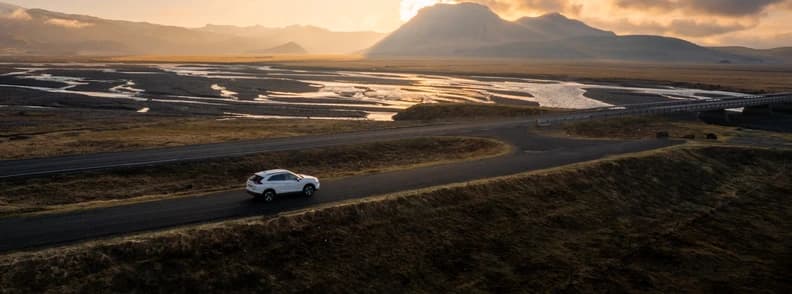
What sets Iceland apart isn’t just its famous landmarks. It’s the sheer amount of natural scenery dotted all over the place. Waterfalls aren’t confined to the signposted stops; they turn up out of nowhere by the side of the road. Moss-covered lava fields go on for kilometers and look like something from another planet. Glaciers hover in the distance, changing their look with every shift in the light and weather.
This isn’t somewhere you can really get to know from a coach window on a fixed tour schedule. It’s the kind of place where the bit in between the sights often ends up being the best part.
Stop Whenever You Fancy
Driving in Iceland gives you something no tour can: the chance to pull over whenever something catches your eye.
It might be a hidden waterfall just off the road, a quiet viewpoint with nobody else around, or a stretch of coast that feels like you’ve got it all to yourself. With your own car, you can make the most of these moments. No rushing, no timetable, just the freedom to enjoy Iceland as it unfolds in front of you.
If you’re a keen photographer, a nature lover, or simply someone who likes to go at their own pace, that sort of flexibility is hard to beat.
Off the Beaten Track
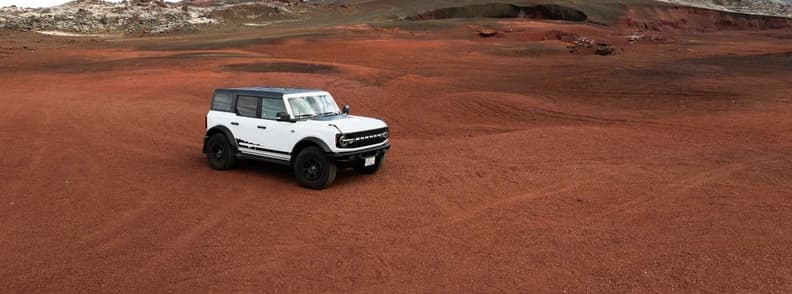
Following the Ring Road, the country’s main circular highway, reveals a remarkable variety of landscapes, from vast volcanic plains and moss-covered lava fields to rugged coastlines, towering mountains and glacial valleys… but a lot of Iceland’s most spectacular scenery lies well away from the usual tourist trail.
Head along the South Coast and you’ll find black sand beaches, glaciers and dramatic sea stacks. Seljalandsfoss and Skógafoss are two of the country’s most impressive waterfalls, while the black sands of Reynisfjara, near Vík, offer striking views of basalt columns and the Reynisdrangar sea stacks. Further east, the scenery becomes increasingly dominated by ice. At Skaftafell, hiking trails lead towards the vast Vatnajökull glacier, while the Jökulsárlón glacial lagoon is filled with floating icebergs that eventually drift out to sea. Nearby, Diamond Beach is scattered with chunks of ice washed up on its black volcanic sand.
Continue around the island and the landscapes change again. In the Eastfjords, the Ring Road winds between steep mountains and deep inlets, passing small fishing villages that feel a world away from the busier southern attractions. The region rewards a slower pace, with opportunities to explore places such as Seyðisfjörður, known for its colourful houses and creative scene, or venture inland to discover waterfalls, forested valleys and dramatic basalt formations. Wild reindeer, found nowhere else in Iceland, roam parts of the eastern countryside.
North Iceland offers a different kind of spectacle. Around Lake Mývatn, volcanic craters, steaming geothermal fields and bizarre lava formations create an almost otherworldly landscape. The nearby Dettifoss waterfall is one of Europe’s most powerful, while the horseshoe-shaped Ásbyrgi canyon offers a striking contrast with its sheltered, green surroundings.
The Snæfellsnes Peninsula squeezes much of Iceland’s varied landscape into one relatively compact corner. Its highlights include Kirkjufell, one of the country’s most recognisable mountains, the glacier-capped Snæfellsjökull volcano, rugged sea cliffs around Arnarstapi and the windswept black-pebble beach of Djúpalónssandur.
For those willing to venture further, the Westfjords offer an altogether more remote experience. Far from the main tourist circuits, this region is defined by immense fjords, steep mountain roads, isolated farms and tiny fishing communities.
Getting to these places without a car is a real struggle, if it’s possible at all. With a car hire in Iceland, the country goes from a string of separate stops to one long, unbroken landscape you can really take in.
The Ultimate Road Trip
There aren’t many countries better suited to a road trip than Iceland. The Ring Road runs all the way round the island, linking up many of its best-known natural sights, with cracking views pretty much the whole way.
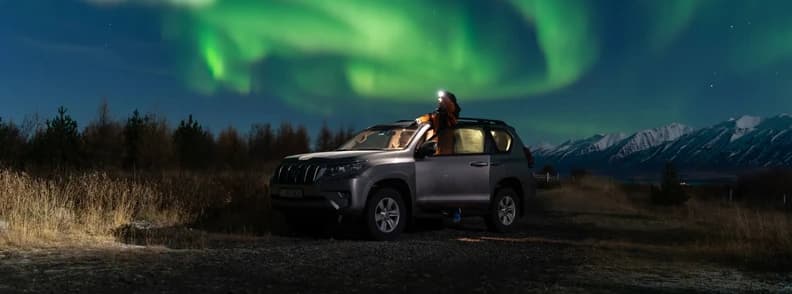
One minute you’re driving past waterfalls pouring down green cliffs; the next, you’re crossing vast black deserts left behind by volcanic eruptions. In winter, snowy landscapes and the chance of seeing the Northern Lights add another dimension altogether.
With a car, the drive itself becomes part of the holiday, not just a way of getting from A to B.
The Simplest Way to See It All
There are guided tours and public transport, of course, but both have their drawbacks. Tours stick to set routes and timetables and tend to visit the same well-known spots. Public transport is fairly limited and isn’t really set up for sightseeing.
Hiring a car, on the other hand, makes life much easier. You can plan your own route, change it around depending on the weather, and see both the big-name sights and the lesser-known spots without being tied down.
It’s not just about convenience, either. It’s about making the most of your time in a country where the weather can turn in an instant and the best moments often come out of the blue.
Getting There from the UK
One of the best things about Iceland for British travelers is how close it is. Direct flights from the UK take roughly three hours or less, so you can leave in the morning and be on the road by lunchtime. Icelandair, easyJet and Jet2 all fly there from various UK airports, including London, Edinburgh and Leeds Bradford. Routes and schedules change with the seasons, though, so it’s worth checking what’s running from your nearest airport.
Nearly all international flights land at Keflavík International Airport, around 50 km from Reykjavík. That makes picking up a car straight away the natural way to start your trip.
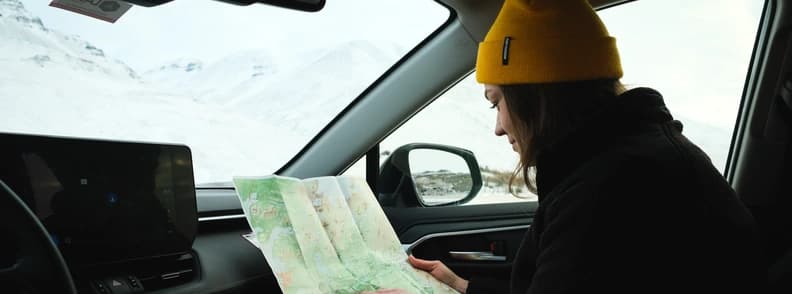
What UK Drivers Need to Know
Good news first: if you’ve got a UK driving licence, you can use it to drive in Iceland. You won’t need an International Driving Permit.
There are a few differences from driving at home to bear in mind:
- You’ll be driving on the right, so take it steady for the first few miles, especially at junctions and roundabouts.
- Speed limits are lower than in the UK, and the distances between towns are much greater. Plan fuel stops accordingly.
- The drink-drive limit is lower than in the UK, so the safest bet is not to drink at all if you’re driving.
- Headlights must be on at all times, day and night.
- Off-road driving is illegal, and the fines are hefty. Mountain roads should only be tackled in a 4×4.
- The weather can change very quickly. Check road and weather conditions before you set off each day, especially in winter.
The Travel Bunny’s advice: Iceland’s official SafeTravel guidance and Icelandic Road and Coastal Administration road information are the best places for checking driving conditions. Safety should never take second place to spontaneous sightseeing.
So, Is It Worth It?
If you want to really experience Iceland’s landscapes rather than just tick them off, hiring a car is by far the easiest and most rewarding way to go about it.
There are specialized companies that make it even more straightforward, with flexible, traveler-friendly options that mean you can explore Iceland with confidence and without any hassle.
Having your own wheels lets you go beyond the obvious, stumble across the unexpected and connect with your surroundings in a much more personal way. In a country where nature is the star of the show, being free to explore it on your own terms makes all the difference.
About the Author

Hi! I’m Mirela Letailleur, founder of The Travel Bunny. I’ve built my travel publishing work around practical European trips, realistic itineraries, and affordable ways to explore, with special attention to getting from one place to another without wasting time or money.
I’ve traveled across Europe by car, camper, train, ferry, and sailboat, so I pay attention to route choices, travel time, and flexibility. I use that planning perspective when publishing destination advice, while keeping researched guidance separate from personal experience.
Planning your Iceland road trip?
Start with my guide to the best waterfalls in Iceland to choose scenic stops along your route.
If you’re in the capital, compare the best day trips from Reykjavík to decide what to explore by car or guided tour.
And before booking everything, read these tips for visiting Iceland on a budget to keep travel expenses low.