

Publisher notice: This article contains a commercial content placement commissioned by MD Hasib of Rank Your Page (rankyourpage.com). The agreed publishing service was completed and the article was successfully indexed, but the corresponding invoice remains unpaid after its contractual due date.
The placement is therefore currently subject to an unresolved commercial payment dispute. Evidence of the commissioned service, written agreement, publication, indexing and payment correspondence has been preserved for formal recovery purposes.
This notice will remain while the outstanding payment matter is being resolved
Toronto is the kind of city where two days can feel surprisingly full without requiring you to spend half your visit traveling between attractions. Downtown landmarks, historic neighborhoods, markets, museums, restaurants, and waterfront walks are packed so closely together that a short visit can still give you a genuine idea of the city.
Toronto itinerary for couples
For couples, Toronto offers a useful balance. You can spend the morning exploring a museum, stop for lunch at one of the city’s best-known markets, walk through historic streets in the afternoon, and finish the day overlooking the skyline. The experience can feel special without turning the entire weekend into a complicated schedule.
If you are visiting Toronto for the first time, this two-day itinerary keeps everything within the city boundaries and focuses on places that are straightforward to reach by paved road, public transportation, taxi, rideshare, or on foot.
Day 1. Toronto Landmarks, Old Town, and the Distillery District
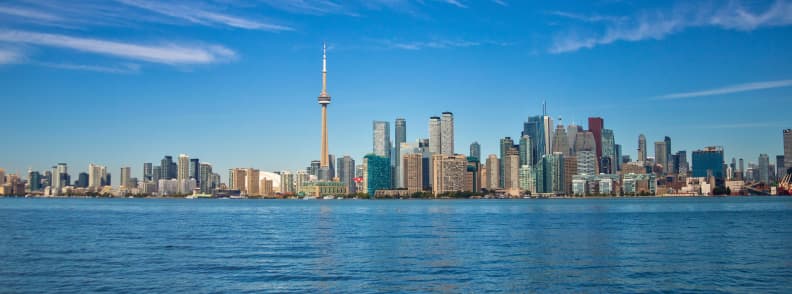
Morning: Start at the CN Tower
Few landmarks identify Toronto as instantly as the CN Tower. Standing 553 meters above the city, the tower dominates Toronto’s skyline and is one of the easiest places to begin a first visit. Its downtown location also makes it a convenient starting point because several other major attractions are nearby.
Arriving earlier in the day is a good idea. It gives you more flexibility and leaves plenty of time for the rest of downtown Toronto afterward. The observation areas provide sweeping views over the downtown towers, neighborhoods, railway lines, and Lake Ontario. On a clear day, the scale of the city becomes much easier to understand from up here.
Couples looking for something more memorable can also consider dining at the tower’s rotating 360 Restaurant. It’s one way to turn a standard sightseeing stop into a longer experience without traveling somewhere else for lunch.
Visitors who prefer something more adventurous can look into EdgeWalk, where participants walk outside the tower while secured to an overhead safety system.
Even if you skip the additional experiences, allow enough time to enjoy the observation levels rather than treating the CN Tower as a quick photo stop.
Walk Around the Entertainment District
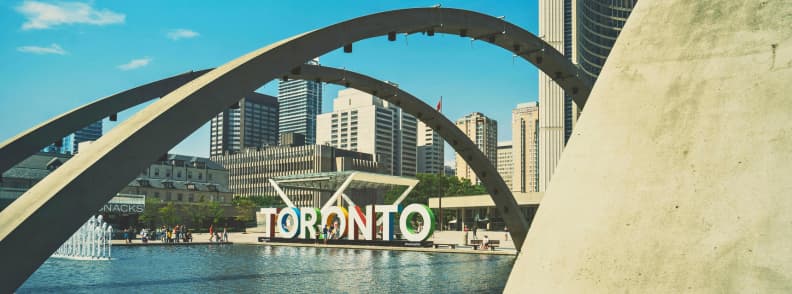
After leaving the CN Tower, walk in the surrounding Entertainment District. This part of Toronto contains major sports venues, theatres, restaurants, hotels, and some of the city’s most recognizable modern architecture. Rogers Centre sits almost beside the tower, while Scotiabank Arena is also within the downtown core.
This is an easy area to explore on foot without a strict plan. Instead of rushing directly to the next attraction, walk along Front Street and nearby downtown streets. One of the advantages of a two-day Toronto itinerary is that many attractions sit close enough together that the journey between them becomes part of the sightseeing.
Check out these stunning places to relocate on The Travel Bunny if you’re thinking about a longer stay in Canada. For a short Toronto visit, however, staying central is the easiest way to see more without spending too much time in transit.
Late Morning: Walk Toward St. Lawrence Market
From the Entertainment District, continue east toward Old Town Toronto. The character of the city gradually changes as modern towers give way to older buildings and historic streets.
Your main destination should be St. Lawrence Market. Located at 93 Front Street East, this market has been an important part of Toronto life for generations. Today, the complex brings together food merchants, specialty vendors, artisans, restaurants, and market traditions in one of the city’s most interesting historic districts.
It’s a particularly good stop for visitors because you don’t need a detailed shopping list. Just walk through the market, look at the different counters, and choose whatever catches your attention. Canadian cheeses, baked goods, fresh produce, seafood, meats, prepared meals, and local specialties are all part of the experience.
The Travel Bunny’s Toronto foodie tip: One food closely associated with Toronto is the peameal bacon sandwich, and St. Lawrence Market is one of the best-known places to try one. Expect to spend around an hour here, particularly if you plan to have lunch.
Early Afternoon: See the Gooderham Building
After lunch, walk west for a few minutes toward the Gooderham Building. Sometimes called Toronto’s Flatiron Building because of its narrow triangular shape, it is one of Old Toronto’s most recognizable architectural landmarks.
This building makes a particularly good photography stop in Toronto because modern skyscrapers rise behind its late-19th-century brick exterior. This contrast tells part of Toronto’s story in a single view: an older commercial city surrounded by the high-rise metropolis that developed around it.
Nearby Berczy Park is another easy stop if you want a short break before continuing. You don’t need to spend an hour at every landmark. Toronto is best enjoyed when smaller sights like this are incorporated between larger attractions.
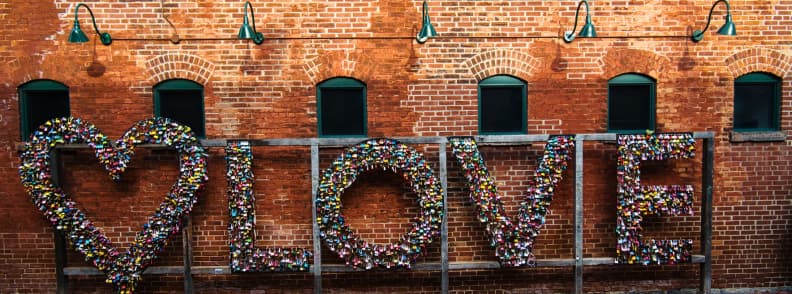
Afternoon: Explore the Distillery Historic District
Continue east toward the Distillery Historic District. The neighborhood occupies a former industrial complex filled with Victorian-era brick buildings. Today, the historic architecture provides a setting for galleries, cafés, shops, restaurants, public art, and entertainment.
It feels noticeably different from Toronto’s financial and entertainment districts. The narrow pedestrian streets encourage visitors to slow down, browse the shops, stop for coffee, or simply look at the restored industrial architecture.
Couples can easily spend an hour or two wandering here without following a specific route. This freedom is valuable when you only have a weekend in Toronto. Not every part of the trip needs to involve tickets and timed entrances.
Photography is another reason to visit. Brick facades, old industrial details, public artwork, and changing seasonal decorations make the Distillery District one of Toronto’s most visually distinctive areas.
The Travel Bunny’s autumn vacation tips are useful for planning around shoulder-season weather, shorter days, and changing travel costs, if your’re considering an autumn trip to Toronto. During the cooler months, the area can be particularly beautiful.
Evening: Make Dinner Part of the Toronto Experience
After a day of sightseeing, avoid creating an unnecessarily complicated evening schedule. Toronto has an enormous restaurant scene, so dinner can become the main evening experience.
You might stay around the Distillery District, return toward downtown, or reserve somewhere in Yorkville for a more polished setting. For a new couple taking their first trip together, keeping the evening comfortable can be more enjoyable than squeezing another three attractions into the itinerary.
Traveling in luxury doesn’t necessarily mean filling every hour with expensive activities. Sometimes it simply means choosing a centrally located hotel, booking dinner ahead, and removing unnecessary logistical stress.
Visiting Toronto is easy because many of its major restaurants, hotels, cultural attractions, and entertainment venues are concentrated in and around the downtown core.
After dinner, take an evening walk if the weather is comfortable. Downtown Toronto looks very different once the office towers illuminate and the streets shift from daytime business traffic to restaurants, theatres, concerts, and nightlife. Then get some rest. The second day covers a different side of the city.
Day 2. Museums, Neighborhoods, and the Waterfront
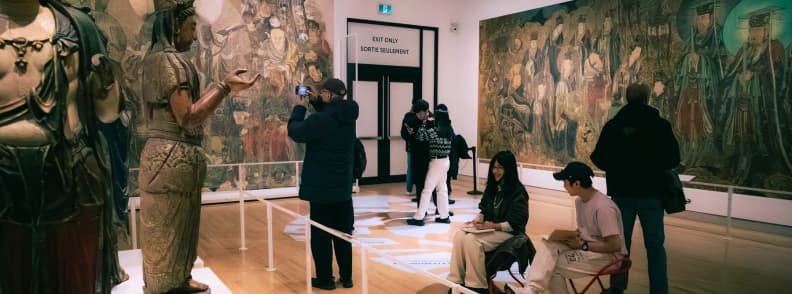
Morning: Visit the Royal Ontario Museum
Begin your second morning at the Royal Ontario Museum, usually shortened to ROM. Located at 100 Queen’s Park, ROM is Canada’s largest and most comprehensive museum, with a collection of about 18 million artworks, cultural objects, and natural history specimens displayed across 40 gallery and exhibition spaces.
The museum’s collections cover an enormous range of subjects, including art, archaeology, world cultures, dinosaurs, minerals, biodiversity, fashion, and decorative arts. Couples with different interests should still find plenty worth seeing. One person might be drawn toward dinosaur fossils and natural history while the other prefers archaeology, decorative arts, fashion, or exhibits connected with cultures from around the world.
Trying to see everything in one visit can become exhausting. For a two-day Toronto trip, two or three hours is usually a more realistic amount of time. Choose the galleries that interest you most and don’t treat the museum like something that has to be checked off your list.
The building itself is also worth examining. The Michael Lee-Chin Crystal, with its angular glass-and-aluminum exterior, dramatically contrasts with the museum’s older architecture.
Late Morning: Walk Through Yorkville
When you leave ROM, you are already close to Yorkville. This is one of the easiest neighborhoods to add to a Toronto itinerary because there’s no need for another long trip across the city.
Yorkville developed from a small village into one of Toronto’s most upscale shopping and dining districts. Today, its streets contain designer boutiques, restaurants, cafés, galleries, hotels, and luxury retailers.
But you don’t have to be shopping to enjoy the area. Walk along Bloor Street and explore some of the smaller streets north of it. Stop for coffee, have an early lunch, or simply spend time people-watching.
Yorkville is also a good reminder that seeing Toronto is not only about ticking major attractions off a bucket list. Its neighborhoods are an important part of the city’s personality.
Early Afternoon: Visit Casa Loma
From Yorkville, continue north toward Casa Loma. This Gothic Revival-style mansion is one of Toronto’s most unusual attractions. Built in the early 20th century for financier Sir Henry Pellatt, the property resembles a European castle sitting above the city.
Inside, you can explore decorated rooms, corridors, historic displays, and architectural details that reflect the ambitions of its original owner. The grounds and exterior also provide a strong contrast with the skyscrapers associated with downtown Toronto.
Casa Loma deserves more time than a quick exterior photograph. Plan around two hours if you want to see the interior comfortably. Because it sits away from the tight cluster of downtown attractions, using the TTC, a taxi, or a rideshare can save time on a short itinerary.
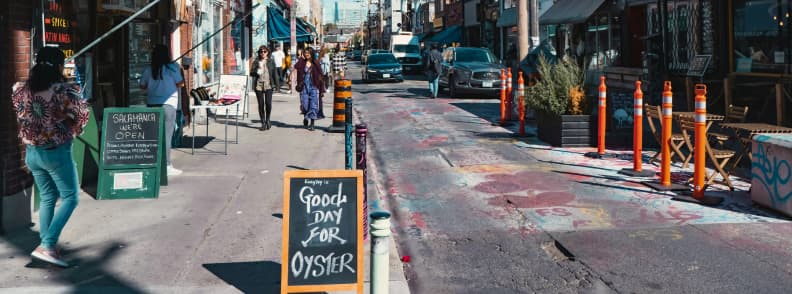
Mid-Afternoon: Discover Kensington Market
After Casa Loma, head south toward Kensington Market. Despite the name, this isn’t a single enclosed market. Kensington Market is a neighborhood filled with independent shops, vintage stores, small restaurants, cafés, produce stands, bakeries, bars, and colourful street scenes.
Kensington Market presents yet another version of Toronto. After the refined streets around Yorkville and the historic grandeur of Casa Loma, Kensington feels informal, creative, and constantly changing.
Food is one of the best reasons to come here. Toronto is among the world’s most multicultural cities, and neighbourhoods such as Kensington Market make that diversity particularly visible. Within a relatively small area, visitors can find flavours influenced by Latin American, Caribbean, Middle Eastern, Asian, European, and Canadian communities.
Instead of planning another formal lunch, try a few smaller things from different places as you walk. The surrounding streets are also excellent for photography, especially if you prefer everyday urban scenes to major landmarks.
Late Afternoon: Walk Along Queen Street West
From Kensington Market, move toward Queen Street West. Queen West has long been associated with Toronto’s creative side, although the neighborhood has changed considerably over the years.
Independent businesses now mix with major retailers, restaurants, cafés, music venues, and fashion stores. For a visitor, its biggest advantage is that you can visit without a detailed itinerary. You can simply walk, browse, stop for a drink, and see what looks interesting.
If you still have energy, continue toward Trinity Bellwoods Park. It’s a popular green space surrounded by some of Toronto’s liveliest neighborhood streets. Spending an hour here provides a welcome change of pace after museums and indoor attractions.
Finish at the Toronto Waterfront
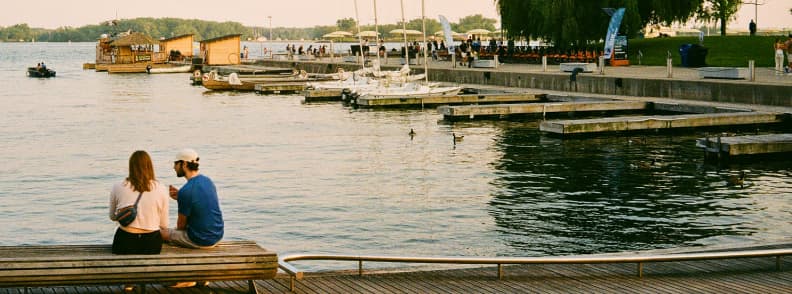
For your final evening, return downtown and make your way toward the waterfront. Toronto’s position on Lake Ontario is easy to forget when you spend most of your visit among downtown buildings. The waterfront gives you a different perspective.
Walk around the Harbourfront area, where promenades, public spaces, cultural venues, restaurants, and lake views create a much more open setting than the streets farther north.
This is a perfect place to end your Toronto city break because you can look back toward the skyline and recognize several of the places you visited during the previous two days. The CN Tower will once again dominate the view, bringing the itinerary almost full circle.
Depending on the season, you can stay for sunset or find somewhere nearby for dinner.
Getting Around Toronto During a Two-Day Visit
Location matters when you only have 48 hours in Toronto. Booking a romantic hotel in or near downtown Toronto can significantly reduce the amount of time spent traveling between attractions. The CN Tower, Entertainment District, Old Town, St. Lawrence Market, and waterfront are all relatively close together.
Toronto’s public transit system includes subway trains, streetcars, and buses. The subway is useful for traveling between downtown and places farther north, such as Yorkville and Casa Loma.
Walking is often the best choice between nearby downtown attractions. Comfortable shoes are essential because even a carefully planned two-day itinerary can involve considerable walking.
Taxis and rideshare services in Toronto can also be useful when traveling between neighborhoods that would otherwise require several transit connections.
Avoid renting a car solely for downtown sightseeing unless you have another reason to need one. Parking and traffic can make a car less convenient than walking or public transportation for many central attractions.
When Is the Best Time to Visit Toronto?
Toronto changes significantly with the seasons. Late spring and early autumn are attractive times for visitors who prefer moderate temperatures and plenty of opportunities to explore on foot. Autumn also has beautiful changing leaves across the city’s parks and residential streets.
Summer has the advantages of warm weather, outdoor patios, festivals, waterfront activity, and longer daylight hours. But it’s also one of the busiest periods for tourism.
Winter requires more preparation, but Toronto remains very much an active city. Museums, restaurants, galleries, theatres, shopping districts, sports venues, and indoor attractions continue operating, while the underground PATH network can make some downtown journeys more comfortable during poor weather.
Toronto travel tip: Whatever season you choose, check opening hours and ticket availability for major attractions before the trip. Popular locations such as the CN Tower, ROM, and Casa Loma can become busy, particularly on weekends and during holiday periods.

Making Two Days in Toronto Feel Longer
The easiest mistake on a short city break is trying to see too much. Toronto has enough attractions to fill a week, but a two-day visitor will have a better experience by grouping nearby places together.
The first day of this itinerary focuses primarily on downtown Toronto and Old Town, including the CN Tower, Entertainment District, St. Lawrence Market, Gooderham Building, Distillery District, and the evening dining scene.
The second day moves through cultural and neighborhood experiences, with the Royal Ontario Museum, Yorkville, Casa Loma, Kensington Market, Queen Street West, and Toronto’s waterfront.
Your Toronto two-day itinerary brings together architecture, history, food, museums, neighborhood life, shopping, skyline views, and time beside Lake Ontario without ever needing to leave Toronto.
More importantly, it leaves enough time for the moments that can’t be scheduled: finding an unexpected café, lingering over lunch, discovering a small shop, or simply deciding that you would rather spend another half-hour somewhere you already like.
Toronto rewards that kind of travel. You can arrive with a clear itinerary and still leave space for the city to surprise you.
Toronto two-day itinerary FAQs
These Toronto two-day itinerary FAQs cover the practical questions first-time visitors often have, from where to stay and getting around without a car to advance tickets and realistic walking distances.
Is two days enough for Toronto?
Yes, two days in Toronto is enough time for the major downtown sights, two or three neighborhoods, a museum, good food, and a waterfront walk without spending the entire weekend rushing.
For first-time visitors, 48 hours in Toronto allow you to see more when you group nearby attractions together. I’d leave Toronto Islands, Niagara Falls, and sights farther from the center for a longer trip. This Toronto weekend itinerary focuses on places that fit comfortably into two sightseeing days.
What area should couples stay in Toronto?
For a Toronto couples getaway, I’d stay downtown, especially around the Entertainment District, Old Town, or the Union Station area. These neighborhoods reduce travel time and put many attractions, restaurants, and evening options within walking distance or a short TTC ride.
The Entertainment District is great for a first Toronto trip because the CN Tower, waterfront, restaurants, theatres, and Union Station sit nearby. Yorkville suits couples planning a more upscale stay with designer shopping, restaurants, and luxury hotels.
If you’re researching where to stay in Toronto for couples, prioritize location over a larger room farther from downtown. On a two-day city break, saving 30 minutes each way matters.
Do you need a car for two days in Toronto?
No, this Toronto itinerary can be done without a car. Walking and Toronto public transportation cover the route, while taxis or rideshares help with less convenient connections such as Casa Loma.
The TTC accepts PRESTO, debit, and credit card payments on its subway, streetcar, and bus network. Staying downtown also removes the cost and hassle of parking in central Toronto.
For a Toronto itinerary without a car, I’d walk between clustered downtown attractions and use the TTC for longer stretches on Day 2.
Is St. Lawrence Market open on Monday?
No, St. Lawrence Market’s South Market is closed on Monday. It is open from Tuesday to Friday from 9:00 am to 7:00 pm, on Saturday from 7:00 am to 5:00 pm, and on Sunday from 10:00 am to 5:00 pm.
If your two days in Toronto fall on Sunday and Monday, visit St. Lawrence Market on Sunday and adjust the Day 1 and Day 2 order. This small change prevents arriving at one of the itinerary’s main food stops to find the doors closed.
How much walking does this Toronto itinerary involve?
Expect roughly 10 km or more of walking across the two days, depending on your hotel, restaurant choices, detours, and how often you use public transport.
Day 1 involves the most continuous walking because the CN Tower, Old Town, St. Lawrence Market, Gooderham Building, and Distillery District form a practical central route. Day 2 covers greater distances, so using the subway, streetcar, taxi, or rideshare between selected neighborhoods saves time and energy.
Comfortable shoes matter. A two-day Toronto itinerary looks small on a map, but museum galleries, markets, neighbourhood streets, and waterfront promenades add plenty of extra steps.
What should couples book in advance in Toronto?
Book the CN Tower, Casa Loma, and any restaurant or special experience that matters to your Toronto couples weekend before arrival. Note that the CN Tower sells timed general admission tickets up to 30 days ahead and Casa Loma also offers date-and-time-specific admission online.
ROM encourages advance ticket purchases through its Plan Ahead Pricing system, which lets visitors choose a date and lock in the displayed admission price.
For a romantic weekend in Toronto, I’d also reserve popular dinner plans. It’s better than leaving the evening entirely open. This matters most for 360 Restaurant at the CN Tower, special-occasion restaurants, and weekend dinners in Yorkville or the Distillery District.
About the Author

Hi, I’m Mirela Letailleur, founder of The Travel Bunny and a published travel writer based in the South of France. I create practical city itineraries for couples and first-time visitors, focusing on realistic timing, efficient routes, public transport, accommodation choices, and the details that make a short trip easier to plan.
For this Toronto itinerary for couples, I researched official attraction and transport sources to build a realistic plan for 2 days in Toronto. I checked routes, opening hours, booking advice, TTC travel, neighborhood stops, and couple-friendly experiences so you can plan a Toronto weekend itinerary without wasting limited time crossing the city.
For more romantic vacations, check out The Travel Bunny’s travel guides for couples
Anniversary weekend getaway essentials
Travel with Your Loved One. Romantic Tips for an Amazing Journey
Most Romantic Hotels in the World: Top 10 Hotels for a Dreamy Escape