
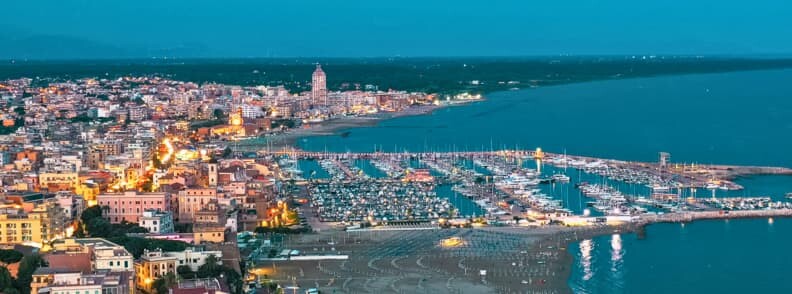
On 21 July, I began sailing to Nettuno from Porto Romano, leaving the Tiber for the Tyrrhenian Sea aboard our sailboat Puzzle. It was our second Italian river passage after sailing up the Arno to visit Pisa. This time, the swell made Otto unreliable for part of the route, so Mathieu and I took turns at the wheel while sailing from Fiumicino to Nettuno Italy and passing Anzio along the way.
We chose Marina di Nettuno as a practical high-season stop. However, Nettuno Italy became one of the places I loved most on our sailing route. The packed medieval center still forms part of daily life, with homes incorporated into old towers and stone walls. I kept wondering about the round rooms behind those windows, how people furnished them, and what their evenings looked like inside buildings created centuries before modern apartments existed.
Nettuno Italy Travel Guide
The Travel Bunny’s Nettuno travel guide covers the practical side of arriving by boat, including what sailors need to know about Marina di Nettuno, walking from Nettuno marina into town, and planning this stretch of a Rome sailing itinerary. My travel guide also covers the best things to do in Nettuno, from the Borgo Medievale and Forte Sangallo to the Fountain of Neptune and the Basilica of Our Lady of Graces and Saint Maria Goretti.
I wrote my Nettuno Italy travel guide for sailors, Rome day-trippers, locals, and expats who want more than a quick list of attractions. Inside it, you’ll find routes, transport advice, accommodation areas, a Nettuno versus Anzio comparison, and my honest opinion on who should visit Nettuno. You’ll also read about the Romanian woman skipper I met beside our boat, the evening we shared pălincă aboard Puzzle, and why speaking Romanian with her gave this accidental stop a meaning I never expected.
Disclosure: Some of the links on this page are affiliate links. This means that at no extra cost to you, The Travel Bunny will earn a small commission if you click through and make a purchase. Thank you!
Is Nettuno Worth Visiting?
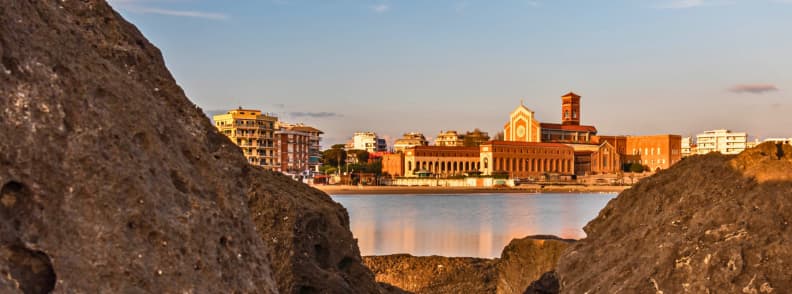
Yes, Nettuno is worth visiting for its dense medieval center, active marina, beach access, Forte Sangallo, Maria Goretti sanctuary, and direct rail connection with Rome. The town suits a day trip, while an overnight stay gives you cooler hours for walking through the Borgo Medievale and time to see its streets fill with evening life.
Nettuno is an excellent travel destination for sailors, independent travelers, families, history lovers, pilgrims, locals, and expats living in Lazio. Its main sights sit close together, so you can build a satisfying visit around the old town, waterfront, marina, fortress, and basilica. Families also win a practical beach stop, making Nettuno a family-friendly beach town near Rome with enough history to fill the hours away from the sand.
Nettuno Italy is famous for its medieval Borgo, cylindrical towers, seafaring character, Forte Sangallo, and the Basilica of Our Lady of Graces and Saint Maria Goretti. The Borgo Medievale is Nettuno’s historic heart, built around the end of the 10th century, with fortified walls, stone houses, narrow lanes, and views over the port. Forte Sangallo adds to the local coastal history, while the basilica draws pilgrims visiting the remains of Saint Maria Goretti.
What impressed me most was the way the historic city was part of ordinary life. People lived inside the old towers and buildings built into the fortified walls. I kept studying the windows and wondered about the round rooms behind them, the furniture, the dinners, and the parties held inside spaces shaped centuries ago. These homes gave the Borgo more personality than a preserved center created mainly for visitors.
Nettuno exceeded my expectations. We chose it for practical reasons rather than a long sightseeing list. Marina di Nettuno had berth space at a price that suited our high-season sailing route, and we hoped for a useful and restful overnight stop. Instead, we found Nettuno hidden gems that stay in your memory through small details, old stone, lived-in streets, and a conversation with someone we met by chance.
A single day is enough time for the main things to do in Nettuno. You can walk through the Borgo Medievale, see Forte Sangallo, stop at the Fountain of Neptune, visit the basilica when access permits, and return along the seafront. The historic centee lies about 300 meters from Nettuno railway station, which makes the town practical for travelers planning a visit from Rome.
An overnight stay in Nettuno lets you enjoy a different, slower rhythm. The hottest part of a summer afternoon gives way to cooler streets, dinners around the Borgo, and a livelier waterfront. Spending a weekend in Nettuno also leaves time for the Sicily-Rome American Cemetery, Torre Astura, a longer beach visit, or a second day in nearby Anzio.
Travelers focused on large museums, luxury shopping, or a polished resort setting will find better destinations elsewhere in Italy. Nettuno offers a smaller scale, a residential old town, a working port, local restaurants, religious history, and a direct relationship with the sea. Its appeal comes from moving through an authentic coastal town rather than following a long sequence of headline attractions.
Sailors have the best reason to visit Nettuno. Marina di Nettuno places visiting crews beside the medieval center, shops, restaurants, and local services, with around 1,000 berths spread across 15 piers. Land-based visitors reach the same streets by train, so the town serves both a Tyrrhenian sailing route and an easy coastal break from Rome.
Is Nettuno worth visiting from Rome? Yes, especially when you want sea air, medieval streets, and history within a rather small town. One day covers the essentials, and one night lets you appreciate what Nettuno has to offer beyond a convenient marina stop.
Sailing from Porto Romano to Nettuno
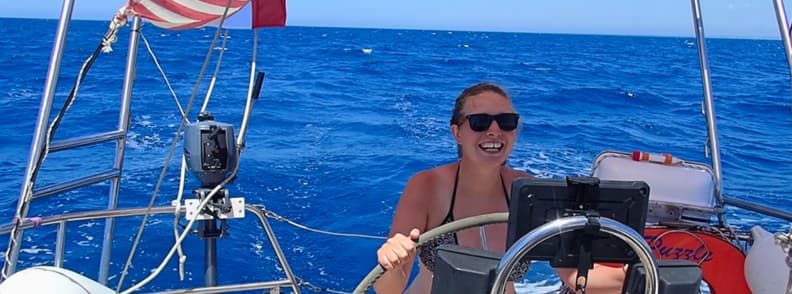
Sailing to Nettuno from Porto Romano takes you from the sheltered waters of the Tiber into the open Tyrrhenian Sea, then south along the Lazio coast towards Marina di Nettuno. For us, the passage combined a somewhat familiar river departure after our earlier Pisa visit, with a more demanding coastal leg, where the swell required Mathieu and me to share the wheel of Puzzle.
The Porto Romano to Nettuno sailing route fits naturally into a Rome sailing itinerary. Porto Romano sits in Fiumicino, around 30 kilometers from Rome, while Marina di Nettuno provides a coastal stop beside the medieval town. The Pontine Islands are also around 34 nautical miles farther south, which makes Nettuno useful for crews continuing towards Ponza, Palmarola, or Ventotene.
Leaving Porto Romano Marina on the Tiber
On 21 July, Mathieu and I left Porto Romano aboard our sailboat Puzzle and began sailing from Porto Romano to Nettuno. It was the middle of the Italian summer, during the part of the season when popular marinas fill quickly and prices along the coast rise sharply.
This was our second Italian river passage. Earlier in the trip, we had sailed up the Arno to visit Pisa. The Porto Romano departure carried us down the Tiber towards the Tyrrhenian Sea.
Porto Romano Marina gave Puzzle a sheltered departure point inside the river at Fiumicino. Banks bordered the route, the waterway directed our course, and the open horizon still lay ahead.
Sailing from the Tiber into the Tyrrhenian Sea
Leaving the Tiber changed the scale of the trip. The riverbanks gradually gave way to open water, and the route stopped following a fixed channel. The Tyrrhenian horizon spread ahead of us, with the Lazio coast guiding our passage south.
The sea state also changed after the river departure. The sheltered waters around Porto Romano gave way to the swell offshore. Puzzle began moving with the longer motion of the open sea, which required closer attention from the helm as we continued towards Nettuno.
This transition defines sailing from Fiumicino to Nettuno. The route begins inside a river marina and quickly becomes a coastal passage across exposed water. For crews planning sailing in Lazio, the change arrives early and gives the leg a different character from a short harbour-to-harbour transfer.
Hand-Steering Puzzle Through the Swell
Puzzle moved through the longer rhythm of the Tyrrhenian Sea, and Otto, our automatic pilot, struggled to hold the course consistently for part of the passage. Otto usually reduced the physical load at the helm. But in these conditions, his corrections no longer matched the movement of the boat closely enough for us to rely on him. The wheel required a person behind it, watching Puzzle’s heading and responding to every shift.
Mathieu and I took turns at the helm. One of us steered while the other had a break, then we changed places. Hand-steering a sailboat in swell demands steady attention.
Sailing without autopilot also kept us closely connected to the sea state. Through the wheel, I could follow Puzzle’s response to the swell instead of experiencing the passage as a distant movement controlled by Otto. Every correction became part of our crossing.
The best time to sail the Italian coast depends on the forecast, the vessel, the crew, and the sea state expected along the route. Our passage took place in summer, yet the swell still affected our Tyrrhenian coast sailing leg. Warm weather and high season are only part of the picture.
Passing Anzio on the Way to Nettuno
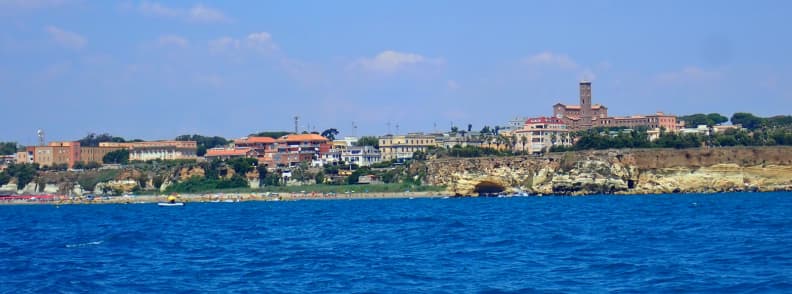
We passed Anzio before reaching Nettuno, seeing the town from aboard Puzzle instead of going ashore. It formed a clear point along our coastal route and confirmed that the end of the passage was drawing closer.
Anzio and Nettuno occupy adjoining stretches of the Lazio coast. The Marinaretti area is where the territories of the two towns meet, which explains why Anzio and Nettuno often appear together in coastal itineraries.
From the water, we watched the shoreline of Anzio as we continued towards Marina di Nettuno, keeping our attention on the passage and the remaining distance.
Passing Anzio by sailboat gave me an offshore introduction to a town I would need to visit separately. Its Roman remains, port, beaches, and World War II history deserve spending time ashore.
The proximity between Anzio and Nettuno makes them easy to combine during a longer stay in Lazio. Their separate identities become clearer on land, while the sea presents them as consecutive points along the same coastline.
Arriving at Marina di Nettuno
Arriving at Marina di Nettuno was the end point after the time we spent steering through the swell. The entrance in the marina represented shelter, a berth, and our first chance to visit the town.
The relationship between the port and the town became visible as we approached. The medieval centre overlooks the marina, while the commercial streets, railway station, and Basilica of Saint Maria Goretti sit around the harbour area.
This close connection between harbor and town makes Marina di Nettuno immediately useful to sailors. A visiting crew can secure the boat and reach the town center on foot, with restaurants, shops, historic streets, and local services surrounding the port.
Marina di Nettuno is a large leisure harbor. It has around 1,000 berths for boats between 6 and 40 meters, with transit boats placed near the port entrance and beneath the control tower. You’ll find are restaurants, maritime businesses, shops, and public pedestrian access within the port area.
Marina di Nettuno Practical Guide
Marina di Nettuno is a large tourist port beside the historic centee of Nettuno, around an hour south of Rome by car or train.
Is Marina di Nettuno good for sailors? It suited our route because it paired a sheltered berth with immediate access to the town. We could leave Puzzle, walk into the Borgo Medievale, visit the main sights, buy supplies, and return aboard during the same afternoon.
Sailors comparing the best marinas near Rome should consider Nettuno for its size, central location, technical services, and access to the Lazio coast. Crews also use Nettuno as a base for sailing towards the Pontine Islands, which lie around 34 nautical miles south of the port according to the marina.
Marina di Nettuno Location, Berths, and Layout
Marina di Nettuno occupies the waterfront directly below the medieval centre. It has approximately 3,000 meters of quays, 15 piers, and about 1,000 boat berths.
Marina di Nettuno berths accommodate boats from 6 to 40 meters long. The assigned berth depends on the boat’s dimensions, draft, availability, and length of stay.
Transit boats usually berth in two areas close to the entrance. One transit pier lies to starboard after the outer harbor, while a floating pontoon sits beneath the control tower. This layout gives short-stay crews direct contact with the marina team and a quick route back towards open water.
The town surrounds Nettuno Port on three sides. The Basilica of Our Lady of Graces and Saint Maria Goretti sits to the northeast, the main shopping streets and railway station lie to the north, and the Borgo Medievale rises to the northwest.
This location also helps sailors choosing where to stay in Nettuno for sailing. Accommodation near Marina di Nettuno places charter crews, late arrivals, and visiting friends close to the pontoons while keeping the old town within a short walk.
Nettuno Yacht Club adds an active sailing community to the harbor. Founded in 1966, the club organizes regattas, sailing courses, license preparation, skipper training, mooring instruction, and activities for sailors with disabilities.
For our small crew, the marina layout turned a functional stop into a town visit. Puzzle stayed close enough for us to explore on foot, then return aboard once the heat faded.
Arriving at Marina di Nettuno by Boat
Sailors approaching Marina di Nettuno should contact the control tower on VHF Channel 9. The marina advises crews to call a few miles before the entrance and request current transit availability.
Marina di Nettuno has a limited number of reservable transit berths. Submit a booking request, then wait for confirmation before planning the stop around a Nettuno berth.
Draft requires extra attention near the port entrance. Boats drawing over approximately 2.5 meters must contact the tower, since tide and channel conditions influence the safest approach. The control tower provides directions through the appropriate channel when required.
Short passenger stops also require prior tower contact. The control team assigns the waiting time and transit platform for embarkation or disembarkation.
Keep lines and fenders ready before entering the inner harbour. Follow the marina control tower’s berth assignment instead of heading directly towards the transit pontoons, because positions change with occupancy and vessel size.
Marina di Nettuno Tip: Confirm the VHF channel, berth allocation, entrance guidance, fuel schedule, and weather close to arrival, since operational conditions change throughout the season.
Why We Chose Marina di Nettuno During High Season
We arrived on 21 July, during the expensive and crowded part of the Italian sailing season. Popular marinas often had fewer transit spaces, while pandemic restrictions added another layer to berth planning.
Marina di Nettuno had greater transit availability during our pandemic-era passage. This gave us a good and practical stopping point between Porto Romano and our next sailing legs.
The berth price also suited our budget. Marina di Nettuno offered good value for Puzzle compared with the suitable high-season options available to us at that stage of the route. Nettuno was an affordable marina for our boat and dates, but that doesn’t mean I would call it one of the cheapest sailing marinas in central Italy.
Marina di Nettuno’s location also saved time ashore. The marina’s position beside the center placed restaurants, shops, attractions, and the station within walking distance, so we gained a city visit alongside the overnight berth.
For a sailing weekend from Rome to Nettuno, this compressed layout remains one of the port’s strongest advantages. Crews spend less time arranging land transport and gain direct access to the medieval center.
Marina di Nettuno Facilities and Services for Sailors
Marina di Nettuno supplies water and electricity through metered service pedestals. The marina introduced a prepaid system for berth holders and transit users, with access arranged through an electronic key and credit loaded for consumption.
Fuel is available inside the marina on a seasonal schedule. July and August hours are from 08:00 to 12:30 and from 15:00 to 20:00, with Wednesday as a weekly closure. Weather conditions influence opening hours, so crews should confirm the schedule before planning departure around refueling.
The marina shopping area includes restaurants, maritime brokers, ship chandlers, clothing shops, and jewelery businesses.
The Marina di Nettuno shipyard handles substantial repair and maintenance jobs. Its equipment includes two travel lifts for boats weighing up to 100 tones, a hauling basin for vessels up to 28 meters, a slipway, and a covered workshop.
Available technical services cover diesel engines, generators, steering systems, thrusters, watermakers, plumbing, air conditioning, metalwork, toilets, and onboard showers. Crews facing a repair should contact the yard directly and confirm technician availability before arrival.
Supermarkets, pharmacies, cafés, and general shops sit in the streets above the port. Therefore, Marina di Nettuno is practical for provisioning during a short stay, especially for crews planning to continue towards Ponza or the other Pontine Islands.
Sailors arranging a yacht charter in Nettuno or a boat rental in Nettuno should contact the accredited operators directly. The marina lists Marine Service, Sailing Yachts, and Way Point among its berth and boating agencies, though fleets and charter terms change by season.
Walking from Marina di Nettuno to the Old Town
Yes, you can walk from Marina di Nettuno to the old town. The Borgo Medievale rises directly above the northwestern side of the harbor, so the walk from the marina to town is one of Nettuno’s simplest visitor routes.
From the central marina area, the Borgo Medievale lies roughly 200 meters away in a straight line. It takes less than five minutes to get to town from the nearest marina exit, depending on your pontoon and the route through the waterfront streets.
The simplest walking route goes northwest from the port towards the medieval walls and Piazza Marcantonio Colonna. Once inside the Borgo, the lanes lead between stone houses, arches, small squares, restaurants, and residential towers.
Forte Sangallo lies around 480 meters northwest of Marina di Nettuno. Allow approximately 6-8 minutes on foot from the central marina area, plus some extra time for photographs along the waterfront.
The Basilica of Our Lady of Graces and Saint Maria Goretti is about 630 meters northeast of the marina. It takes you approximately 8-10 minutes to get there from the central harbor, following the waterfront towards the sanctuary.
Nettuno railway station is 530 meters north of the marina. The walk usually takes 7-9 minutes, which helps crew members joining by train and travelers continuing towards Rome. The Borgo Medievale is 300 meters from Nettuno station. This compact arrangement also gives sailors an easy route between the marina, historic center, and rail connection.
Sailors with limited time should follow a simple loop from Nettuno marina. Walk into the Borgo Medievale, continue west to Forte Sangallo, cross towards the Fountain of Neptune, then follow the waterfront east towards the basilica before returning to the boat.
This walk explains why Marina di Nettuno suited us so well. We arrived with a practical berth in mind and found the town’s strongest sights waiting a few minutes from Puzzle.
Nettuno Accessibility Info: The marina promenade and surrounding Borgo streets have narrow stone-paved lanes and changes in level. These require a slower pace for wheelchairs, mobility aids, and pushchairs.
Things to Do in Nettuno Italy
The best things to do in Nettuno center on its medieval streets, coastal fortifications, religious heritage, waterfront, and museums. You can walk from Marina di Nettuno to the main Nettuno attractions within minutes, which makes the town easy to explore during a sailing stop, a Rome day trip, or a longer stay in Lazio.
A Nettuno travel guide should start beyond the beach. The Borgo Medievale, homes built into ancient towers, Forte Sangallo, the Neptune fountain, and the seafront reveal why Nettuno, Italy is famous for its relationship with the sea and its layered architecture.
Many Nettuno Italy hidden gems sit inside ordinary residential streets. Historic walls frame private homes, washing hangs from old buildings, and local life continues around monuments that other towns might isolate behind ticket desks.
Walk Through the Borgo Medievale di Nettuno
The Borgo Medievale di Nettuno is the historic heart of the town and one of the first places I visited after leaving the marina. The fortified settlement dates back to the end of the 10th century, when it served as protection from raids along the coast.
My first impression came from the scale of the walls and towers above the waterfront. They gave Nettuno old town a clear boundary while remaining closely connected to the marina and surrounding streets.
Inside the Borgo Medievale, the town narrows into paved lanes, arches, stone houses, and small squares. Piazza Marcantonio Colonna, Palazzo Baronale, Palazzo Doria-Pamphilj, and the Collegiate Church of San Giovanni are some of the main historical landmarks in the medieval Borgo.
The streets invite travelers to slow exploration rather than a rigid attraction checklist. A walk in Nettuno old town becomes a sequence of passages, corners, doorways, balconies, and views towards the port.
The Cavone provides one of the most distinctive walks around the old walls. This former defensive passage follows part of the fortifications and opens towards the marina, adding a coastal viewpoint to a one-day walking tour of Nettuno.
What made the Borgo of Nettuno special for me was its residential character. People still live inside these old structures, so the neighborhood carries signs of daily life alongside its historic architecture.
The medieval buildings have grown into the modern town rather than standing apart from it. Newer additions meet ancient stone, private windows open inside old towers, and ordinary apartments occupy spaces once connected with coastal defence.
Netunno’s Borgo gains character during the evening. The lanes and squares become busier during summer, when residents and visitors come out after the heat and fill the historic quarter with conversation and movement.
Photographers will find some of the best photo spots in Nettuno around the arches, towers, Cavone, and port-facing walls. Early morning gives quieter streets, while late afternoon brings softer light across the stone.
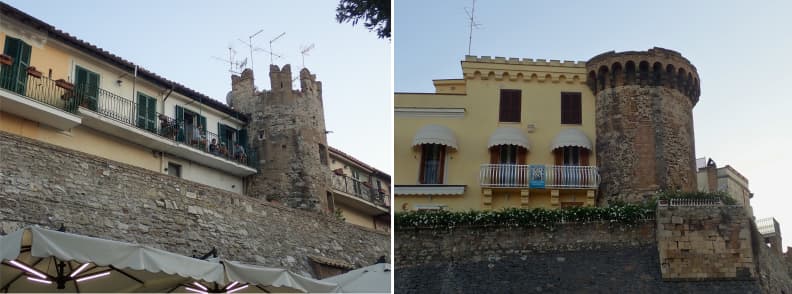
Homes Built into Nettuno’s Medieval Towers
The homes inside Nettuno’s medieval towers held my attention longer than any monument could. I saw private apartments occupying old defensive structures, with windows cut into heavy stone walls and rooms following the rounded shapes of the towers.
Those windows made me think about the people living behind them. I wondered how they arranged furniture in rooms without straight walls and how the shape of each space influenced their daily routines. I pictured tables following the curve of the stone and beds placed beneath small windows.
The towers also made me think about light. Thick walls must create a different relationship with the sun, especially during the brightest hours of an Italian summer. (When we settled in Bagnols-en-Forêt in the south of France, I got to experience this in part: our home’s walls were 75 cm thick!)
I wondered what an evening gathering looked like inside one of those round rooms. Friends might sit close together, voices might travel differently across curved walls, and a party might occupy a space once designed for defense.
This contrast gave Nettuno old town architecture much of its appeal. Medieval walls carried satellite dishes, curtains, plants, shutters, and the evidence of present-day households.
Living inside Nettuno old town must involve practical compromises alongside its beauty. Furniture, deliveries, stairs, heat, privacy, and maintenance would shape life inside buildings created for another age. This mixture keeps the towers from becoming lifeless scenery. The people inside them continue the history of the Borgo through meals, work, family life, and celebrations.
These residential towers belong among the best photo spots in Nettuno, but they also deserve respect as private homes. Photographs should focus on architecture, exterior details, and public streets while protecting the privacy of residents.
Visit Forte Sangallo in Nettuno
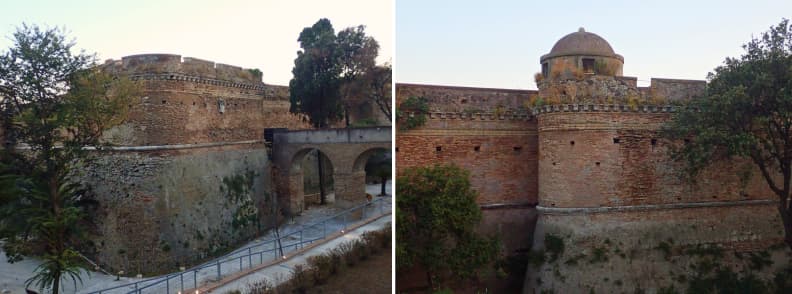
Forte Sangallo stands beside the sea a short walk from the Borgo Medievale and Marina di Nettuno. Its thick brick walls, angular bastions, and low defensive profile give the fortress a heavier presence than the taller residential towers of the old town.
The fortress was built between 1501 and 1503 to defend Nettuno and the coast south of Rome. The construction by Antonio da Sangallo is based on a design by Giuliano Giamberti and commissioned by Cesare Borgia.
Forte Sangallo’s position explains its form. The fort faces the sea from a quadrangular structure with four corner bastions, walls around five meters thick, and a height ranging from approximately 18 to 25 meters.
My strongest memory of Forte Sangallo comes from its exterior and coastal setting. (We didn’t visit inside during the pandemic). The fortress looked solid and severe beside the beach, with its military purpose still clear in the shape of the walls.
Forte Sangallo now serves as one of Nettuno’s main cultural spaces. It houses the Allied Landing Museum, the municipal Antiquarium, a public library, exhibitions, conferences, and seasonal events.
- The Allied Landing Museum covers Operation Shingle and the fighting around Nettuno and Anzio. Its collections include uniforms, helmets, weapons, photographs, maps, newspapers, radio equipment, and personal objects connected with Allied and German soldiers.
- The Antiquarium presents archaeological finds from Nettuno and the surrounding territory. Its displays include Roman statues, mosaics, inscriptions, ceramics, prehistoric material, and objects recovered around Torre Astura.
Forte Sangallo also functions as an active venue for residents and visitors. The municipality continues to schedule cultural talks, exhibitions, films, and public events inside the complex.
Visiting Forte Sangallo is free between 09:30 am and 12:30 pm, and between 03:30 and 06:30 pm everyday except Wednesday. Keep in mind that opening times vary with exhibitions, museum schedules, events, and municipal programming.
Forte Sangallo deserves a bit of your time time even when the interior schedule limits your visit. The exterior, drawbridge approach, bastions, sea-facing walls, and relationship with the nearby Borgo create one of the strongest architectural stops in Nettuno.
Cool Down at the Fontana del Dio Nettuno
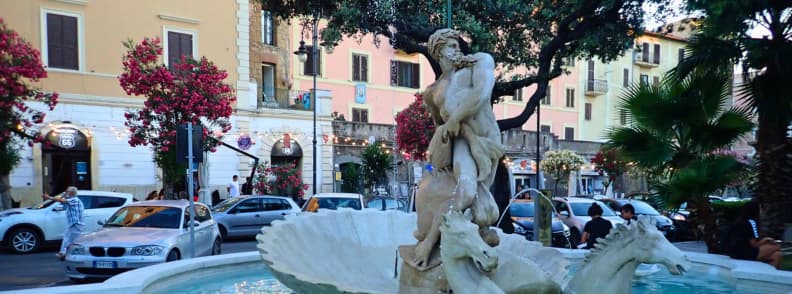
Of course there’s a Fountain of Neptune in an Italian town called Nettuno! The Fontana del Dio Nettuno is the symbol of the city and it places the Roman god of the sea at the center of one of the town’s main squares, surrounded by shops, traffic, residents, and visitors moving between the waterfront and historic streets.
The fountain stands in Piazza Giuseppe Mazzini, in the heart of central Nettuno. The square offers free public access and serves as a useful orientation point between Forte Sangallo, the Borgo Medievale, the seafront, and the basilica.
The current fountain combines work from two periods. Ottavio De Angelis sculpted the travertine figure of Neptune, which the city received in 1882 for the opening of the Albano to Nettuno railway. Randolfo Belleudi later created the shell and horses when the monument moved to Piazza Mazzini after the Second World War. That later composition was completed between 1949 and 1950.
For me, the Neptune fountain in Nettuno became a welcome cooling stop at the end of a hot day. Water moved around the pale stone figures while the square carried the noise and movement of an ordinary summer afternoon.
Visit the Basilica of Our Lady of Graces and Saint Maria Goretti
The correct name of this landmark is the Basilica of Our Lady of Graces and Saint Maria Goretti. Some travelers use the phrase Nettuno cathedral, though the building is a basilica and sanctuary.
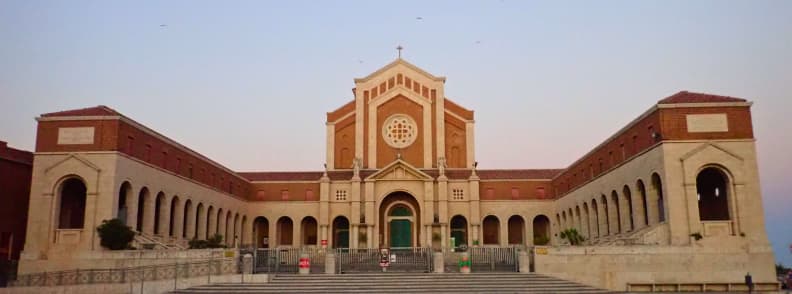
The Nettuno basilica stands near the seafront in Piazza San Rocco. Its broad façade, high central entrance, brick upper walls, pale stone details, and large forecourt give it a scale that separates it from the smaller churches and residential buildings around central Nettuno.
The exterior impressed me from afar. The building looked substantial and formal beside the coast, with the kind of presence that made me expect a long interior visit.
However, during the pandemic, protective gates blocked access to the areas I hoped to see during my visit. While I could take in the scale of the basilica, the enclosed spaces left much of the building beyond reach that day. The gates changed our visit into a brief encounter.
The sanctuary occupies a site with religious roots reaching back to the 16th century. The present complex developed through several building phases, with the main modern construction beginning in 1914 and later architectural work continuing through the 20th century.
The upper church is dedicated to Our Lady of Graces, Saint Sebastian, and Saint Roch. The crypt has held the remains of Saint Maria Goretti since 1929, making the Santuario Maria Goretti an international pilgrimage destination.
Saint Maria Goretti died in Nettuno on 6 July 1902 and was canonised in 1950. Her remains now rest permanently inside the basilica, which draws pilgrims from Italy and abroad.
You can visit the Basilica of Our Lady of Graces and Saint Maria Goretti for free. The sanctuary is open every day between 7 am and 12:30 pm and between 3 and 7 pm.
There are several annual religious events tied to Maria Goretti and Our Lady of Graces. These include the May procession, the July walking pilgrimage towards Le Ferriere, and other major celebrations that bring larger groups to the basilica.
If you’re planning to visit the Nettuno basilica, I reccommend you enter with shoulders and knees covered, keep your voice low, silence the phone, and pause any photography during Mass or private prayer.
Add the Sicily-Rome American Cemetery to a History-Focused Visit
Unfortunately, I didn’t have time to also visit the Sicily-Rome American Cemetery during our stop in Nettuno. It deserves consideration for travelers interested in the Allied campaign in Italy, especially those combining Nettuno with Anzio.
The Sicily-Rome American Cemetery lies at the northern edge of Nettuno, immediately east of Anzio and around 61 kilometers south of Rome. It contains 7,845 graves of American military personnel. Its memorial also records 3,095 names of service members missing in action.
Many of those commemorated died during the campaigns in Sicily, Salerno, Anzio, and the advance north through Italy. The site connects Nettuno directly with Operation Shingle and the wider Allied campaign during the Second World War.
The visitor centre adds historical context through photographs, films, personal accounts, and interactive displays. The memorial map room also presents military operations in Sicily and mainland Italy.
The Sicily-Rome American Cemetery is open daily from 9 am to 5 pm except on 25 December and 1 January when it remains closed. Visiting the cemetery is free and advance booking isn’t necessary.
Allow at least one hour for a Sicily-Rome American Cemetery visit. A slower visit gives you time for the graves, memorial, chapel, gardens, map room, and visitor center.
Train travelers can place the cemetery at the start of their Nettuno day trip. I suggest you visit it after arriving at the station, then return towards the Borgo Medievale, Forte Sangallo, the Neptune fountain, and the seafront.
Plan Torre Astura as a Separate Half-Day Trip
I researched Torre Astura as a nearby option and left it outside my Nettuno itinerary. Its location, seasonal access, and distance from the center make it better suited to a separate half-day excursion.
Torre Astura stands a few kilometers south of Nettuno at the mouth of the Astura River. The fortress occupies a small offshore site connected to the coast by an old bridge.
The medieval tower dates from 1193, when the Frangipane family built a defensive structure above the remains of a Roman fishpond. Later owners reshaped the complex, with Renaissance additions giving the coastal fortress much of its present form.
The surrounding area also preserves traces of a Roman port and imperial buildings. Archaeological material from Torre Astura forms an important part of the collections displayed inside Nettuno’s Antiquarium at Forte Sangallo.
Access to Torre Astura depends on seasonal authorisation because the route crosses the UTTAT military area of the Italian Ministry of Defence. The Comune di Nettuno currently lists entry as available under permitted conditions and directs travelers to its tourism office for access details.
From 1 July to 31 August 2025, Torre Astura reopened daily from 8 am to 7 pm. In September 2025, during the low season, access continued on Saturdays and Sundays, with free parking available on Via Valmontorio. A weekend shuttle linked central Nettuno with the pine forest near the beach during the 2025 summer season. Tickets cost €1 each way on Saturdays and Sundays. A 2026 opening calendar and shuttle timetable remain pending on the official municipal website.
The beach stretches for around eight kilometers along a wild section of golden sand, dunes, Mediterranean scrub, and pine forest. Visitors reach it from Foceverde along a path through the trees.
The medieval fortress gives Torre Astura its distinctive appearance. A pentagonal tower rises from the water, surrounded by defensive walls and battlements, with an old brick bridge connecting the structure to the mainland.
Torre Astura suits travelers with a strong interest in coastal history, archaeology, and photography. Visitors following a quick one-day Nettuno itinerary gain a fuller experience by keeping their first visit around the Borgo Medievale, Forte Sangallo, the fountain, basilica, and marina.
One-Day Nettuno Itinerary
A one-day Nettuno itinerary gives you enough time to explore the Borgo Medievale, Forte Sangallo, the Fontana del Dio Nettuno, the basilica, Marina di Nettuno, and part of the waterfront. The center is dense, so the best Nettuno attractions fit into a walkable route from either the marina or the railway station.
The best schedule depends on how you arrive. Sailors start beside the Borgo Medievale, while a Nettuno day trip from Rome begins near the train station and offers easy access to the Sicily-Rome American Cemetery. A half-day visit suits travelers combining Nettuno with Anzio or continuing along the Lazio coast.
Summer timing shapes your Nettuno experience. Visit exposed sights during the morning, slow down over lunch during the hottest hours, then return to the old town as the streets become livelier towards sunset.
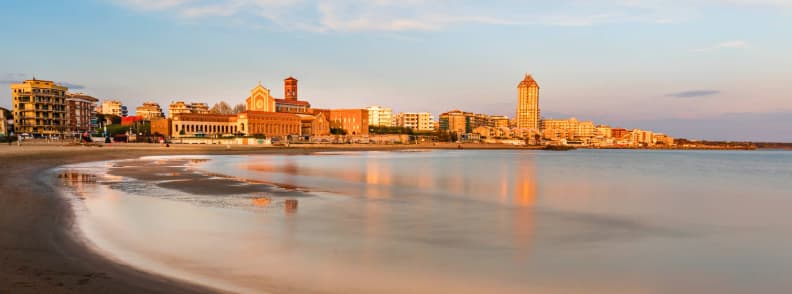
One Day in Nettuno When Arriving by Sailboat
Begin your Nettuno itinerary by completing the marina formalities and settling the boat. Marina di Nettuno places transit vessels near the entrance and control tower, subject to berth assignment and availability. Contact the tower on VHF Channel 9 before entering and follow the instructions given for your berth.
Allow time to secure the boat before heading ashore. Connect shore power and water if needed, close the boat, gather sun protection, and save the marina office contact details before leaving your pontoon.
Begin your walk in the Borgo Medievale. The medieval center rises directly above the northwestern side of Marina di Nettuno, so it provides the natural first stop for anyone deciding what to do in Nettuno when arriving by boat.
Enter Nettuno’s Borgo through its old passages and spend at least one hour inside the walls. The Borgo Medievale is a fortified settlement dating from around the end of the 10th century. Follow the narrow paved lanes through Piazza Marcantonio Colonna, stone houses, arches, private homes, and the port-facing Cavone walkway.
Pause around the residential towers instead of rushing towards the next attraction. Look at the curved walls, private windows, balconies, shutters, and modern additions that show how the medieval structures remain part of Nettuno’s everyday life.
Continue towards Forte Sangallo during its visiting hours. The fortress stands between the Borgo Medievale and the beach, making it an easy second stop on a one-day walking tour of Nettuno.
Expect to spend around one hour visiting Forte Sangallo when the museums are accessible. The complex houses the Allied Landing Museum, archaeological collections, exhibitions, and cultural events. The municipality built the fortress into its modern cultural program while preserving its early 16th-century coastal defenses.
Use the exterior as a valuable stop when the interior schedule falls outside your visit. Walk around the walls, study the bastions, and view the fortress in relation to the beach and marina.
Continue towards Piazza Giuseppe Mazzini for the Fontana del Dio Nettuno. This fountain of Neptune, the symbol of the city, provides a central meeting point and a useful pause before lunch.
Have lunch near the Borgo Medievale for historic atmosphere. The old center has trattorias, pizzerias, wine bars, and small restaurants set among the lanes and squares.
If you’re looking for a waterfront setting, have lunch near Marina di Nettuno. The port shopping area includes restaurants and maritime businesses, with tables close to the boats and promenade. A seafood lunch fits the setting, especially when the menu lists the day’s catch. I recommend you ask about the fish, portion size, cover charge, and preparation before ordering.
Resume your walk towards the Basilica of Our Lady of Graces and Saint Maria Goretti after the hottest part of the afternoon. The basilica is northeast of the marina along the coastal side of central Nettuno.
You might spend around thirty minutes visiting Nettuno’s basilica when full access is available. Make sure you visit the upper church and the crypt containing the remains of Saint Maria Goretti, then take a few quiet moments in the sanctuary.
Continue along the Nettuno waterfront after the basilica. This coastal route gives you views towards the beach, marina, historic center, and Forte Sangallo.
Return to the marina for a break before dinner. A short rest aboard gives the old town time to shift from its daytime rhythm towards the evening atmosphere that gives Nettuno much of its character.
Head back to the Borgo Medievale around sunset. The historic center is the focus of evening activity, with aperitifs and nightlife continuing through the later hours, and everything is beautifully lit up.
Have dinner inside the Borgo Medievale for a memorable final stage of the day. Choose a table along a lane or small square where you can watch locals and tourists moving through the old town at night.
End your day with a slow walk through the illuminated streets. The stone arches, residential towers, and open windows create a different impression after sunset, especially after seeing the same route in daylight.
Nettuno Day Trip from Rome by Train
You should plan to arrive in Nettuno during the morning. Check the current departure and return options through Trenitalia before traveling, then choose a service that leaves enough time for the cemetery, historic center, lunch, basilica, and waterfront.
Start your Nettuno visit at the Sicily-Rome American Cemetery if World War II history is a priority for you. The cemetery is 700 meters from Nettuno train station, and walking takes ten minutes along Via Santa Maria.
Reach the cemetery close to opening time for a quieter visit. The site opens daily from 9 am to 5 pm, except on 25 December and 1 January. Entry is free, and the final admission takes place fifteen minutes before closing.
You will spend around 60-90 minutes visiting the Sicily-Rome American Cemetery. Walk through the burial area, memorial, chapel, map room, and visitor center at a respectful pace.
Return towards Nettuno station after visiting the cemetery. Continue for around 300 meters beyond the train station to reach the Borgo Medievale.
Spend the late morning visiting Nettuno old town. Enter through the fortified walls, cross the small squares, walk through the residential lanes, and follow the Cavone for a view over the port.
Have lunch in the old town. The Borgo offers atmosphere and a broad restaurant choice within a small area. Book a table during busy summer weekends. Evening tables attract greater demand, while lunch often gives day-trippers a calmer opportunity to eat inside the historic center.
After lunch, visit Forte Sangallo, then continue walking to the Fontana del Dio Nettuno. The fountain sits in central Nettuno and creates a natural break between the military history of Forte Sangallo and the religious history of the basilica.
Walk to the Basilica of Our Lady of Graces and Saint Maria Goretti later in the afternoon. The road leads towards the seafront and places you close to the beach and marina.
Spend the final part of the day along the waterfront. Walk by Marina di Nettuno, watch the boats, and look back towards the Borgo Medievale rising above the harbor.
Eat near the marina or Borgo when your train schedule allows a later return. The old town gives a better Nettuno evening experience, while the marina provides open views and easy waterfront dining. But eat near the station if your return train leaves soon after dinner, to reduce stress around departure time.
Italy Travel Tip: Check your return platform and train status before ordering dinner. Regional schedules change, and the latest comfortable service for your plans deserves a place in the day’s timing.
Half-Day Nettuno Walking Itinerary
A half-day Nettuno itinerary needs around four hours. This itinerary works best for travelers arriving late in the morning, stopping between sailing legs, or pairing Nettuno with Anzio.
Begin your visit in the Borgo Medievale. Spend around one hour walking through the main lanes, Piazza Marcantonio Colonna, the residential towers, and the Cavone.
Then, continue to Forte Sangallo. Spend around thirty minutes admiring the exterior or around one hour visiting the museum and interior spaces if opening times fit your schedule.
Walk to the Neptune fountain in Piazza Giuseppe Mazzini. Use this stop for photographs, water, coffee, or a short break.
Continue towards the Basilica of Our Lady of Graces and Saint Maria Goretti. You can expect to spend around thirty minutes visiting the exterior, upper church, and crypt when access permits.
Finish your visit by Marina di Nettuno. Walk along the waterfront, view the Borgo from below, and choose a café or restaurant near the harbor.
Things to take into consideration when you plan your trip to Nettuno Italy:
- If swimming is part of your plans, add a short beach stop. Just make sure you keep the beach visit brief so the historic route retains enough time.
- Skip the Sicily-Rome American Cemetery during your short half-day itinerary. A separate visit gives the cemetery the time and attention its history deserves.
- Save Torre Astura for another half-day. Seasonal access and its position outside central Nettuno require separate planning.
Where to Eat During a One-Day Nettuno Itinerary
The Borgo Medievale provides the best setting for lunch or dinner. Its restaurants sit among historic lanes, residential buildings, arches, and small squares.
Marina di Nettuno has a few locations for sailors and visitors who prefer waterfront views. The harbor area gives you easy access to the pontoons, promenade, and modern center.
The streets between Piazza Mazzini and the station provide dining options to travelers with a tighter train schedule. This area keeps the return route short while offering cafés, bakeries, pizzerias, and restaurants.
Seafood restaurants near Nettuno harbor often focus on pasta, grilled fish, shellfish, and mixed fried seafood. Ask for the current price when fish is sold by weight to avoid any surprises when you get the bill.
Aperitivo inside the Borgo fits an overnight stay or late return to Rome. Order a drink before dinner, then watch Nettuno old town get busier as the temperature drops.
Best Time of Day for Photos in Nettuno
Photograph the Borgo Medievale during the morning for quieter streets. The lower visitor numbers make architectural details and narrow passages easier to frame.
Photograph Forte Sangallo from the waterfront during the late afternoon. The lower light brings greater definition to the brick walls and coastal bastions.
Photograph Marina di Nettuno from the upper edge of the Borgo. This angle shows the relationship between the historic centre, modern marina, beach, and Tyrrhenian Sea.
Return to Nettuno old town after sunset for evening photographs. Warm street lighting, open restaurant terraces, and movement through the lanes reveal another side of the neighborhood.
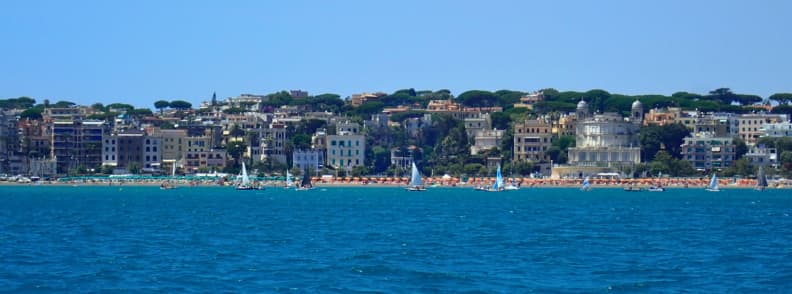
Nettuno vs Anzio. Which Coastal Town Should You Visit in Lazio?
The Nettuno vs Anzio choice depends on the kind of coastal day you want. Choose a visit to Nettuno for a medieval center above a large yacht marina, short yet full walking routes, the Maria Goretti sanctuary, and an easy transition between history and beach time. Choose a visit to Anzio for Roman archaeology, a working fishing port, seasonal ferries to Ponza, and a deeper standalone World War II itinerary.
The towns sit beside each other on the Lazio coast and share the same regional railway route. A scheduled train between Anzio and Nettuno often takes around 5 minutes, which makes it easy to visit Nettuno and Anzio in one trip.
Nettuno was the best choice for us at the time we sailed south of Rome. We passed Anzio by sea aboard Puzzle, then went ashore and explored Nettuno. The comparison below combines my first-hand Nettuno visit with current research into Anzio’s port, archaeology, museums, and transport connections.
| Question | Nettuno | Anzio |
|---|---|---|
| Best for medieval atmosphere | Nettuno | A different historic character |
| Best for a yacht marina beside the centre | Nettuno | A mixed fishing and tourist port |
| Best for Nero-related Roman history | A smaller role | Anzio |
| Best for seasonal ferry connections | Check current services | Anzio for Ponza |
| Best evening walk | Borgo Medievale and marina | Port, waterfront, and central squares |
| Best short first visit | Nettuno | Best with extra time for museums and ruins |
| Best World War II itinerary | Cemetery and Forte Sangallo museum | Landing Museum and wider Anzio history |
| Best for combining beach and medieval streets | Nettuno | Beach and Roman archaeology |
| Best for my personal experience | Nettuno | I saw Anzio from the sea |
Choose Nettuno for Medieval Streets and Walkability
Nettuno has the medieval atmosphere. Its Borgo Medievale dates from around the end of the 10th century and preserves fortified walls, towers, paved lanes, stone houses, small squares, and the Cavone walkway above the port.
The historic centre still functions as a residential neighborhood. Apartments occupy medieval structures, private windows open through old stone walls, and everyday life continues around the fortifications.
Marina di Nettuno sits directly below the Borgo. The port has around 1,000 berths across approximately 15 piers, with pedestrian access to the waterfront and town centre.
This layout gives Nettuno a clear advantage for a short visit. You can move between the marina, Borgo Medievale, Forte Sangallo, Neptune fountain, basilica, beach, and station during one continuous walk.
Nettuno also suits a first-time day trip from Rome. The Borgo is 300 meters from the railway station, so visitors arrive close to the main historic streets.
Choose Nettuno when your ideal coastal day includes old walls, harbor views, lunch in a medieval lane, and an evening walk above the boats. Its dense center keeps the route clear and leaves time for the beach.
Choose Anzio for Roman Archaeology and Fishing-Port Character
Anzio has a stronger connection with Roman imperial history. The Villa di Nerone archaeological area follows the coast between Capo d’Anzio and Arco Muto, on the seaward edge of the former imperial residence.
The Museo Civico Archeologico adds context to these ruins. Its collections cover ancient Anzio from its earliest settlement through the imperial period, with mosaics, frescoes, statues, and architectural material from the Villa Imperiale.
Anzio’s port has a different energy from Marina di Nettuno. Fishing boats, leisure vessels, restaurants, and maritime activity meet inside a harbor whose history includes the visible remains of the ancient Neronian port.
Piazza Garibaldi links the port with the centre. The pedestrian square is close to the fishing quay, the Monument to Angelita, and the remains of Nero’s villa.
The Monument of Angelita di Anzio represents the city’s memory of war and peace. The figure has become a civic symbol associated with the children affected by the Anzio landings.
Choose Anzio when Roman ruins, harbor life, fishing traditions, and museum visits lead your plans. The town rewards a slower visit that connects the port with Villa Adele and the imperial coastline.
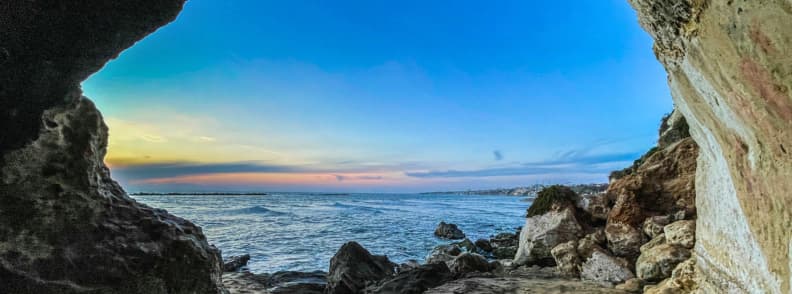
Nettuno vs Anzio for Beaches
The best beach near Rome depends on the sights you want beside the sand. Both Anzio and Nettuno offer long sections of Tyrrhenian coast, waterfront restaurants, beach clubs, and public access points.
Nettuno suits travelers who want beach time and a visit to a Medieval town. The historic walls rise above the shore and marina, creating a direct link between swimming, sightseeing, and an old-town dinner.
Anzio is better for travelers who want to pair the beach with Roman remains. The archaeological area of the imperial villa follows the coastal edge, giving the waterfront a clear historical focus.
Families gain an easier shorter walk in Nettuno. The beach, marina, old town, fountain, and restaurants sit close together.
History-focused beachgoers would enjoy the richer Roman route in Anzio. The villa remains, archaeological museum, port, and central squares provide several stops around the beach portion of the day.
Beach conditions change by stretch and season. Choose accommodation or a beach club after checking access, swimming conditions, family facilities, and the distance from your preferred attractions.
Nettuno vs Anzio for World War II History
Anzio offers the best standalone World War II museum itinerary. Museo dello Sbarco occupies Villa Adele near the station and center, with American, British, German, and Italian sections displaying uniforms, weapons, documents, battle plans, photographs, and personal objects.
The Anzio waterfront also carries the memory of Operation Shingle. Memorials, civic ceremonies, and the port’s wartime history create a direct connection with the Allied landings.
However, Nettuno contributes two major historical stops. Forte Sangallo houses its own Allied Landing Museum, with documents, uniforms, maps, photographs, wartime publications, and material recovered around Anzio and Nettuno.
And the Sicily-Rome American Cemetery gives Nettuno the region’s most significant commemorative site, with 7,845 graves and 3,095 missing service members recorded on the memorial walls.
I think you should choose Anzio for a museum-led account of the landings and battle. But keep Nettuno in mind for the American Cemetery, Forte Sangallo, and a broader day combining military history with the medieval center.
A complete WWII history tour of Nettuno and Anzio deserves a full day. Start with the Sicily-Rome American Cemetery, continue to Nettuno’s Forte Sangallo, then travel to Anzio for the Landing Museum and waterfront memorials.
Nettuno vs Anzio for Sailors and Boat Connections
Marina di Nettuno provides the clearer choice for visiting yachts. The purpose-built marina places a large berth capacity, technical services, shops, restaurants, and the medieval center inside one relatively small waterfront area.
Anzio’s port combines fishing, leisure boating, municipal moorings, and passenger services. It also holds the advantage for seasonal ferry travel to Ponza. Laziomar currently operates summer high-speed services between Anzio and Ponza, with schedules changing across the season.
Nettuno suits crews who want a yacht berth beside a walkable town, while Anzio suits travelers continuing to Ponza as ferry passengers or spending time around an active fishing harbor.
Sailing needs determine the better port for you. Boat dimensions, draft, current berth availability, weather, onward route, and required technical services should guide your final choice.
How to Visit Nettuno and Anzio in One Trip
The regional train provides the simplest connection between the two towns. Current RFI schedules show direct journeys of around five minutes between Anzio and Nettuno.
Start in Nettuno if medieval architecture is your priority. Visit the Borgo Medievale during the quieter morning, then continue to Forte Sangallo, the fountain, basilica, and marina.
Start in Anzio if Roman history is your priority. Visit the archaeological museum and Villa di Nerone first, then continue through the center towards the port.
A balanced route gives each town around half a day. If I were to return to this area, I’d spend the morning in Nettuno, travel one stop by train, then use the afternoon for Anzio’s museums, Roman remains, and harbor.
A history-heavy itinerary needs a longer day, though. Add the Sicily-Rome American Cemetery before central Nettuno, then reserve enough time for the Museo dello Sbarco in Anzio.
A beach-led itinerary benefits from one overnight stay. Use the first day for Nettuno’s Borgo and waterfront, then spend the second day around Anzio’s beach, port, and Roman sites.
Nettuno or Anzio? Here’s my Opinion
I think you should choose Nettuno for medieval atmosphere, Marina di Nettuno, short yet packed walking routes, and a strong combination of beach and history.
And I believe you should choose Anzio for Nero-related remains, fishing-port character, seasonal Ponza ferries, and a deeper museum-led account of the Allied landings.
Visit both when your schedule allows. Their proximity creates one of the easiest two-town coastal trips from Rome.
Nettuno remains my personal choice because I experienced it from both sides of the marina. I arrived after steering Puzzle through the swell, walked through the town’s lived-in medieval streets, and returned to the boat for an evening that gave this stop a lasting place in my memory.
Visiting Nettuno from Rome Without a Car
Visiting Nettuno from Rome without a car is straightforward because direct regional trains connect Roma Termini with Nettuno station. The ride takes around 1 hour and 10 minutes, and the station is within walking distance of the Borgo Medievale, Marina di Nettuno, the beach, restaurants, and the Sicily-Rome American Cemetery.
A Nettuno day trip from Rome by train if a great option for travelers who want sea air, medieval streets, and history within a thick coastal town. The short distances also make Nettuno a family-friendly beach town near Rome, especially when children prefer a simple route with regular places to stop for food, water, and shade.
Taking the Rome to Nettuno Train
The direct Rome to Nettuno train follows the FL8 regional line from Roma Termini through Campoleone, Aprilia, the coastal districts of Anzio, central Anzio, and Nettuno. The service reaches the end of the line at Nettuno, which keeps the trip simple for first-time visitors.
The rail connection between Rome and Nettuno is an hourly service. Actual gaps vary across weekdays, Sundays, public holidays, and periods with engineering changes, so the final plan should come from checking Trenitalia for your chosen date to get the current Rome to Nettuno train timetable. Trenitalia sells digital regional tickets through its website, app, station offices, authorized agencies, and ticket machines.
RFI publishes live departures and platform information for Roma Termini and Nettuno station. Check the live board here again on the morning of travel for delays, platform changes, shortened routes, or replacement transport.
Rome to Nettuno Train Time
Most direct services take around 1 hour and 10 minutes to 1 hour and 20 minutes. Return rides follow a similar duration.
Allow extra time around Roma Termini before departure. Regional trains often leave from platforms located farther along the station hall, and the assigned platform sometimes appears shortly before departure.
Rome to Nettuno Train Fare
The standard one-way Regionale fare for Rome Termini to Nettuno is €4 in July 2026. The same €4 fare is applicable for the return ride from Nettuno to Roma Termini.
Confirm the final price through Trenitalia before payment. Regional fares, integrated transport tickets, family promotions, and temporary offers change over time.
A Trenitalia Digital Regional Ticket is available until five minutes before the scheduled departure. Buying earlier gives you time to check the correct date, passenger details, departure station, and final Rome station.
Travelers planning several rides around Lazio should compare the single tickets with Metrebus regional products. Trenitalia publishes daily and multi-day integrated fares based on the number of zones covered.
Last Trains from Nettuno to Rome
Plan the return train before starting your Nettuno day trip. The late service varies by day, and scheduled engineering changes sometimes alter the arrival station in Rome.
An earlier evening departure gives a calmer end to the day. Aim for the train around 20:00 when your plans include dinner, traveling with children, or continuing across Rome after arrival.
However, a late departure gives time to see Nettuno old town after sunset. Check the destination station carefully, since an arrival at Roma Tiburtina changes onward metro, taxi, and accommodation plans.
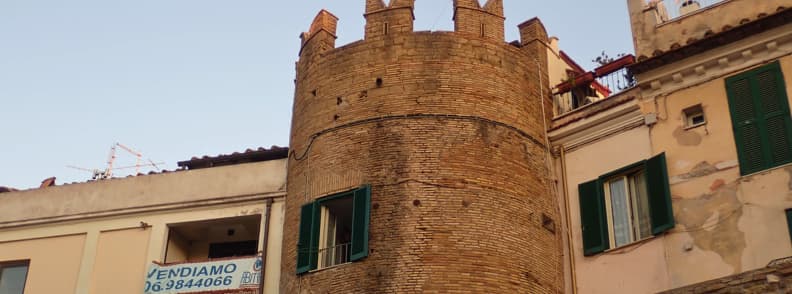
Walking from Nettuno Station to the Historic Centre
Nettuno station is 300 meters away from the Borgo Medievale, so the historic center is just a short walk of the railway station. From the train station, just follow the signs for Centro and Borgo Medievale that will take you south towards the central streets, Piazza Giuseppe Mazzini, and the medieval quarter above the marina.
It will take you just five minutes to walk from the station to Borgo Medievale. Extra time helps when traveling with luggage, a pushchair, young children, or mobility aids.
Things to do near Nettuno station include the Borgo Medievale, the Neptune fountain, Forte Sangallo, Marina di Nettuno, and the seafront. These sights form a dense walking loop, so a car-free day remains easy to organise.
The marina and beach are slightly farther downhill from the old town, and the return route to the station involves a gentle climb through central streets.
Walking from Nettuno Station to the American Cemetery
The Sicily-Rome American Cemetery is 700 meters from Nettuno station, so getting there on foot takes around ten minutes.
Exit the station and turn right. Continue to the first traffic light, turn right onto Via Santa Maria, then walk straight through two roundabouts. The cemetery entrance will be on the left.
Visit the cemetery at the start of the day. This places the longest walk first and leaves the center, marina, basilica, and waterfront for the rest of the visit.
Allocate at least one hour of your time in Nettuno to visit the cemetery. The graves, memorial, chapel, map room, and visitor center reward a quiet pace.
Summer Heat and Shade
Summer heat changes the ideal order for a Nettuno day trip from Rome. Start with the cemetery or Borgo Medievale during the morning, then plan lunch and indoor visits around the hottest hours.
The Borgo’s narrow lanes provide intermittent shade. The waterfront, Piazza Mazzini, and the route along Via Santa Maria include longer exposed stretches.
Carry water from the start of the day. Add a hat, sunscreen, and light clothing that also suits entry into the basilica.
Families should include regular breaks between the station, old town, and waterfront. Piazza Giuseppe Mazzini, the marina area, cafés, and restaurants provide convenient stopping points.
A late return train lets you enjoy Nettuno during cooler evening hours. The Borgo becomes livelier after sunset, while the seafront offers an easier final walk before heading back to the station.
Nettuno Station Accessibility
Nettuno is a station with assistance for travelers with disabilities and reduced mobility. The reference Sala Blu office is in Rome, and assistance requests are accepted up to 12 hours before departure or arrival during the office’s booking hours.
All four passenger platforms have step-free access through level routes or ramps. There are also raised platforms, reserved parking spaces, and visual and audio passenger information.
Platform access relies on level paths and ramps. Travelers using wheelchairs should confirm the train type and boarding arrangements with Trenitalia or Sala Blu before travel.
Once you’ve reached Nettuno, keep in mind that the Borgo Medievale contains narrow paved lanes and changes in level. A slower route through the main squares offers an easier visit for wheelchairs, mobility aids, and pushchairs.
Travelers choosing where to stay in Nettuno without a car should focus on the train station area, Borgo Medievale, or Marina di Nettuno. These areas place the train, restaurants, waterfront, and main attractions within the smallest walking radius.
Nettuno is well connected to Rome for a coastal day trip. A direct train, a compressed center, and short walking distances make the town one of the simplest Lazio seaside destinations to visit by public transport.
Where to Stay in Nettuno
The best area to stay in Nettuno depends on the purpose of your trip. Choose Marina di Nettuno for sailing, the Borgo Medievale for evening atmosphere, Nettuno station for a car-free visit, and the beach for swimming and longer summer stays.
First-time visitors will gain the richest experience near the Borgo Medievale or marina. These areas place Nettuno hotels, B&Bs, and holiday apartments close to the historic centre, restaurants, waterfront, Forte Sangallo, and the basilica.
I slept aboard Puzzle during our stop, so my Nettuno accommodation guide comes from walking between the marina, old town, station, and waterfront, supported by current local information. Before booking, check the exact address on a map, since listings sometimes use Nettuno center for properties several kilometers from the main sights.
Stay Near Marina di Nettuno for Sailing and Short Visits
The area around Marina di Nettuno is the best place to stay in Nettuno for sailing. It suits crew changes, yacht charter departures, short stopovers, and travelers arriving after a late passage.
The marina occupies the central waterfront below the Borgo Medievale. Its official guide places the basilica to the northeast, the commercial streets and railway station to the north, and the historic center o the northwest.
Hotels near Marina di Nettuno reduce the distance between your room and the pontoons. This helps when you need to carry sailing bags, provisions, bedding, safety equipment, or personal belongings between your accommodation and the boat.
Marina-side accommodation also suits people meeting a skipper or charter company early in the morning. The marina currently lists accredited boating agencies inside the port, so staying nearby keeps check-in and departure days simple.
Choose the northwestern side of the harbor for the shortest walk to the Borgo Medievale. This places you between the boats and Nettuno’s best evening area.
Choose the northern side of the harbor for easier access to shops and the railway station. This area is good short stays where provisioning and onward travel carry greater importance than a sea view.
A marina-view room gives you a direct outlook over the pontoons and Tyrrhenian Sea. Check the room orientation before booking, since the property name alone rarely guarantees a harbour-facing balcony.
The marina remains active from early morning. Sailors preparing boats, service vehicles, restaurants, and waterfront activity create an energetic setting during summer.
Light sleepers should choose an upper-floor room or an interior-facing bedroom. This will give you the location advantage while reducing sound from the waterfront and evening venues.
Marina di Nettuno has restaurants, maritime services, ship chandlers, and shops within the port area. The central streets above the harbor add supermarkets, pharmacies, cafés, and general shopping within walking distance.
Holiday apartments near Marina di Nettuno are great for crews staying several nights. A kitchen and washing machine become useful before a charter, after a long passage, or while waiting for favorable sailing conditions.
Nettuno Accommodation Recommendation: Stay near Marina di Nettuno when the boat shapes your schedule. The Borgo, station, waterfront, and practical services remain close, while your berth stays within an easy walk.
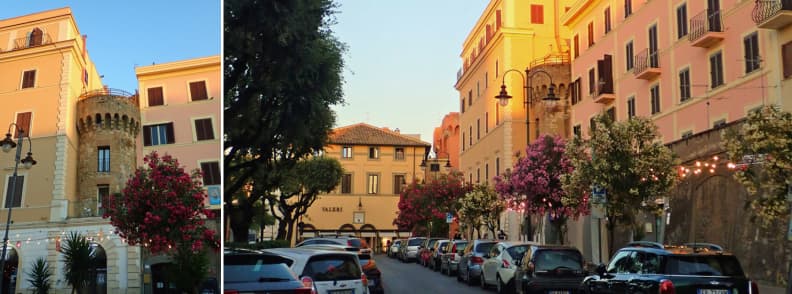
Stay Near the Borgo Medievale for Restaurants and Evening Atmosphere
The Borgo Medievale is my preferred area for a first Nettuno weekend trip. It gives you the best sense of place and keeps the old walls, towers, restaurants, marina, and Forte Sangallo around your doorstep.
Nettuno old town rises directly above the port. It’s just 300 meters from Nettuno station, which also makes the historic center suitable for travelers arriving by train.
Accommodation in Nettuno historic centre ranges from rooms and B&Bs to private holiday apartments. Many properties occupy older buildings with individual layouts, narrow staircases, small balconies, and views across the roofs or marina.
The best reason to stay near the Borgo Medievale appears after sunset. Summer evenings bring people into the lanes, squares, restaurants, and bars after the daytime heat fades.
A room inside the Borgo places you close to the best restaurants in Nettuno old town. You can finish dinner, walk through the illuminated lanes, and return to your accommodation within minutes.
Historic views vary greatly between buildings. Ask whether the room faces the marina, medieval walls, an internal courtyard, or a neighboring façade before choosing a higher-priced view category.
The oldest buildings sometimes include steep stairs and small interiors. Travelers carrying large suitcases should check the floor, lift access, and distance from the nearest vehicle drop-off point.
Wheelchair users and parents with pushchairs should study the route carefully. The Borgo contains narrow paved lanes and changes in level, while the streets around Piazza Marcantonio Colonna provide easier access to the central part of the quarter.
Summer nightlife gives the area energy and later evening sound. Choose accommodation along the edge of the Borgo or request a courtyard-facing room when sleep takes priority.
A short sightseeing visit benefits from this location. The Borgo, Forte Sangallo, Fontana del Dio Nettuno, marina, and waterfront create a short walk from your accommodation.
The Travel Bunny’s Advice: Stay near Nettuno old town when restaurants, historic architecture, and evening walks lead your plans. This is the best area to stay in Nettuno for atmosphere.
Stay Near Nettuno Train Station for a Car-Free Trip
The streets around Nettuno station form the most practical base for a car-free stay. This area is suitable for travelers extending a day trip from Rome, visiting the American Cemetery, or catching an early train.
The Borgo Medievale is only 300 meters from the station. This keeps central Nettuno within a short walk while giving you direct access to the Rome rail line. You can also visit the Sicily-Rome American Cemetery if you take a ten-minute walk along Via Santa Maria.
Choose a property on the southern side of the station for faster access to the historic centre. Choose the Via Santa Maria side when the American Cemetery forms a central part of your visit.
Hotels near Nettuno station are practical for travelers with luggage. You can check in soon after arrival, leave your bags, then continue towards the Borgo and waterfront with a lighter load.
This area in Nettuno also helps during early departures. A short walk to the platform gives you extra time in the morning and reduces dependence on a taxi.
Plus, the Nettuno train station district has an everyday residential character. You gain bakeries, cafés, supermarkets, pharmacies, and local services rather than continuous sea views.
Accommodation prices sometimes offer better value a few streets inland. Compare the total walking distance with the difference in price, especially during July and August.
Nettuno Travel Tip: The station area is the best answer to where to stay in Nettuno for a car-free trip. It connects Rome, the cemetery, the Borgo, and the marina through short walking routes.
Stay Near Nettuno Beach for Families and Summer Holidays
Beach accommodation in Nettuno suits families, swimmers, and travelers staying several days. A holiday apartment near the coast gives you space for wet towels, beach equipment, simple meals, and slower mornings.
Nettuno has sandy beaches along several parts of its urban coastline. Central beach areas sit near Forte Sangallo and the Borgo, while longer residential stretches continue towards Via Antonio Gramsci, Cretarossa, and Scacciapensieri.
The central beach is the best choice for combining swimming with sightseeing. You can reach the Borgo Medievale, Forte Sangallo, marina, restaurants, and station on foot.
The Via Antonio Gramsci and Villa Borghese area gives you a quieter residential base east of the centre. This location suits travelers who prefer a longer waterfront walk and a little separation from the busiest old-town streets.
Cretarossa and Scacciapensieri are excellent for longer summer stays. These districts place you near extended beach areas and residential services, with a longer route into the historic centre.
Families should check the exact beach access before booking. A property described as near the sea might sit above a private beach club, across a busy road, or several blocks from the nearest public entrance.
Confirm whether the accommodation includes parking. Summer demand places greater pressure on spaces near the beach, especially during weekends and public holidays.
Air conditioning deserves priority during July and August. Sea-facing rooms receive strong sunlight, while older apartments vary in insulation and ventilation.
A washing machine gives holiday apartments a practical advantage for family stays. Beach clothes, towels, and children’s items create regular laundry during a longer trip.
Yes, you can swim in Nettuno in designated bathing areas. For the 2026 season, the municipality classified two monitored coastal sections as having excellent bathing water quality based on data from 2022 to 2025.
Local signs identify the authorized swimming stretches. The municipality designated the section from Nettuno port to 300 meters left of Fosso Loricina outside bathing use for the 2026 season, so swimmers should follow the posted coastal information.
Le Sirene became a free beach with services and sports activities for the 2026 season. The municipal plan includes free recreational activities for young people and protected groups.
The Travel Bunny’s Advice: Choose central Nettuno beach for a short family break with sightseeing. Choose Cretarossa or Scacciapensieri for a longer swimming-focused holiday with a residential pace.
Before confirming any Nettuno hotel, B&B, or holiday apartment, check the full price. Nettuno applies a municipal tourist tax, so verify whether the platform includes it or collects it separately at the property.
For most first-time visitors, the Borgo Medievale gives the best overall stay. Marina di Nettuno wins for sailors, the station wins for train travelers, and the beach wins for families planning several days by the sea.
The Evening We Met a Romanian Skipper
The evening we met a Romanian skipper became the most personal part of our stop in Nettuno. The encounter began with a few Romanian words heard across Marina di Nettuno and ended with a shared bottle of pálinka aboard Puzzle.
For readers interested in the Romanian community in Lazio or life as an expat in Italy, her story adds a human layer to this Nettuno expat guide. ISTAT’s 2024 census identifies Romanian citizens as the largest foreign nationality group in Lazio, representing 29.3% of foreign residents.
For me, those figures stayed in the background. The woman I met came from Galați, had built a life in Italy over 15 years, and worked as a skipper. One unexpected conversation connected both our sailing travel stories with our home country.
Hearing Romanian Across Marina di Nettuno
I first heard her while we were leaving Marina di Nettuno to explore the old town. A woman on a nearby boat was speaking Romanian on the phone! The language caught my attention immediately. After months spent sailing through foreign ports, Romanian reached me from a neighbouring deck in a place where I expected to hear Italian.
But I didn’t dare interrupt her. We continued into Nettuno and returned to Puzzle later in the day. Once we reached our berth again and noticed her, I greeted her in Romanian.
She was delighted to hear her language spoken back to her. Her surprise quickly turned into conversation, so we invited her aboard Puzzle. What began as a greeting between neighboring boats became an evening spent talking about Romania, Italy, sailing, family, and life abroad.
Hearing Romanian in Nettuno changed the atmosphere around our berth. The marina had already given us a practical stop and access to a town I admired. Her voice added familiarity to a place we had entered only a few hours earlier.
Meeting a Romanian Female Skipper in Italy
She came from Galați, a Romanian city shaped by the Danube and its shipbuilding history. It’s also the place where I traveled to pass my boating license exam in Romania before flying to France to search for a sailboat with Mathieu. Our shared language and our passion for sailing gave us an immediate starting point.
She’d lived in Italy for over 15 years. During those years, she had built a family life and a professional identity far from the country where she grew up.
She worked as a skipper. Her role placed her in charge of boats, crews, routes, and the responsibilities linked with life at sea.
Meeting a professional female yacht skipper in Italy stayed with me because women held a smaller visible presence around many of the marinas we visited. The 2024 IMO-WISTA survey found women represented 1% of seafarers employed by the organizations included in its global sample.
The survey provides a wider maritime context rather than an Italy-specific picture. Her career remained her own story, shaped by personal decisions, experience, training, and years of life in Italy.
Sharing Romanian pálinka Aboard Puzzle
When I brought out the bottle of Romanian pálinka we carried aboard Puzzle, she reacted with immediate surprise. Finding a familiar Romanian drink on a sailboat in Nettuno had clearly caught her off guard. She told me a long time had passed since her last taste of pálinka.
Her Italian boyfriend joined us later. He stepped into an evening already moving quickly in Romanian.
Mathieu understood little Romanian. Years beside me had given him a few words and clues, while full conversations still moved far beyond his vocabulary. Her boyfriend understood even less. She joked about his limited Romanian and his equally limited ability to handle the pálinka.
The guys caught fragments of our chat while she and I followed the full meaning. Tone, wordplay, cultural references, and small nuances passed between us while they tried to keep pace. And my husband encouraged me to keep speaking in Romanian since I barely had the occasion to do it in so many months away from home.
Some of the humor came from what the men missed. A sentence sounded simple when translated, while the Romanian version carried an extra implication or a sharper joke.
The shared drink turned our neighboring boats into a small Romanian corner of Marina di Nettuno. For a few hours, the language, humor, and taste of home sat inside the cockpit of Puzzle.
Why Speaking Romanian in Nettuno Stayed With Me
I’d left Romania in January 2020. By the time we reached Nettuno, my daily life had moved across countries, languages, and long stretches of sea.
Apart from phone calls, this was only the second time I’d spoken Romanian face-to-face since leaving. Most contact with family and friends had reached me through a screen or telephone.
The first face-to-face Romanian conversation had happened in Saint-Raphaël, where Maxime, two boats down the pier from us in Santa Lucia, had greeted me in Romanian. The second conversation arrived by chance here, in Marina di Nettuno.
Living abroad changed my relationship with my first language. In Romania, Romanian had belonged to every ordinary part of the day. Abroad, Romanian often arrived through planned calls. I knew who would answer and when the conversation would begin.
In Nettuno, this chance encounter gave an accidental marina stop emotional weight. The city had already exceeded my expectations before we returned to Puzzle. But meeting this woman connected my awe at Nettuno with a personal memory. I remember the city through its old walls and harbor, but I also remember her vividly.
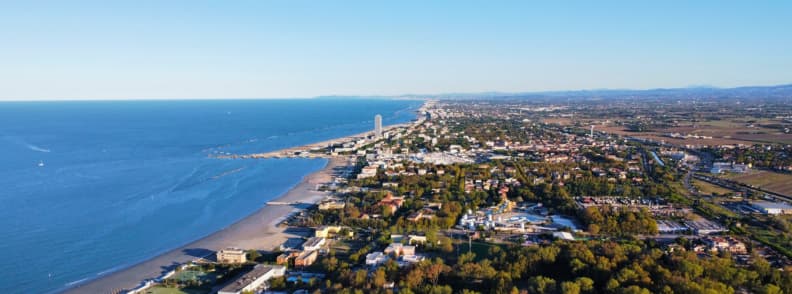
Who Should Visit Nettuno Italy?
Nettuno is a great destination for sailors, Rome day-trippers, families, history lovers, pilgrims, locals, and expats who value a small coastal town with several distinct experiences within walking distance. The Borgo Medievale, Marina di Nettuno, Forte Sangallo, beach, basilica, station, and waterfront form a clear route through central Nettuno.
Choose Nettuno for a beach-and-history day, a short Lazio sailing stop, or a less obvious excursion from Rome. The town offers enough variety for one busy day, while a Nettuno weekend gives you cooler evening hours, beach time, and space for nearby Anzio or the Sicily-Rome American Cemetery.
Nettuno for Day-Trippers from Rome
Nettuno is a good choice for travelers who want a simple coastal day trip from Rome. Direct regional trains reach Nettuno station, and the Borgo Medievale is just 300 meters away from the platforms.
The condensed center reduces time spent moving between sights. You can walk from the station to the Borgo, Forte Sangallo, Fontana del Dio Nettuno, basilica, marina, and waterfront during the same day.
Nettuno ranks among the underrated seaside towns near Rome for travelers who prefer a smaller historical center. Rome has grand museums and monumental scale, while Nettuno gives you old stone streets, sea views, religious heritage, and an active port in a concentrated area.
Nettuno for Sailors
Nettuno for sailors offers one of the clearest matches between marina access and town life along this part of the Lazio coast. Marina di Nettuno sits directly below the Borgo Medievale and places restaurants, shops, maritime services, and sightseeing routes around the harbor.
A Nettuno travel guide for sailors naturally places the marina at the center of the visit. Crews gain a practical berth while companions arriving by train gain an easy route from Nettuno station to the port.
Nettuno also suits crew changes and short sailing weekends from Rome. The marina’s proximity to the railway station helps people join or leave a boat with limited local transport.
Nettuno for Families
Nettuno is a beautiful destination for families who want beach time alongside short cultural stops. Parents can divide the day between swimming, lunch, the marina, the Borgo Medievale, and a brief visit to Forte Sangallo.
The center’s relatively small size helps families with young children. Cafés, restaurants, shaded medieval lanes, and waterfront stops create regular opportunities for rest.
A central beach location suits a one-day family visit. Longer stays need extra space and a quieter residential rhythm around Cretarossa or Scacciapensieri.
Nettuno for History Lovers
Nettuno for history lovers combines medieval architecture, coastal defence, archaeology, and Second World War memory. The Borgo Medievale dates from around the end of the 10th century and preserves towers, walls, paved lanes, stone houses, and the Cavone walkway above the port.
Forte Sangallo adds Renaissance military architecture to the itinerary. The fortress also houses the Allied Landing Museum and municipal archaeological collections.
The Sicily-Rome American Cemetery gives Nettuno a major spot within Allied history in Italy. The cemetery stands on the northern edge of town, around ten minutes on foot from Nettuno station, with free admission from 9 am to 5 pm on regular opening days.
A full history day pairs Nettuno with Anzio. Nettuno contributes the American Cemetery, Forte Sangallo, and medieval center, while Anzio brings Nero-related remains and a broader museum route focused on the Allied landings.
Nettuno for Pilgrims
Nettuno for pilgrims centers on the Basilica of Our Lady of Graces and Saint Maria Goretti. The sanctuary holds the remains of Saint Maria Goretti in its crypt and serves as an established Marian pilgrimage destination.
The annual Maria Goretti pilgrimage adds a physical route to the religious visit. In July 2026, the traditional walk covered 10 kilometers between Nettuno, the sanctuary, Le Ferriere, and Cascina Antica.
Pilgrims should check the current worship and access schedule before traveling. Religious celebrations, services, pilgrimages, and private prayer influence visitor access throughout the year.
Is Nettuno a Good Base Near Rome?
Nettuno is a useful base for two or three nights beside the sea. A Nettuno weekend trip is plenty of time to enjoy the old town, beach, American Cemetery, Anzio, and a relaxed evening around the marina.
Train travelers gain easy access to Rome and neighboring Anzio. Sailors win a base for further coastal passages, while drivers get access to Torre Astura and inland areas of southern Lazio.
A week in Nettuno is great for travelers planning regional excursions. Anzio, Torre Astura, the Pontine Islands, Castelli Romani, and Rome add variety to a longer stay.
Central Nettuno suits travelers who want daily walking access to restaurants and sights. Beach districts suit longer summer stays where swimming leads the schedule.
The Best Time to Visit Nettuno Italy
Late spring and September are the best periods for sightseeing in Nettuno. The milder rhythm suits long walks through the Borgo, the marina, and the waterfront.
July and August still work for travelers focused on Nettuno beaches and summer events. These months have busy evenings, warmer sea conditions, fuller restaurants, and greater demand for accommodation and marina berths.
Early morning and late afternoon give summer visitors the best walking periods. The Borgo offers patches of shade, while the seafront and cemetery route include longer exposed stretches.
Pilgrims should plan their Nettuno visit around the main Maria Goretti celebrations in early July. The annual calendar includes religious services, cultural events, and the traditional pilgrimage route.
Choose Another Destination for Large Museums and Luxury Shopping
Of course, visiting Rome is the best choice for travelers focused on large museums, extensive luxury shopping, and a long sequence of major monuments. Nettuno’s appeal comes from compact history, coastal life, and a lived-in medieval center.
A purpose-built luxury resort offers a different experience from Nettuno beach town. Nettuno presents an active marina, residential districts, local beaches, summer crowds, and ordinary town life beside the visitor attractions.
A full week centered entirely on major sights will leave open space in the schedule. Nettuno is good for a shorter stay or a longer coastal holiday combined with regional excursions.
Choose a Quieter Area for Early Summer Nights
The Borgo Medievale becomes lively during summer evenings. Its lanes and squares are especially animated during the summer high season, as the 2026 program brings concerts, cinema, festivals, and street performances into central Nettuno.
It’s notable that the municipality introduced summer limits on evening entertainment noise in 2026. The order responded to activity around venues associated with Nettuno’s evening scene.
Travelers who prioritize early sleep should choose accommodation outside the busiest Borgo streets. An interior-facing room, an upper floor, or a residential area east of the centre provides a calmer base.
So Who Should Visit Nettuno?
Choose Nettuno for a Rome day trip, a family beach break, a World War II history route, a Maria Goretti pilgrimage, or a practical stop while sailing the Lazio coast.
Visit Nettuno when you value a concentrated historical center, a marina beside town, beach access, and easy walking. Stay overnight when you want to see the Borgo after the afternoon heat and experience its summer evening atmosphere.
For me, Nettuno suited sailors especially well. We arrived for a practical berth and left with memories of medieval tower homes, a town that exceeded my expectations, and an evening spent speaking Romanian aboard Puzzle.
Practical Nettuno FAQ
Use this practical Nettuno FAQ to plan your visit, choose between Nettuno and Anzio, arrange a Rome day trip, contact Marina di Nettuno, and decide where to continue sailing along the Lazio coast.
Is Nettuno Worth Visiting?
Yes, Nettuno is worth visiting for its medieval centre, yacht marina, beaches, Forte Sangallo, Maria Goretti sanctuary, and World War II history. The main Nettuno attractions sit close together, which makes the town suitable for a day trip from Rome.
Nettuno is worth staying overnight when you want dinner inside the Borgo Medievale and an evening walk after the summer heat fades. A second day also leaves time for the Sicily-Rome American Cemetery, the beach, or nearby Anzio.
What Are the Best Things to Do in Nettuno?
The best things to do in Nettuno include walking through the Borgo Medievale, visiting Forte Sangallo, seeing the Fontana del Dio Nettuno, entering the Basilica of Our Lady of Graces and Saint Maria Goretti, and walking around Marina di Nettuno.
Things to do in Nettuno besides the beach include the Allied Landing Museum, the municipal Antiquarium, the Sicily-Rome American Cemetery, and a closer look at the homes built into the medieval walls. Nettuno, Italy is famous for its fortified old town, maritime identity, Maria Goretti pilgrimage, and connection with the Allied campaign in Italy.
Can You Visit Nettuno Without a Car?
Yes, you can visit Nettuno without a car. Direct regional trains connect Roma Termini with Nettuno station, while the Borgo Medievale lies around 300 meters from the station.
Nettuno is walkable once you reach the centre. The old town, Forte Sangallo, Neptune fountain, marina, basilica, beach, and railway station fit into a quick walking route.
How Long Should You Spend in Nettuno?
One day is enough for the main sights in Nettuno. A full-day route covers the Borgo Medievale, Forte Sangallo, the Neptune fountain, basilica, marina, waterfront, and a meal in the centre.
Spend two nights in Nettuno for a slower beach break or regional weekend. This schedule leaves time for the American Cemetery, Anzio, Torre Astura when access permits, and the old town after sunset.
Is Nettuno or Anzio Better?
Choose Nettuno for medieval streets, a large yacht marina, packed walking routes, and an old-town evening. Choose Anzio for Nero-related archaeology, fishing-port character, seasonal boat connections, and a broader museum route focused on the Allied landings.
The difference between Nettuno and Anzio comes from their historical character. Nettuno centres on its fortified Borgo, marina, and Maria Goretti sanctuary, while Anzio places greater emphasis on Roman ruins, port life, and Second World War history.
Visit both when your schedule includes a full day or an overnight stay. The regional train links Anzio and Nettuno in around four minutes on many services.
Is Marina di Nettuno Close to the Old Town?
Yes, Marina di Nettuno sits directly below the Borgo Medievale. The marina places the historic centre to the northwest, the station and shopping streets to the north, and the basilica to the northeast.
Allow around five to ten minutes to walk from Nettuno marina to the old town. The precise time depends on your pontoon, the assigned marina exit, and your pace.
How Do Sailors Contact Marina di Nettuno?
Sailors contact Marina di Nettuno on VHF Channel 9. The marina advises crews to call a few miles before the entrance and request current instructions and transit availability.
Marina di Nettuno has a limited number of reservable transit berths. Submit a booking request through the marina and wait for confirmation, or contact one of its accredited agencies.
Boats drawing over approximately 2.5 meters should request current entrance guidance from the control tower. Tide and channel conditions influence the approach used for deeper-draft vessels.
Where Should You Stay in Nettuno?
Stay near Marina di Nettuno for sailing, charter departures, crew changes, and short stopovers. This area places your accommodation close to the pontoons, waterfront restaurants, maritime services, and Borgo Medievale.
Stay near the Borgo Medievale for historic atmosphere, restaurants, and evening walks. This is my preferred area for a first Nettuno weekend.
Stay near Nettuno station for a car-free trip, early departure, or easy access to the Sicily-Rome American Cemetery. The old town lies around 300 meters away, while the cemetery sits around 700 meters from the station.
Stay near the beach for a family holiday or swimming-focused summer trip. Central beach accommodation keeps sightseeing close, while the eastern residential districts suit longer stays.
Is the Sicily-Rome American Cemetery Free?
Yes, admission to the Sicily-Rome American Cemetery is free, and advance booking is unnecessary. The cemetery opens daily from 9 am to 5 pm, except on 25 December and 1 January. Final admission takes place 15 minutes before closing.
The American Cemetery lies around 700 meters from Nettuno station. ABMC estimates the walk at approximately ten minutes along Via Santa Maria.
Where Is Saint Maria Goretti Buried?
The remains of Saint Maria Goretti rest in the crypt of the Basilica of Our Lady of Graces and Saint Maria Goretti in Nettuno. The crypt has held her remains since 1929.
The Maria Goretti sanctuary stands in Piazza San Rocco near the Nettuno waterfront. It serves as a major pilgrimage destination and hosts annual religious celebrations connected with the saint.
Can You Visit Nettuno as a Day Trip from Rome?
Yes, a Nettuno day trip from Rome by train gives you enough time for the medieval centre, fortress, basilica, marina, and waterfront. Direct regional trains from Roma Termini usually take around 1 hour and 10 to 20 minutes.
ABMC describes the Rome to Nettuno rail service as hourly. Check Trenitalia and RFI for your date because maintenance periods sometimes change departure stations, routes, or journey times.
Nettuno lies around 61 kilometers south of Rome. Its concentrated center makes the town one of the simplest Lazio seaside destinations for a car-free day trip.
Where Can You Sail After Nettuno?
We continued south towards San Felice Circeo and Terracina the next day. This route kept us close to the Lazio coast and moved Puzzle towards another practical harbour stop.
The Pontine Islands provide another strong direction after Nettuno. Marina di Nettuno places the islands around 34 nautical miles south of the port and identifies Palmarola as a natural onward destination.
A longer Nettuno sailing itinerary might continue towards Palmarola, Ponza, Ventotene, San Felice Circeo, or Terracina. The final choice depends on the forecast, sea state, vessel, berth availability, and the experience of the crew.
Why Nettuno Italy Stayed With Me After Sailing from Porto Romano
Nettuno Italy began as an accidental stop on our route. While sailing to Nettuno from Porto Romano, we chose Marina di Nettuno as our next stop because it offered a practical berth during a busy summer period.
The town exceeded every expectation I carried ashore. Nettuno old town drew me in through its medieval walls, residential towers, narrow streets, and the sight of ordinary life continuing inside centuries-old buildings.
The things to do in Nettuno gave our short stay far greater depth than I expected. Forte Sangallo, the Neptune fountain, the basilica, the marina, and the Borgo Medievale formed a short yet packed itinerary that suited both sailors and travelers arriving from Rome.
The strongest memory came after we returned to Puzzle. Meeting a Romanian skipper in Italy, speaking my language face-to-face, and sharing pálinka aboard our boat gave the evening a personal meaning that sightseeing alone would never have created.
Is Nettuno worth visiting? My answer is clearly yes. Visit Nettuno for its walkable historic center, coastal character, marina, beach, religious heritage, and the small encounters that turn a simple stop into a story.
The Travel Bunny’s Nettuno travel guide began with our sailing route and ends with this recommendation: give Nettuno at least one full day, stay overnight when your schedule allows, and return to the Borgo after sunset.
About the Author

Hi! I’m Mirela Letailleur, a Romanian travel writer based in the South of France and the founder of The Travel Bunny. I sailed to Nettuno from Porto Romano aboard Puzzle, crossed from the Tiber into the Tyrrhenian Sea, stayed at Marina di Nettuno, and explored the Borgo Medievale, Forte Sangallo, the basilica, waterfront, and old residential towers.
I write practical guides for travelers, sailors, and expats who want clear first-hand advice. My Nettuno Italy guide combines my own sailing experience with current research on things to do in Nettuno, marina services, train travel from Rome, accommodation areas, beaches, local history, and onward routes along the Lazio coast.
Planning to visit Rome and Lazio? Check out these free travel guides on The Travel Bunny
Complete Rome travel guide with interactive map
Rome in 2 Days: Best 48-Hour Itinerary for an Unforgettable Visit
10 most beautiful places to visit in Italy